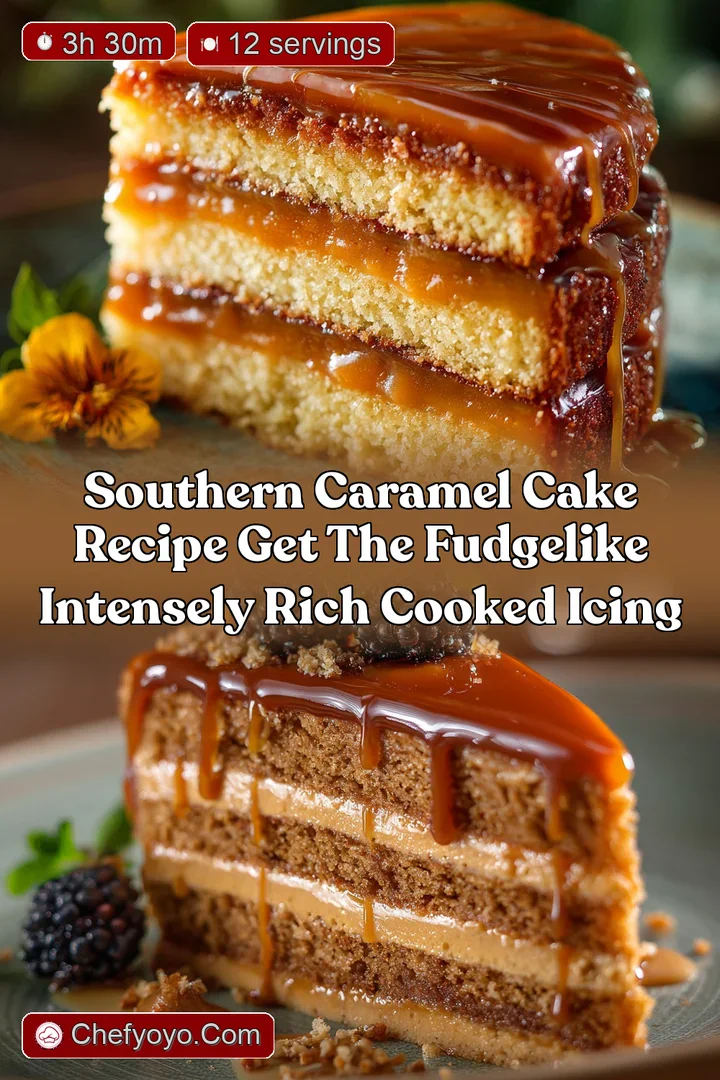
Southern Caramel Cake the Real Deal Layer Cake with Cooked Caramel Icing
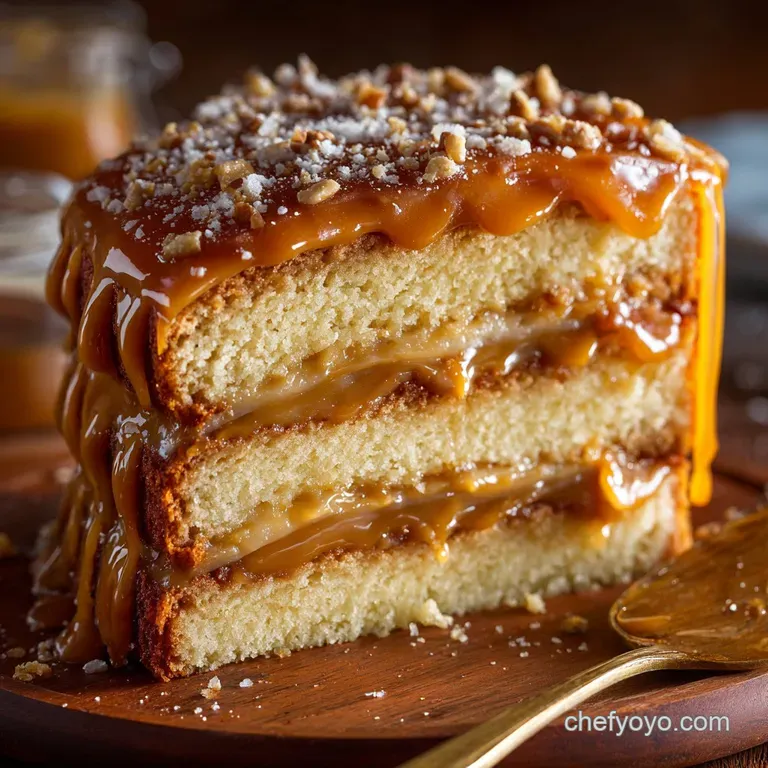
- Unveiling the Classic Taste of Authentic Southern Caramel Cake
- Understanding the Commitment: Why Patience is the Secret Ingredient
- Essential Provisions for a Traditional Caramel Bake
- Stage One: Perfecting the Buttery Southern Cake Layers
- The Crucial Process for the Traditional Southern Caramel Cake Frosting
- Advanced Tips and Troubleshooting the Caramel Frosting
- Nutritional Breakdown and Serving Suggestions
- Exploring Variations on the Southern Caramel Cake Theme
- Recipe FAQs
- 📝 Recipe Card
Unveiling the Classic Taste of Authentic Southern Caramel Cake
If you’ve been following this blog for a while, you know I’m obsessed with Southern baking, but there’s one cake that stands above all others, demanding respect, patience, and about a pound of sugar: the proper Southern Caramel Cake.
Listen, forget those cheater recipes that call for heating up jarred caramel sauce and calling it a day. We are doing the real deal here. We are cooking sugar until it’s deeply caramelized, rich, and almost fudge and like, then beating it until our arms ache, hoping the whole thing doesn't seize into a giant rock.
(Spoiler alert: sometimes it does, and we just start over. It's that good.)
This cake is tradition. It’s what you bring to a Sunday dinner when you want silence at the table. The layers are light, soft buttermilk pillows, perfectly balancing the intense, deep molasses flavour of the cooked caramel icing. It’s absolutely brilliant.
Understanding the Commitment: Why Patience is the Secret Ingredient
Look, I’m not going to lie to you. This is a difficult cake. It’s not hard because the steps are complicated; it’s hard because the frosting requires complete, undivided, zen focus. You can’t wander off to check Instagram or feed the cat while the sugar is cooking.
I learned that the hard way when I left the pot for thirty seconds to grab a clean bowl, and when I came back, I had a pot of black, acrid smoke and basically charcoal syrup. That was a rough day.
The commitment here is time, sure, but mostly it’s precision. If you’re used to throwing powdered sugar and butter into a mixer and walking away, this will be a humbling experience. But trust me, once you nail that perfect caramel texture, it’s a moment of pure, sticky glory.
Why We Refuse to Use Caramel Sauce (The Fudge Factor)
Store and bought caramel sauce is great for ice cream. It is utterly useless for this cake. Why? Texture, baby. Traditional southern caramel cake icing (which is often called cooked frosting or boiled icing) is meant to set up firm.
When sliced, it should hold its shape, providing a sturdy, fudgy layer that doesn't melt or run down the side of the cake. This "fudge factor" comes from cooking the sugar and milk to a precise soft and ball stage (238 240°F). If you use jarred sauce, you get runny, sugary soup.
We’re aiming for something closer to a rich, spreadable candy than a thin glaze.
The Deep and Rooted History of This Southern Staple
This cake is pure Americana, especially popular during the early 20th century. Before we had easy access to endless refrigeration and complicated French pastry techniques, Southern cooks were resourceful.
They used simple, shelf and stable ingredients (sugar, buttermilk, eggs, evaporated milk) and transformed them through long, slow cooking processes. The result was a celebratory layer cake that was sweet, rich, and could hold up in the heat, thanks to that set frosting.
It’s a cake that tastes like history, warmth, and a little bit of sass.
Mastering the Balance: Buttermilk Cake Layers vs. Intense Frosting
The beauty of the Southern Caramel Layer Cake is the contrast. If the layers were too heavy (like a pound cake), the result would be dense and cloying. We need those light, tender buttermilk layers to provide the perfect spongy contrast.
- The Layers: Buttermilk gives us a fantastic tang and keeps the crumb incredibly moist and tender. We use cake flour, too, which guarantees softness.
- The Frosting: This is the heavy lifter. It’s rich, dark, and intensely sweet. The light cake layers act almost like a canvas, soaking up just a tiny bit of the caramel flavour without becoming soggy or dense.
Essential Provisions for a Traditional Caramel Bake
Right then, let's talk ingredients. If I tell you something needs to be room temperature, I mean it. If I tell you to use evaporated milk, don't swap it for condensed milk (seriously, please don't).
Choosing the Right Dairy for a Tender, Moist Crumb
The cake layers need buttermilk. If you don't have buttermilk, you can make a quick version by adding white vinegar or lemon juice to whole milk. But if you want the best flavour and texture, buy the real deal.
Crucial Ingredient Alert: For the frosting, we use evaporated milk, not regular whole milk or cream. Evaporated milk is shelf and stable canned milk that has had about 60% of its water removed.
It’s much thicker and richer than regular milk, and its higher protein content is critical for achieving that signature thick, fudgy caramel set.
The Critical Role of Granulated Sugar in the Cooked Frosting
We are using a truly astronomical amount of granulated sugar here. This recipe isn't afraid of sweetness. For the cake, it provides structure and moisture. For the frosting, it is the structure.
We are cooking the sugar twice: once to caramelize (turning it amber brown) and again to combine it with the evaporated milk and bring it up to the soft and ball stage. Don’t even think about swapping in brown sugar here; it will ruin the texture and set.
Setting Up Your Station: Pans, Thermometers, and Whisks
You need the right gear, especially for the frosting sprint. You need a stand mixer (or a very strong friend with a hand mixer), because once that caramel reaches the right temp, you have minutes, maybe seconds, to beat it before it hardens.
| Tool | Why We Need It | Trust Factor |
|---|---|---|
| Candy Thermometer | Non and negotiable precision; tells you when it’s 240°F. | Absolute requirement. |
| Heavy Saucepan | Prevents hot spots and scorching during caramelization. | High (protects your sugar investment). |
| Wet Pastry Brush | For washing down sugar crystals from the pan sides. | Medium (A small detail that saves the batch). |
Stage One: Perfecting the Buttery Southern Cake Layers
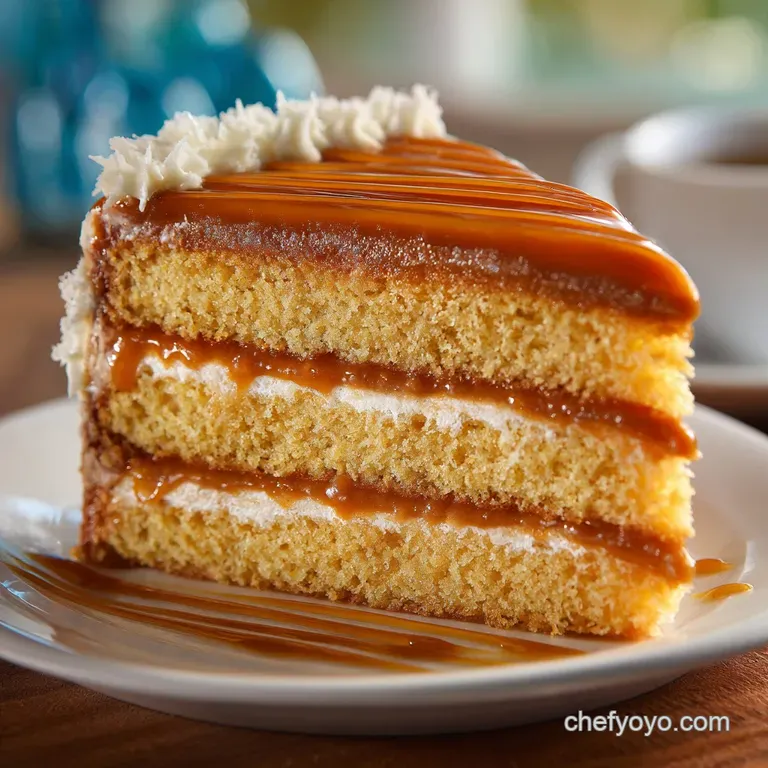
The cakes themselves are pretty standard, but there are a few tips to ensure they come out airy, not dense.
Mixing Method Mastery: Avoiding Over and Development
We use the standard creaming method, but patience is key. Cream the butter and sugar until the mixture is pale yellow and visibly fluffy (5– 7 minutes). This incorporates essential air. When you alternate adding the dry ingredients and the buttermilk, you must mix only until just combined.
The moment you see the flour disappear, stop. Overmixing develops gluten, and we need a tender crumb, not a tough, chewy one.
Achieving the Ideal Uniformity and Level Tops
The secret to a beautifully level layer cake? Use a kitchen scale. Divide the batter into your three prepared pans precisely. They will bake more evenly. I also recommend using cake strips (or wrapping damp kitchen towels around the outside of the pans) to ensure the sides don't set before the middle, which prevents those frustrating domes.
Related Recipes Worth Trying
- The SixMinute Bobs Your Uncle Microwave Sea Salt Caramels Recipe — Make perfect Microwave Caramels with zero fuss Using condensed milk and the microwave means you get chewy rich sweet snacks in under 10 minutes active time...
- Grandmas Golden Glory Foolproof Southern Squash Casserole Recipe — This Southern Squash Casserole recipe guarantees creamy filling and a crunchy Ritz cracker topping without the soggy bottom We include the key step to...
- The Easiest Chewy Cake Mix Cookie Bars Recipe Ready in 30 Minutes — Forget faff These foolproof Cake Mix Cookie Bars are the ultimate kitchen shortcut Get rich buttery chewy Cake Mix Bars in under an hour total perfect for a...
The Crucial Process for the Traditional Southern Caramel Cake Frosting
Okay, deep breaths. This is where we earn our baking stripes.
Monitoring Temperature: The Difference Between Fudge and Failure
First, you caramelize 2 cups of the sugar dry. This takes time, and you must watch it like a hawk. Once it’s a deep amber, you slowly, carefully pour in the evaporated milk. It will violently bubble and spit. Stand back! Stir until that caramel has completely dissolved.
Next, you add the remaining sugar, butter, and salt, and bring it back to a boil. This is thermometer time. We are aiming for 238 240° F (Soft Ball Stage) . If you pull it off too soon, the frosting will be too soft and won't set.
If you pull it off too late (say, 245°F), it will turn into crunchy fudge, which is great, but not easily spreadable on a cake.
The Moment of Truth: Whipping the Frosting to Spreadable Consistency
Once the mixture hits 240°F, take it off the heat immediately, stir in the vanilla, and let it cool. It must cool down substantially to about 110° F (lukewarm) —before you begin beating. If you beat it hot, it won't crystallize correctly and will just stay liquid.
If you let it cool too much (below 100°F), it will seize immediately.
Warning: You must transfer the cooled caramel mixture to your stand mixer and start beating on medium and high speed. The transformation is fast. It will lighten in colour and thicken rapidly. Beat only until it loses its glossy sheen and is visibly thick and slightly grainy. Stop the mixer, scoop it onto the cake, and run . This stuff sets like concrete, so every second counts.
Advanced Tips and Troubleshooting the Caramel Frosting
We all have bad days with cooked icing. I’ve thrown away my fair share. Don’t panic; just learn the fix.
- It’s Gritty: This means sugar crystals formed. Did you wash down the sides of the pan when you made the initial caramel? If it’s very gritty, you might need to start over. If it's only slightly gritty, the friction of beating it can sometimes smooth it out.
- It Seized (Turned into a Hard Ball): You either overcooked it (too high a temperature) or you beat it too long in the mixer. To potentially salvage it, put the hardened frosting back in the saucepan with 1/4 cup of fresh evaporated milk. Heat gently, stirring constantly, until it melts. Then try cooling and beating it again. You get one second chance.
Nutritional Breakdown and Serving Suggestions
Let’s be honest: you aren't eating this for the fiber. This is pure celebration. This cake is rich, dense with calories and sugar, and worth every single bite. Don't worry about the carbs; worry about which layer you get.
Exploring Variations on the Southern Caramel Cake Theme
Once you’ve mastered the classic, you can start playing around.
What to Do If Your Frosting Seizes or Becomes Gritty
If the whole batch of frosting turns into a giant, sugary rock, turn it into Caramel Bark! Pour the melted (but seized) caramel onto parchment paper, sprinkle it with pecans or flaky salt, let it cool completely, and then break it into pieces. Zero waste, maximum snackage.
Storage and Longevity: Keeping the Cake Fresh for Days
The beauty of this cooked frosting is that it helps the cake keep incredibly well.
- Countertop Storage: This cake is best stored at cool room temperature (below 70°F). Keep it covered with a cake dome. The frosting acts as a fantastic seal, keeping the layers moist for 3 to 4 days.
- Refrigeration: If you must refrigerate, wrap it tightly. Allow it to come back to room temperature for at least an hour before serving, as the frosting gets rock and hard when cold.
Classic Pairings: A Strong Cup of Coffee or Sweet Tea
You need something robust to cut the intense sweetness. A very strong, hot cup of black coffee is perfection. Otherwise, iced sweet tea is the quintessential Southern pairing. The chill and slight bitterness balance the deep caramel notes perfectly.
Adding Pecans or a Spice Layer for Extra Complexity
Want to jazz it up? I’ve got you covered.
- Nuts: Finely chop toasted pecans and fold them directly into the frosting right before you spread it.
- Spice: Add 1 teaspoon of ground cinnamon and a dash of nutmeg to your cake batter to turn this into a caramel spice cake. It’s perfect for autumn gatherings.
- Booze: Swap 1 tablespoon of the buttermilk in the cake layers for a good splash of bourbon. Trust me on that one.
Recipe FAQs
My caramel frosting seized up on me! How do I stop it turning into a sugary lump?
This is a common pickle, often caused by either cooking the mixture past the crucial soft ball stage (238 240°F) or by sugar crystals forming on the sides of the pot. Ensure you use a reliable candy thermometer and diligently wipe the pot walls with a wet pastry brush during the caramelisation process to prevent crystallization.
This Southern Caramel Cake is huge! How long will it keep, and should I put it in the fridge?
Because of the unique cooked frosting, this cake actually stores beautifully at cool room temperature (covered) for up to 4 days; refrigeration is generally avoided as it can sadly dry out the delicate cake layers, making them a bit of a disappointment.
The recipe calls this "hard" is making a proper Southern Caramel Cake truly worth all the faff?
It absolutely requires patience and a steady hand (especially with the cooked frosting!), but the intense, fudgy caramel flavour achieved through this traditional method is incomparable and makes this cake a genuine showstopper worthy of any high tea or Sunday lunch.
Can I use regular plain flour instead of cake flour for the layers?
You can certainly substitute plain all-purpose flour for convenience, but using cake flour guarantees that light, delicate Southern crumb we're aiming for; if substituting, measure 2 ½ cups of all-purpose flour for every 3 cups of cake flour listed to achieve a sturdy but tender result.
Good heavens, this must be a proper indulgence are there any healthier ways to approach this recipe?
This recipe is decidedly an indulgence, so consider portion control (serving 14 instead of 12) or try swapping the buttermilk for low-fat buttermilk and using a smaller layer cake configuration to manage the overall richness.
Authentic Southern Caramel Layer Cake
Ingredients:
Instructions:
Nutrition Facts:
| Calories | 575 kcal |
|---|---|
| Fat | 28 g |
| Fiber | 1 g |
