Authentic Tres Leches Cake Recipe
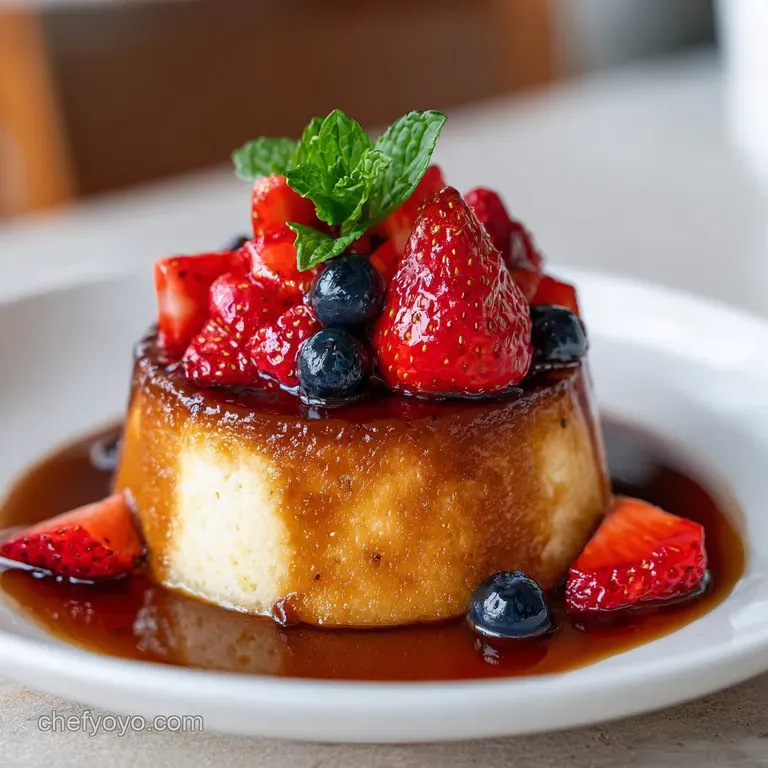
- Time: Active 25 minutes, Passive 30 minutes, Total 55 minutes
- Flavor/Texture Hook: Silky, milky crumb with a cooling cinnamon finish
- Perfect for: High energy summer parties or vibrant family celebrations
- Mastering the Ultimate Tres Leches Cake Recipe
- The Science of Liquid Absorption
- Component Analysis of the Sponge
- Essential Elements for Success
- Tools for a Flawless Bake
- Step-by-Step Culinary Walkthrough
- Solving Texture and Flavor Issues
- Scaling the Batch Size
- Kitchen Myths Debunked
- Storage and Waste Reduction Tips
- Vibrant Plating and Serving Ideas
- Recipe FAQs
- 📝 Recipe Card
Mastering the Ultimate Tres Leches Cake Recipe
The first time I tried a real pastel de leches, I was wandering through a humid street market where the air smelled of roasted corn and diesel. I found a small stall tucked between vibrant textile displays, and the vendor handed me a cold, heavy slice on a paper plate.
The contrast was instant - the scorching sun against that icy, milky crumb that practically dissolved on my tongue with a hint of warm cinnamon.
Honestly, I used to think this cake was just "soggy bread," but I was so wrong. It is about the structural integrity of the sponge meeting a precise ratio of liquids. We are going for a velvety saturation, not a mushy mess.
This version uses a specific egg separation technique to ensure the cake acts like a literal sponge, ready to drink up every drop of that sweetened cream.
The Science of Liquid Absorption
Osmotic Saturation: The high sugar content in the milk mixture draws liquid into the protein rich sponge cells through osmotic pressure. This ensures the cake stays moist without the crumb structurally collapsing into a paste.
| Method | Cook Time | Texture | Best For |
|---|---|---|---|
| Standard Oven | 30 minutes | Golden, sturdy crust | Traditional presentation |
| Steamed (Stovetop) | 45 minutes | Ultra pale, pudding like | Maximum moisture seekers |
We usually stick to the oven method because that slight golden crust provides a necessary toasted flavor contrast to the sweet milk. If you find yourself craving more variety in your baking repertoire, the technique of whipping egg whites for volume is very similar to what I use in my Classic Tres Leches recipe, which focuses on a slightly more traditional family style approach.
Component Analysis of the Sponge
| Ingredient | Science Role | Pro Secret |
|---|---|---|
| 5 Large Eggs | Protein Structure | Use room temp eggs for 20% more volume |
| 190g All Purpose Flour | Starch Scaffold | Sift twice to prevent heavy flour clumps |
| 14 oz Condensed Milk | Viscosity & Sweetness | Chill before mixing to thicken the soak |
Essential Elements for Success
Right then, let's look at what we are working with. You'll need 190g all purpose flour and 7g baking powder for the lift. We use 2g fine sea salt to cut through the sugar, and 5 large eggs, which you must separate carefully. For the sweetness, grab 200g granulated sugar and 15ml pure vanilla extract.
The liquid base for the cake itself needs 80ml whole milk.
The "three milks" consist of 14 oz sweetened condensed milk, 12 oz evaporated milk, and 60ml heavy cream. For that cloud like topping, we use 475ml heavy whipping cream (keep it ice cold!), 30g powdered sugar, and 1 tsp ground cinnamon for that signature dusty finish.
| Original Ingredient | Substitute | Why It Works |
|---|---|---|
| Whole Milk | Oat Milk | Similar fat profile. Note: Adds a subtle toasted grain flavor |
| White Sugar | Light Brown Sugar | Adds moisture. Note: Will darken the sponge color |
| Heavy Cream (Soak) | Coconut Milk | Full fat version only. Note: Adds a tropical, nutty undertone |
If you are a fan of textures that lean into the buttery side of life, you might notice the crumb here is quite different from the short crust style found in The Flaky Foolproof recipe. While a pie crust relies on cold fat pockets, this cake relies entirely on air and liquid.
Tools for a Flawless Bake
You don't need a professional lab, but a few things make life easier. A stand mixer is your best friend for getting those egg whites to the right peak. You'll also need a 9x13 inch glass baking dish, which is better than metal here because it doesn't react with the milk during the long soak.
A sturdy whisk and a silicone spatula are non negotiable for the folding process.
Chef's Note: Use a bamboo skewer rather than a fork to poke holes in the cake. It creates cleaner channels that allow the milk to travel straight to the bottom without tearing the delicate surface.
step-by-step Culinary Walkthrough
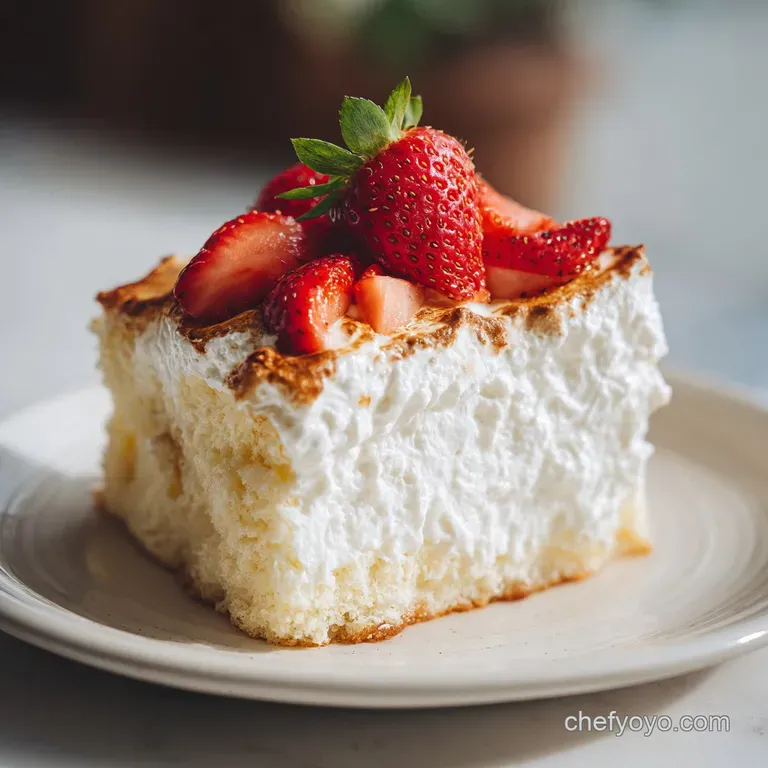
- Preheat and Prep. Set your oven to 350°F (180°C) and grease your 9x13 dish. Note: Don't over grease or the sponge will slip.
- Whisk Dry Ingredients. Combine 190g flour, 7g baking powder, and 2g salt.
- Whip the Yolks. Beat 5 egg yolks with 150g sugar until pale and thick.
- Whip the Whites. In a clean bowl, beat 5 egg whites with the remaining 50g sugar until stiff, glossy peaks form.
- Fold Gently. Stir 15ml vanilla and 80ml milk into yolks, then alternate folding in flour and whites. Note: Use a "figure-8" motion to keep the air in.
- Bake the Base. Pour into dish and bake 30 minutes until a toothpick comes out clean.
- Create the Channels. Let the cake cool for 10 minutes, then poke holes every half inch.
- Mix the Soak. Whisk 14 oz condensed milk, 12 oz evaporated milk, and 60ml heavy cream.
- Execute the Saturation. Pour the milk mixture slowly over the warm cake. Note: Start at the edges and move inward.
- Chill and Top. Refrigerate for at least 4 hours. Whip 475ml heavy cream with 30g powdered sugar until stiff peaks shatter slightly, spread over cake, and dust with 1 tsp cinnamon.
Solving Texture and Flavor Issues
Why Your Sponge Collapsed
A sunken center usually means you opened the oven door too early or didn't whip the egg whites to a true stiff peak. If the air bubbles aren't strong enough, the weight of the flour will crush them as the heat expands the gasses.
Solving the Leaking Milk Issue
If you see a pool of milk that won't absorb, the cake might have been too cold when you poured the liquid. The cake should be warm (not hot) to help the fibers expand and drink up the mixture.
| Problem | Root Cause | Solution |
|---|---|---|
| Rubberwy texture | Over mixing flour | Fold by hand only until no white streaks remain |
| Too sweet | Condensed milk ratio | Increase evaporated milk by 2oz to dilute sugar |
| Dry center | Shallow poking | Push skewer all the way to the bottom of the pan |
Common Mistakes Checklist
- ✓ Never skip sifting the flour; it prevents heavy lumps in the foam.
- ✓ Use a stainless steel or glass bowl for whites (plastic hides grease that kills volume).
- ✓ Let the cake cool for exactly 10-15 minutes before soaking.
- ✓ Chill the finished cake for a full 4 hours; patience is the main ingredient here.
Scaling the Batch Size
To make a half batch, use an 8x8 inch square pan and reduce the baking time by about 5 minutes. Since the recipe calls for 5 eggs, beat the fifth egg in a small cup and use half of it by weight.
When scaling up for a party (2x), use two separate 9x13 pans rather than one giant one. Large batches of sponge can become dense in the middle if the pan is too deep. Keep your spice levels at 1.5x instead of doubling to prevent the cinnamon from overpowering the delicate milk.
| Tier | Guest Count | Pan Size | Milk Total |
|---|---|---|---|
| Standard | 12 people | 9x13 inch | 32 oz total |
| Party Size | 24 people | Two 9x13 inch | 64 oz total |
| Budget Choice | 12 people | Store brand milks | Save $4-6 |
Kitchen Myths Debunked
Many people believe you must use a box mix to get the right "sturdy" texture for a leches cake recipe. That's a myth. A homemade sponge with separated eggs is actually more durable because you control the protein structure.
Another common misconception is that the cake will get "soggy" if it sits for more than a day. In reality, the starches in the flour continue to gel and set, meaning the cake actually tastes better and holds its shape more firmly after 24 hours in the fridge.
Storage and Waste Reduction Tips
Store this cake in the fridge, covered tightly with plastic wrap or a lid, for up to 4 days. I don't recommend freezing the fully soaked cake as the dairy can separate and become grainy upon thawing. However, you can freeze the un soaked sponge for up to 3 months.
If you have leftover milk mixture that didn't fit in the pan, don't toss it! It makes an incredible creamer for your morning coffee or a base for a quick bread pudding. Any cake scraps can be pulsed in a blender with a little extra cream to make "Tres Leches" cake pops or a vibrant milkshake.
Vibrant Plating and Serving Ideas
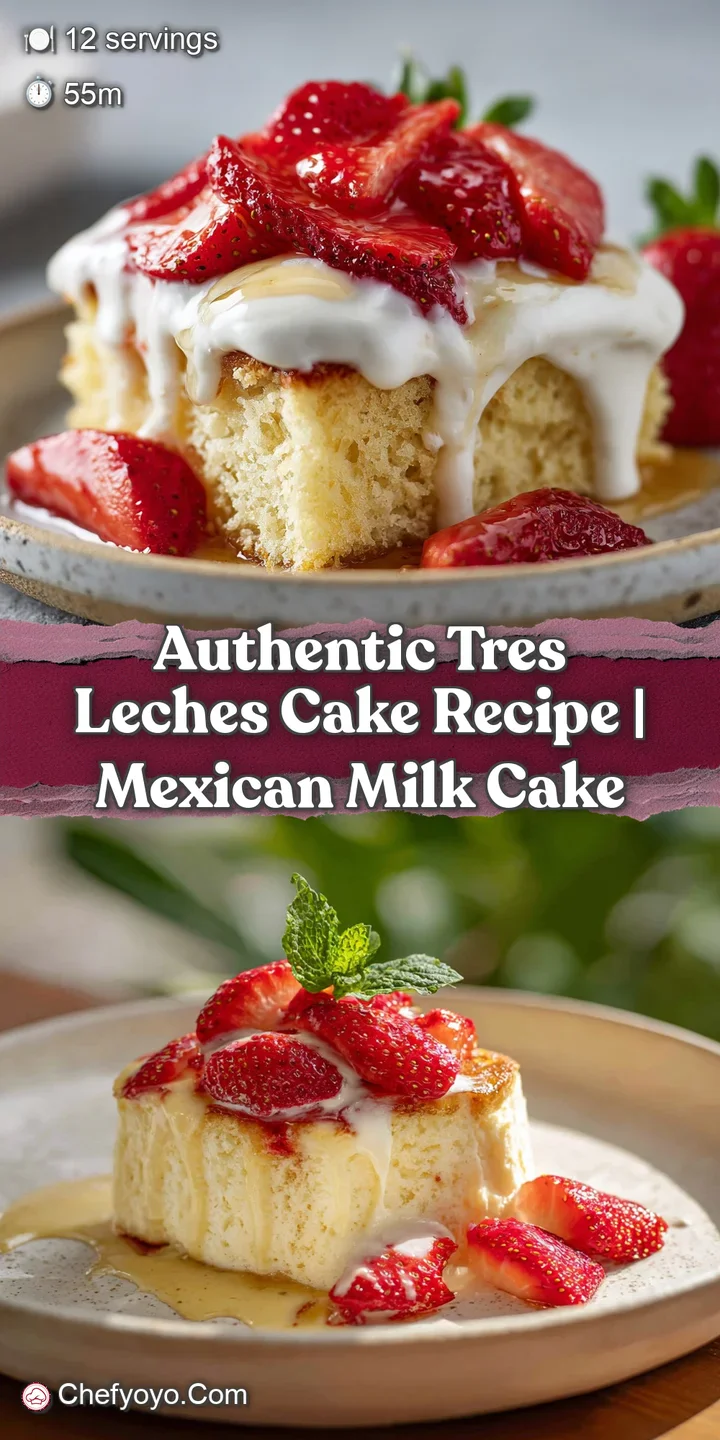
To make this look like it came from a high end bistro, serve each slice with a few macerated strawberries or a sprig of fresh mint. The bright red of the berries provides a stunning visual contrast to the snowy white whipped cream.
If you want to go bold, top the cake with toasted coconut flakes or a drizzle of salted caramel. The salty sweet combo works wonders against the creamy backdrop. For a street food vibe, serve it in small clear cups so guests can see the beautiful saturated layers of the sponge.
Whatever you do, make sure it stays cold until the very moment it hits the table!
Recipe FAQs
What are the ingredients in tres leches cake?
Sponge and Soak: The sponge requires flour, sugar, eggs, vanilla, and whole milk; the soak uses condensed milk, evaporated milk, and heavy cream. For the topping, you need cold heavy whipping cream and powdered sugar. If you enjoyed mastering the aeration technique for the sponge here, see how the same principle works in our How to Make Cake Pops recipe for structurally sound centers.
How long should tres leches soak?
At least 4 hours, ideally overnight. The cake needs significant time for the osmotic pressure to fully draw the milk mixture into the crumb structure. A longer soak ensures the center isn't dry while the edges remain perfectly saturated and silky.
What is the best cake to use for tres leches?
A light, airy sponge cake made with whipped egg whites (chiffon or Genoise style). This structure is essential because it creates millions of tiny air pockets that act like sponges to absorb the heavy liquid without collapsing into mush.
Why don't tres leches get soggy?
They don't get soggy; they become "velvety saturated" due to starch gelatinization. As the cake chills, the starches in the flour absorb the liquid mixture, which stiffens the crumb slightly, preventing structural breakdown.
Can I use a different type of milk in the soak?
Yes, but full fat dairy substitutes are necessary for the correct texture. You can swap evaporated milk for full fat coconut milk, but avoid using thin, low-fat milks, as they lack the necessary fat and sugar content to create the signature rich mouthfeel.
Should I pour the milk soak over a hot or cold cake?
Pour the milk soak over a warm cake, immediately after baking and poking holes. The slight warmth helps the sponge fibers expand quickly to absorb the liquid effectively before it cools and tightens up.
Do I have to use canned milk for the three milks mixture?
Yes, canned condensed and evaporated milk are mandatory for authenticity. These products have reduced water content and high sugar concentration, which are crucial chemical components for achieving the correct flavor balance and desired level of saturation.
Authentic Tres Leches Cake Recipe 2
Ingredients:
Instructions:
Nutrition Facts:
| Calories | 462 kcal |
|---|---|
| Protein | 10.1 g |
| Fat | 23.3 g |
| Carbs | 51.8 g |
| Fiber | 0.4 g |
| Sugar | 43.2 g |
| Sodium | 184 mg |
