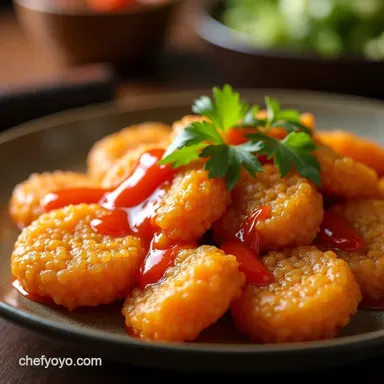
Ultimate Homemade Spicy Korean Rice Cakes Tteokbokki
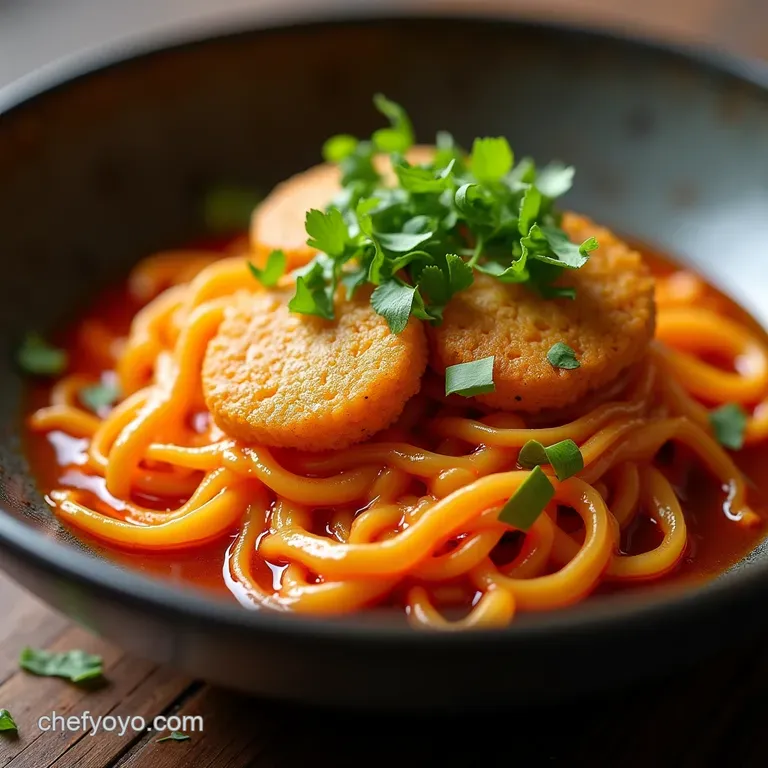
- Ditching Store-Bought: Crafting the Definitive Spicy Korean Rice Cake Experience
- Why This Tteokbokki Recipe Outshines the Rest
- Assembling the Arsenal: Essential Components for Killer Flavor
- Mise en Place Mastery: Preparing Your Tteokbokki Components
- The Alchemy of the Sauce: Step-by-Step Flavor Construction
- Simmering to Perfection: Achieving that Signature Sticky Consistency
- Troubleshooting and Customization for Every Palate
- Recipe FAQs
- 📝 Recipe Card
Ditching store-bought: Crafting the Definitive Spicy Korean Rice Cake Experience
There is a specific kind of deep, satisfying warmth that only a bowl of perfectly executed Tteokbokki can provide. For those unfamiliar with the nuances of Korean cuisine, this vibrant dish often characterized by its intense red hue and chewy texture is the ultimate street food champion.
It’s that glorious, chewy rice cake swimming in a fiery, sweet, and utterly addictive sauce. It’s the kind of dish that warms you up better than a good strong cup of builder’s tea on a chilly afternoon.
While many recipes out there rely on pre-made pastes, we’re going to create a truly brilliant, balanced sauce from scratch. Don't worry; it’s easier than wrestling a particularly stubborn jar lid.
This comprehensive Tteokbokki Recipe elevates the humble snack into a rich, memorable meal. In fact, by mastering the fundamentals especially the broth you’ll find making Yummy Tteokbokki at home is far superior to anything pre-packaged.
Forget limp, bland rice cakes! This recipe delivers perfectly chewy garae tteok bathed in a rich, balanced sauce that hits all the right notes: spicy from gochugaru, sweet from sugar and syrup, savoury from anchovy stock, and deep with umami from gochujang.
It’s the quintessential Korean Comfort Food Recipes —a fiery, flavourful hug in a bowl.
Why This Tteokbokki Recipe Outshines the Rest
Achieving perfection in this dish hinges on two main pillars: texture and flavour balance. This is rated Medium difficulty, not because the technique is inherently hard, but because achieving that perfect sauce balance requires careful attention to the gochujang to sugar ratio, and the preparation of the base stock adds an essential step that many novice recipes skip entirely.
However, if you follow the stock instructions, the payoff is immense!
The Allure of Authentic Garae Tteok Texture
The foundation of any great Tteokbokki lies in the star ingredient: the Korean rice cakes, known as garae tteok . These are typically dense, cylindrical logs. If they’ve been sitting in the fridge, a quick 10-minute soak in warm water before cooking is crucial.
This step ensures they absorb the sauce evenly and soften beautifully without splitting during the simmer. We aim for a texture that is satisfyingly chewy tender on the inside but retaining that signature bounce which is what makes eating Korean Rice Cakes so satisfying.
Balancing Fire and Sweetness: Our Secret Sauce Philosophy
The soul of this Spicy Korean Street Food lies entirely in the sauce. We are building layers of flavour, not just dumping in chilli paste. Our recipe blueprint requires a balance where the heat (from gochugaru ) is tempered by sweetness (sugar and syrup) and grounded by deep savoriness (soy and fish sauce).
Using high-quality gochujang (Korean chilli paste) is non-negotiable, as it brings fermented complexity, not just raw heat.
Korean Street Food Glory, Reimagined for Your Kitchen
This preparation takes about 20 minutes of active prep time and another 25 minutes of cooking, culminating in about 45 minutes total time for 4 generous servings.
We achieve that signature sticky consistency and glossy sheen usually found only on bustling Seoul street corners by blooming our spice paste briefly over heat before adding the liquid base. This simple technique ensures that every bite of this delicious dish sings.
Assembling the Arsenal: Essential Components for Killer Flavor
Before we dive into How to make Tteokbokki , gathering your components is key to a smooth cooking experience. The most crucial element distinguishing this from simpler versions is the traditional anchovy and kombu stock.
While you can use water or chicken broth, skipping this step deprives the final product of the authentic, deep umami that defines exceptional Tteokbokki .
Mise en Place Mastery: Preparing Your Tteokbokki Components
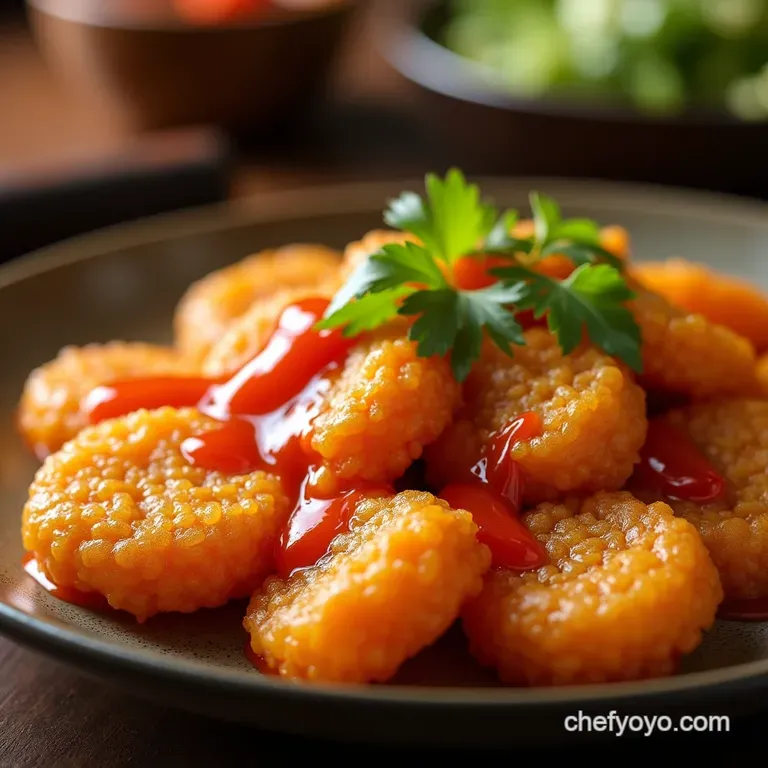
With 20 minutes dedicated to prep time, let's organize our workspace. We need a medium stockpot for the broth and a large, wide skillet or shallow pot for the final assembly, as the wide surface area encourages the sauce to reduce evenly around the rice cakes.
The Foundation: Selecting Perfect Rice Cakes and Broth Base
For the stock, we begin by gently simmering 10 large, gutted dried anchovies and a 4x4 inch piece of dried kombu (seaweed) in 5 cups of cold water. It is vital to bring this mixture slowly to a simmer.
Once small bubbles appear, immediately remove the kombu boiling kombu releases a slimy texture we want to avoid. Continue simmering the anchovies for about 15 minutes. Strain this liquid; you should yield approximately 2.5 cups of flavourful stock, which is essential for the recipe.
Separately, ensure your 1.5 lbs of garae tteok are soaking in warm water to begin softening.
Crafting the Umami Bomb: Key Ingredients for the Scratch Sauce
The sauce requires precision. We are combining 1/3 cup of rich gochujang , 2 tablespoons of bright red gochugaru (Korean chilli flakes adjust this for your preferred heat level), 2 tablespoons of light soy sauce, 2 tablespoons of granulated sugar, 1 tablespoon of light corn syrup (which adds that signature glossy finish), and 1 tablespoon of freshly minced garlic.
Whisk these elements until you have a uniform, thick paste.
Optional Upgrades: Incorporating Savory Add-Ins Like Gnocchi Substitutes
While the classic dish focuses on the rice cakes, many delicious additions can be folded in. We are incorporating about 1 cup of roughly chopped cabbage and 3 scallions cut into 2 inch pieces (reserving the green parts for the end).
If you are adding extras like sliced fish cakes (eomuk) or boiled eggs, have them ready to go near the final stage.
The Alchemy of the Sauce: step-by-step Flavor Construction
This is where technique transforms simple ingredients into deep flavour. Once the stock is ready and the rice cakes are soaking, we move to the wide skillet. Add all your sauce base ingredients to the dry pan. Incorporate just about 1/2 cup of your fresh anchovy stock and whisk vigorously until the paste smooths out.
Now, place this mixture over medium heat. Cooking this paste for just one minute, stirring constantly, is key this process "blooms" the spices, releasing their fat-soluble flavour compounds and deepening the overall profile of the Easy Tteokbokki Sauce .
Simmering to Perfection: Achieving that Signature Sticky Consistency
With the flavour base bloomed, the remaining liquid is introduced, and the cooking phase begins in earnest.
Building Blocks: Mixing the Gochujang, Gochugaru, and Sweeteners
We already created the blended paste and bloomed it. Now, pour in the remaining stock (approximately 2 cups) along with 1 teaspoon of fish sauce. The fish sauce introduces a necessary salty funkiness that rounds out the sweetness perfectly. Bring this mixture to a rolling boil over medium high heat.
The Initial Boil: Softening the Rice Cakes Without Ruin
Once boiling, drain your softened rice cakes and immediately add them to the simmering liquid. Reduce the heat slightly to a steady medium low simmer. Stir frequently, using a wooden spoon to gently scrape the bottom, preventing the sticky cakes from adhering and burning.
This initial simmering phase takes about 10 to 12 minutes, during which the cakes absorb the liquid and begin to soften.
Combining Elements: Letting the Flavors Meld into True Tteokbokki
After the initial softening, it’s time to introduce texture and vegetable bulk. Stir in the chopped cabbage and the white parts of the scallions. Continue cooking for another 3 to 5 minutes.
You are looking for the sauce to visibly cling to the rice cakes it should coat them heavily, reducing in volume until it achieves that signature sticky, slightly caramelized texture.
Final Sizzle: Incorporating Eggs, Fish Cakes, and Greens
In the final minute of cooking, toss in the green tops of the scallions and a final drizzle of sesame oil for fragrance. If you are adding pre-cooked fish cakes or hard boiled eggs, they should be added here just long enough to heat through and get lightly coated in the vibrant sauce.
Serve immediately while piping hot to fully appreciate the chewiness of the Korean Rice Cake Recipe .
Troubleshooting and Customization for Every Palate
Even with a perfect blueprint, sometimes modifications are needed, especially when introducing this fiery dish to friends who may not share your tolerance for spice.
Taming the Heat: Adjusting Spice Levels for Mild Lovers
If the initial dose of gochugaru proves too much, don't panic. The easiest way to temper the heat without destroying the flavour profile is to slightly increase the amount of sugar and corn syrup you use next time, or by adding a tablespoon of water or extra stock during the final reduction stage.
For a quick fix in the moment, stir in a small spoonful of honey or even a splash of unsweetened milk or cream if you don't mind altering the texture slightly.
The Creamy Conundrum: Adapting This Dish to a 'Creamy Tteokbokki'
For those who adore the rich texture of a modern café style dish, adapting this recipe to a Creamy Tteokbokki is simple. In Step 10, once you add the green onions, stir in about 1/2 cup of heavy cream or a slice of processed cheese (yes, the American kind works wonders for melt!).
Stir gently until melted and velvety smooth before serving.
Keeping Leftovers Fresh: Storing and Reheating Your Fiery Sauce
This dish is famously good the next day, though the rice cakes can stiffen slightly. Store any leftovers in an airtight container in the refrigerator for up to three days. To reheat, transfer the Tteokbokki to a small pan and add a few tablespoons of water or stock to loosen the sauce.
Simmer gently until the sauce loosens and the cakes are pliable again.
Beyond the Basics: Exploring Tibok Tibok Inspired Additions
To explore variations inspired by other regional delights, consider adding ramen noodles (making it rabokki ) during the final 5 minutes of simmering, or stir in sweet potato noodles for a chewier texture reminiscent of Japchae.
This versatile sauce base is ready to embrace many additions, cementing its status in the realm of fantastic Comfort Food Recipes .
Recipe FAQs
Why is my Tteokbokki sauce not sticking to the rice cakes properly?
This usually happens when the sauce hasn't reduced enough, or if you haven't soaked your rice cakes beforehand. Make sure you simmer the sauce gently after adding the rice cakes, stirring occasionally, until it coats the back of a spoon thickly.
A little corn syrup in the sauce base also helps give it that necessary glossy adherence!
Can I skip making the traditional anchovy stock for this Tteokbokki recipe?
While you absolutely can use water or chicken broth in a pinch, the anchovy and kombu stock is what gives authentic Tteokbokki its deep, savoury backbone. Skipping it results in a much flatter flavour profile, rather than the rich experience we are aiming for.
My sauce is way too spicy! How can I tone down the heat without ruining the flavour?
Don't panic; it happens to the best of us! The easiest fix is to stir in a dollop of sugar or corn syrup, which counteracts the chilli burn. Alternatively, you can stir in half a cup of heavy cream or a slice of processed cheese if you fancy a modern, creamy twist it mellows the spice beautifully, much like adding milk to a strong cuppa.
How should I store leftovers, and are they good the next day?
Store any leftover Tteokbokki in an airtight container in the fridge for up to three days. Be aware that the rice cakes will absorb most of the sauce and can become quite firm upon cooling. To reheat, add a splash of water or stock and warm gently on the hob, stirring until the sauce loosens up again.
What can I add to this recipe besides cabbage and scallions to bulk it out?
Tteokbokki is fantastic for additions! Many folks love adding ramen noodles (Rabokki) or glass noodles towards the end of cooking. Hard boiled eggs are brilliant for soaking up that spicy sauce, and fish cakes (eomuk) are traditional additions that give it a wonderful texture contrast.
Spicy Tteokbokki From Scratch