Creamy Dill Dip Recipe with Fresh Dill
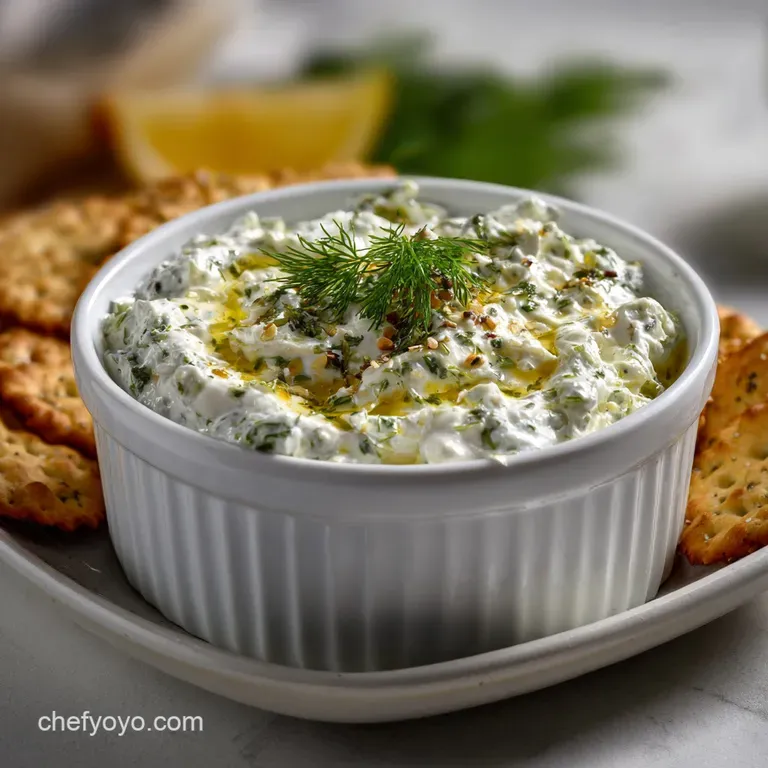
- Time: Active 10 minutes, Passive 2 hours, Total 2 hours 10 minutes
- Flavor/Texture Hook: Silky, tangy, and bright with a shatter-crisp herbal finish
- Perfect for: Summer garden parties, effortless meal prep, or a sophisticated appetizer
- Scientific Secrets for Flavor Depth
- Recipe Specifications and Yield
- Essential Component Analysis
- Proper Tool Selection
- Sequential Execution Steps
- Resolving Common Texture Issues
- Creative Botanical Variations
- Batch Expansion Logic
- Preservation and Zero Waste
- Service and Presentation Styles
- Expert Guidance and Clarifications
- Common Questions
- 📝 Recipe Card
Ever stood over a bowl of store-bought dip and wondered why it tastes like salted cardboard? I've been there, usually five minutes before guests arrive, frantically adding pinches of salt that never quite fix the problem. The issue isn't the salt, it's the lack of botanical depth and the wrong ratio of fats to acids.
This is why mastering this dill dip recipe is essential.
We are going to move past those plastic tubs. This dill dip recipe is about building layers, starting with a dense, creamy foundation and finishing with the sharp, grassy notes of fresh dill and chives. It’s a contemporary take on a classic that focuses on texture as much as taste.
Trust me, once you see how the lemon juice cuts through the richness of the cream cheese in this dill dip recipe, you'll never look back.
Let's crack on with the science and the steps. We’re going to use a mix of both fresh and dried herbs because, honestly, they do two different jobs. One provides the immediate "wow" factor, while the other builds a savory backbone during that crucial two-hour rest in the fridge.
It's a simple trick, but it makes all the difference in the world when executing this dill dip recipe.
Scientific Secrets for Flavor Depth
The Lipid Infusion: Fat molecules in the Philadelphia Cream Cheese and Daisy Sour Cream act as carriers for the volatile oils found in dill and garlic. When these herbs sit in the fat-rich base for two hours, the flavor compounds "bloom," spreading evenly throughout the mixture rather than staying trapped inside the herb pieces.
The stability of this emulsion is key to a successful dill dip recipe.
Cold Bloom Mechanism: Unlike heating spices in oil, cold blooming relies on time to allow the dried dill weed to rehydrate and release its concentrated aromatic esters into the water phase of the sour cream.
This creates a more rounded, lingering herbal note compared to using fresh herbs alone in a lesser dill dip recipe.
pH-Driven Textural Firming: The addition of fresh lemon juice lowers the pH of the mixture, which causes the proteins in the dairy to tighten slightly. This creates a velvety mouthfeel that holds its shape on a carrot stick without dripping, a hallmark feature of this particular dill dip recipe.
Recipe Specifications and Yield
| Metric | Detail |
|---|---|
| Yield | 16 servings |
| Serving Size | 2 tablespoons |
| Primary Texture | Velvety and thick |
| Flavor Profile | Tangy, herbaceous, savory |
| Temperature | Serve chilled (40°F or below) |
Chef's Note: For the most creative presentation, serve this in a hollowed out red bell pepper or a sourdough bread bowl. It adds a contemporary touch to a traditional herb dip. Enjoying this dill dip recipe with fresh bread is highly recommended.
Essential Component Analysis
| Ingredient | Chemical/Physical Role (Science) | The Pro Secret (Why This Matters) |
|---|---|---|
| 8 oz Cream Cheese | Structural emulsion base | Use full fat for a silky mouthfeel that resists weeping. |
| 1 cup Sour Cream | Acidic moisture balance | Provides the "tang" that balances the heavy fat of the cheese. |
| 1/4 cup Fresh Dill | Volatile aromatic delivery | Mince right before adding to prevent the leaves from bruising and oxidizing. |
| 1 tbsp Lemon Juice | Protein denaturation | Brightens the flavor profile and acts as a natural preservative. |
The Structural Base
The foundation of any successful herb dip recipes lies in the dairy. We use 8 oz full fat cream cheese Why this? High butterfat content ensures a stable emulsion that doesn't separate when cold. This provides the "cling" factor. Without it, your dip will just slide off the vegetable.
We pair this with 1 cup sour cream or 5% Greek yogurt to add liquidity and a sharp, lactic acid punch, improving the overall dill dip recipe.
The Botanical Profile
This is where the dill dip recipe gets its soul. We aren't just using one type of herb. The 1/4 cup fresh dill provides the bright, anise like top notes that hit your nose immediately.
Meanwhile, the 1 tbsp dried dill weed acts as a flavor anchor, providing a deeper, sun-dried earthiness that develops during the two-hour chill. Adding 2 tbsp fresh chives introduces a mild, onion like sulfur compound that rounds out the profile without the harshness of raw white onions.
This layering is what separates this from a mediocre dill dip recipe.
The Seasoning Matrix
To bridge the gap between the fat and the herbs, we need aromatics. We use 1 tsp garlic powder and 1/2 tsp onion powder rather than fresh cloves. Why? Fresh garlic can become overpoweringly bitter and "hot" as it sits in dairy. Powdered versions provide a consistent, savory hum.
The 1/2 tsp fine sea salt is essential for osmotic pressure, drawing just enough moisture out of the fresh herbs to integrate them into the cream, which is crucial for the final texture of the dill dip recipe.
Proper Tool Selection
To get that professional, aerated texture, you can't just stir this with a spoon and hope for the best. Mastering this dill dip recipe is about technique.
- KitchenAid Hand Mixer: Essential for whipping the cream cheese into a smooth, lump free state.
- Pyrex Glass Mixing Bowl: Non-reactive material ensures the lemon juice doesn't pick up a metallic taste.
- Microplane Slicer: If you decide to add lemon zest (highly recommended), this tool creates fine ribbons that vanish into the texture.
- Silicone Spatula: Best for folding in the fresh herbs without crushing their delicate cell walls.
Sequential Execution Steps
- Soften the base. Place 8 oz full fat cream cheese on the counter for 30 minutes until it reaches 65°F. Note: Prevents lumps in the final emulsion.
- Aerate the cheese. Use a KitchenAid hand mixer to beat the cream cheese in a Pyrex bowl for 2 minutes until it looks glossy and forms soft peaks.
- Integrate the moisture. Add 1 cup sour cream and 1 tbsp lemon juice to the bowl. Note: Acid starts the protein tightening process.
- Combine the dairy. Beat on medium speed for 1 minute until the mixture is completely uniform and no white streaks remain.
- Add dry aromatics. Sprinkle in 1 tbsp dried dill weed, 1 tsp garlic powder, 1/2 tsp onion powder, 1/2 tsp sea salt, and 1/4 tsp cracked black pepper.
- Whisk the spices. Incorporate the dry ingredients for 30 seconds until the white base turns a very pale speckled green. This step activates the dried elements for the dill dip recipe.
- Prep fresh botanicals. Mince 1/4 cup fresh dill and 2 tbsp fresh chives into 1/8 inch pieces. Note: Small pieces maximize surface area for flavor release.
- Fold gently. Use a silicone spatula to stir the fresh herbs into the base until they are evenly distributed throughout the cream.
- Initiate cold bloom. Cover the bowl tightly with plastic wrap and refrigerate for 2 hours. This rest period is mandatory for the best flavor profile in this dill dip recipe.
- Final check. Stir once before serving until the surface is smooth and the aroma of fresh dill is prominent.
Resolving Common Texture Issues
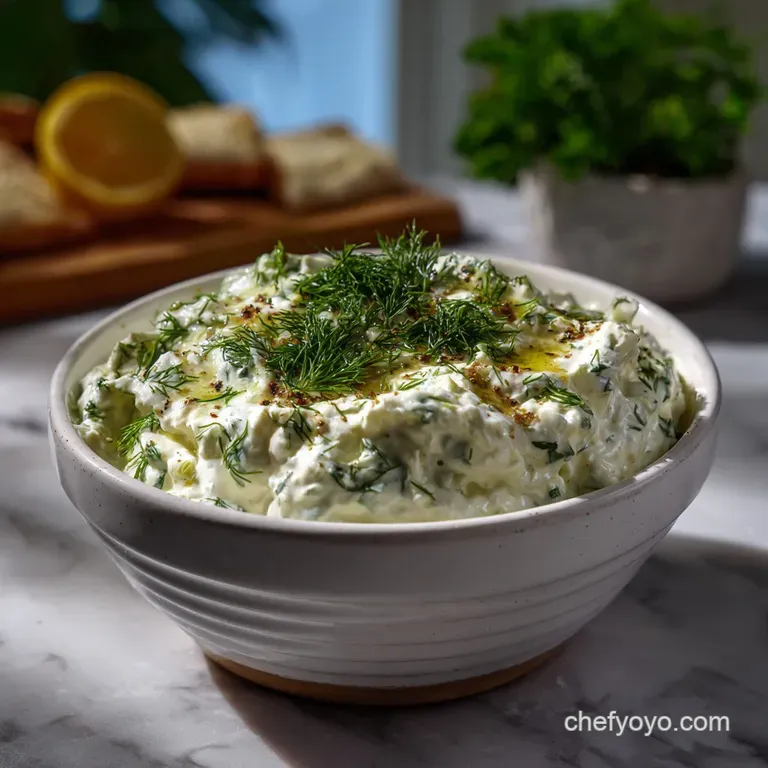
Making a homemade dill dip recipe is usually straightforward, but dairy can be fickle. If your dip isn't looking like the silky masterpiece you expected, it's usually a temperature or ratio issue. For instance, if you've ever dealt with a broken sauce, you know how frustrating emulsions can be, similar to the stability needed in a Country Gravy Recipe.
Why Your Dip Is Lumpy
If you see small beads of cream cheese, the fat was too cold when you started mixing. The cold fat won't bond with the water in the sour cream, creating "islands" of cheese. Achieving a smooth texture is the first major win for any dill dip recipe.
| Problem | Root Cause | The Fix | Pro Protocol |
|---|---|---|---|
| Grainy Texture | Cold cream cheese | Microwave in 5 sec bursts | Always use room temp dairy |
| Watery Consistency | Too much lemon/acid | Add 2 tbsp extra cream cheese | Whisk in a stabilizer slowly |
| Bland Aftertaste | Low salt or no rest | Chill for another hour | Increase salt by 1/8 tsp |
Why Your Dip Is Runny
Sometimes the dip looks more like a dressing. This usually happens if you over mix the sour cream or use a low-fat version. Sour cream is a delicate emulsion; if you beat it too hard, the protein structure collapses and releases its water.
If this happens, fold in a little more softened cream cheese to rebuild the structural integrity of your dill dip recipe.
Creative Botanical Variations
The beauty of this creamy dill dip recipe is how easily it adapts to different flavor profiles. You can take the core "fat-plus herb" logic and move it in several directions depending on what you're serving.
- The High Protein Greek Swap: Replace the sour cream with an equal amount of Chobani 5% Greek yogurt. This increases the protein content and adds a thicker, almost dough like consistency that is excellent for pita bread. This version of the dill dip recipe Greek yogurt is a favorite for those wanting a slightly tangier finish.
- The Spicy "Dilly" Kick: Fold in 1 tbsp of finely minced pickled jalapeños and a teaspoon of the pickling juice. The vinegar in the juice acts as a secondary acid, while the peppers provide a contemporary heat that cuts through the cream.
- The Smoked Seafood Variation: Fold in 2 oz of flaked smoked salmon or trout. The smokiness of the fish pairs perfectly with the lemon and dill, turning a simple veggie dip into a luxury appetizer.
Ingredient Substitution Table
| Original Ingredient | Substitute | Why It Works |
|---|---|---|
| Sour Cream (1 cup) | Full fat Greek Yogurt | Higher protein, thicker texture. Note: Increases tanginess significantly. |
| Fresh Chives | Green Onion Tops | Similar sulfur profile but slightly more pungent. |
| Lemon Juice | Apple Cider Vinegar | Provides necessary acidity but adds a fruity, fermented note. |
Batch Expansion Logic
Scaling this dill dip recipe for a crowd requires a bit of math, but it’s not a straight doubling of every ingredient.
- Scaling Up (2x or 4x)
- Flavor (Salt/Spices)
- If you double the dairy, only scale the salt and garlic powder to 1.5x. Spices can become overwhelming in large volumes due to the "flavor ceiling" of the dairy base.
- Leavening/Acid
- Scale the lemon juice exactly. The pH balance is critical for the texture to set properly in the fridge.
- Mixing
- If making a 4x batch, use a stand mixer with the paddle attachment. Working in large batches by hand often leads to uneven herb distribution, which ruins the experience of this large scale dill dip recipe.
Scaling Down (1/2): Texture: Use the same amount of lemon juice (1 tbsp) even for a half batch if you like it extra tangy, as smaller amounts of dairy can handle a higher acid ratio without breaking.
Time: Chilling time remains 2 hours regardless of size; the cold bloom process is a chemical reaction that isn't sped up by smaller volumes.
Preservation and Zero Waste
Storage: This dip thrives in the fridge for up to 5 days. Keep it in an airtight container to prevent it from absorbing the smells of other foods (like onions or leftovers). I don't recommend freezing it. When dairy emulsions freeze, the water crystals expand and break the protein bonds.
When it thaws, you'll be left with a grainy, separated mess a far cry from the ideal dill dip recipe.
Zero Waste: Don't throw away those dill stems! While we only use the feathery fronds for the dip, the stems are packed with flavor. Chop them roughly and toss them into a jar of pickles or use them to flavor a pot of boiling potatoes.
You can also save the lemon rinds; toss them into a bag in the freezer and use them later to make a citrus infused salt.
Science of Reuse: The leftover dip can be transformed into a sauce for grilled fish or chicken. Simply whisk in a splash of milk or heavy cream to thin it out. The fat in the cream cheese helps the sauce coat the protein, while the herbs provide an authentic, fresh finish.
This quick transformation keeps your kitchen running smoothly after you've enjoyed the primary dill dip recipe.
Service and Presentation Styles
When it comes to serving, think about contrast. You have a soft, velvety dip, so you need something with a "shatter" crunch. Presenting this dill dip recipe beautifully elevates the experience.
- The Ultimate Garden Platter: Surround the bowl with heirloom carrots, radishes, and blanched snap peas. The snap of the vegetables against the creamy dill dip recipe creates a perfect sensory balance.
- The Savory Protein Topping: This dip is surprisingly versatile as a condiment. Try a dollop on top of a freshly grilled burger patty recipe. The cold herb cream melting into the hot beef is a revelation.
- The Brunch Board: Serve it alongside smoked salmon, capers, and red onions. It’s a contemporary way to deconstruct a bagel platter. It actually pairs quite well as a savory side to something sweet, like a Cinnamon Rolls recipe, providing a necessary palate cleanser.
Expert Guidance and Clarifications
Comparison: Fast Mix vs. Classic Scratch
| Feature | store-bought Packet | This Homemade Recipe |
|---|---|---|
| Aroma | Dusty, muted | Vibrant, fresh, citrusy |
| Texture | Often chalky or thin | Thick, velvety, rich |
| Ingredients | Preservatives & MSG | 100% Whole foods |
Using Dried vs Fresh Herbs
Many people ask if they can just use one or the other. You can, but you'll lose a dimension of flavor. Fresh dill is high in "carvone," which gives it that bright, sweet smell. Dried dill loses most of its carvone but retains "limonene," which is more citrusy and deep.
By using both, you cover the entire spectrum of the herb's potential, which is the secret to a phenomenal dill dip recipe.
Prevention of Watery Dip
If you notice your dip getting watery after a day or two, it’s usually because the vegetables you dipped into it left behind moisture, or the salt drew water out of the fresh herbs. To fix this, simply give it a vigorous stir with a spoon to re-emulsify the liquids back into the fat base.
A quick stir can salvage an older batch of your dill dip recipe.
Preparing in Advance
This is actually one of those rare recipes that is better the next day. While the minimum chill time is 2 hours, 24 hours is the "sweet spot" where the garlic and dill have fully integrated into every molecule of the cream cheese.
If you're hosting a party, make this the night before and forget about it. It’s one less thing to worry about on the day of the event when relying on a proven dill dip recipe.
Nutritional Integrity
Since we are using full fat dairy, this dip is naturally low in carbohydrates but high in healthy fats. It's a great option for those following a ketogenic or gluten-free lifestyle. Just be sure to serve it with low-carb vehicles like cucumber slices or celery sticks instead of crackers if that's your goal.
You will find this version of the dill dip recipe much more satisfying than packaged alternatives.
Right then, you're ready to make the best dill dip recipe your kitchen has ever seen. Just remember: don't rush the chill time, use the best dairy you can find, and don't be afraid of the lemon juice. Let's get to the kitchen!
Myth: You should use a food processor to get it perfectly smooth. Truth: A food processor can actually "over shear" the sour cream, breaking the delicate fat globules and making the dip runny.
A hand mixer or a simple whisk is much safer for maintaining a thick, scoopable texture for this classic dill dip recipe.
Myth: Fresh dill is always superior to dried dill. Truth: For dips, a combination is best. Dried dill provides a consistent, savory base, while fresh dill provides the aromatic "high notes" that make the dish feel contemporary and alive.

Common Questions
how to make dill dip?
Soften dairy, mix dry/wet spices, fold in fresh herbs, and chill for two hours. The two-hour cold bloom rest period allows the dried dill to integrate fully, achieving the desired flavor depth. This technique ensures maximum flavor transfer from the botanicals to the fat base.
how to make dill dip with sour cream?
Use one cup of full fat sour cream as your primary liquid element. The sour cream provides necessary tang and moisture, balancing the density of the cream cheese base. If you're focused on protein, this recipe works well if you master the technique for stable emulsions, similar to our Greek Dressing: Authentic Homemade Vinaigrette Recipe.
how to make dill dipping sauce?
Add more lemon juice and thin with milk or buttermilk. A "sauce" requires lower viscosity than a "dip"; increase the acid content slightly to help loosen the proteins. This adjustment moves the dip towards a thinner consistency, akin to a ranch base, so whisk gently to avoid breakage.
how to make dill dip with greek yogurt?
Substitute sour cream with 5% or higher fat Greek yogurt. Greek yogurt provides more protein and a sharper tang, yielding a much thicker result. If you enjoyed mastering the flavor balancing in this recipe, apply the same principles of fat and acid cutting when preparing savory marinades, like in the Korean BBQ Sauce: Easy Recipe for Ultimate Bulgogi Marinade.
how to make dill dip without sour cream?
Replace sour cream 1:1 with full fat Greek yogurt for tang. Using yogurt increases protein content, which tightens the structure slightly. Always ensure the yogurt is room temperature before mixing to avoid temperature shock causing clumps.
Can I use dried dill only?
No. Dried dill lacks the necessary bright aromatics. Dried dill provides deep, savory undertones, while fresh dill delivers the immediate, grassy top notes essential for a vibrant dip. The two herbs perform distinct roles in the final flavor profile.
Why did my dip separate after chilling?
Over mixing the dairy components caused emulsion failure. Vigorous whisking breaks the fat/water matrix in the cream cheese and sour cream, releasing free liquid when cold.
- Bring dairy fully to room temperature
- Whip cheese first until soft peaks form
- Fold in liquids gently with a spatula
Best Dill Dip Recipe
Ingredients:
Instructions:
Nutrition Facts:
| Calories | 80 kcal |
|---|---|
| Protein | 1.2 g |
| Fat | 7.8 g |
| Carbs | 1.4 g |
| Fiber | 0.1 g |
| Sugar | 1.1 g |
| Sodium | 86 mg |
