Prime Rib Roast: Garlic Butter Crust
- Time: Active 40 minutes, Passive 2 hours 30 mins, Total 3 hours 10 mins
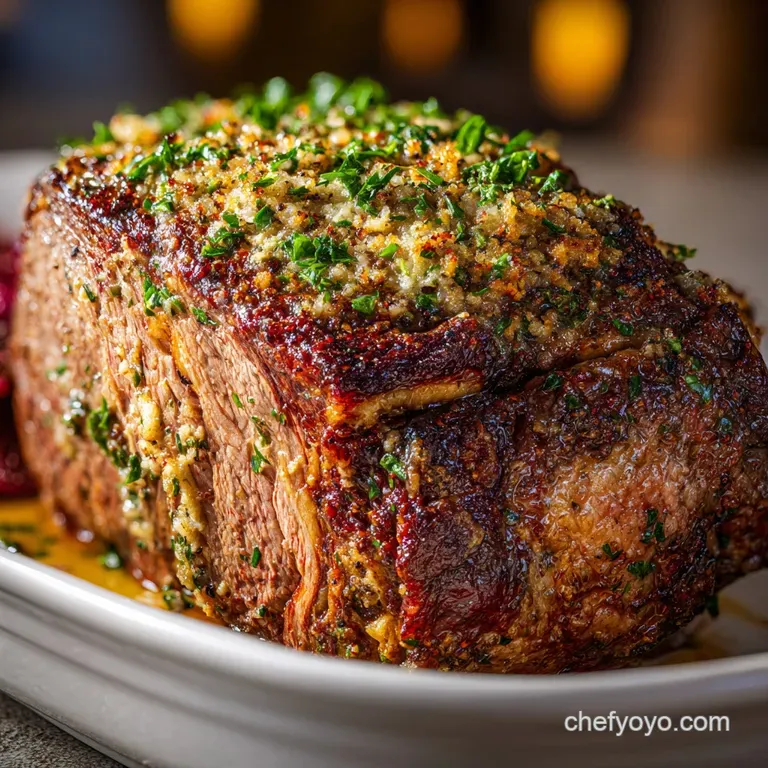
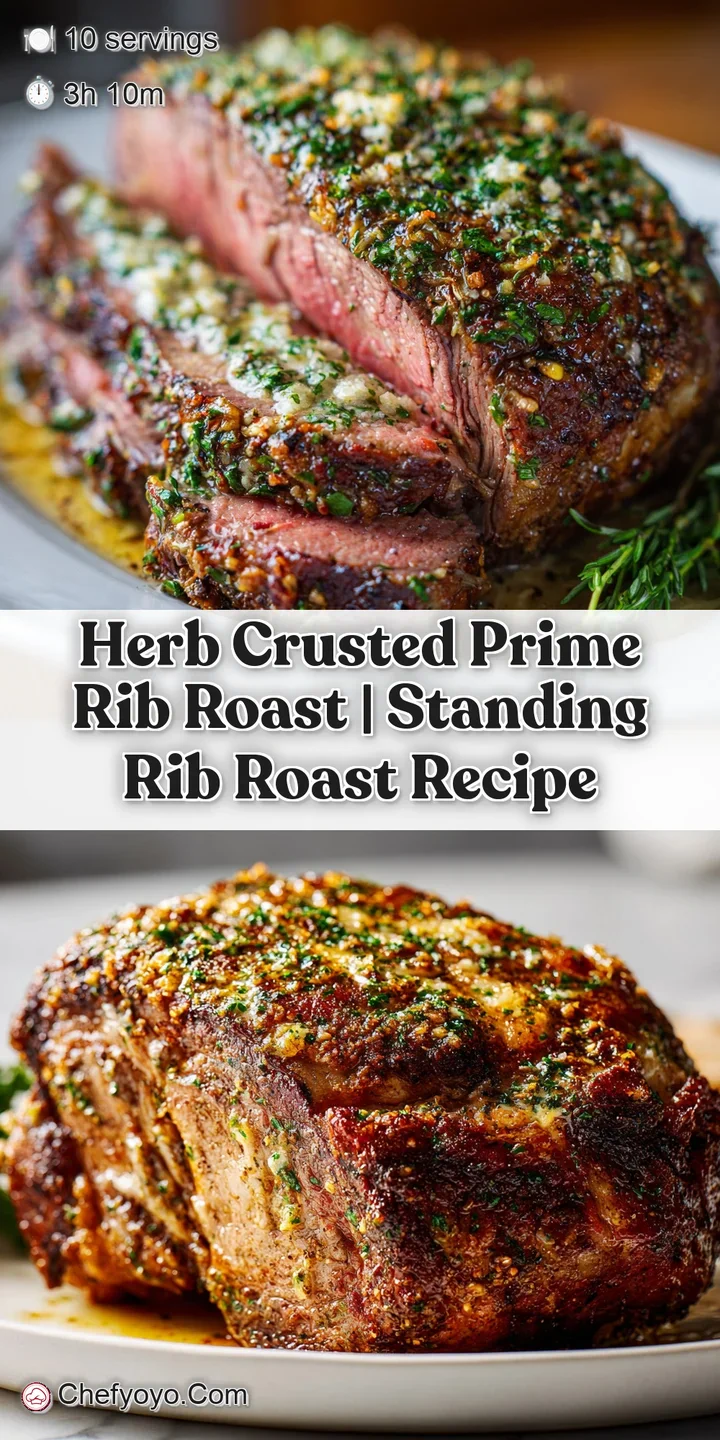
- Flavor/Texture Hook: Crusty garlic herb exterior with a velvety, melt in-the mouth center
- Perfect for: Holiday centerpieces or high stakes dinner parties where failure isn't an option
- Mastering the Perfect Garlic Butter Prime Rib Roast
- Reasons This Flavor Profile Succeeds
- Key Specs for Your Roast
- Building the Ultimate Flavor Foundation
- Essential Tools for Stress Free Cooking
- Step-by-Step Path to Perfection
- Fixing Common Prime Rib Mistakes
- Easy Twists and Flavor Swaps
- Reasons to Ignore Kitchen Myths
- Saving Leftovers and Reducing Waste
- Perfect Pairings for Your Feast
- Very High in Sodium
- Recipe FAQs
- 📝 Recipe Card
Mastering the Perfect Garlic Butter Prime Rib Roast
The first time I tackled a 3.8 kg (8.5 lb) bone in roast, I was terrified. I stood in my kitchen, staring at this expensive piece of meat, convinced I was going to turn it into an oversized brick of gray leather.
I remember the smell of the rosemary and garlic filling the house, but my heart was thumping until that first slice fell away. When I saw that edge to edge pink center, I actually exhaled for the first time in three hours.
That experience taught me that great cooking isn't about luck; it is about managing moisture and heat. You can hear the difference when you get it right the way the salt crystals sizzle and pop against the rendering fat during the final sear.
It’s a sensory experience that starts with the rough texture of the kosher salt and ends with a slice of beef so tender it barely requires a knife. We are going to walk through this together so you don't have to feel that "holiday panic" I did.
This isn't just another oven baked meat recipe. We are building layers of flavor using a contemporary approach to a classic Sunday roast. By the time we are done, you'll have a crust that provides a satisfying crunch before giving way to a silky, buttery interior.
Trust me, once you see how much control the reverse sear gives you, you'll never go back to the old school "blast it first" method.
Reasons This Flavor Profile Succeeds
- Enzymatic Tenderization: Allowing the meat to rest with salt breaks down tough muscle fibers before they ever hit the heat.
- Surface Dehydration: A dry exterior is the only way to achieve a mahogany crust without overcooking the inside.
- Conductive Fat Barrier: The garlic butter rub acts as a heat conductor, helping the herbs "fry" onto the surface during the final over high heat blast.
- Carryover Management: Pulling the meat early accounts for the internal temperature rising 5-10 degrees while resting, ensuring it doesn't drift into medium well territory.
| Target Doneness | Internal Temp (Pull) | Rest Time | Visual Cue |
|---|---|---|---|
| Rare | 48°C (118°F) | 20 mins | Deep red, very cool center |
| Medium Rare | 52°C (125°F) | 30 mins | Warm pink, velvety texture |
| Medium | 57°C (135°F) | 30 mins | Light pink, firmer to touch |
If you are looking for a slightly different approach, you might also enjoy my Foolproof Prime Rib recipe which explores alternative seasoning profiles. The key is understanding that the weight of your 8.5 lb (3.8 kg) roast dictates your timing more than anything else. A thicker roast needs that low and slow environment to prevent the outer layers from drying out while the center stays raw.
Key Specs for Your Roast
| Component | Science Role | Pro Secret |
|---|---|---|
| Coarse Kosher Salt | Protein Denaturation | Apply 24 hours early to season deep into the muscle. |
| Unsalted Butter | Maillard Reaction | High fat content creates a localized "deep fry" effect for herbs. |
| Prepared Horseradish | Chemical Pungency | The heat dissipates in the oven, leaving a savory, earthy undertone. |
| Bone In Rib | Thermal Insulation | Bones act as heat shields, keeping the meat closest to them incredibly juicy. |
The physics of this dish rely on the fat to protein ratio. In an 8.5 lb (3.8 kg) Prime Rib Roast, the intramuscular fat (marbling) melts at a specific temperature. If we go too fast, that fat stays solid and chewy. If we go slow, it renders into the meat, creating that "buttery" feel we all crave.
Building the Ultimate Flavor Foundation
- 1 (3.8 kg / 8.5 lb) Bone In Prime Rib Roast: Look for "Choice" or "Prime" grade with heavy marbling. Why this? Bones add flavor and provide a natural roasting rack.
- 3 tbsp Coarse Kosher Salt: Use a coarse grain for better coverage. Why this? Draws out moisture then re absorbs it as a seasoned brine. (Substitute: 2 tbsp Sea Salt)
- 2 tbsp Coarse Black Pepper: Freshly cracked is non negotiable here. Why this? Provides a spicy "bite" to cut through the rich fat. (Substitute: 1 tbsp White Pepper)
- 0.5 cup Unsalted Butter, softened: high-quality European style if possible. Why this? Carries the garlic and herb flavors into the crust. (Substitute: Ghee for a higher smoke point)
- 6 cloves Garlic, minced: Freshly smashed, not from a jar. Why this? Creates the aromatic base of the crust. (Substitute: 2 tsp Garlic Powder in a pinch)
- 2 tbsp Fresh Rosemary, finely chopped: Woodsy and piney. Why this? High oil content stands up to long roasting times. (Substitute: 1 tbsp Dried Rosemary)
- 1 tbsp Fresh Thyme, finely chopped: Earthy and subtle. Why this? Rounds out the sharper notes of the rosemary. (Substitute: 1 tsp Dried Thyme)
- 1 tbsp Prepared Horseradish: The kind in the refrigerated section. Why this? Adds a "zing" that highlights the beefiness. (Substitute: 1 tsp Horseradish Powder)
- 2 cups Beef Bone Broth: Dark and rich. Why this? Provides the liquid base for the Jus. (Substitute: Beef Stock)
- 0.5 cup Dry Red Wine: Cabernet or Merlot work best. Why this? Acidity balances the richness of the beef fat. (Substitute: 1/4 cup Balsamic Vinegar)
- 1 tbsp Worcestershire Sauce: The ultimate umami bomb. Why this? Anchovies and tamarind deepen the savory profile. (Substitute: Soy Sauce)
Chef's Tip: Freeze your butter for 10 minutes before grating it into a bowl instead of just softening it. When you mix it with the herbs, it creates a "shaggier" texture that clings to the meat much better than a smooth paste.
Essential Tools for Stress Free Cooking
You don't need a professional kitchen, but a digital probe thermometer is mandatory. Relying on "minutes per pound" is a recipe for heartbreak because every oven has its own personality. You'll also need a heavy duty roasting pan and a wire rack.
Raising the meat allows the hot air to circulate under the roast, which is the secret to getting a crust on the bottom instead of a soggy, steamed underside.
A sharp carving knife is your best friend at the finish line. If you use a dull blade, you'll squeeze out all those velvety juices you worked so hard to keep inside. I prefer a long, scalloped slicing knife that can glide through the 8.5 lb (3.8 kg) roast in one smooth motion.
It makes the presentation look contemporary and clean rather than hacked.
step-by-step Path to Perfection
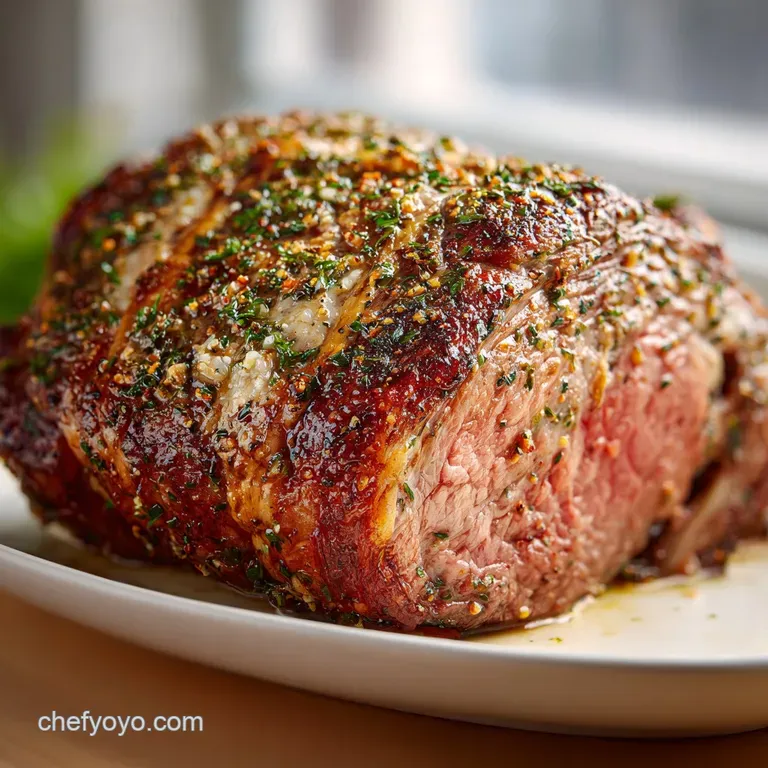
- Prep the Meat. Pat the 3.8 kg (8.5 lb) Prime Rib Roast completely dry with paper towels. Note: Moisture is the enemy of a good sear.
- Apply the Salt. Rub the 3 tbsp Coarse Kosher Salt over every inch of the beef. Let it sit uncovered in the fridge for at least 4 hours, or ideally 24.
- Temper the Beef. Remove the roast from the fridge 2 hours before cooking. Wait until it reaches room temperature to ensure even heat penetration.
- Create the Herb Rub. Combine the 0.5 cup butter, 6 cloves garlic, rosemary, thyme, pepper, and horseradish. Smash into a thick paste until the aromatics are evenly distributed.
- Coat the Roast. Slather the butter mixture over the top and sides of the meat. Press firmly so the herbs adhere to the fat cap.
- Slow Roast. Place the meat on a rack in a roasting pan at 120°C (250°F). Cook until the internal temp hits 48°C (118°F) for medium rare (approx 2 hours 30 mins).
- The Big Rest. Remove the roast from the oven and tent loosely with foil. Rest for at least 30 minutes to allow fibers to relax and reabsorb juices.
- The Blast Sear. Crank the oven to 260°C (500°F). Roast for 6-10 minutes until the exterior is mahogany and sizzling.
- Deglaze for Jus. While the meat rests again, simmer the 2 cups bone broth, 0.5 cup red wine, and 1 tbsp Worcestershire in the roasting pan. Scrape the browned bits (fond) for maximum flavor.
- Final Slice. Cut the twine and remove the bones by sliding your knife against the rib curve. Slice into thick slabs and serve immediately with the Jus.
For a perfect accompaniment, I highly recommend checking out my Au Jus Recipe which provides a deeper dive into getting that sauce perfectly silky. If you want something with more kick, this Horseradish Sauce for recipe is the classic pairing that never fails to impress.
Fixing Common Prime Rib Mistakes
Why Your Crust is Soggier Than Expected
If your roast comes out gray and wet, it’s usually because of surface moisture. If the meat isn't bone dry when it hits the oven, the heat goes into evaporating water instead of browning the fat. Always use the "open air" fridge method to dehydrate the skin.
Correcting the Overcooked Gray Ring
That thick band of gray meat around the pink center happens when the oven is too hot. High heat forces the outer layers to reach 70°C before the center even hits 40°C.
The "Low and Slow" phase (120°C) is what prevents this by moving the heat through the meat slowly and gently.
| Problem | Root Cause | Solution |
|---|---|---|
| Tough, chewy meat | Inadequate resting time | Rest at least 30 mins to allow fibers to relax. |
| Burned garlic rub | Sear was too long | Keep the final "blast" under 10 minutes at 260°C. |
| Thin, watery Jus | Not enough reduction | Simmer the sauce until it coats the back of a spoon. |
Common Mistakes Checklist
- ✓ Never skip the room temperature tempering (2 hours out of the fridge).
- ✓ Use a wire rack to prevent the bottom from "boiling" in its own juices.
- ✓ Don't use a lid or cover the roast during the cooking process.
- ✓ Always slice against the grain for the most tender bite.
- ✓ Double check your thermometer calibration in ice water before starting.
Easy Twists and Flavor Swaps
Scaling this recipe for a smaller crowd is easy. If you have a 2 bone roast (about 2 kg), you’ll want to reduce the salt and spices to about 60% of the original recipe. The cook time will drop significantly start checking the temperature at the 1 hour 30 mins mark.
For larger roasts (5-6 bones), the cook time increases, but you only need to increase the salt and spices to 1.5x the original amount; liquids for the Jus should be reduced by about 10% to prevent it from becoming too salty.
If you are cooking for a crowd and need to double the recipe, work in two separate roasting pans. Do not crowd two roasts into one pan, or they will steam each other and you’ll lose that shatter crisp crust.
| Original Ingredient | Substitute | Why It Works |
|---|---|---|
| Red Wine (0.5 cup) | Pomegranate Juice | High acidity and tannins mimic wine without the alcohol. Note: Slightly sweeter. |
| Fresh Rosemary | Dried Oregano | Provides a more Mediterranean, herbaceous vibe. Note: Use half the amount. |
| Beef Bone Broth | Mushroom Broth | Adds an intense earthy umami that complements the beef perfectly. |
If you decide to go with a boneless version of this roast, be aware that it will cook about 20% faster because there are no bones to insulate the center. You will also miss out on the best part: gnawing on those savory, garlic crusted ribs!
Reasons to Ignore Kitchen Myths
A common misconception is that you must sear the meat at high heat before roasting to "seal in the juices." Science has proven this false. Searing doesn't create a waterproof barrier; it actually causes more moisture loss initially.
The reverse sear (searing at the end) is superior because it allows the meat to reach its target temperature gently, while the final blast creates the crust on a surface that has already been dried out by the oven’s air.
Another myth is that you should "cook by time." I've seen 8.5 lb (3.8 kg) roasts take 2 hours and others take nearly 4. Factors like the shape of the roast, the accuracy of your oven, and how cold the meat was when it went in all change the clock. Always, always cook to internal temperature.
Saving Leftovers and Reducing Waste
Storage: Wrap leftovers tightly in plastic wrap followed by foil. It will stay fresh in the fridge for up to 4 days. For long term storage, the beef can be frozen for up to 2 months, though the texture of the crust will soften.
Zero Waste: Never toss those rib bones! They are gold for making a secondary stock or a rich beef barley soup. Any leftover fat (drippings) should be saved in a jar in the fridge.
This "liquid gold" is the best possible fat for roasting potatoes or making the most incredible Yorkshire puddings you've ever tasted.
Reheating: To keep that velvety pink center, do not microwave! Place slices in a baking dish with a splash of leftover Jus, cover with foil, and warm in a 120°C (250°F) oven for about 10-15 minutes.
It will taste just as good as the day you made it.
Perfect Pairings for Your Feast
To keep things contemporary, I love serving this with a vibrant, acidic side like a lemon zest roasted broccoli or a sharp arugula salad. The richness of the garlic butter and the 55 g of protein per serving need something to cut through the fat.
Of course, you can't go wrong with the classic creamy mashed potatoes, but try adding a bit of the leftover horseradish butter into the mash for a flavor bridge.
If you want to really lean into the "steakhouse" vibe, a side of sautéed mushrooms with a splash of the same red wine you used for the Jus is a masterclass in flavor layering. The goal is to have every element on the plate pointing back to that beautiful, pink center of the Prime Rib Roast.
Enjoy the process you've got this!
Very High in Sodium
1165 mg of sodium per serving (51% of daily value)
American Heart Association recommends limiting sodium intake to about 2,300mg per day.
Tips to Reduce Sodium in Prime Rib Roast:
-
Low-Sodium Broth-30%
Replace the regular beef bone broth with a low-sodium or no-salt added version. This simple swap can significantly reduce the sodium content.
-
Reduce Salt-25%
Decrease the amount of coarse Kosher salt used. Try reducing it from 3 tbsp to 1.5 tbsp and taste the meat before adding more. You can always add more at the end if needed.
-
Limit Worcestershire-20%
Worcestershire sauce contributes a considerable amount of sodium. Reduce the amount from 1 tbsp to 1 tsp or eliminate it completely for a noticeable reduction.
-
Sodium Free Wine-10%
While red wine contains little sodium, ensure it's a brand without added sulfites as some sulfites contain sodium. Also, consider decreasing the wine amount by half.
-
Herb & Spice Power
Enhance the flavor with a variety of fresh or dried herbs and spices beyond rosemary and thyme! Garlic powder, onion powder, smoked paprika, and black pepper are excellent sodium free options.
Recipe FAQs
How long do you cook a prime rib roast for?
Cook time is highly variable; use temperature, not time. For medium rare (125°F pull temp), expect roughly 2.5 hours for an 8.5 lb roast at 250°F, followed by a 10-minute sear at 500°F. Always rely on your probe thermometer for precision.
What is the secret of cooking a prime rib roast?
The secret is the reverse sear method combined with dry brining. Cooking low and slow (250°F) prevents the gray ring, and dry brining for 24 hours ensures a moisture free surface for a perfect crust. If you enjoyed mastering the temperature control here, apply the same principle to techniques in our Cozy beef stew recipe.
What is the 500 rule for prime rib?
Yes, the 500°F is the final searing step. After the roast finishes its low and slow cook (around 118°F), you crank the oven to 500°F and blast it for 6 to 10 minutes. This rapidly creates the dark, flavorful Maillard crust without overcooking the interior.
Is it better to cook prime rib at 325 or 350?
No, it is better to cook much lower, ideally at 250°F (120°C). Cooking at 325°F or 350°F accelerates the temperature differential between the outside and the center, creating a large gray band. The 250°F slow roast ensures that perfect edge-to-edge pink doneness.
Should I rest the prime rib before slicing it?
Yes, resting for at least 30 minutes is non-negotiable. Resting allows the contracted muscle fibers to relax and reabsorb the internal juices, which would otherwise flood your cutting board. This crucial step maintains the velvety texture that makes the roast special.
How do I ensure the fat cap renders and crisps properly?
Slather the entire exterior with the softened garlic butter rub before roasting. The high fat rub melts slowly during the low cook, basting the meat, and then fries intensely during the final 500°F sear. This method is very similar to building flavor on the exterior of a classic How to Make recipe.
When should I apply the initial coarse salt rub?
Apply the coarse salt rub up to 24 hours in advance of cooking. This dry brining period allows the salt to draw out surface moisture and then reabsorb into the meat, seasoning it deeply and setting up the crust formation.
Best Prime Rib Roast Recipe
Ingredients:
Instructions:
Nutrition Facts:
| Calories | 694 kcal |
|---|---|
| Protein | 55 g |
| Fat | 50 g |
| Carbs | 2 g |
| Fiber | 0.5 g |
| Sugar | 0.8 g |
| Sodium | 1165 mg |
