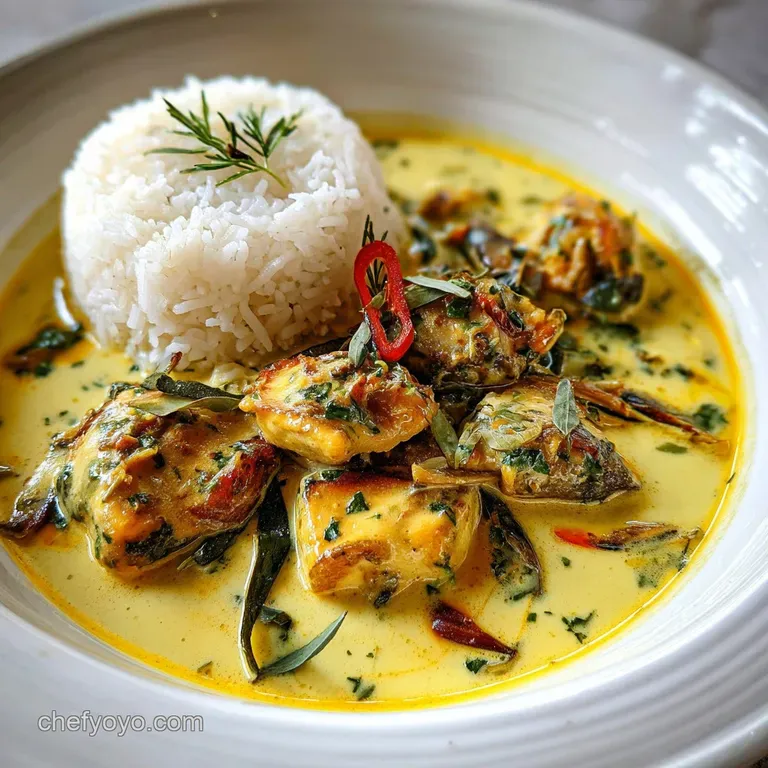
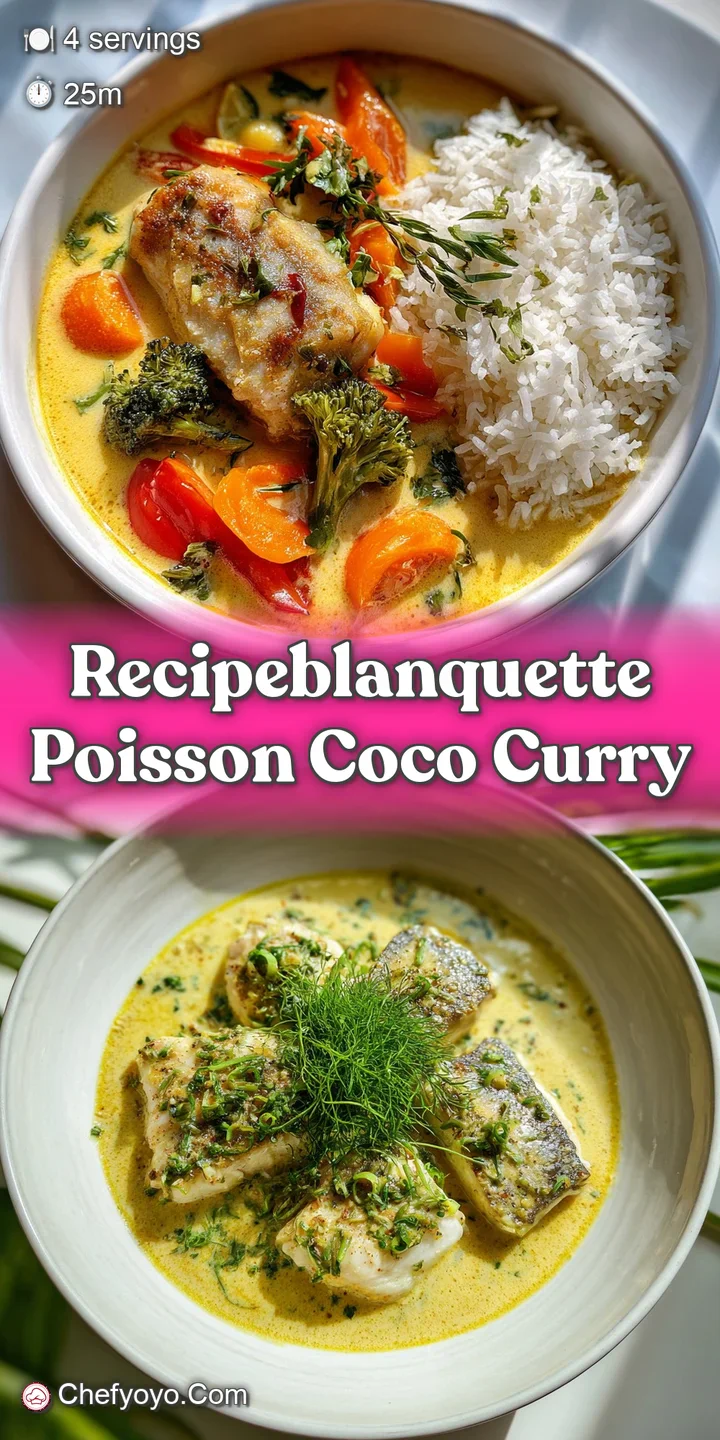
Blanquette Poisson Coco Curry
- Time: Active 10 minutes, Passive 15 minutes, Total 25 minutes
- Flavor/Texture Hook: Velvety coconut sauce with flaky, butter soft fish chunks
- Perfect for: An impressive but effortless weeknight dinner
- Perfecting Your recipeblanquette poisson coco curry Recipe
- Essential Metrics for Successful Cooking
- Primary Components for Rich Flavor
- Required Gear for Silkier Sauces
- Detailed Instructions for Kitchen Success
- Expert Fixes for Common Problems
- Flavor Variations and Smart Swaps
- Maintaining Freshness and Easy Reheating
- Sides to Enhance Your Meal
- High in Sodium
- Recipe FAQs
- 📝 Recipe Card
Perfecting Your recipeblanquette poisson coco curry Recipe
Listen, I remember the first time I tried to bridge the gap between my love for French bistro food and my obsession with Thai aromatics. I was standing in my kitchen, staring at a beautiful piece of hake and a tin of coconut milk, wondering if the classic "blanquette" technique usually reserved for veal could handle a hit of yellow curry.
The moment that microplaned ginger hit the warm oil, followed by the sizzle of thinly sliced leeks, I knew I was onto something special. The aroma that filled the room wasn't just "food"; it was a fragrant, soul warming invitation.
We’ve all been there with seafood one minute it’s perfect, and the next, it’s turned into rubbery erasers. This recipeblanquette poisson coco curry is my absolute secret weapon because it uses a low and slow poaching method that keeps the fish incredibly succulent.
You aren't just making a meal; you're building layers of flavor that feel contemporary but taste like a hug. I’ve made the mistake of boiling the sauce too hard before, and trust me, we are going for a gentle simmer here to keep that coconut milk from separating.
But why does this fusion actually work? It’s all about the balance of fats and acids. The richness of the coconut milk needs that sharp zip of lime and the funky depth of fish sauce to really sing.
If you've ever felt like your homemade curries were missing that "restaurant" depth, it’s usually because of the lack of a savory anchor. By the time you finish this article, you’ll know exactly how to achieve that velvety texture without ever touching a drop of heavy cream.
Essential Metrics for Successful Cooking
The Physics of the Poach: Maintaining a sub boiling temperature (roughly 175°F to 185°F) allows the fish proteins to denature slowly without tightening and squeezing out moisture. This ensures the 600g of white fish remains buttery and flaky rather than dry.
| Seafood Type | Thickness | Internal Temp | Visual Cue |
|---|---|---|---|
| Cod/Hake Chunks | 2 inches | 145°F | Opaque and easily flakes |
| King Prawns | Jumbo | 120°F | C shape and pink/orange |
| Monkfish | 2 inches | 145°F | Firm but springy to touch |
Right then, let's talk about why we are using these specific steps. When we bloom the curry powder in oil, we are releasing fat soluble flavor compounds that simply won't wake up if you just stir the powder into the liquid later. It's a small move that makes a massive difference in the final aromatic profile. If you're looking for another way to use these techniques, you might love the similar depth found in a Thai Curry Meatball recipe.
Primary Components for Rich Flavor
Choosing the right ingredients is the difference between a flat dish and a "can I-have the-recipe" dish. We are using 600g of firm white fish think Cod, Monkfish, or Hake because they hold their shape in the sauce.
Don't even think about using a delicate tilapia here; it'll just disintegrate into the broth.
| Ingredient | Science Role | Pro Secret |
|---|---|---|
| Full fat Coconut Milk | Emulsifier and fat carrier | Shake the tin vigorously to incorporate the "cream" cap before opening. |
| Fresh Ginger | Protease enzymes | Grate it with a microplane to release juices that tenderize the fish slightly. |
| Leek Ribbons | Sulfur compounds | Use only the white part; they melt into the sauce for a subtle sweetness. |
| Fish Sauce | Glutamate bomb | Adds "umami" without a "fishy" taste when cooked into the aromatics. |
For the aromatics, you'll need one white onion, finely minced, and two cloves of microplaned garlic. This creates a "soffritto" base that disappears into the sauce, leaving only flavor behind.
I always say, don't skimp on the 1.5 tbsp of mild yellow curry powder; it’s the golden thread that ties the French "blanquette" style to the "coco curry" world.
- 600g firm white fish: Cod, Monkfish, or Hake work best. Why this? Firm texture prevents the fish from breaking apart during the gentle poaching process. (Sub: Salmon chunks)
- 200g raw king prawns: Peeled and deveined. Why this? Adds a snap of sweetness and a different textural layer to the dish. (Sub: Scallops)
- 400ml full fat coconut milk: Unsweetened. Why this? Provides the "blanquette" creaminess without using dairy. (Sub: Heavy cream with a splash of coconut extract)
- 1.5 tbsp mild yellow curry powder: high-quality. Why this? Contains turmeric and cumin which bloom beautifully in warm oil. (Sub: Yellow curry paste)
- 1 small leek: White part only. Why this? Offers a more sophisticated, delicate onion flavor than standard yellow onions. (Sub: Shallots)
- 1 unit lime: Juiced. Why this? The acid cuts through the coconut fat and brightens the spices. (Sub: Rice vinegar)
Required Gear for Silkier Sauces
To get that restaurant quality finish, you really need a deep sauté pan. A shallow pan will cause too much evaporation, making your sauce salty and thick before the fish is even cooked.
I prefer a heavy bottomed stainless steel or cast iron skillet (like a Lodge) because they distribute heat evenly, preventing "hot spots" that might scorch the coconut milk.
1. The Deep Sauté Pan
A wide, deep pan allows you to lay the fish chunks in a single layer. This is vital. If you stack the fish, the bottom pieces overcook while the top pieces stay raw. We want everything to reach that 145°F mark at exactly the same time.
2. Microplane Grater
Forget chopping your ginger and garlic with a knife. A microplane turns them into a paste. This paste emulsifies into the 1 tbsp of neutral oil, creating a flavor base that coats every single millimeter of the fish.
Chef's Tip: Freeze your ginger root for 10 minutes before grating. It prevents the fibers from getting caught in the grater and gives you a much finer, snow like texture.
Detailed Instructions for Kitchen Success
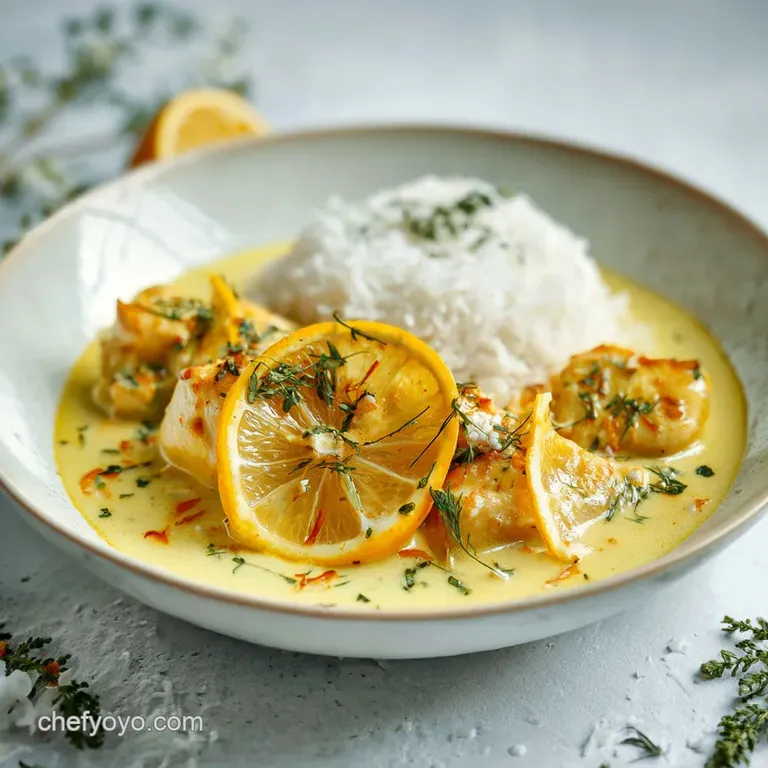
- Sauté the aromatics. Heat 1 tbsp neutral oil in your sauté pan. Add the minced white onion and sliced leek ribbons. Cook for 5 minutes until translucent and soft, but not browned.
- Bloom the spices. Stir in the 2 cloves of garlic and 1 tbsp grated ginger. Add the 1.5 tbsp yellow curry powder. Note: Toasting the spices in oil for 60 seconds "wakes up" the essential oils.
- Build the base. Pour in 400ml coconut milk and 150ml vegetable or fish stock. Stir gently to combine the golden oil with the white milk until the liquid turns a pale yellow.
- Prepare the vegetables. Add the 2 carrots, sliced into thin rounds. Simmer for 5 minutes until the carrots start to soften but still have a bit of bite.
- Season the broth. Add 1 tsp fish sauce, 0.25 tsp sea salt, and 0.25 tsp white pepper. Taste the broth now it should be savory and fragrant.
- Nestle the fish. Gently place the 600g of fish chunks into the liquid. Note: Don't stir once the fish is in, or you'll break the delicate chunks.
- Add the prawns. Scatter the 200g of king prawns around the fish. Cover the pan with a lid to trap the steam.
- Poach gently. Simmer on low for 6-8 minutes until the fish is opaque and the prawns are pink.
- The zesty finish. Remove from heat. Stir in the juice of 1 lime. Note: Adding lime at the end preserves its bright, volatile flavors.
- Final garnish. Top with 1 tbsp fresh cilantro and sliced red chili until the dish looks vibrant and fresh.
Expert Fixes for Common Problems
One of the biggest hurdles when making a recipeblanquette poisson coco curry is the sauce breaking. If you see oily yellow spots floating on top of a watery white liquid, your heat was likely too high. Coconut milk is an emulsion of fat and water; high heat destroys the proteins holding them together.
Why Your Sauce Separated
If the sauce looks curdled, the coconut milk has reached a hard boil. You can often fix this by whisking in a splash of room temperature coconut milk or stock away from the heat. The goal is to bring the temperature down and re introduce an emulsifier.
| Problem | Root Cause | Solution |
|---|---|---|
| Rubbery Prawns | Cooked too long | Add prawns only in the last 3 minutes of simmering. |
| Muted Flavor | Not enough acid | Add an extra squeeze of lime or a drop more fish sauce. |
| Bland Fish | No pre seasoning | Lightly salt the fish chunks 10 minutes before adding to the pan. |
Common Mistakes Checklist: - ✓ Avoid boiling the coconut milk vigorously; a gentle "shiver" on the surface is all you need. - ✓ Pat the fish chunks dry with a paper towel before adding them to the sauce to prevent excess water from diluting the flavor.
- ✓ Don't skip the fish sauce it's the secret to that "authentic" savory depth. - ✓ Use full fat coconut milk only; low-fat versions will produce a thin, watery sauce that won't coat the spoon.
Flavor Variations and Smart Swaps
If you're looking to shake things up, this recipe is incredibly forgiving. For instance, if you want a more South Indian vibe, you might look at how a Kerala Shrimp Curry recipe uses mustard seeds and curry leaves for a completely different aromatic profile.
The Scallop Twist
Instead of prawns, use large sea scallops. Sear them separately in a ripping hot pan for 60 seconds per side to get a golden crust, then nestle them into the finished sauce just before serving. This adds a "shatter" of texture against the velvety sauce.
| Original Ingredient | Substitute | Why It Works |
|---|---|---|
| White Fish | Firm Tofu Chunks | Tofu absorbs the curry broth beautifully. Note: Press tofu first to remove water. |
| Yellow Curry Powder | Red Curry Paste | Adds more heat and a lemongrass forward aroma. |
| Leeks | Shallots | Provides a sharper, sweeter onion base that stands up to the spices. |
- If you want more heat: Add a tablespoon of Sambal Oelek or double the fresh red chili.
- If you want it creamier: Whisk in a tablespoon of almond butter it adds a nutty richness that complements the coco curry.
- If you want a vegetable boost: Throw in a handful of baby spinach or snap peas in the last 2 minutes.
Maintaining Freshness and Easy Reheating
Storing seafood is always a bit tricky. This dish will stay fresh in an airtight container in the fridge for up to 2 days. I actually think the flavors meld and deepen by the next day, though the fish does lose a bit of its "flaky" perfection.
Zero Waste Tip: If you have leftover sauce but no fish, use it to poach an egg the next morning or toss it with some glass noodles for a quick lunch. Don't throw away those leek greens either you can clean them and add them to a vegetable stock bag in your freezer.
For reheating, never use a microwave. Microwaves turn fish into rubber. Instead, place the leftovers in a small saucepan over low heat. Add a splash of water or stock to loosen the sauce and warm it slowly until it's just steaming. If you're looking for a vegan version to meal prep alongside this, check out this Vegan Thai Curry recipe which reheats beautifully.
Sides to Enhance Your Meal
A dish this saucy demands a side that can act as a sponge. Fragrant Basmati rice is the classic choice, but if you want to keep with the "blanquette" theme, some buttered fingerling potatoes are surprisingly effective at soaking up that coco curry liquid.
1. Fragrant Basmati Rice
Cook your rice with a bruised stalk of lemongrass or a few cardamom pods. The floral notes of the rice will play off the ginger and curry powder in the blanquette perfectly.
2. Charred Snap Peas
To balance the richness of the coconut milk, serve something with a "snap." Quickly sauté snap peas in a dry pan until they get those little charred spots. Season only with lime juice and a pinch of flaky sea salt.
Kitchen Myths to Forget: - Myth: "You must sear the fish first to lock in juices." Truth: Searing fish for a stew like this can often lead to overcooking. Gentle poaching is much more effective for keeping white fish moist and tender.
- Myth: "Coconut milk is the same as coconut cream." Truth: Coconut cream has a much higher fat content and will make the sauce too thick and heavy for a delicate fish blanquette. Stick to the milk!
This recipeblanquette poisson coco curry is a testament to how fusion cooking can feel both contemporary and classic. By taking the time to bloom your spices and poach your seafood with care, you're creating a meal that is truly greater than the sum of its parts.
Happy cooking, and don't forget that final squeeze of lime!
High in Sodium
945 mg mg of sodium per serving (41% of daily value)
The American Heart Association recommends limiting sodium intake to no more than 2,300mg per day for most adults. Reducing sodium can help maintain healthy blood pressure.
Tips to Reduce Sodium in Your Fish Curry
-
Low-Sodium Broth-30%
Swap regular vegetable or fish stock for a low-sodium or no-salt added version. This can significantly reduce the sodium content without sacrificing flavor.
-
Reduce Added Salt-25%
Eliminate or drastically reduce the 0.25 tsp of sea salt. Taste the curry after cooking and only add salt if absolutely necessary.
-
Skip the Fish Sauce-20%
Omit the 1 tsp of fish sauce. Fish sauce is a significant source of sodium. You can compensate by adding a squeeze more lime juice to enhance the flavor.
-
Boost with Lime-10%
Enhance the flavor of the curry with extra lime juice or zest instead of relying on salt. Citrus brightens the dish and balances the other flavors.
-
Spice It Up!
Experiment with a wider variety of fresh and dried herbs and spices (such as turmeric, cumin, coriander, or smoked paprika) to boost flavor without adding sodium.
Recipe FAQs
What type of fish is best for this recipe?
Firm white fish like cod, hake, or monkfish are ideal. These varieties hold their shape well during the gentle poaching process, preventing them from breaking apart in the sauce.
How do I prevent the coconut milk sauce from separating?
Simmer gently and avoid boiling. Coconut milk is an emulsion, and high heat can break down the proteins that hold the fat and water together, causing it to split.
Can I substitute the prawns with other seafood?
Yes, scallops or even firm tofu chunks work well. For scallops, sear them separately first for a nice crust. If using tofu, press it well and consider cubing it to absorb the flavors effectively, similar to how you might prepare a base for this Spiced Chickpea Curry.
Why does the recipe call for blooming the curry powder?
Blooming in oil releases fat-soluble flavor compounds. This step awakens the spices' essential oils, intensifying their aroma and flavor far more than simply stirring them into liquid.
How long should the fish poach?
Poach for 6-8 minutes, or until opaque and flaky. The key is a gentle simmer, not a rolling boil, to ensure the fish cooks through without becoming tough or dry. If you enjoyed controlling the precise cooking temperature for the seafood here, you might find it useful to apply similar sensory cues for roasting chicken.
What sides pair well with this dish?
Fragrant rice or boiled potatoes are excellent choices. Both are perfect for soaking up the rich, velvety coco curry sauce. You could also try some simply charred snap peas for a fresh contrast.
Can I make this recipe ahead of time?
It's best served fresh, but leftovers can be stored. While the fish is most tender when cooked just before serving, the flavors meld beautifully if refrigerated for a day. Reheat gently on the stovetop, never in the microwave, to avoid toughening the seafood.
Blanquette Poisson Coco Curry
Ingredients:
Instructions:
Nutrition Facts:
| Calories | 486 calories |
|---|---|
| Protein | 41.5g |
| Fat | 29.1g |
| Carbs | 15.2g |
| Fiber | 2.8g |
| Sugar | 6.1g |
| Sodium | 945mg |
