Indian Okra Coconut Curry: No More Slimy Bhindi

- Time: 15 min active + 25 min cooking
- Flavor & Texture: Nutty, creamy, and tender-crisp
- Perfect for: A vibrant plant-based weeknight dinner
- Savoring Delightful Okra in Coconut Curry
- Why This Method Works
- What Each Ingredient Does
- Gathering Your Essentials
- The Essential Tools
- Bringing the Curry Together
- Fixing Common Cooking Issues
- Adjusting the Serving Size
- Common Okra Misconceptions
- Storing Your Leftovers
- Easy Ingredient Variations
- Serving and Pairing Tips
- Recipe FAQs
- 📝 Recipe Card
Savoring Delightful Okra in Coconut Curry
Okra gets a bad rap because it often turns into a gooey mess. Most people try to fight the slime with acid, but the real fix happens with heat. When you sear the pieces quickly, you lock in the texture and get a deep, nutty flavor.
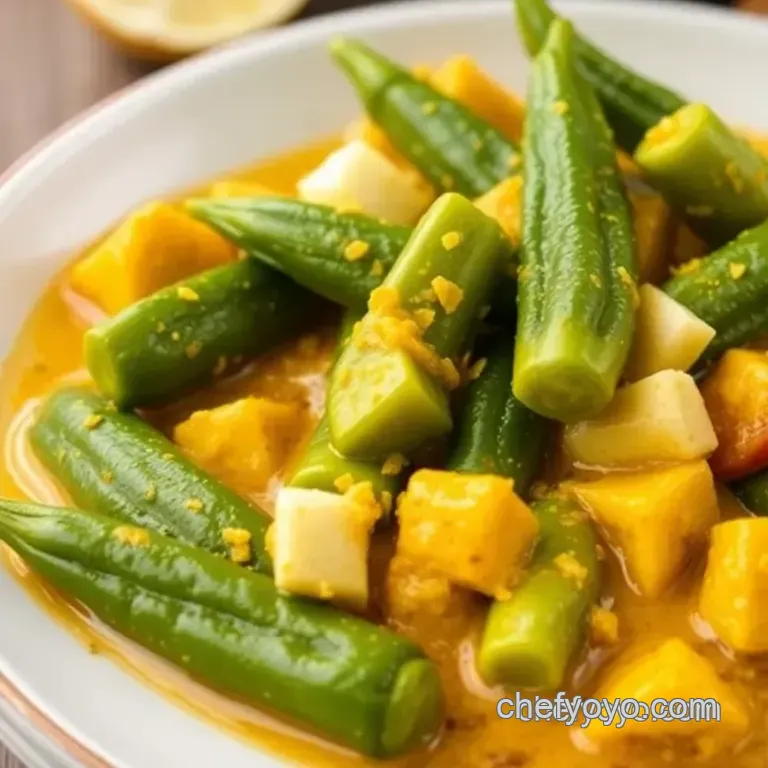
This approach turns a polarizing vegetable into something you actually crave. Savoring Delightful Okra in Coconut Curry gives you a rich, velvety sauce that clings to the charred okra. It's a hearty meal that feels special but doesn't take all night to make.
You can expect a dish that smells like toasted cumin and fresh ginger. It's a bold, aromatic experience that works just as well for a fancy dinner as it does for meal prep.
Why This Method Works
High heat Searing: Fast cooking at high temperatures evaporates surface moisture. This stops the mucilage from leaking out and making the curry slimy.
Spice Blooming: Frying ground spices in oil wakes up their fat soluble flavors. It makes the sauce taste deep and complex rather than raw.
| Okra Choice | Prep Time | Texture | Best For |
|---|---|---|---|
| Fresh Okra | 10 mins | Firm & snappy | This specific curry |
| Frozen Okra | 2 mins | Softer | Quick stews |
What Each Ingredient Does
| Ingredient | What It Does | Best Swap |
|---|---|---|
| Fresh Okra | Main bulk and texture | Eggplant (cuts cooking time) |
| Coconut Milk | Adds creaminess and fat | Cashew cream (slightly nuttier) |
| Tomato Paste | Thickens and adds tang | Tomato purée (use more, simmer longer) |
| Garam Masala | Warm finishing flavor | Cumin + Cinnamon pinch |
Gathering Your Essentials
Gather your ingredients before beginning. Ensure your okra is completely dry after rinsing; otherwise, it will steam rather than sear.
- 450g fresh okra, washed, dried well, and sliced into 1.3cm rounds
- 30ml neutral oil Why this? Its high heat tolerance prevents scorching
- 1 medium yellow onion, finely chopped
- 3 cloves garlic, minced
- 15g fresh ginger, grated
- 2 serrano chilies, split lengthwise
- 400ml full fat coconut milk Why this? Essential for a creamy, rich consistency
- 30ml tomato paste
- 5g ground turmeric
- 5g ground cumin
- 5g ground coriander
- 2g garam masala
- 5g salt
- 120ml vegetable broth
- 15ml fresh lime juice
- 15g fresh cilantro, chopped
The Essential Tools
You need a pan that can handle heat. A large cast iron skillet or a heavy bottomed wok is the way to go. These hold heat better than thin non stick pans, which is what gives the okra those mahogany edges.
Bringing the Curry Together
Phase 1: The High heat Sear
- Bring 30ml of oil to a shimmer in a pan over medium-high heat.
- Arrange the sliced okra in a single layer. Note: Leave undisturbed for 2-3 minutes to allow a crust to form.
- Stir and cook for another 3-5 minutes until the pieces reach a tender-crisp texture.
- Transfer the okra to a plate and move it away from the stove.
Phase 2: Building the Aromatic Base
- In the same pan, sauté diced onion over medium heat for 5 minutes until golden.
- Stir in the ginger, garlic, and chilies; cook for 1 minute until the fragrance is pungent and nutty.
- Add the tomato paste and cook for 2 minutes until the color deepens.
Phase 3: Blooming the Spices & Simmering
- Turn the heat down to medium-low. Add the cumin, turmeric, and coriander, stirring for 60 seconds. Note: Don't let them burn, or they will taste bitter.
- Pour in vegetable broth and coconut milk. Bring to a light simmer for 5-7 minutes until the sauce thickens.
Phase 4: The Final Integration
- Return the seared okra to the sauce. Stir in salt and garam masala, simmering for 2 additional minutes.
- Turn off the heat. Mix in the lime juice and top with chopped cilantro.
Fixing Common Cooking Issues
Fixing Slimy Texture
If the dish feels gooey, you probably overcrowded the pan. When too much okra hits the pan, the temperature drops and the veg steams in its own juice. Next time, sear the okra in two smaller batches to keep the heat high.
Preventing Coconut Milk Curdling
Curdling usually happens if the sauce boils too violently or if the heat is too high after adding the milk. Keep it at a gentle simmer. If you're worried about the acidity of the lime juice, always stir it in after you've turned off the flame. For a different light starter, you might enjoy a classic egg drop soup to pair with this.
Taming Overpowering Heat
Serrano chilies vary in spice. If the curry is too hot, stir in an extra tablespoon of coconut milk or a pinch of brown sugar. The fat and sweetness neutralize the capsaicin.
Adjusting the Serving Size
Halving the recipe: Choose a smaller skillet to ensure the coconut milk doesn't evaporate too rapidly. Decrease the simmering time by about 20%.
Doubling the batch: Avoid doubling the spices exactly. Start with 1.5x the salt and garam masala, then taste and adjust. Most importantly, sear the okra in three separate batches. Adding 900g of okra to a single pan will result in a slimy stew rather than a seared curry.
Common Okra Misconceptions
Many people think soaking okra in lemon juice or vinegar removes the slime. This doesn't actually stop the mucilage, it just changes the pH. The only real way to handle the texture is through dry, high heat.
Another common thought is that searing "seals in" the juices. This is a myth. Searing is actually about removing moisture from the surface to create a crust and adding flavor through browning.
Storing Your Leftovers
Store the dish in a glass container in the refrigerator for up to 3 days. The flavors typically deepen and meld better after spending a night in the cold.
To reheat, use a stovetop over low heat. Stir in a little water or vegetable broth to loosen the sauce, as the okra often absorbs the liquid during storage. Avoid using the microwave if you prefer the okra to stay firm.
To minimize waste, save the okra stems if they are tender. Chop them finely and sauté them with the onions to add a pleasant earthy dimension to the base.
Easy Ingredient Variations
Adding Protein: Tofu cubes work great here. Sear them in the pan before you do the okra. For a heartier version, chickpeas are a great addition.
Changing the Heat: Swap serrano chilies for Kashmiri chili powder for a milder, smokier flavor. If you want something totally different, you can use a dollop of peanut butter in the sauce for a Thai inspired twist.
Low Calorie Option: Use light coconut milk, though you'll lose some of that rich mouthfeel. To keep the flavor, add a teaspoon of nutritional yeast.
Serving and Pairing Tips
Pair this flavorful Okra in Coconut Curry with fluffy steamed basmati rice or toasted garlic naan. Basmati is perfect for soaking up the creamy sauce, and the naan works wonderfully for gathering the charred okra bits.
For an unexpected fusion touch, add a sprinkle of crumbled traditional Mexican cheese. Its salty, dry profile provides a sharp contrast to the richness of the coconut milk.
To round out a bigger feast, pair the curry with a refreshing cucumber raita or a crisp kachumber salad to balance the warm, aromatic spices.
Recipe FAQs
How do you prep okra for cooking?
Wash and dry the pods thoroughly before slicing them into half-inch rounds. Drying them completely prevents excess slime from forming during the searing process.
What defines the flavor of this coconut curry?
Full-fat coconut milk and a blend of turmeric, cumin, and coriander create the rich base. If you enjoyed mastering a creamy vegetable base here, see how the same principle works in our creamy veggie sauce.
Is it true that okra always turns slimy in curry?
No, this is a common misconception. Searing the sliced okra in a hot skillet until a mahogany crust forms locks in the texture and reduces mucilage.
Which reheating method preserves the texture?
Warm the dish on the stovetop over low heat. Add a splash of vegetable broth to loosen the sauce since the okra absorbs liquid while sitting.
Okra in Coconut Curry with Coconut Milk