Succulent Boneless Chicken Thighs in Oven
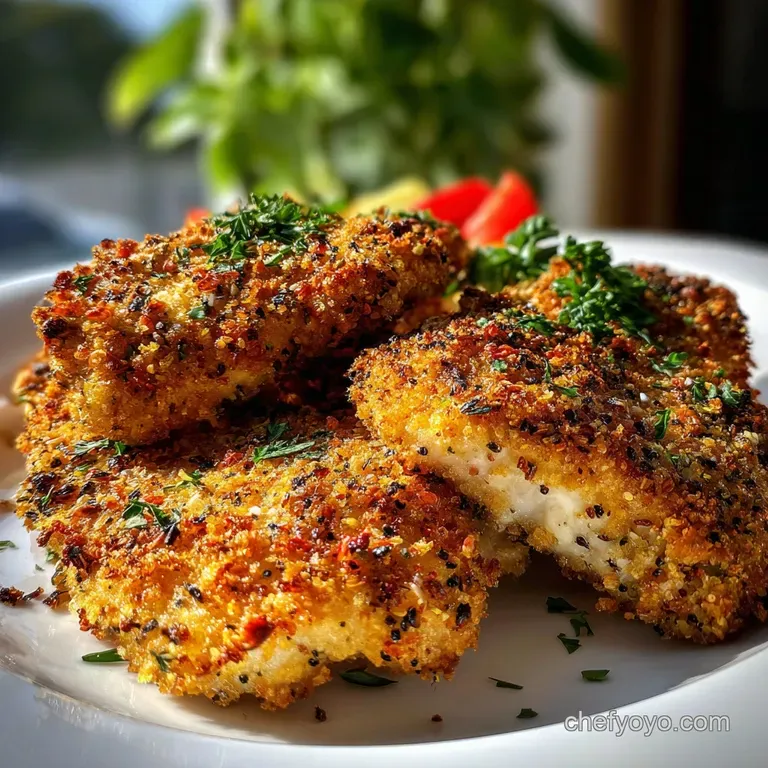
- Time: Active 10 minutes, Passive 25 minutes, Total 35 minutes
- Flavor/Texture Hook: Smoky, garlic infused crust with a velvety, moist interior
- Perfect for: Effortless weeknight dinners or high protein contemporary meal prep
- Juicy Results with Boneless Chicken Thighs in Oven
- Thermal Principles of Succulent Poultry
- Key Measurements for Consistent Flavor
- Sourcing Elements for Deep Umami
- Essential Tools for Even Heat
- Phases of Development for Perfect Texture
- Correcting Texture and Heat Issues
- Creative Adaptations for Global Flavors
- Preserving Moisture and Quality Safely
- Modern Plating and Pairing Techniques
- Addressing Common Roasting Concerns
- Recipe FAQs
- 📝 Recipe Card
Juicy Results with Boneless Chicken Thighs in Oven
Listen, we've all been there. You pull a tray of chicken out of the oven, hoping for something spectacular, only to find it's turned into something resembling a dry sponge. It is frustrating, right?
I used to avoid boneless chicken thighs in oven because I couldn't get that "restaurant quality" sear without standing over a smoky stove for twenty minutes. But then I started experimenting with temperature ratios and dry rubs, and everything changed.
This isn't just about cooking meat, it's about building layers of flavor that feel both authentic and contemporary. We are going for that specific sizzle when the fat begins to render, turning the smoked paprika and garlic into a savory, deep red lacquer.
You want a bite that offers a slight resistance at the edge before giving way to a rich, fatty middle.
Trust me, once you see how the avocado oil interacts with the heat to crisp up the edges of the thighs in oven, you won't go back to bland poaching or pan frying. We are looking for a result that is sophisticated enough for a dinner party but easy enough for a Tuesday night when you've just walked through the door.
Thermal Principles of Succulent Poultry
Cooking boneless chicken thighs in oven relies on several key chemical shifts to achieve that perfect bite. Unlike breasts, which are lean and unforgiving, thighs are packed with connective tissue and intramuscular fat that require specific heat management to break down properly without drying out the protein strands.
- Maillard Reaction: High heat at 400°F causes amino acids and reducing sugars to reorganize, creating hundreds of new flavor compounds and a dark, savory crust.
- Lipid Rendering: The fat within the thigh melts during the roasting process, essentially "confit ing" the meat from the inside out to maintain a velvety texture.
- Protein Denaturation: Gentle, consistent heat from the oven allows the coiled proteins to unwind and then bond back together, trapping moisture if not overcooked.
- Thermal Conductivity: The use of a heavy baking sheet helps transfer heat directly to the underside of the meat, ensuring even browning without the need for constant flipping.
This process is quite similar to the technique used in my The Crispy Chicken recipe, where heat management is the difference between a soggy coating and a genuine crunch.
Ingredient Deep Dive
| Component | Science Role | Pro Secret |
|---|---|---|
| Avocado Oil | High smoke point (520°F) | Use a spray bottle for even, microscopic coverage. |
| Smoked Paprika | Adds color and "pseudo smoke" | Toast it in a dry pan for 30 seconds first. |
| Fine Sea Salt | Denatures surface proteins | Salt 30 mins early to "dry brine" the meat. |
| Garlic Powder | Dehydrated aromatics | Provides a crust that fresh garlic (which burns) can't. |
Key Measurements for Consistent Flavor
To ensure your chicken thighs in oven come out exactly the same every time, we need to be precise. I’ve found that the 1.5 lbs of meat is the "sweet spot" for a standard rimmed baking sheet without overcrowding, which is the ultimate enemy of crispiness.
- Weight: 1.5 lbs boneless, skinless chicken thighs, trimmed
- Temperature: 400°F (Preheated for at least 15 minutes)
- Internal Doneness: 165°F (Though 175°F is often even more tender for thighs)
If you're looking for a faster alternative using similar flavor profiles, you might want to check out my Air Fryer Chicken recipe, which cuts the passive time down even further.
Sourcing Elements for Deep Umami
When gathering your ingredients, think about the fusion of flavors. We are using standard pantry staples but combining them in a way that feels contemporary and bold.
- 1.5 lbs boneless, skinless chicken thighs, trimmedWhy this? Thighs stay moist under high heat unlike leaner white meat options.
- Substitute: Bone in thighs (add 15 mins to cook time).
- 2 tbsp avocado oil or gheeWhy this? These fats won't smoke or turn bitter at 400°F.
- Substitute: Refined coconut oil (adds a subtle tropical note).
- 1 tsp fine grain sea saltWhy this? Dissolves faster than kosher salt for better coverage.
- Substitute: Pink Himalayan salt for a milder salinity.
- 0.5 tsp cracked black pepperWhy this? Freshly cracked provides a floral heat that pre ground lacks.
- Substitute: White pepper for a more "hidden" funky heat.
- 1.5 tsp smoked paprikaWhy this? Essential for that deep mahogany color and wood fired aroma.
- Substitute: Chipotle powder if you want significantly more heat.
- 1 tsp garlic powderWhy this? Creates a uniform savory coating that doesn't burn.
- Substitute: Onion powder (double up if garlic is unavailable).
- 1 tsp onion powderWhy this? Adds a foundational sweetness to the spice rub.
- Substitute: Shallot powder for a more gourmet, allium punch.
- 0.5 tsp dried oregano or thymeWhy this? Adds an earthy, herbaceous counterpoint to the heavy spices.
- Substitute: Dried marjoram for a sweeter, more floral herb note.
- 0.25 tsp cayenne pepperWhy this? Just enough to wake up the palate without overpowering.
- Substitute: Red pepper flakes for a more textured, sporadic heat.
Essential Tools for Even Heat
The equipment you choose for thighs in oven is just as important as the meat itself. Honestly, don't even bother with a glass baking dish here. Glass is a poor conductor of heat and will likely result in the chicken sitting in a pool of its own juices, steaming rather than roasting.
I personally swear by my Nordic Ware Aluminum Half Sheet Pan. It heats up fast and distributes that energy evenly across the entire surface. If you want even more airflow, placing a stainless steel cooling rack inside the baking sheet allows the hot air to circulate under the meat, which helps with the texture on the bottom.
For checking doneness, a ThermoWorks Thermapen is non negotiable. You can't tell if a thigh is "done" just by looking at it because the dark meat often stays pinkish even when safe to eat.
Phases of Development for Perfect Texture
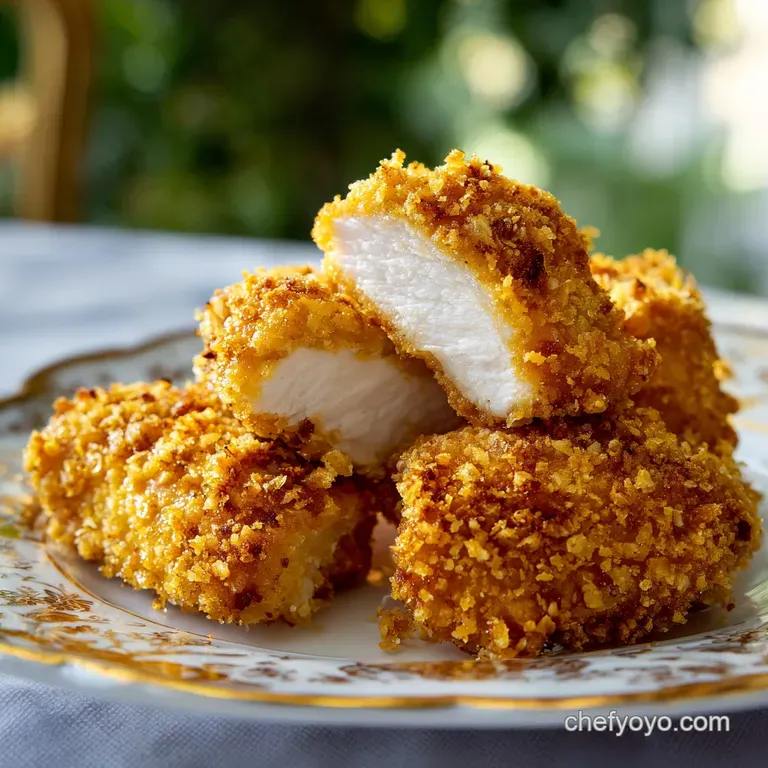
- Dry the meat. Pat the 1.5 lbs chicken thighs with paper towels. Note: Surface moisture creates steam, which prevents the Maillard reaction from occurring.
- Mix the rub. Combine the salt, pepper, paprika, garlic powder, onion powder, oregano, and cayenne in a small bowl.
- Oil the thighs. Drizzle 2 tbsp avocado oil over the chicken in a large bowl. Note: Coating the meat in oil first acts as a "glue" for the dry spices.
- Apply the seasoning. Toss the chicken with the spice mix until every crevice is coated in red.
- Arrange the tray. Place the meat on the baking sheet with at least 1 inch of space between each piece.
- Preheat correctly. Ensure your oven is at 400°F until the internal thermometer clicks.
- Roast the chicken. Slide the tray into the center rack for 25 minutes.
- Monitor the sizzle. Bake until the edges are dark and the fat is bubbling.
- Check the temp. Remove the tray when the thickest part of the meat hits 165°F.
- Rest the meat. Let the chicken sit on the tray for 5 minutes until the juices redistribute.
Chef's Note: If you want a more "contemporary" look, sprinkle some toasted sesame seeds or fresh micro greens over the thighs immediately after they come out of the oven.
Correcting Texture and Heat Issues
Even the simplest boneless chicken thighs oven recipe can hit a snag. But what about the sogginess? We'll get to that. Usually, it's a matter of moisture control or pan choice.
Why Your Chicken Is Rubbery
If the meat feels bouncy or tough, you likely undercooked it. While 165°F is the "safe" zone, chicken thighs actually benefit from going up to 175°F. This extra heat helps the collagen in the dark meat break down into gelatin, creating a much more tender, melting texture.
| Problem | Cause | Fix | Pro Tip |
|---|---|---|---|
| Pale surface | Oven too cold | Crank to 425°F | Move tray to top rack last 5 mins. |
| Dry edges | Over trimming fat | Leave small fat caps | Fat protects the meat from drying. |
| Soggy bottom | Overcrowded pan | Use two pans | Never let the thighs touch. |
Creative Adaptations for Global Flavors
I love a good fusion twist. The base recipe is a blank canvas. If you want to take this in an Asian inspired direction, try replacing the oregano with a teaspoon of ground ginger and a splash of toasted sesame oil.
- Zesty Mediterranean: Swap paprika for dried lemon peel and double the oregano.
- Spicy Gochujang: Mix 1 tbsp of Korean chili paste into the oil before rubbing.
- Herbaceous Ranch: Use dried dill, parsley, and chives instead of the paprika and cayenne.
Decision Shortcut
- If you want maximum crunch: Use a wire rack over your baking sheet.
- If you want a saucy finish: Brush with BBQ sauce or honey during the last 5 minutes.
- If you want deep infusion: Season the meat 12 hours before cooking and keep it uncovered in the fridge.
Preserving Moisture and Quality Safely
Leftover baked boneless chicken thighs are a gift for your future self. They hold up much better than breasts when reheated because of that higher fat content.
Storage: Keep the cooked chicken in an airtight container in the fridge for up to 4 days. I find that a glass container keeps the flavor "cleaner" than plastic.
Freezing: You can freeze the cooked thighs for up to 3 months. Wrap them individually in parchment paper then stick them in a freezer bag to prevent freezer burn.
Zero Waste: Don't throw away the juices left on the baking sheet! That "liquid gold" is packed with flavor. Pour it over some steamed rice or use it to sauté some kale or spinach.
If you have trimmed off bits of fat before cooking, render them down in a small pan to make "schmaltz" for roasting potatoes later.
Modern Plating and Pairing Techniques
Presentation is where you can really show off your creative side. Instead of just plopping the chicken on a plate, slice it into 1/2 inch strips against the grain. This makes it look more substantial and shows off the contrast between the dark crust and the juicy interior.
For a contemporary pairing, serve these over a bed of cauliflower purée or a bright, citrusy slaw. The acidity of a vinegar based salad cuts through the richness of the chicken fat perfectly.
If you are feeling extra fancy, a drizzle of "hot honey" or a dollop of Greek yogurt mixed with lime juice adds a cooling, sophisticated finish.
This dish pairs perfectly with a crisp white wine or even a light bodied red like a Pinot Noir, which can stand up to the smokiness of the paprika without overwhelming the poultry.
Addressing Common Roasting Concerns
People often ask me about the "best" way to handle chicken thighs in oven when things aren't going perfectly according to the plan. Here is the reality of the home kitchen.
The Myth of Searing to Seal Juices
Many people think you must sear the chicken in a pan before putting it in the oven to "trap" the moisture. This is a total myth. Searing creates flavor through the Maillard reaction, but it doesn't physically seal anything.
In this recipe, the 400°F oven air is hot enough to create that same flavor profile without the extra step of pan searing.
Cooking From Frozen
But what if you forgot to take the meat out? You can cook boneless chicken thighs oven from frozen, but you need to adjust your expectations. The rub won't stick as well, and you'll need to increase the cook time by about 50% (roughly 35-40 minutes).
Always use a thermometer to ensure the center hits 165°F.
| Strategy | Fast Method (400°F) | Classic Method (350°F) |
|---|---|---|
| Texture | Crispy edges, juicy middle | Evenly tender, less "crust" |
| Time | 25 minutes | 45 minutes |
| Best For | Quick weeknight meals | Slow roasting with veggies |
Right then, you're ready to master the thighs in oven. It’s one of those foundational recipes that, once you nail the technique, becomes a weekly staple. Don't be afraid to get heavy handed with that smoked paprika the color alone is worth it! For another comforting poultry dish, try my How to Make recipe which uses a similar baking philosophy with a creamy twist. Happy roasting!

Recipe FAQs
How do I cook boneless chicken thighs in the oven without drying them out?
Yes, you can keep them moist. Thighs are forgiving due to high fat content; roast them at a consistent 400°F for 20 25 minutes until the internal temperature hits 165°F. Be sure to season them generously and let them rest for 5 minutes post oven.
What is the best temperature for cooking boneless chicken thighs in the oven?
400°F is recommended for best results. This higher temperature promotes excellent Maillard reaction (browning/crust development) on the exterior while the internal fat renders sufficiently to keep the meat tender.
Cooking low and slow often results in a steamed texture without the desired crispiness.
How long do boneless chicken thighs need in the oven at 400°F?
Expect 20 to 25 minutes total roasting time. This estimate is for thighs that are fully thawed and roughly 6 8 ounces each. Always rely on an instant read thermometer inserted into the thickest part to confirm they have reached a minimum of 165°F for safety.
Can I cook boneless, skinless chicken thighs with BBQ sauce in the oven?
Yes, but apply the sauce near the end. Bake the thighs plain for about 15 minutes first to allow the meat to cook through and firm up slightly. Apply the BBQ sauce in the final 5 10 minutes to prevent the sugar in the sauce from burning before the meat is done.
How can I achieve crispy skinless boneless chicken thighs in the oven?
Use high heat and ensure dryness. Pat the thighs completely dry and coat them thinly with an oil that has a high smoke point, like avocado oil. Baking them on a wire rack placed over a baking sheet allows air to circulate underneath, which is crucial for crisping both sides.
Is there a specific guideline for cooking boneless chicken thighs in the oven UK standard?
The cooking parameters are identical globally. Whether you are in the UK or US, the USDA standard of 165°F core temperature remains the safety benchmark for poultry. For tender results, aim for the higher end of the safe range, around 175°F, as dark meat handles this temperature better.
If I use frozen boneless chicken thighs, do I need to thaw them first?
No, thawing is not strictly necessary, but it affects the rub. If you must cook from frozen, add 50% more cook time, generally pushing the total time toward 35 40 minutes at 400°F.
If you want to use a surface rub, make sure you master the dry-brining technique found in our recipe discussions to pull out excess surface moisture.
Boneless Chicken Thighs In Oven
Ingredients:
Instructions:
Nutrition Facts:
| Calories | 268 kcal |
|---|---|
| Protein | 31.5 g |
| Fat | 14.8 g |
| Carbs | 1.4 g |
| Fiber | 0.4 g |
| Sugar | 0.2 g |
| Sodium | 595 mg |
