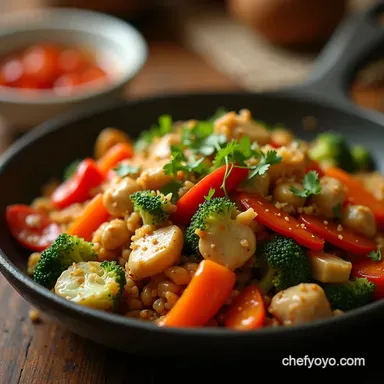
The Speedy Shanghai Chicken Veggie Stir Fry
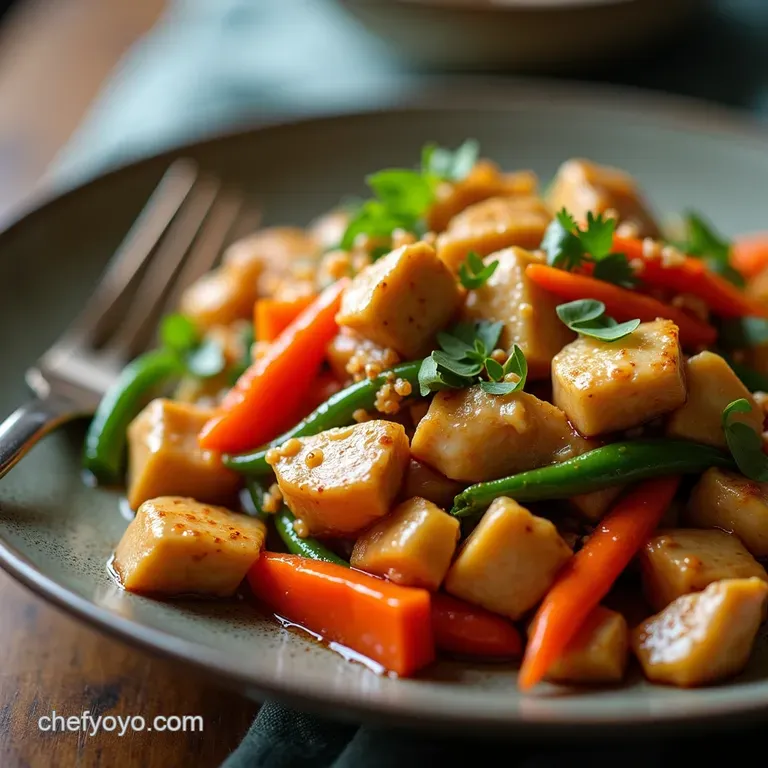
- Unlock the Secrets to Restaurant-Quality Weeknight Meals
- Why This Speedy Shanghai Chicken & Veggie Stir Fry Wins Every Time
- Assembling Your Crisp & Savoury Chicken Stir Fry Arsenal
- The Sequential Mastery: Perfecting Your High-Heat Technique
- Step-by-Step: Executing the Ultimate Chicken Stir Fry
- Elevating Your Dish: Pro-Tips and Flavor Twists
- Recipe FAQs
- 📝 Recipe Card
Unlock the Secrets to Restaurant-Quality Weeknight Meals
There’s a magic that happens when ingredients hit intense heat in a wok, a transformative process that locks in flavour and preserves vibrant texture. Many home cooks shy away from Asian-inspired cooking, believing it requires a pantry full of esoteric ingredients or hours slaving over a stove.
I’m here to dispel that myth entirely. This particular Chicken Stir Fry Recipe is designed to be your weeknight secret weapon, proving that truly magnificent food doesn't need to take all evening.
We are aiming for that perfect balance: protein that melts in your mouth, vegetables that snap when you bite them, and a sauce that clings beautifully to every piece. Get ready to redefine what a fast dinner can be.
Why This Speedy Shanghai Chicken & Veggie Stir Fry Wins Every Time
Forget those soggy, overcooked takeaways! This is the genuine article: a lightning-fast, flavour-packed Chicken Stir Fry , inspired by the fresh, balanced tastes of Cantonese cooking.
We’re talking silky, marinated chicken, crisp-tender vegetables, and a glossy sauce that hits all the right notes, salty, sweet, and deeply savoury. It’s the perfect antidote to a long day when you need something wholesome on the table in under 30 minutes.
Difficulty-wise, while the technique relies on speed, the structure of this recipe makes it an Easy level execution, provided you adhere to the golden rule of stir-frying: preparation first, cooking second.
We estimate the prep time at 20 minutes (including 10 minutes of crucial marinating), with the active cook time clocking in at just 10 to 12 minutes total for four generous servings.
The Art of the Wok: High Heat, High Reward Cooking
The fundamental difference between a good stir fry and a great one lies in thermodynamics. The wok’s curved surface allows you to rapidly move ingredients away from the direct heat source to the cooler sides, controlling the cooking process without pausing.
This high-heat method, often called Wok Hei (the breath of the wok), caramelizes surfaces quickly, delivering that signature smoky depth. If you don’t have a dedicated wok, a very large, heavy-bottomed skillet will suffice, but you must be militant about keeping that heat high.
Defeating Takeout: Flavor Profiles in Under 30 Minutes
When you order in, you pay for convenience and often a higher salt/sugar content. By making this Quick Easy Chicken Stir Fry at home, we gain complete control.
Our sauce balances the richness of oyster sauce with the brightness of rice vinegar and the depth of soy sauce, all held together by a thin veil of brown sugar. This profile ensures a Tasty Chicken Stir Fry experience every single time, hitting savory, sweet, and umami notes without relying on excessive fats or artificial flavourings.
A Weeknight Champion: Reliable Results for Exhausted Cooks
This recipe is engineered for reliability. The 10-minute marinade isn't just for flavour; it tenderizes the protein using cornstarch, a technique known as "velveting", ensuring your meat remains succulent even under aggressive heat.
Because every vegetable is chosen for its sturdy texture (broccoli, carrots, peppers), and the cooking sequence is strictly timed, you reduce the risk of mushy vegetables, guaranteeing a Healthy Chicken Stir Fry Dinner that feels like a genuine treat.
Assembling Your Crisp & Savoury Chicken Stir Fry Arsenal
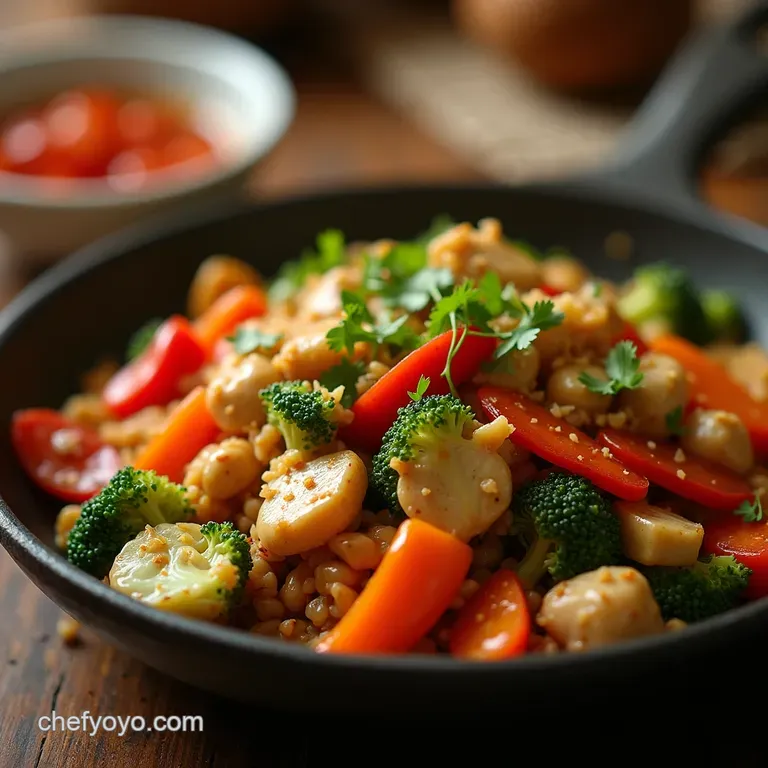
Success in the kitchen, especially with fast cooking methods, hinges entirely on your preparation, or mise en place . Before you even consider turning on the stove, every component, protein, sauce, aromatics, and vegetables, must be chopped, measured, and sitting within arm’s reach.
For this dish, we need about 1.5 lbs (680g) of boneless chicken breast or thigh, cut into uniform, bite-sized pieces, ready to be transformed by our marinade.
The Unbeatable Marinade Formula for Silky Protein
The key to avoiding dry, rubbery chicken lies right here. In a bowl, we introduce the cubed chicken to a mixture designed for both flavour penetration and moisture retention. This includes a splash of light soy sauce for salt, a teaspoon of rice vinegar for a slight tang, a hint of toasted sesame oil for nutty depth, and, most critically, one tablespoon of cornstarch.
This starch creates a protective layer that seals in juices during the high-heat sear, giving you that impossibly velvety texture characteristic of professional Chinese cooking. A final pinch of white pepper adds a gentle warmth.
Essential Produce: Sourcing Vegetables That Stay Crunchy
For an optimal texture profile in our stir fry, we need a blend of hard and soft vegetables. We rely on 2 cups of bite-sized broccoli florets, 2 medium carrots sliced thinly on the bias (diagonal cut increases surface area for quicker cooking), one large red bell pepper thinly sliced, half a yellow onion cut into wedges, and a cup of crisp snow peas.
The diagonal slicing of the carrots is crucial; it allows them to cook at the same pace as the softer ingredients, ensuring everything is ready simultaneously without any piece being tough or raw.
Beyond Soy Sauce: Crafting the Signature Glossy Glaze
The sauce is the soul of the Chicken Stir Fry Sauce Recipe . We whisk together half a cup of low-sodium chicken stock, three tablespoons of light soy sauce, two tablespoons of rich oyster sauce (or a vegetarian alternative for depth), one tablespoon of packed brown sugar for necessary sweetness, one tablespoon of rice vinegar, and one teaspoon of cornstarch to ensure a professional, clingy finish.
Whisking this thoroughly beforehand eliminates graininess and ensures quick thickening when it hits the heat.
The Essential Gear: Woks, Blades, and Prep Stations
While this can be managed in a large skillet, a proper wok is highly recommended for achieving true Easy Wok Recipes Chicken success. Its shape promotes faster evaporation and even heat distribution.
Beyond the vessel, ensure you have a very sharp knife; dull blades crush cell walls, releasing moisture prematurely and making your vegetables weep instead of sear. Finally, have small bowls ready for your pre-measured ingredients, your mise en place station should look like a professional kitchen setup.
Related Recipes Worth Trying
- The Best Crispy Slimming World Chips Recipe Air Fryer — Ditch the soggy bottoms Make chipshop worthy Slimming World chips in the air fryer or oven Fluffy inside perfectly crisp outside Find the full healthy...
- Lightning Fast Air Fryer Chicken Fajitas Recipe — Get restaurantquality charred flavour fast This Air Fryer Chicken Fajitas Recipe is perfect for a quick weeknight dinner Full cook time and temp inside
- Easy Crockpot Chicken Parmesan Soup Recipe Slow Cooker Comfort — Transform Chicken Parm into a hearty cheesy Slow Cooker Chicken Parmesan Soup Its deeply flavourful and dead easy comfort food for busy nights Get the recipe
The Sequential Mastery: Perfecting Your High-Heat Technique
Stir-frying is a fast dance; you must move with purpose. Because we are dealing with a Cheap Chicken Stir Fry Recipes approach using common ingredients, the technique must be perfect to elevate the final result.
The process requires patience during the initial sear, swift action during the vegetable incorporation, and absolute focus when the sauce is added.
Step-by-step: Executing the Ultimate Chicken Stir Fry
Once all your ingredients are prepped, the cooking process moves rapidly. Remember: high heat is your friend, but never, ever overcrowd the pan.
Phase One: Preparing the Chicken for Maximum Sizzle
Set your wok over high heat and allow it to get truly hot, wait until the added oil begins to shimmer lightly. We cook the chicken in two separate batches, using 1 tablespoon of high-heat oil (peanut or canola are excellent choices) for each batch. Add half the marinated chicken in a single layer.
Resist the urge to touch it for a full minute; this allows the high heat to sear the exterior, locking in those velvety juices created by the marinade. Once nicely coloured, toss and stir until about 90% cooked through, then immediately remove it to a clean plate.
Repeat this searing process with the remaining chicken and oil.
Sequencing the Veg: Order of Operations for Optimal Texture
Wipe the wok quickly if necessary, and return it to high heat, adding the hardest vegetables first: the broccoli and carrots. Stir-fry these for about two minutes until they begin to brighten in colour and soften slightly, indicating they are becoming crisp-tender.
Next, add the peppers, onions, and the white parts of your scallions. Cook for just one more minute. Now, create a small clearing in the centre of the wok. Add your minced fresh ginger and garlic (and the green parts of the scallions if you wish to infuse the oil here).
Stir these aromatics rapidly for about 30 seconds until fragrant, be vigilant, as garlic burns quickly!
The Grand Finale: Bringing the Sauce and Heat Together
Return all the seared chicken to the wok with the vegetables. Give your pre-mixed sauce a very quick whisk one last time (as the cornstarch settles fast!) and pour the entire mixture evenly over the chicken and vegetables. Immediately begin stirring vigorously and continuously.
Within 60 to 90 seconds, the sauce will rapidly boil and thicken into that beautiful, glossy glaze that coats every ingredient. Once thickened, remove the wok from the heat instantly to prevent any further cooking.
Elevating Your Dish: Pro-Tips and Flavor Twists
To truly make this recipe your signature, understanding adaptability is key. A great cook knows how to pivot based on what is available.
Vegetable Swaps: Mastering Adaptability for Any Season
While the broccoli/carrot/pepper combination is classic, feel free to explore. Summer yields excellent tender zucchini or yellow squash, though these cook faster and should be added right before the aromatics.
For a different crunch, try adding sliced mushrooms or water chestnuts during the last minute of vegetable cooking. The key concept for any Chicken Stir Fry With Rice preparation is balancing texture and density in your initial sauté.
Troubleshooting: Fixing Common Stir Fry Pitfalls (No Soggy Veg!)
The number one complaint is soggy vegetables. If this happens, you overloaded your wok. The temperature dropped too low, causing the vegetables to steam instead of sear. Next time, halve your recipe and cook in two separate batches.
Next,, if your sauce is too thin, it means you didn't let it boil long enough or the cornstarch wasn't fully activated. Next time, ensure you bring the sauce to a full, rolling boil while stirring constantly.
Reheating Harmony: Keeping Leftover Stir Fry Vibrant
Leftovers are fantastic, but you must reheat correctly. Do not microwave on high power, as this re-steams the vegetables. Reheat quickly in a clean wok or skillet over medium-high heat, adding just a teaspoon of water or stock to refresh the sauce and prevent sticking.
This method helps maintain the residual crispness of your ingredients.
Pairing Perfection: What to Serve Alongside Your Creation
The natural pairing for this flavour profile is, of course, steamed Jasmine Rice, which provides the perfect canvas for soaking up the glorious Chicken Stir Fry Sauce Recipe .
However, if you are looking for a complete meal without the rice, this recipe transitions beautifully into Chicken Stir Fry With Noodles . Simply double the sauce volume slightly and toss the finished stir fry with pre-cooked Hokkien or lo mein noodles in the final stages.
For an extra fresh contrast, a side of thinly sliced, chilled cucumbers lightly dressed with rice vinegar and a dash of sesame oil cuts through the richness perfectly.
Recipe FAQs
How do I stop my Chicken Stir Fry from ending up soggy?
The secret is high heat and not overcrowding the pan, think of it like giving your ingredients personal space to sizzle! Make sure your wok or skillet is piping hot before anything goes in, and cook the chicken in batches so it actually browns rather than steams. This is key to a crisp-tender result.
What's the best way to prep the chicken so it stays tender?
It’s all down to the cornstarch marinade, bless it! That tablespoon of cornstarch mentioned in the recipe is crucial; it creates a protective coating that seals in the juices, a technique sometimes called 'velveting.' Let it sit for those 10 minutes, it makes all the difference when you sear it.
Can I use frozen vegetables in this Chicken Stir Fry recipe?
You certainly can, especially when time is of the essence, but you must thaw and thoroughly pat them dry first! Frozen vegetables release a lot of water when heated, which will cool down your wok instantly.
If you're using them, add them last and cook them just until heated through, not for the full duration required for fresh veg.
How long can I keep leftovers of this stir fry in the fridge?
Like most stir-fries, this dish is best eaten fresh, but leftovers will keep happily in an airtight container in the fridge for about three to four days. When reheating, do it quickly in a hot pan (or even the microwave for a minute) to try and revive some of that original texture.
My sauce isn't thick enough! What did I do wrong?
Don’t panic, it happens to the best of us! If your sauce is still watery, the cornstarch may have settled before you poured it in, or your heat wasn't high enough. Quickly whisk another half teaspoon of cornstarch with a teaspoon of cold water (a slurry) and drizzle it into the bubbling sauce while stirring vigorously until it thickens up nicely.
If I want to make this healthier, what swaps should I make?
To keep things lighter, swap the chicken breast for skinless chicken breast or firm tofu, and use low-sodium soy sauce to keep the salt down. Serve it over cauliflower rice instead of traditional white rice, and be mindful not to use too much oil during the cooking process.
Foolproof 30Minute Chicken Stir Fry Recipe Glossy Sauce