Braised Lamb Shanks with Parmesan Risotto: Restaurant-Quality at Home
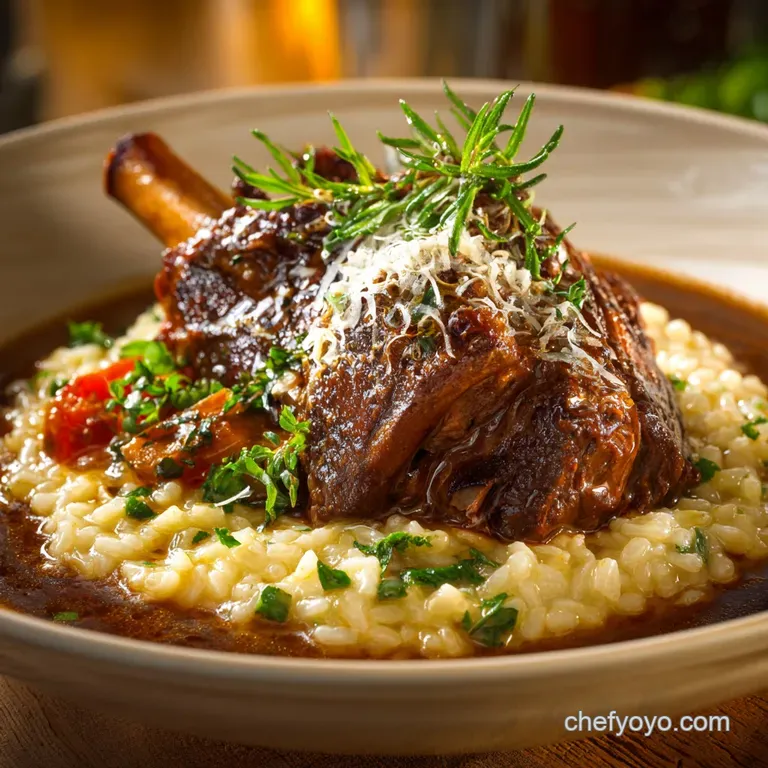
- Elevating the Comfort Classic: Braised Lamb Shanks with Parmesan Risotto
- Why This Slow and Cooked Feast Deserves Your Sunday
- Sourcing the Key Components for Deep Umami Flavor
- Essential Tools and Preparation Checklist
- Phase I: Developing Depth – Searing, Deglazing, and Setting the Stage
- Phase II: The Art of Patience – Oven Management and Flavor Integration
- Phase III: Mastering the Creaminess for Perfect Parmesan Risotto
- Expert Tips for Flawless Braising and Risotto Every Time
- Storage, Reheating, and Make and Ahead Strategies
- Recipe FAQs
- 📝 Recipe Card
Elevating the Comfort Classic: Braised Lamb Shanks with Parmesan Risotto
Okay, let’s talk serious comfort food. Forget about those quick thirty and minute weeknight dinners for a second. This Braised Lamb Shanks with Parmesan Risotto recipe is the kind of commitment cooking that makes your entire house smell like a Michelin and starred winter cabin for four hours.
It demands patience, but honestly, the hands and on work is minimal. We're chasing that fall and off-the and bone, sticky, rich, umami and bomb flavour profile. I’ve messed up plenty of shanks in my time dry, tough, watery sauce so trust me when I say, I’ve refined this method until it’s absolutely foolproof.
Get ready to impress yourself.
Why This Slow and Cooked Feast Deserves Your Sunday
If you think lamb is too gamey or too fussy, you just haven't had it braised correctly. Braising takes all the tough, stubborn connective tissue and transforms it into succulent, glossy, melting meat. It’s magic, truly. This dish isn't just about the lamb, though.
It’s the perfect synergy between that intense, deep red wine gravy and the soft, creamy, slightly tart counterpoint of Parmesan Risotto. Trying to serve this rich sauce over plain mashed potatoes feels like a wasted opportunity, right? The risotto catches every last drop of that gorgeous liquid.
It’s brilliant.
The Science of Fall and Apart Tenderness: Understanding the Braising Process
Lamb shanks have a ton of collagen. When you cook meat fast, collagen tightens up, giving you a tough, chewy piece of protein. But when you cook it slowly (I mean slowly ), consistently maintaining a temperature between 160°C and 180°C (320°F 350°F), that collagen gradually melts.
It transforms into gelatin, which is what gives the meat that incredible, moist, and sticky texture. That’s why we use a liquid bath (the braising liquid). It regulates the temperature, keeps the meat hydrated, and loads it up with flavour. It’s less cooking, more alchemy.
The Perfect Culinary Marriage: Pairing Rich Sauce with Creamy Starch
Why risotto? Because traditional risotto is cooked until it achieves the all'onda stage meaning it flows like a wave. It should be loose, not stiff. That specific creamy, slightly undercooked (al dente) texture acts like a sophisticated sponge, absorbing the dense, reduced gravy from the shanks without turning into a sodden mess.
It adds a slight tanginess from the white wine and a wonderful salty kick from the Parmesan that cuts through the fattiness of the lamb. Trust me, once you go Parmesan Risotto (Parmesan Risotto!), you won't go back to spuds.
Sourcing the Key Components for Deep Umami Flavor
The quality of your ingredients here matters, especially since they are spending hours mingling together. Go talk to your butcher for the lamb shanks. Tell them you want four decent and sized ones around 350g (14oz) each.
Don't worry about trimming every last bit of fat; that fat renders down and adds massive flavour to the sauce, which we’ll strain out later anyway.
The biggest mistake I see? Using bad wine for the braise. I hear people say, "Oh, it's just for cooking, cheap stuff is fine." Absolutely not. If you wouldn't drink it, don't cook with it. The alcohol evaporates, but the concentration of the flavour remains.
You want a dry, robust red wine like a Cabernet Sauvignon or a simple Merlot. Nothing overly sweet. That deep flavour is what makes the Red Wine Braised Lamb Shanks so spectacular.
Essential Tools and Preparation Checklist
You absolutely need a proper Dutch oven for this. The thick walls ensure even heat distribution, and the heavy lid keeps the steam and moisture locked in, which is crucial for achieving that fall and off-the and bone softness.
If you try this in a flimsy metal pot, your liquid will evaporate, and your shanks will dry out. Don't risk it.
Selecting Quality Lamb and Red Wine for the Braise
- Lamb: Choose fore and shanks if you can. They are often smaller and cook slightly faster, but the hind shanks are meatier. They should look rosy red and feel firm.
- Wine: As mentioned, robust and dry. I usually grab something around the $10 $15 range (not the $5 bottle, please). We only need one cup, but it's the heart of the braising liquid.
Pantry Staples for Building the Aromatic Risotto Base
You need proper Arborio rice for the Parmesan Risotto. Don't try to substitute it with long and grain or basmati rice. It won't have the necessary starch structure to achieve that signature creaminess. Also, always, always use freshly grated Parmigiano Reggiano.
The pre and grated stuff is often mixed with anti and caking agents, and it just melts poorly. Honestly, don't even bother with low and fat cheese here. It's just not the same.
Necessary Kitchen Equipment for Hands and Off Slow Cooking
A heavy pot and a reliable oven are the main things. Keep a small saucepan handy for heating your stock for the risotto this is a non and negotiable step that we will discuss in Phase III.
Substitutions and Dietary Swaps for Lamb and Dairy
If you can’t source lamb shanks, this exact recipe works beautifully for Braised Beef Short Ribs or Oxtails. You may need to increase the cooking time by 30 to 45 minutes, but the process is identical.
If you need a dairy swap, you can achieve a decent level of creaminess in the risotto using good quality plant butter and nutritional yeast instead of Parmesan. You’ll lose the subtle nutty depth, but you’ll keep the texture.
Related Recipes Worth Trying
- Green Bean Casserole: Scratch Made with Crispy Shallots — Green Bean Casserole gets a chef approved upgrade! This rich, scratch made recipe uses fresh beans, wild mushroom sauce, and deeply savory homemade crispy...
- Caprese Chicken Burgers Juicy Grilled Patties with Balsamic Glaze — Caprese Chicken Burgers are your ideal summer dinner. Learn how to make juicy ground chicken Caprese burgers topped with melted mozzarella and a rich...
- Brussels Sprouts and Bacon Recipe: Ultra Crispy Roasted with Maple Glaze — The ultimate Brussels Sprouts and Bacon recipe guarantees crispy roasted perfection. This easy Thanksgiving side dish is finished with a sweet, tangy maple...
- Brussels Sprouts Butternut Squash Pasta with Sage Brown Butter Sauce — Brussels Sprouts Butternut Squash Pasta is the ultimate fall comfort dish. Master the Sage Brown Butter Sauce for this rich and hearty Fall Pasta Dinner...
- Blueberry Mojitos with Lavender Syrup: Elegant Garden Party Refresher — Blueberry Mojitos with Lavender Syrup elevate the classic. Learn this simple Blueberry Mojito Recipe, featuring homemade floral lavender syrup and fresh...
- Pumpkin Roll Recipe Easy: Crack Free Roulade with Tangy Cream Cheese — This Traditional Pumpkin Roll is the autumn classic you need. Learn the crack free technique for a perfect Spiced Pumpkin Roll, complete with a silky...
Phase I: Developing Depth Searing, Deglazing, and Setting the Stage
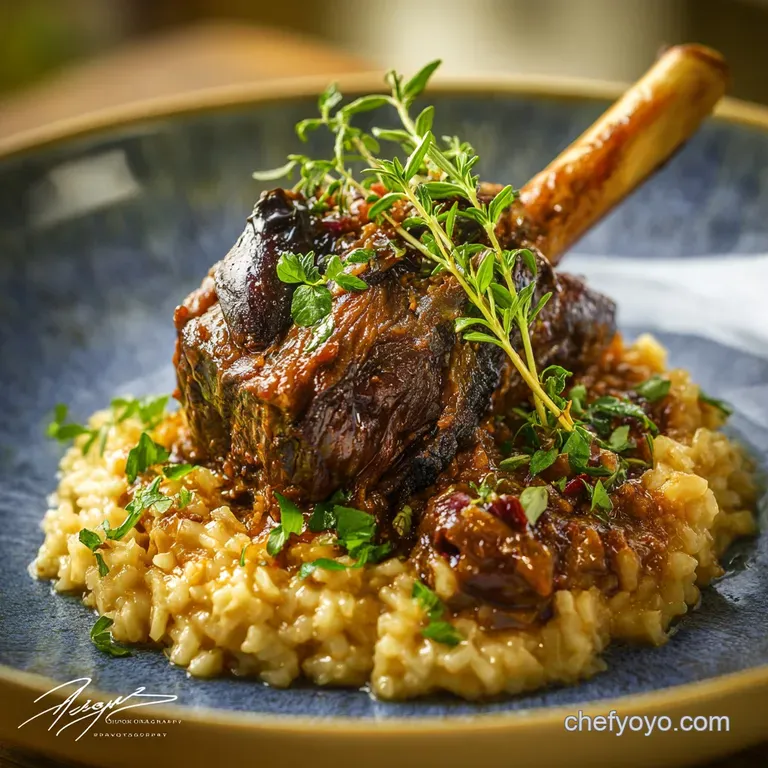
But where does the flavour start ? It starts with the sear. You need to be brave. Pat those lamb shanks super dry (critical!), dust them lightly in seasoned flour, and then sear them in hot oil until they are almost black. Not burnt, but seriously, deeply browned.
If you rush this and the lamb shanks are pale, your finished sauce will be weak. I learned this the hard way once when I was impatient and ended up with a gorgeous scent and a bland flavour.
Once the shanks are seared and set aside, you use that same pot full of delicious, caramelized brown bits stuck to the bottom (that’s called fond ) to sauté your carrots, onions, and celery. Don’t clean the pot!
Cook the veggies until they're soft, then scrape in the tomato paste. Cook the paste for a minute until it looks a little rusty; this concentrates the flavour. Then, hit it with the red wine. Pour it in and scrape up every bit of that fond with your wooden spoon.
That’s the deglazing step, and it is the single most important flavour injection in this whole Braised Lamb Shanks Recipe.
Phase II: The Art of Patience Oven Management and Flavor Integration
Right then, time to set the clock and forget about it (mostly). Once the liquid is simmering, the lamb is back in the pot, and the herbs are nestled nicely, pop that Dutch oven into a relatively cool oven 160°C (325°F). Seriously, keep it low and slow.
Low heat is the secret to getting that perfect, gelatinous tenderness. High heat makes the proteins seize up.
WARNING: Never check the shanks early. Resist the urge! Opening the lid frequently drops the oven temperature, lets steam escape, and drastically increases the cooking time. Wait at least 2. 5 hours before your first temperature check.
After three hours, the house will smell unbelievable. You should be able to press the meat gently with a fork and watch it flake away. If it resists at all, it needs another 30 minutes. Once they are perfect, lift the shanks out gently and rest them. Now we attack the sauce.
Strain that liquid, discarding the spent vegetables and herbs. Put the liquid back on the stove and boil it down until it coats the back of a spoon. This reduction step turns your braising liquid into a velvety, restaurant and quality gravy.
Phase III: Mastering the Creaminess for Perfect Parmesan Risotto
Making risotto is less complicated than people think, but it does require 20 minutes of your undivided attention.
Achieving the Deep, Flavorful Crust on the Shanks
Remember that tough searing step we talked about? The key here is high heat and crowding the pan as little as possible. Sear in batches! If you put all four shanks in at once, the temperature of the oil drops, and the meat steams instead of searing. We want crust, not steam.
Building the Aromatic Mirepoix and Herb Bouquet
When you’re chopping the celery, carrots, and onions for the braise (the mirepoix ), don't worry about perfect small dice. They will spend four hours cooking down, so chunky is fine. For the herbs, tuck the sprigs of rosemary and thyme down deep into the liquid.
They will infuse everything beautifully, and since we strain the sauce later, you don't have to pick out the leaves one-by-one.
Post and Braise Gravy Reduction and Final Seasoning Checks
Once the strained liquid is simmering for reduction, taste it . If it tastes a little flat, add a tiny splash of Worcestershire or a pinch more salt. If it tastes too acidic (sometimes happens if the wine was aggressive), a tiny pinch of sugar can balance it out.
Reduce it until it’s thick enough to cling to the meat.
The Sequential Process for Creating Ideal Braised Lamb Shanks with Parmesan Risotto
- Prep the Stock: Get the stock simmering and keep it hot. Seriously, this step is vital.
- Toast the Rice ( Tostatura ): Sauté the shallots, then add the dry rice grains. Toast them for two minutes, stirring constantly until they are hot and the edges are translucent.
- The Wine: Add the white wine (a dry Pinot Grigio works great) and stir until fully absorbed.
- The Lading: Add the hot stock, one ladleful at a time, stirring until nearly absorbed before adding the next. This gentle friction releases the starch.
- The Final Touch: After about 18 minutes, the rice should be tender but still slightly chewy ( al dente ). Remove it from the heat immediately.
Finishing Techniques: Mantecare and Resting the Risotto
You’ve cooked the rice perfectly. Now for the mantecare (the finishing step). This is where the magic happens. While the pan is off the heat , rapidly stir in a dollop of cold butter and the grated Parmesan.
The cold butter helps emulsify the starches and makes the risotto incredibly creamy and glossy. Give it a minute, stir it vigorously, and watch it transform into that lovely, flowing all'onda texture. Serve it immediately; risotto waits for no one.
Expert Tips for Flawless Braising and Risotto Every Time
| Technique Focus | Tip for Success | Why it Works |
|---|---|---|
| Braising Liquid | Always cover the shanks completely, adding water if the stock runs short. | This prevents the tops of the meat from drying out and seizing up. |
| Resting Meat | Rest the shanks (covered) for 10- 15 minutes after braising before reducing the sauce. | This allows the juices to redistribute back into the meat, ensuring maximum tenderness. |
| Risotto Texture | Use a wide, heavy and bottomed pan, not a deep pot. | The wide surface area allows the liquid to evaporate quickly and evenly, ensuring proper starch release. |
Storage, Reheating, and Make and Ahead Strategies
This Braised Lamb Shanks with Parmesan Risotto recipe is fantastic for making ahead, provided you treat the components separately.
You can braise the lamb shanks (Red Wine Braised Lamb Shanks!) and reduce the sauce entirely up to three days in advance. Store the shanks submerged in the gravy in the fridge. When ready to serve, gently reheat them in the sauce in the oven until piping hot.
They will actually taste better the next day, as the flavours will have deepened.
The risotto, however, must be made fresh. Reheating leftover risotto is a struggle it loses its creaminess and turns into a thick, sticky brick. If you do have leftovers, the best way to reheat is to turn the leftover risotto into arancini (fried rice balls).
Troubleshooting Common Braising Issues (Too Dry or Too Tough Meat)
If your meat is tough, it almost certainly means it hasn't cooked long enough. If the temperature was right (low and slow), the meat simply needs more time for the collagen conversion. Don't panic; cover it up and stick it back in the oven for another 45 minutes.
If the meat is tough and dry, you likely lost too much liquid. Add another cup of stock, cover it tightly, and resume cooking.
Maximizing the Creaminess of Your Homemade Arborio Rice
Stir, stir, stir. It sounds boring, but the physical stirring motion is what gently rubs the rice grains against each other, encouraging the starches to leave the grain and thicken the liquid. That is how you get that incredible, deep creaminess without adding actual cream. Never stop stirring.
Nutritional Overview of Braised Lamb Shanks with Parmesan Risotto
Yes, this is a rich meal. It’s a celebratory dish! Due to the long cooking time, a lot of the fat from the lamb renders out into the sauce. If you want to make it slightly lighter, chill the reduced sauce overnight and scrape off the solidified fat cap before reheating. It makes a significant difference.
Serving Suggestions to Complete Your Luxury Meal
Because the lamb and the risotto are so rich, I always pair this with something bright and green. A simple Gremolata (parsley, lemon zest, and garlic, finely minced) sprinkled over the top adds a wonderful, citrusy explosion that instantly cuts through the heavy sauce.
Or, just serve a side of blanched green beans tossed with a little sea salt. Keep it simple; the main event is already perfect.
Recipe FAQs
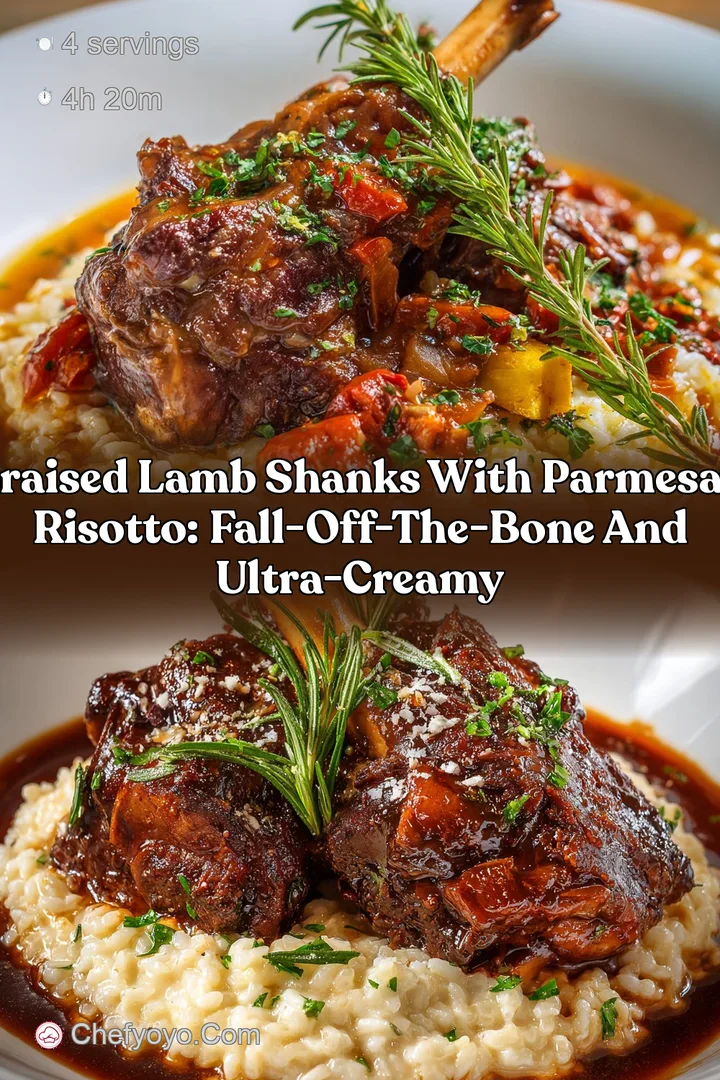
Can I make the Braised Lamb Shanks with Parmesan Risotto ahead of time for a proper Sunday lunch?
Absolutely. Braising is better the next day! Cook the shanks fully, chill, then reheat gently. Make the risotto fresh just before serving.
Help! My Parmesan risotto is thick and stodgy, not creamy and loose (all'onda). What went wrong?
You likely used cold stock or skipped the mantecare. Always use simmering stock, and finish off the heat by vigorously mixing in cold butter and Parmesan.
I don't want to use red wine in the braise. Is there a good substitute that keeps the rich flavour?
Yes, swap it for a hearty dark ale, stout, or rich beef stock mixed with a splash of balsamic vinegar. You won't miss the claret.
My lamb shanks have been cooking for hours, but they aren't falling off the bone yet. Should I give up?
No! True tenderness requires patience. Ensure your oven temperature is low (325°F/160°C) and keep braising until the meat yields easily, possibly another 30 60 minutes.
What garnish or simple side is best to cut through the richness of the dish?
A vibrant Gremolata (parsley, lemon zest, garlic) is perfect. The fresh acidity slices right through the rich sauce, offering a fantastic contrast.
Braised Lamb Shanks With Risotto
Ingredients:
Instructions:
Nutrition Facts:
| Calories | 831 kcal |
|---|---|
| Protein | 25.4 g |
| Fat | 31.6 g |
| Carbs | 111.3 g |
