Lobster Tail: Broiled Split with Garlic-Herb Butter
Introduction & Overview (Lobster Tail)
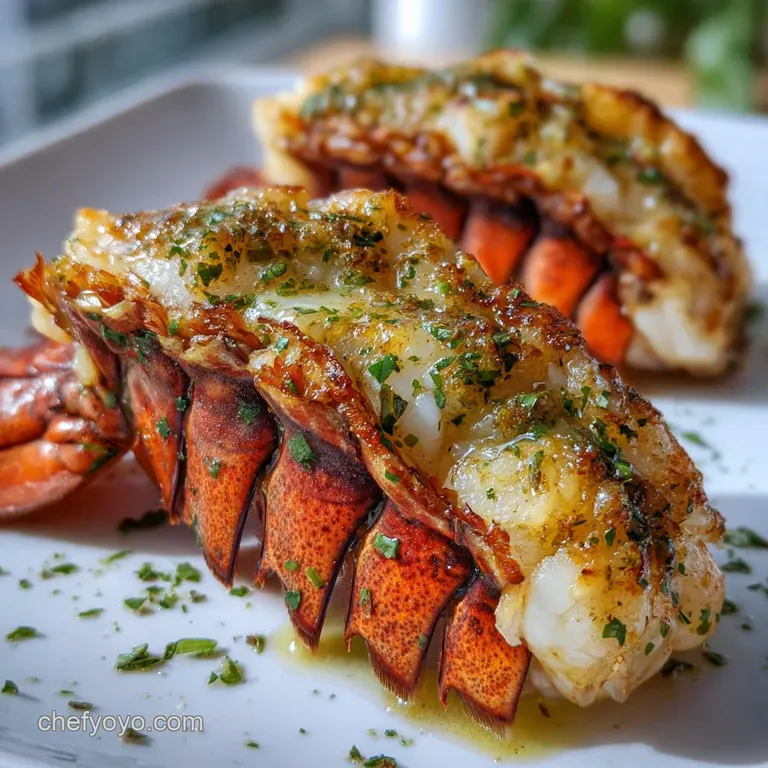
The smell of hot butter and lemon makes my kitchen feel like a tiny seaside shack; when the broiler hits the garlic-herb glaze the aroma is almost intoxicating. Lobster Tail sizzle under heat and the meat firms to a tender, slightly sweet bite that flakes apart like perfectly poached cod.
This Lobster Tail recipe is fast, showy, and actually doable on a weeknight so let’s crack on and get to the recipe.
My go-to is broiled, split tails with a garlic-herb butter that browns just enough to add a little caramelized flavor without drying the meat. Making Lobster Tail at home saves money compared to restaurant plates and takes under 30 minutes from prepped to plated.
In the next sections I’ll walk you through why it works, exact ingredients with swaps, step-by-step technique, and the rescue tricks I use when the broiler gets feisty.
Why This Recipe Works
The first sentence here: This Lobster Tail method balances quick, intense heat with a protective butter barrier so the meat cooks evenly without turning rubbery. Short bursts of broiler heat caramelize the butter and herbs, giving a toasty top while the inside stays moist because the shell and butter insulate the meat.
The result is a restaurant style finish that’s repeatable at home.
Quick snapshot: flavor, texture and timing
It’s buttery and bright. The meat should be tender, slightly sweet, and glossy from the butter, with lightly browned edges. Total active time is about 28– 32 minutes and yields a dramatic plate.
Why split tails are ideal for broiling
Splitting exposes the meat so the broiler can brown the top quickly. You get that char without overcooking the whole tail. Presentation is another win the meat sitting proud on the shell looks fancy without extra fuss.
Essential equipment and prep time
Just kitchen shears, a baking sheet, and an instant-read thermometer will do. Prep is 20 minutes active, plus 24 hours if you need to thaw Frozen Lobster safely in the fridge.
How garlic-herb butter amplifies natural sweetness
Butter is fat and flavor. It transfers heat gently while carrying garlic and lemon into the meat, emphasizing sweetness. Use a touch of olive oil if your broiler smokes too much.
How broiling creates a lightly charred finish without drying
High, direct heat quickly browns the top while the interior stays insulated. Keep tails 6 8 inches from the element and watch closely. Pull them the second they go opaque and just firm.
Why splitting the shell improves cook control and presentation
Splitting lets you baste under the meat and finish with a glossy butter wash. It also makes the tail easier to eat and prettier on the plate. Plus it’s oddly satisfying to pry the shell open.
Ingredients & Substitutions
The first sentence here: For authentic flavor, we use lobster tails, unsalted butter, fresh lemon, garlic, and fresh herbs. Below is the exact ingredient list and sensible swaps so you can improvise without destroying the final result.
-
2 lobster tails, 6 8 oz (170 225 g) each, shell-on (fresh or fully thawed)
- Substitute: large langoustine or king prawns for a similar look and shorter cook time.
-
6 tbsp unsalted butter (85 g), softened
- Substitute: ghee or clarified butter (lactose free) or extra-virgin olive oil for a lighter option.
-
1 tbsp extra-virgin olive oil (15 ml) optional
- Substitute: neutral oil like avocado oil if you want less olive flavor.
-
2 cloves garlic, minced (about 2 tsp / 6 g)
- Substitute: 1/2 tsp garlic powder in a pinch, but fresh is better.
-
1 tbsp finely chopped fresh parsley (3 g)
- Substitute: 1 tsp dried parsley (reduce salt).
-
1 tsp chopped chives or tarragon (optional)
- Substitute: 1 tsp dried tarragon plus a touch less salt.
-
1 tsp lemon zest (about 1/2 lemon) and 1 tbsp lemon juice (15 ml)
- Substitute: 1 tsp white wine vinegar if you need acid.
-
1 2 tsp kosher salt (5 10 g), divided
- Substitute: sea salt or table salt (use half the amount of table salt).
-
Pinch cayenne or smoked paprika (optional)
- Substitute: chili flakes or a tiny dash of chipotle powder.
Chef's Note: If you see a dark vein running down the meat, remove it it’s harmless but gritty. I learned that the gritty bite ruins the moment.
Exact ingredient list with measurements and role of each item
The butter carries flavor and insulates. Lemon brightens. Garlic and herbs add aromatics. Salt seasons, and the olive oil keeps the butter stable under broiling heat. Lobster Tail is the star; everything else exists to make that sweetness sing.
Butter and flavoring swaps: oils, citrus, and herb alternatives
Use ghee for a cleaner butter flavor. Use orange zest for a sweeter note in holiday menus. Tarragon gives a subtle anise edge that pairs beautifully with shellfish. Trust me, small swaps transform the profile.
Salt, acid and heat: balancing the garlic-herb butter
Salt brings out natural sweetness; acid cuts richness. Add lemon juice last so the butter doesn’t separate. Taste the butter on a fingertip you should notice brightness and a little heat.
How to tell if tails are fresh
Fresh tails are firm, slightly translucent with no fishy odor. If the meat smells briny and sweet, you’re good. Avoid tails that smell off or feel mushy.
Safe thawing in the refrigerator (24-hour guideline)
Place frozen Lobster Tail in the fridge on a plate for 24 hours. Keep sealed to avoid cross-contamination. Do not microwave-thaw it ruins texture.
Sizing guide: how tail weight changes cook time
Smaller 4 5 oz tails need about 6 minutes; 8 10 oz can take 10+ minutes. Add ~ 2 minutes per additional 2 oz. Use an instant-read thermometer to be precise.
step-by-step Instructions
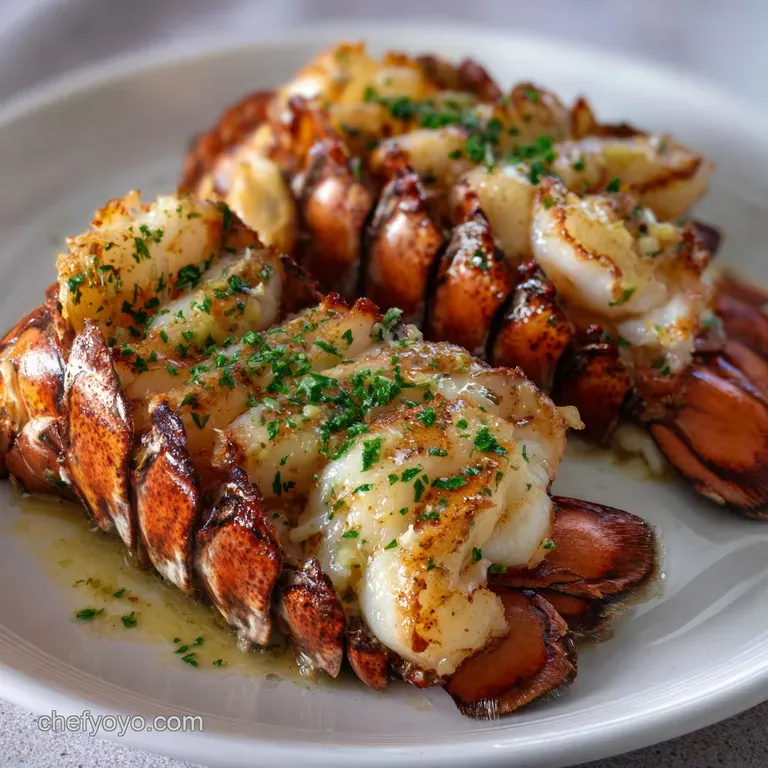
The first sentence here: This Lobster Tail method is all about prep, timing, and a quick blast of heat under the broiler. Line up your tools, preheat, and mix the butter before you touch the shells. Work confidently; the shell helps protect the meat.
Thaw and preheat
- If Frozen Lobster, thaw 24 hours in the refrigerator and pat dry. Place oven rack 6 8 inches from the broiler and preheat to high. Short break. Ready the baking sheet and an oven-safe rack.
Prepare garlic-herb butter
- Combine softened butter, olive oil, minced garlic, chopped parsley and chives, lemon zest and juice, salt, pepper, and cayenne in a small bowl. Mix until smooth and scoop out 1 2 tbsp to reserve for finishing. The butter should smell bright and garlicky, not raw.
Split the lobster tails (butterfly)
- Lay the tail flat, shell side down. Use kitchen shears to cut through the top of the shell from the open end toward the tail tip, stopping before the fan. Pry the shell open and gently loosen the meat; lift it to rest atop the shell. Remove any dark vein. The cut should look like a book opened to sunshine.
Season and baste
- Lightly season exposed meat with a little kosher salt and pepper. Spoon or brush a generous layer (≈1 1½ tbsp per tail) of garlic-herb butter over the meat, pushing some under when possible. The meat should glisten.
Broil the lobster tails
- Place tails meat-side up on the rack over the baking sheet. Broil 6– 10 minutes, depending on size. Rotate tray if your broiler has hot spots. Watch for the meat turning opaque and edges taking on a light brown; internal temp 140 145°F (60 63°C).
Finish and rest
- Remove from oven and immediately brush with reserved melted butter or top with a pat so it melts. Let rest 2 minutes. Garnish with parsley and serve with lemon wedges and drawn butter. The texture should be tender and slightly firm, not rubbery.
Hands-on technique: splitting, buttering, and timing
The first sentence here: Technique matters more than theatrics when cooking Lobster Tail. Keep your motions decisive and gentle. I once hacked too deep and split the meat learned that the hard way.
Prep: trimming, cleaning and making the central cut (butterflying)
Short and careful. Cut the shell but leave the tail fan attached. Slide fingers between shell and meat to free it gently, like tucking in a napkin.
Apply garlic-herb butter and seasoning evenly
Brush on generously. Push some butter under the meat for protection and flavor infusion. The meat will steam slightly and stay juicy.
Broil: rack placement, oven distance and timing by size
Keep tails 6 8 inches from broiler. Smaller tails need ~6– 7 minutes; larger tails need 8 10+ minutes. Keep a close eye; broilers can go from perfect to overdone in 90 seconds.
Resting and checking for doneness using visual cues and a thermometer
Let rest 2 minutes. When meat is opaque and pulls apart in flakes, it’s done. If you have a thermometer, aim for 140 145°F.
Safe shell-splitting methods to expose meat without shredding
Use kitchen shears rather than brute force. If the shell is tough, a quick tap with the back of a knife helps. The goal: reveal the meat without cutting deeply into it.
Even butter distribution and finishing under the broiler for caramelization
Finish with a last brush of reserved butter before the final 30 seconds under the broiler if you like extra color. That tiny trick gives a glossy, caramelized top.
Chef's Tips & Common Mistakes
The first sentence here: Don’t overcook. Cook too long and the texture becomes rubbery almost instantly. Here's what trips people up and how to fix it.
- Mistake 1: Broiling too close to the heat. Move the rack down a notch and watch the first tails so you learn how your broiler behaves.
- Mistake 2: Not thawing properly. If tails are icy, they’ll steam and never brown. Thaw 24 hours in the fridge.
- Mistake 3: Under-buttering the meat. Use enough so the top browns but the interior stays moist about 1 1½ tbsp per tail.
Storage & Freezing (Lobster Tail)
The first sentence here: Cooked Lobster Tail keeps in the fridge for 2 3 days in an airtight container. For freezing, flash-cool then freeze flat in a sealed bag for up to 3 months. Reheating gently prevents drying.
- Fridge: Store raw tails on the bottom shelf for up to 2 days; cooked tails 2 3 days.
- Freezing raw: Wrap tightly and freeze up to 3 months. Thaw in fridge 24 hours before cooking.
- Freezing cooked: Cool quickly, pat dry, brush with a little butter, and freeze in an airtight container. Reheat in a 300°F (150°C) oven for 8– 12 minutes or gently in a butter bath (sous vide style) until warmed through.
Serving Suggestions
The first sentence here: Serve Lobster Tail with simple sides that don’t compete think roasted asparagus, garlic mashed potatoes, or buttered corn. For drinks, a crisp sparkling wine or a bright cocktail works beautifully.
- Malibu Bay Breeze Recipe
- The Ultimate Tropical Cocktail
- Spiced Christmas Margarita
- The Best Festive Holiday Cocktail
- Classic Holiday Cocktails
- 3 Timeless Recipes for the Perfect Party
Preventing rubbery meat: common timing and temperature errors
Pull at 140 145°F to allow carryover cooking. If you rely on visuals, watch for opaque firm meat with lightly browned edges. Quick tip: remove a touch early and rest; the heat keeps cooking.
Knife and shell safety: simple techniques to avoid slips
Use a towel under the board for grip and cut with calm, steady pressure. Keep fingers behind the shears. A small nick is still better than a hospital trip.
How to rescue slightly overcooked tails (butter bath and slicing tips)
Short of a time machine, slice thin and serve with extra warm butter, lemon, and a bright salsa to restore juiciness. A warm butter bath for 30 60 seconds can rehydrate the surface.
Scaling: timing adjustments for multiple tails in one broiler
Crowding reduces browning. Do 2 4 tails at once but rotate pans and leave space between tails. Add 1– 2 minutes for larger loads.
Short-term fridge storage for raw and cooked tails
Raw: 1 2 days. Cooked: 2 3 days. Keep sealed and chilled promptly.
Properly freezing cooked lobster and safe thawing practices
Freeze within 2 hours of cooking, seal tightly, and thaw in the fridge overnight or 24 hours. Reheat gently in a low oven or butter bath.
Quick substitution table
| Ingredient | Substitute |
|---|---|
| Unsalted butter | Ghee or extra-virgin olive oil |
| Fresh parsley | 1 tsp dried parsley |
| Lemon juice | 1 tsp white wine vinegar |
| Lobster Tail | Langoustine or large prawns (adjust time) |
Final note: This broiled split Lobster Tail method gives you restaurant flair without the stress. Trust your eyes, taste the butter, and pull early if you're unsure it always finishes while resting. If you want to try a sweeter syrup cocktail with shellfish, the Violet Simple Syrup Recipe: Get a Brilliant Purple Floral Cocktail Syrup makes a fun garnish for a small plate party. Enjoy, and hey treat yourself.
Recipe FAQs
How can I tell when lobster tails are perfectly cooked under the broiler?
Lobster is done when the meat turns opaque white and is firm but still slightly springy; the shell will be bright red. For precision, aim for an internal temperature of about 140°F (60°C) measured in the thickest part of the tail, and remove from the broiler as it reaches that point to avoid carryover overcooking.
Why did my lobster tail come out dry, and how can I prevent that?
Dry lobster is almost always due to overcooking under a hot broiler, so shorten the cooking time and watch closely the last few minutes. Basting with the garlic-herb butter, starting with butter under the meat, and using a thermometer or visual cues will help keep the meat tender and moist.
What's the best way to split the shell and lift the meat for broiling?
Use kitchen shears to cut down the top center of the shell from the open end toward the tail, then gently pry the halves apart and loosen the meat from the bottom shell without detaching it completely.
Flip the meat up and lay it on top of the shell (butterfly) so it cooks evenly and absorbs the garlic-herb butter.
Can I make a vegan or plant-based version of this recipe?
You can't make lobster itself vegan, but you can recreate the flavors using plant based seafood alternatives such as hearts of palm, oyster mushrooms, or commercial vegan lobster products and coat them in the same garlic-herb butter made with vegan margarine.
Finish those alternatives under the broiler or a hot skillet for a similar texture and bright, buttery herb flavor.
How should I thaw frozen lobster tails safely and quickly?
The safest method is to thaw frozen tails in the refrigerator for about 24 hours; for a faster option, keep the tails sealed in a plastic bag and submerge in cold water for 30 60 minutes, changing the water as needed.
Never thaw at room temperature and cook immediately after thawing to maintain quality and safety.
How long can I store leftover cooked lobster tails, and what's the best way to reheat them?
Store cooked lobster in an airtight container in the refrigerator for up to 2 days, or freeze in a vacuum sealed bag or airtight container for up to 2 months for best quality. Reheat gently wrap in foil and warm in a low oven (about 250°F / 120°C) for 8 10 minutes or steam briefly so the meat warms through without becoming rubbery.
Broiled Lobster Tail
Ingredients:
Instructions:
Nutrition Facts:
| Calories | 376 kcal |
|---|---|
| Protein | 25.7 g |
| Fat | 27.2 g |
| Carbs | 2.4 g |
