Brussels Sprouts Butternut Squash Pasta with Crispy Pancetta and Sage Brown Butter
- The Perfect Autumn Embrace: Why This Brussels Sprouts Butternut Squash Pasta Works
- Essential Pantry Staples for Your Cozy Pasta Dish
- Preparation Checklist: Tools and Tips Before You Start
- Mastering the Roast: Achieving Optimal Caramelization
- Building the Signature Sage Brown Butter Sauce
- The Final Assembly: Bringing Together the Brussels Sprouts Butternut Squash Pasta
- Expert Tips for the Best and Tasting Brussels Sprouts Butternut Squash Pasta
- Customizing Your Plate: Simple Variations and Dietary Swaps
- Recipe FAQs
- 📝 Recipe Card
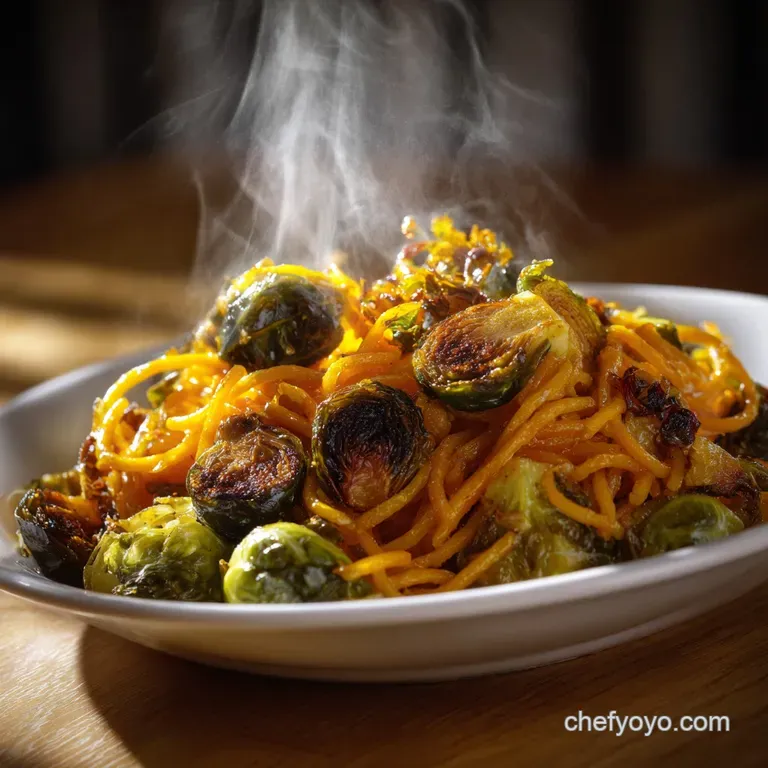
The Perfect Autumn Embrace: Why This Brussels Sprouts Butternut Squash Pasta Works
If there is one thing I have learned since starting this blog, it’s that comfort food doesn’t have to be complicated, but it absolutely must be layered. You know that feeling when you take a bite and realize there are five separate, gorgeous flavors working together?
That’s what we’re going for here. This Brussels Sprouts Butternut Squash Pasta is essentially autumn in a bowl. It sounds simple pasta, veg, sauce but the magic is in the prep. We are not just boiling things. We are transforming them.
Elevating Autumn Flavors with Caramelized Roasting
The moment you mention Brussels sprouts to someone, they either cringe or their eyes light up. There is no middle ground. If you’re in the cringe camp, it’s because you’ve had boiled, mushy, sulfurous sprouts. I get it. But we are roasting these things, friends. High heat is the key.
When you toss the squash and sprouts with good olive oil, salt, and maybe a pinch of red pepper flakes, then blast them in a hot oven, something incredible happens: caramelization . The sugars in the butternut squash intensify, and the edges of the sprouts get deeply golden and crispy.
This process brings out a richness and sweetness that boiling simply eliminates. Honestly, if you try to skip the roasting step, just make something else. The raw depth of flavor we pull from the oven is non and negotiable for this recipe.
The Magic of Brown Butter and Crispy Sage
Okay, let’s talk sauce. We could have done a cream sauce. We could have done a tomato sauce. But we are making a sage brown butter sauce, and you need to trust me that this takes about ten minutes and tastes like you spent an hour building it.
Brown butter (or beurre noisette if we want to get fancy, which we totally do) is just melted butter that’s cooked past the point of clarity. The milk solids sink to the bottom of the pan and turn a gorgeous hazelnut and brown.
This lends a profound, nutty aroma that you just don’t get otherwise. Adding fresh sage leaves right at the end makes them crisp up almost instantly, releasing their herbaceous perfume directly into that nutty fat. It’s brilliant.
CRITICAL WARNING: Brown butter goes from perfectly nutty to scorched and useless in about thirty seconds. Do not walk away from the stove during this process. Swirl, watch, and smell.
Balancing Sweetness and Earthiness for Ultimate Comfort
So we have the sweet, creamy squash and the earthy, slightly bitter, crisp sprouts. How do we pull them together? With richness. We use the rendered fat from a bit of crispy pancetta (the saltiness is crucial ), the depth of the brown butter, and the creaminess of starchy pasta water and Parmesan.
The fat acts as a binder, rounding out the edges of the vegetables and creating that luxurious mouthfeel we all crave in a hearty fall pasta dinner. This combination Brussels Sprouts Butternut Squash Pasta is the definition of flavor harmony.
Essential Pantry Staples for Your Cozy Pasta Dish
I keep most of these things stocked anyway, but when it’s time to make this dish, I upgrade a couple of items. I always recommend using unsalted butter here, because when you brown it, the water evaporates, and if you started with salted butter, the finished product can be intensely salty.
You want to control the seasoning yourself.
| Ingredient | Why We Need It |
|---|---|
| Pancetta/Lardons | Provides foundational fat (which starts the brown butter) and essential salinity. |
| Fresh Sage | Dried sage won't crisp up the same way. Fresh is absolutely necessary for the aromatic infusion. |
| High and Quality Pasta | Choose a shape with texture; it needs to stand up to the sturdy veggies and grab the sauce. |
| Parmesan | Not the stuff in the green can. Get a block and grate it fresh. It melts better and tastes 100 times better. |
Preparation Checklist: Tools and Tips Before You Start
This is a medium and difficulty recipe because it requires simultaneous cooking, but don't panic. If you follow this checklist, you’ll be ready to crush it.
Choosing the Best Pasta Shape for Creamy Sauces
Since we have chunky, roasted vegetables, we need a chunky, robust pasta shape. Think of it like a vehicle. Thin spaghetti is going to flop over under the weight of a crispy sprout half. I swear by pappardelle (those broad, ribbon noodles) or tagliatelle.
If you prefer short pasta, go with a wide rigatoni or even cavatappi. The ridges and tubes grab the sauce beautifully and nestle the diced squash right inside.
The Core Vegetables: Selecting Ripe Butternut and Firm Sprouts
When choosing your butternut squash, look for one that is dense and heavy for its size, with a deep tan color. Avoid any that have green patches, as they aren't fully ripe. For the Brussels sprouts, they should be bright green and very firm. If they look sad and yellow, leave them.
Trim the woody ends off, then cut them in half (or quarters if they are massive).
Herbs and Fats: Dairy and Non and Dairy Options for the Sauce
As mentioned, fresh sage is the star. Don't cheap out on the butter either. I know, I know, butter is expensive, but a good high and fat European style butter makes a difference in the amount of foam and the quality of the nutty brown solids.
If you need a non and dairy option, use a high and quality vegan butter block (like Miyoko’s Kitchen) for browning, then sub the heavy cream for full and fat coconut milk or cashew cream.
Essential Kitchen Tools for Efficient Roasting
You only need two things here that are non and negotiable: a super sharp chef’s knife (peeling and cubing squash is tough work!) and two large baking sheets. Yes, two . I made the mistake once of cramming all my vegetables onto one sheet, thinking I was saving cleanup time.
What I got was a pale, soggy mess because they steamed instead of roasted. Space equals crispness. Use the two sheets.
Mastering the Roast: Achieving Optimal Caramelization
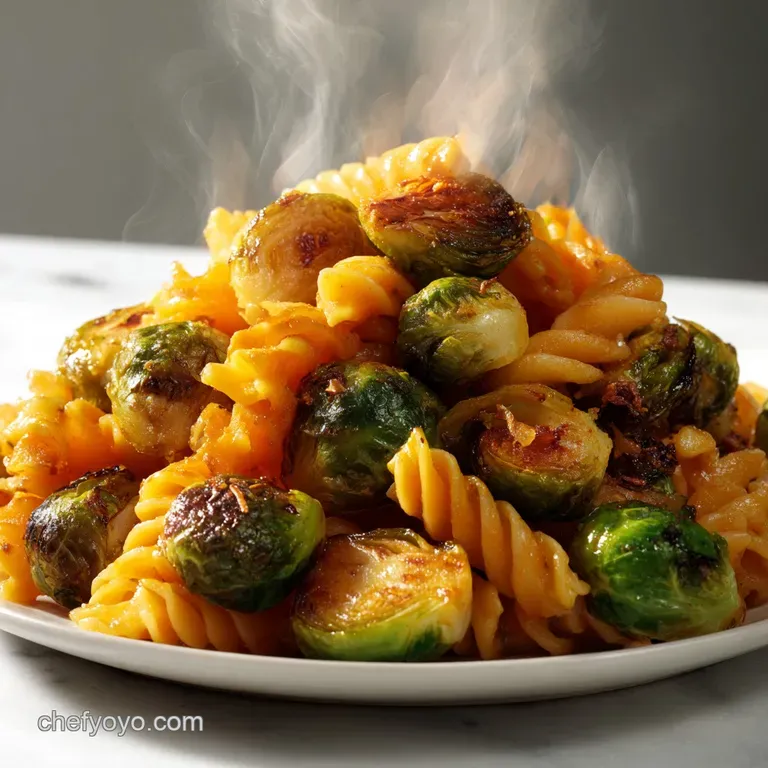
Right then. Preheat your oven to 425°F (220°C). Peel and cube your squash. It’s messy work, but worth it. The key to perfect roasting is timing. Butternut squash is tough and dense, so it needs longer. Brussels sprouts are faster.
- Toss the squash with half the olive oil, salt, and pepper. Spread it on the first baking sheet. Get it into the hot oven for about 10 minutes.
- While the squash is starting, toss the sprouts with the remaining oil, salt, and pepper. Spread them thinly on the second sheet.
- Add the sprouts to the oven alongside the squash. They will cook for another 15 to 20 minutes, until the squash is fork and tender and the sprouts have those dark, delicious, crispy edges. That dark char is flavor. Embrace it.
Related Recipes Worth Trying
- Twice Baked Butternut Squash with Goat Cheese and Crispy Sage — Twice Baked Butternut Squash with Goat Cheese and is the ultimate autumn side dish. This Best Butternut Squash Recipe features creamy chèvre, nutty brown...
- Tomato Basil Pasta with Balsamic Grilled Chicken: Fresh Summer Meal — Master Tomato Basil Pasta with Balsamic Grilled Chicken. Its a healthy chicken pasta recipe featuring sticky, perfectly grilled chicken served over light...
- Butternut Squash Lasagna Rolls The Best Brown Butter Sage Recipe — These Butternut Squash Lasagna Rolls are the ultimate autumn dinner recipes Individual elegant servings filled with creamy ricotta and roasted squash topped...
Building the Signature Sage Brown Butter Sauce
This is where things get fast and fun.
First, crisp up your pancetta (or skip this if going vegetarian). Use a large, heavy and bottomed skillet over medium heat. When it’s crisp, pull it out with a slotted spoon and set it on a paper towel. Leave all that gorgeous, rendered fat in the pan.
Next, add your stick of butter to the skillet, heating it alongside the pancetta fat. Turn the heat to medium and low. The butter will melt, then foam, then the foam will subside, and you’ll see little brown specks forming at the bottom. This is the magic. Swirl the pan gently.
When the scent changes from plain melted butter to deeply nutty (like roasted hazelnuts), pull the pan immediately off the heat.
Now, we infuse!
The Final Assembly: Bringing Together the Brussels Sprouts Butternut Squash Pasta
We need to keep everything moving quickly once the pasta is cooked al dente (save that water!).
Prepping the Vegetables for the Oven
(This step is really about final seasoning after the roast.) Once the vegetables come out, toss them lightly in a bowl. Taste them. Do they need more salt? Don’t assume the sauce will carry all the weight.
Monitoring Heat and Roast Time for Crisp Edges
If your sprouts look slightly soft, crank the oven for five minutes and roast them again. We want structural integrity for the final toss.
Perfecting the Brown Butter Nutty Flavor
If you accidentally over and browned the butter (it smells bitter), you can sometimes rescue it by immediately adding a tablespoon of cold cream to drop the temperature. If it's truly burnt, you have to start over. Sorry, but burned butter tastes awful.
Infusing the Aromatics: Garlic and Fresh Sage
Once the pan is off the heat (remember, the brown butter is hot!), toss in your minced garlic and chopped sage. They will sizzle immediately. Keep them moving for about 30 seconds until the sage is crisp and the garlic smells fragrant, but not brown.
Emulsifying the Sauce with Starchy Pasta Water
Return the pan to low heat. Whisk in the heavy cream. Now, the star: the pasta water. I always reserve about a cup. Whisk in half of it slowly. The starch in the water is what combines the butter fat and the liquid into a glossy, beautiful emulsion that coats every strand.
If the sauce looks too thick, add a little more water, one tablespoon at a time. It should be thick enough to coat the back of a spoon.
Gentle Toss and Final Seasoning Adjustments
Add your drained pasta directly to the sauce pan. Toss vigorously to coat. Turn off the heat. Stir in the grated Parmesan, which melts and makes the sauce even silkier. Finally, gently fold in the roasted Brussels sprouts, the roasted butternut squash, and the crispy pancetta pieces.
Don't stir too hard, or you’ll smash the delicate squash cubes. Taste one last time. Does it need a little pepper? A pinch more salt? Serve immediately.
Expert Tips for the Best and Tasting Brussels Sprouts Butternut Squash Pasta
- Don't Wash the Pasta: Never rinse your cooked pasta, especially not for a sauce like this. You need the exterior starch to help bind the sauce.
- Use Fine Salt: When cooking the pasta, use plenty of salt in the water it should taste like the sea. This is the only chance you get to season the pasta itself.
- Chill the Pan: If you are nervous about burning the brown butter, pour it into a cold mixing bowl once it hits the perfect color, which stops the cooking process instantly.
- Cut Evenly: Cut both the squash and sprouts into pieces that are roughly the same size (about half an inch to an inch) so they roast evenly.
Customizing Your Plate: Simple Variations and Dietary Swaps
This recipe is hearty, but it loves company. You can tweak it easily based on what you have in your fridge.
Reheating and Storage Guidelines (Fridge and Freezer)
This pasta stores well in an airtight container for up to three days in the fridge. Do not freeze it. The creamy sauce and the roasted vegetables will separate and get mushy upon thawing. When reheating, add a splash of water, milk, or chicken broth to the pan.
The sauce will have tightened up, and this extra liquid will help loosen it and restore creaminess.
Why Acid is Necessary: A Splash of Vinegar or Lemon Zest
Because this dish is so rich (butter, cream, cheese), it absolutely requires a bright element to cut through that fat. Right before serving, stir in the zest of half a lemon, or, if you're feeling adventurous, a tiny splash (about half a teaspoon) of white wine vinegar or apple cider vinegar.
It brightens everything up and makes the whole dish pop.
Flavor Pairings: Suggested Cheeses and Toppings
We used Parmesan, but the world is your oyster when it comes to cheese and crunch.
| Cheese Swaps | Crunchy Toppings |
|---|---|
| Smoked Gouda (grated) | Toasted Walnuts or Pecans |
| Fresh Ricotta Dollops | Crushed Breadcrumbs (fried in olive oil) |
| Pecorino Romano | Crispy Fried Shallots |
Making This Dish Vegan or Gluten and Free
Making this butternut squash brussel sprout pasta salad (oops, I mean hot pasta dish!) vegan is easy. Swap the butter for a high and quality plant and based butter, use full and fat canned coconut milk or unsweetened cashew cream instead of heavy cream, and replace the Parmesan with nutritional yeast or a vegan Parmesan substitute.
Use certified gluten and free pasta (brown rice or chickpea works well) to make it gluten and free.
Protein Boosters: Adding Chicken or Lentils
If you need this fall pasta dinner recipe to be a true one and pot powerhouse, add cooked protein at the very end. Shredded rotisserie chicken works beautifully here. For a hearty vegetarian option, fold in a can of rinsed and drained chickpeas or some cooked brown or green lentils right along with the roasted vegetables.
The robust sauce carries the extra weight easily.
Recipe FAQs
I hear you! How do I stop my sprouts from going soggy when I roast them?
The cardinal sin of sprout roasting is overcrowding! To achieve that perfect, deep caramelisation, ensure your oven is piping hot (220°C / 425°F) and spread the sprouts in a single layer if they touch, they steam, and you end up with a proper soggy bottom.
Can I make this Brussels Sprouts Butternut Squash Pasta ahead of time, or is it best served straight away?
Like most creamy pasta dishes, it is absolutely best served fresh to maintain that luxurious, glossy sauce consistency; however, leftovers keep happily in an airtight container in the fridge for up to three days.
I don't eat meat. How can I make the brown butter sauce vegetarian without losing that savoury depth?
A brilliant swap! Omit the pancetta, but to replace the rendered fat and deep umami flavour, whisk in a teaspoon of good quality white miso paste or half a teaspoon of dried porcini mushroom powder when you add the garlic and sage.
I haven't got pappardelle. What other pasta shapes work best with this chunky sauce?
Since this dish is a proper winter warmer with substantial ingredients, you need a sturdy pasta that can handle the heft; opt for wide rigatoni, tagliatelle, or even shell pasta (orecchiette) which beautifully cups the small squash cubes.
That sounds a bit rich, to be honest. Is there a way to lighten the sauce up a bit?
Absolutely, you can dial back the richness by swapping the heavy cream for a generous dollop of fresh ricotta cheese, whisked smoothly with the reserved pasta water and the zest of one lemon for a bright, slightly sharper finish.
Brussels Sprouts Butternut Squash Pasta Recipe
Ingredients:
Instructions:
Nutrition Facts:
| Calories | 750 kcal |
|---|---|
| Fat | 45 g |
| Fiber | 9 g |
