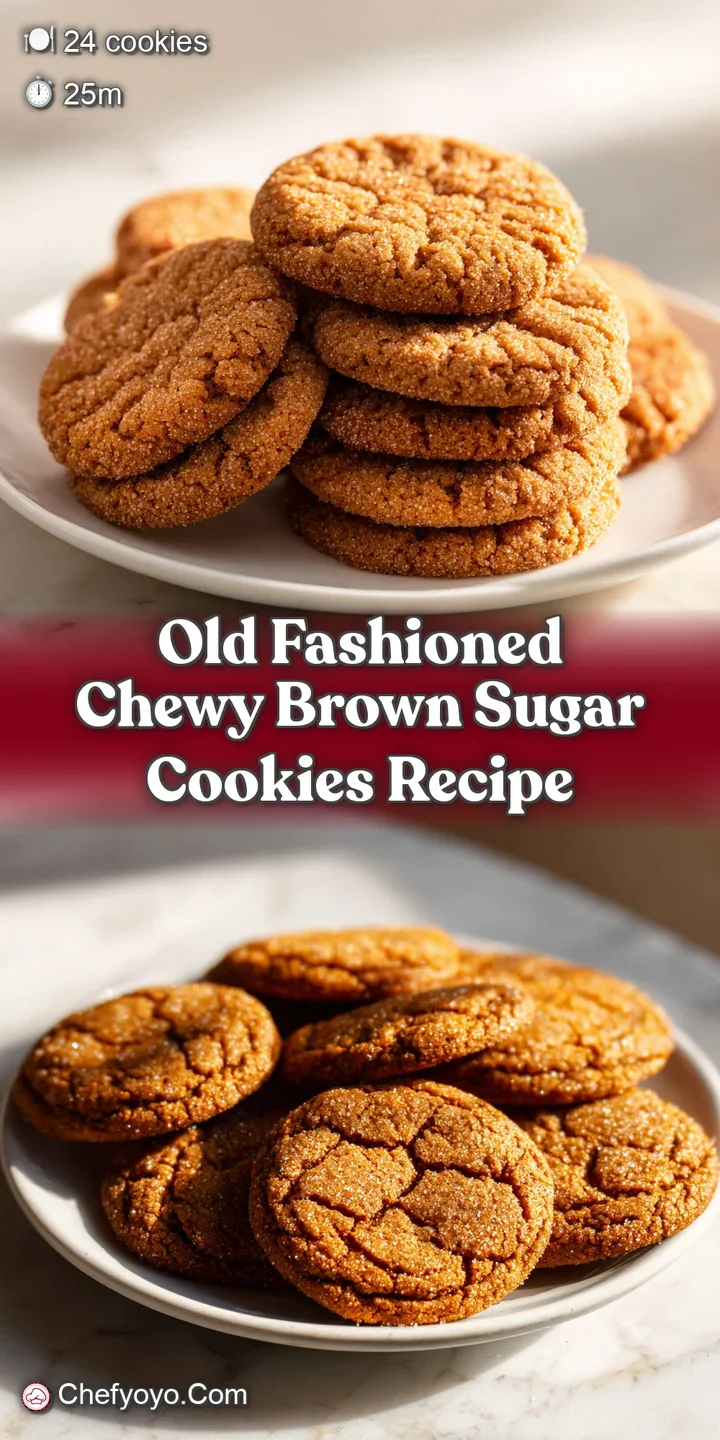
Chewy Brown Sugar Cookies Recipe: Deeply Caramelized
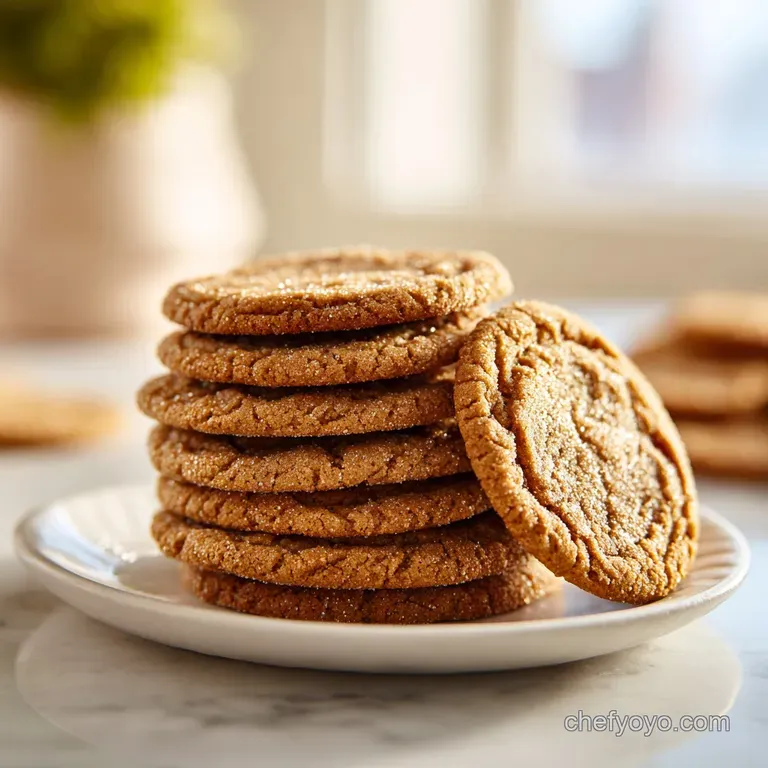
- Time: Active 15 minutes, Passive 10 minutes, Total 25 minutes
- Flavor/Texture Hook: Deeply caramelized, buttery, and incredibly chewy
- Perfect for: Cozy rainy days, budget-friendly gifting, or beginner bakers
- The Absolute Best Chewy Brown Sugar Cookies Recipe
- Logic Behind the Deep Flavor
- Component Analysis of the Base
- Essential Ingredients and Smart Swaps
- Essential Kitchen Equipment Needed
- The Step By Step Process
- Professional Tricks and Baking Failures
- Flavor Variations and Simple Twists
- Keeping Your Cookies Fresh
- Creative Ways to Serve Treats
- Recipe FAQs
- 📝 Recipe Card
The Absolute Best Chewy Brown Sugar Cookies Recipe
The kitchen smells like a warm hug right now. There is something about the scent of butter melting on the stove, mingling with the deep, earthy aroma of dark brown sugar, that just feels right. I remember the first time I tried making these; I was tired of cookies that turned into hard pucks the next morning.
I wanted something that felt like the center of a brownie but with the soul of a classic sugar cookie. After a few flat, greasy failures, I realized the magic wasn't in fancy equipment, but in the ratio of moisture to fat.
We are going for a rustic, wholesome vibe here. You don't need a stand mixer or any expensive gadgets. Honestly, pulling out a heavy machine just feels like too much work for a Sunday afternoon bake. We are sticking to a bowl and a sturdy whisk.
This recipe is all about that "liquid gold" stage where the butter and sugar emulsify into a glossy, thick ribbons. It’s a process that feels more like craft than chemistry, and the result is a cookie that shatters slightly on the edge but remains velvety and thick in the middle.
Trust me, once you see those cracks forming on the surface as they bake, you’ll be hooked. We aren't just making a snack; we're creating that specific kind of comfort that only comes from a recipe perfected through trial and error. If you’ve ever felt intimidated by baking, this is your sign to start.
It’s simple, it’s honest, and it’s arguably the most satisfying thing you’ll pull out of your oven this year.
Logic Behind the Deep Flavor
Hygroscopic Moisture: Dark brown sugar naturally draws moisture from the atmosphere, ensuring the crumb stays supple and dense rather than dry.
The Extra Yolk: Adding a single yolk increases the fat to protein ratio, which creates a rich, tender bite that mimics the texture of fudge.
Starch Interference: A small amount of cornstarch limits gluten development, preventing the cookies from becoming tough or bread like during the bake.
The Maillard Effect: High molasses content in the sugar reacts with heat to create complex, toasted flavor notes without needing expensive flavorings.
| Feature | From Scratch | Pre made Mix |
|---|---|---|
| Texture | Intensely chewy | Soft but crumbly |
| Cost | Pennies per cookie | $0.50 per cookie |
| Flavor | Deep molasses | Vague sweetness |
If you enjoy the rich, traditional feel of this bake, you might also love the texture of my Classic Soft Oatmeal recipe for your next kitchen session. It uses similar principles to keep things tender and perfect for dunking.
Component Analysis of the Base
The Chemistry of the Molasses Stretch
Dark brown sugar contains significantly more molasses than light brown sugar, which acts as an acid. When this reacts with the baking soda and the proteins in the flour, it creates a specific "stretch" in the dough, resulting in that iconic bendy, chewy finish that doesn't snap.
| Ingredient | Science Role | Pro Secret |
|---|---|---|
| Dark Brown Sugar | Moisture retention | Pack it tight for exact moisture levels |
| Cornstarch | Softens crumb | Prevents the "crunch" of standard sugar cookies |
| Melted Butter | Density control | Cooling it prevents the eggs from scrambling |
| Sea Salt | Flavor contrast | Enhances the caramel notes of the sugar |
While we are focusing on this specific bake, the way we handle fats and sugars is very similar to the methods I use in my Crinkle Cookies recipe, where texture is the absolute hero of the dish.
Essential Ingredients and Smart Swaps
For this chewy brown sugar cookies recipe, we are keeping things wholesome and budget friendly. Here is what you will need:
- 280g all purpose flour: The structural backbone of the bake. Why this? Provides enough protein for structure without being too heavy.
- 1 tsp baking soda: Our primary leavening agent. Why this? Reacts with the acidic molasses for a gentle lift.
- 2 tsp cornstarch: The secret to a velvety texture. Why this? Keeps the cookies soft for several days.
- 0.5 tsp sea salt: To balance the intense sweetness. Why this? Salt makes the butter flavor pop.
- 170g unsalted butter: Melted and cooled slightly. Why this? Melted fat makes a denser, fudgier cookie.
- 300g dark brown sugar: Packed firmly into the cup. Why this? Provides the deep color and chewy moisture.
- 1 large egg: Room temperature is best. Why this? Binds everything together smoothly.
- 1 large egg yolk: The "chew" factor. Why this? Adds richness without the drying effect of another egg white.
- 1 tbsp vanilla extract: For that classic bakery aroma. Why this? High volume of vanilla mimics high end artisanal bakes.
- 0.25 cup granulated sugar: For rolling the dough. Why this? Creates a slight exterior crunch and beautiful cracks.
| Original Ingredient | Substitute | Why It Works |
|---|---|---|
| Dark Brown Sugar | Light Brown + 1 tsp Molasses | Recreates the moisture and acidity. Note: Color will be slightly lighter. |
| Sea Salt | Table Salt (0.25 tsp) | Provides the necessary saltiness. Note: Less complex mineral flavor. |
| Unsalted Butter | Salted Butter | Similar fat content. Note: Omit the added sea salt from the recipe. |
Essential Kitchen Equipment Needed
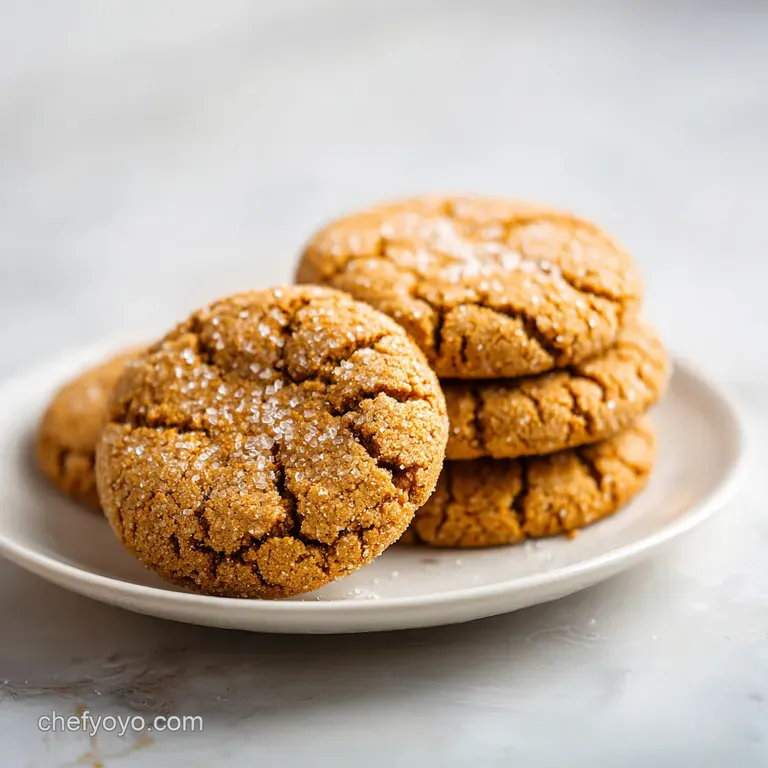
You don't need a lot of gear for this easy chewy brown sugar cookies recipe. A large mixing bowl and a sturdy whisk are your best friends here. I prefer a silicone spatula for the final folding of the flour to make sure no dry pockets are left behind.
A standard baking sheet (or two) lined with parchment paper is vital. Don't skip the parchment; the high sugar content in these cookies means they love to stick to the pan if given half a chance. A cookie scoop is helpful for even sizing, but a simple tablespoon works just fine for that rustic look.
The step-by-step Process
Prep and Emulsify
Start by melting the 170g of unsalted butter. I usually do this in a small pan over low heat until it's just liquid, then let it sit for 5 minutes. In a large bowl, whisk the 300g of dark brown sugar with the melted butter.
You want to whisk vigorously for about 2 minutes until the mixture looks glossy and smooth.
Incorporate the Binding Agents
Add the whole egg, the extra egg yolk, and the tablespoon of vanilla extract to the butter mixture. Whisk again until the batter is fully combined and slightly thickened. This emulsification is what prevents the cookies from being greasy.
Fold and Form
In a separate bowl, whisk together the 280g flour, baking soda, cornstarch, and sea salt. Gently fold these dry ingredients into the wet mixture using a spatula. Stop the moment you see no more white streaks of flour. Overmixing will lead to a tough cookie, and we want artisanal tenderness.
The Scoop and Bake
Roll the dough into balls, about 2 tablespoons each. Roll each ball in the granulated sugar until coated. Place them on the parchment lined sheet, leaving 2 inches of space between them. Bake at 325°F (165°C) for 9 to 11 minutes.
The edges should be set, but the centers should still look slightly soft and underdone. They will firm up as they cool on the pan.
Chef's Note: If you want those professional looking ripples, bang the baking sheet on the oven rack twice at the 8 minute mark. This collapses the air bubbles and creates a denser, chewier ring.
Professional Tricks and Baking Failures
Fixing Flat Cookie Spread
If your cookies are spreading into thin puddles, your butter was likely too hot when you mixed it with the sugar. To fix this, simply chill the remaining dough in the fridge for 30 minutes before baking the next batch. This solidifies the fat so it melts slower in the oven.
Dark Brown Sugar Alternatives
If you are out of dark brown sugar, you can use light brown sugar, but the cookies will be slightly less chewy and paler in color. To mimic the effect, add a teaspoon of honey or maple syrup to the wet ingredients. It won't be exactly the same, but it helps with that moisture retention we crave.
Fixing Cakey Cookie Textures
A cakey cookie usually comes from over measuring the flour or over beating the eggs. When you beat eggs too much, you incorporate air, which creates a lifted, spongy texture. For a chewy brown sugar cookies recipe, we want to stir, not beat. Always use a scale for the 280g of flour if you can.
| Problem | Root Cause | Solution |
|---|---|---|
| Dry/Crumbly | Too much flour | Use a kitchen scale for 280g exact weight |
| No "Crackle" Top | Low oven temp | Ensure oven is preheated to 325°F (165°C) |
| Burnt Bottoms | Dark baking pan | Use a light colored pan or double up the parchment |
Common Mistakes Checklist ✓ Weigh your flour to exactly 280g (don't trust the cup measure!) ✓ Let the melted butter cool until it's just warm to the touch ✓ Use a room temperature egg to ensure a smooth emulsion ✓ Don't overbake - they should look "naked" in the center when
pulled out ✓ Give them a full 10 minutes to set on the hot pan after baking
Flavor Variations and Simple Twists
While this old fashioned chewy brown sugar cookies recipe is perfect on its own, it’s a great base for additions. If you love a bit of crunch, try adding 100g of toasted pecans or walnuts. The nuttiness balances the deep molasses perfectly.
Including Chocolate Additions
You can easily turn these into brown sugar chocolate chip cookies by folding in 150g of semi sweet chocolate chunks. The dark sugar makes the chocolate taste even richer. For a different profile, try white chocolate chips and a pinch of cinnamon.
Vegan Adaptation Strategies
To make these vegan, swap the butter for a high-quality vegan butter stick (not the tub kind) and use a flax egg (1 tbsp ground flax + 3 tbsp water). The texture will be slightly denser, but the brown sugar flavor will still shine through beautifully.
If you are looking for a different texture profile, perhaps something crispier for a tea party, check out my Almond Shortbread recipe. It’s a wonderful contrast to these heavy, chewy treats.
Keeping Your Cookies Fresh
These cookies are famous for staying soft, but you have to treat them right. Store them in an airtight container at room temperature for up to 5 days. If they start to firm up, toss a slice of plain white bread into the container. The cookies will absorb the moisture from the bread and soften right back up.
For long term storage, these freeze beautifully. You can freeze the baked cookies for up to 3 months. To reheat, just pop one in the microwave for 10 seconds. It will taste like it just came out of the oven. If you have extra egg whites left over from that extra yolk we used, don't throw them away!
Use them for a healthy omelet or a small batch of meringue.
Creative Ways to Serve Treats
These are substantial cookies, so they don't need much. However, serving them slightly warm with a cold glass of milk is a classic for a reason. For an artisanal dessert, crumble a cookie over high-quality vanilla bean ice cream and add a drizzle of salted caramel.
Decision Shortcut If you want extra chew, use 2 egg yolks and only half the egg white. If you want a deeper flavor, let the dough rest in the fridge for 24 hours. If you want crispy edges, extend the bake time to 13 minutes.
You could also use two of these cookies to make a spectacular ice cream sandwich. Since they stay soft even when cold, they won't break your teeth when you bite into the frozen sandwich. It’s a simple, rustic way to end a summer dinner party that always gets a big reaction from guests.
For a lighter pairing, these are wonderful alongside a sharp espresso, where the bitterness of the coffee cuts through the rich molasses of the sugar cookies recipe.
Recipe FAQs
What is the trick to making soft and chewy cookies?
Increase the ratio of brown sugar to white sugar and use melted butter. Brown sugar, rich in molasses, is hygroscopic, meaning it holds moisture exceptionally well, keeping the cookies soft for days. Melted butter also promotes a denser, fudgier interior.
What are three factors that contribute to a chewy cookie?
High moisture content, moderate baking temperature, and sufficient fat. The dark brown sugar provides the necessary moisture, a lower oven temperature (like 325°F) sets the edges slowly without drying the middle, and the addition of an extra egg yolk boosts the fat content.
What makes cookies chewy vs hard?
Chewiness results from high moisture and protein restriction, while hardness comes from low moisture and high gluten development. Using cornstarch limits gluten, ensuring a tender texture, whereas overbaking evaporates the molasses moisture, leading to a crisp texture.
What are some common brown sugar cookie mistakes?
Over mixing the flour and under baking the center are the most common errors. Over mixing develops tough gluten strands, leading to hardness, while pulling them out too late causes the residual heat to dry them out completely.
Should I chill the dough for maximum chewiness?
Yes, chilling the dough for at least 30 minutes significantly improves the chew factor. Chilling solidifies the fat, causing the cookies to spread less initially and concentrating the molasses flavor as the dough rests. This is a similar principle used to improve flavor in our Classic Soft Oatmeal recipe.
Is using a combination of egg and extra yolk necessary for chew?
Yes, the extra egg yolk is crucial for a truly dense, chewy texture. The yolk adds fat and lecithin, which is an emulsifier, resulting in a richer, fudgier bite that the white alone cannot achieve.
How do I stop my cookies from spreading too thin during baking?
Ensure your melted butter is cooled down before mixing with the sugar and eggs. If the fat is too hot, it prevents the proteins from setting quickly, causing rapid, uncontrolled spread. Cooling the dough for 30 minutes also helps prevent thinness.
Chewy Brown Sugar Cookies
Ingredients:
Instructions:
Nutrition Facts:
| Calories | 156 kcal |
|---|---|
| Protein | 1.6 g |
| Fat | 6.2 g |
| Carbs | 23.4 g |
| Fiber | 0.3 g |
| Sugar | 14.6 g |
| Sodium | 103 mg |
