Chewy Chocolate Chip Cookies Recipe
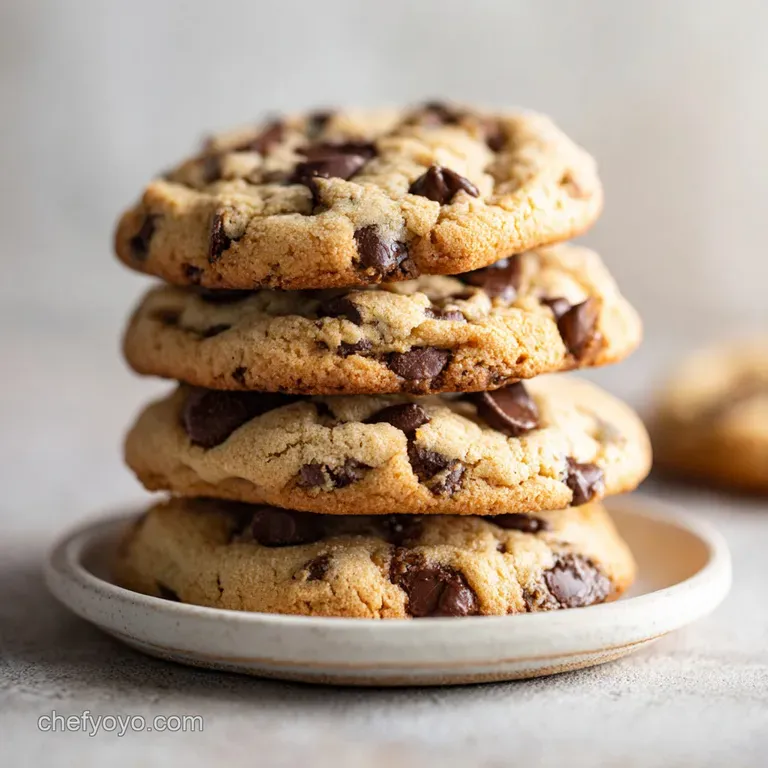
- Time: Active 20 minutes, Passive 12 minutes, Total 32 minutes
- Flavor/Texture Hook: Chewy, buttery centers with crispy, golden brown edges
- Perfect for: Weekend baking, gift giving, or satisfying a serious sweet tooth
- The Ultimate Chocolate Chip Cookies Recipe
- Reasons To Love This Recipe
- Essential Performance Specs
- Component Analysis
- Necessary Kitchen Tools
- Step By Step Method
- Solving Common Baking Issues
- Simple Ingredient Swaps
- Adjusting Batch Sizes
- Myths About This Dish
- Storage and Zero Waste
- Perfect Drink Pairings
- Recipe FAQs
- 📝 Recipe Card
The Ultimate Chocolate Chip Cookies Recipe
The kitchen smells like a dream right now, and honestly, I wish I could bottle this aroma. It’s that heavy, sweet scent of browning butter and dark brown sugar hitting the air as the oven works its magic.
I remember the first time I nailed this specific chocolate chip cookies recipe; I had spent months trying to figure out why my cookies always came out either too cakey or like flat little pancakes.
It was a messy, flour covered learning curve, but the moment I pulled a tray of these out with those perfect ripples and pools of melted chocolate I knew I’d finally cracked the code.
We’ve all been there, staring at a bag of flour and wondering if we should chill the dough or just shove it in the oven immediately. Trust me on this: the secret isn't in fancy equipment or expensive "artisan" salts. It’s about how we handle the fat and the sugars.
This version is my absolute favorite because it’s approachable but yields a result that feels like you spent twenty dollars at a boutique bakery. It’s rustic, wholesome, and exactly what you want to be eating with a cold glass of milk on a rainy Tuesday.
You’re going to love how the chocolate chunks don’t just sit there they melt into these velvety pockets that stay soft even after the cookies cool down. We aren't just making another snack here; we are creating a bit of home baked comfort that actually works every single time.
Let’s get into the details of why this specific method stands out from the crowd.
Reasons To Love This Recipe
- The Starch Fat Synergy: Cornstarch interrupts gluten formation while melted butter ensures a dense, chewy texture rather than a cakey one.
- Maillard Magic: Using a high ratio of dark brown sugar allows for deeper caramelization, creating those complex, toasty flavor notes.
- Structural Integrity: Adding an extra egg yolk provides more lecithin, which acts as a natural emulsifier to keep the dough rich and stable.
- The Chill Factor: Allowing the melted butter to cool before mixing prevents the sugar from dissolving too early, ensuring the cookies don't spread into one giant sheet.
| Method Type | Prep Time | Resulting Texture | Storage Life |
|---|---|---|---|
| Fast Method | 5 minutes | Thin, crispy, brittle | 2-3 days |
| Classic Method | 20 minutes | Chewy, soft, thick | 5-7 days |
| This Recipe | 20 minutes | Shatter crisp edges, fudgy core | 5-7 days |
This table shows exactly why we take the extra few minutes to melt and cool our butter. While a "dump and stir" recipe might save you ten minutes, you lose that signature fudgy center that makes a chocolate chip cookies recipe truly memorable.
By following the classic leaning steps in this guide, you’re investing in a texture that lasts for days instead of hours.
Essential Performance Specs
When we talk about a professional grade cookies recipe, we need to look at the numbers. Precision is what separates a "good" cookie from the one everyone asks for the recipe for. We aren't just guessing here; we’re using specific weights and temperatures to ensure consistency.
If your kitchen is particularly warm, your dough might behave differently, so keeping an eye on these checkpoints is vital.
Chef's Tip: Use a digital scale if you have one. Measuring flour by the cup is the fastest way to end up with dry, crumbly cookies because it's so easy to pack the cup too tightly.
- Butter Temperature: Aim for 70°F (21°C). It should be liquid but not hot to the touch.
- Dough Weight: 55g per cookie (roughly 3 tablespoons) for the perfect ratio of edge to center.
- Bake Time: 12 minutes exactly in a 350°F (180°C) oven.
Component Analysis
| Ingredient | Science Role | Pro Secret |
|---|---|---|
| Dark Brown Sugar | Provides acidity for the soda and creates moisture | Pack it tight to ensure the molasses content is consistent. |
| Cornstarch | Softens the proteins in all purpose flour | This is the "secret" to getting that bakery style crumb. |
| Egg Yolk | Increases fat content and emulsification | Adds a velvety richness without making the dough "puffy." |
| Melted Butter | Reduces aeration for a denser, fudgier bite | Cool it until it's slightly opaque for the best emulsion. |
The choice of vanilla bean paste over extract is another small but mighty detail in this chocolate chip cookies recipe. It adds those beautiful little black flecks and a much more intense aroma that survives the high heat of the oven. If you're looking for a similar depth in other bakes, you'll see a similar focus on high-quality fats in my Crinkle Cookies recipe, where the fat to sugar ratio defines the whole experience.
Necessary Kitchen Tools
You don’t need a fancy stand mixer for this honestly, a sturdy whisk and a silicone spatula are my preferred tools. Because we are using melted butter, we don't need to "cream" anything, which makes this very beginner friendly. You will need two large baking sheets and parchment paper or silicone mats.
Never grease your cookie sheets with butter or spray, as this encourages the dough to spread too thin before it can set.
A cookie scoop is your best friend here. It ensures every single cookie is the same size, which means they all finish baking at the exact same second. If you have some cookies that are small and some that are huge, the small ones will burn while the big ones stay raw.
Uniformity is the key to that beautiful golden brown finish across the whole tray.
step-by-step Method
The Dry Base
Whisk together 280g all purpose flour, 10g cornstarch, 5g baking soda, and 5g fine sea salt in a medium bowl. Note: Whisking thoroughly ensures the baking soda is evenly distributed so you don't get "soapy" spots.
The Liquid Aromatics
In a large bowl, combine 170g melted and cooled unsalted butter with 150g dark brown sugar and 100g granulated sugar. Whisk vigorously for about 2 minutes until the mixture looks like wet sand and starts to lighten slightly.
The Chocolate Chunks
Add 1 large egg, 1 large egg yolk, and 10g pure vanilla bean paste to the butter mixture. Whisk until just combined and smooth. Note: Don't overmix here; we don't want to incorporate too much air.
Phase 1: Emulsion
Slowly fold the dry ingredients into the wet ingredients using a spatula. Stop when you see just a few streaks of flour remaining. The dough should look thick and glossy.
Phase 2: Folding Ingredients
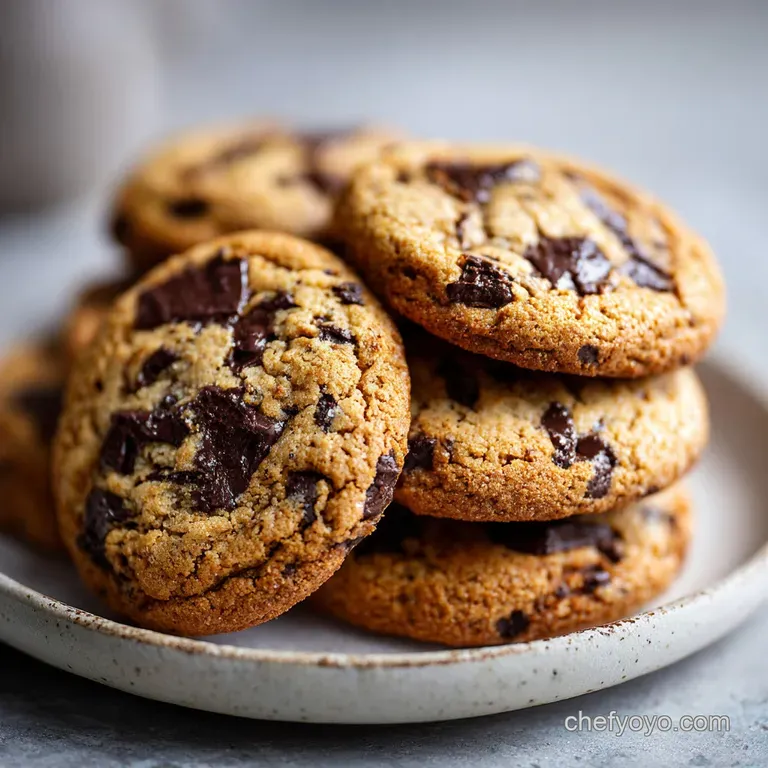
Dump in 225g semi sweet chocolate chunks. Use the spatula to fold them in until they are evenly distributed. Note: Hand chopped chocolate is better than chips because the uneven sizes create "pools" of chocolate.
Phase 3: Bake
Scoop the dough into 55g balls and place them on a parchment lined tray. For the best flavor, chill the dough for at least 30 minutes. Bake at 350°F (180°C) for 12 minutes until the edges are golden and the centers look slightly underbaked.
Immediately after removing from the oven, sprinkle with 1 tsp flaky sea salt. Let the cookies rest on the hot pan for at least 10 minutes until they firm up enough to move. This carryover cooking is essential for the fudgy texture.
Solving Common Baking Issues
Excessive Dough Spread
If your cookies are turning into one big pancake, the most likely culprit is the temperature of your butter or your kitchen. If the butter is too hot when mixed with sugar, it won't hold the structure. Also, make sure you aren't placing dough onto a hot cookie sheet from a previous batch.
Cakey Texture Problems
This usually happens if you've measured your flour by volume (cups) rather than weight (grams). Extra flour dries out the dough and prevents it from spreading, resulting in a "puffy" or bread like cookie. Another cause could be over beating the eggs, which incorporates too much air.
Missing Chocolate Pools
Standard chocolate chips contain stabilizers to help them keep their shape. If you want those glossy, melting pools, you have to use a chopped chocolate bar or high-quality chocolate chunks. The lack of stabilizers allows the chocolate to flow into the crevices of the dough as it bakes.
| Problem | Root Cause | Solution |
|---|---|---|
| Edges too dark | Oven temperature is too high | Lower oven by 25°F and use a thermometer. |
| Cookies are dry | Over baked or too much flour | Pull from oven while centers still look "wet." |
| Greasy bottom | Butter was too hot during mixing | Cool melted butter to room temperature before use. |
Common Mistakes Checklist
- ✓ Always use room temperature eggs to ensure they emulsify properly with the butter.
- ✓ Never skip the salt; it balances the heavy sugar and makes the chocolate flavor pop.
- ✓ Avoid over mixing once the flour is added to prevent tough, rubbery cookies.
- ✓ Let the baking sheet cool completely between batches to prevent premature melting.
- ✓ Check your baking soda for freshness by dropping a pinch in vinegar (it should fizz!).
Simple Ingredient Swaps
If you’re working on a budget or just realized you’re out of something, don’t panic. This chocolate chip cookies recipe is actually quite resilient. However, keep in mind that every change will slightly alter that "perfect" texture we’ve been talking about.
| Original Ingredient | Substitute | Why It Works |
|---|---|---|
| Dark Brown Sugar | Light Brown Sugar | Similar moisture, but the flavor will be less "toffee like." |
| Vanilla Bean Paste | Pure Vanilla Extract | Same flavor profile. Note: You’ll miss the visual black flecks. |
| Chocolate Chunks | Semi sweet Chips | Budget friendly option. Note: Won't create chocolate "pools." |
| European Butter | Standard AA Butter | Lower fat content, so the cookies may spread slightly more. |
For a completely different flavor profile that still uses these artisanal techniques, you might enjoy trying an Almond Shortbread recipe. It swaps the chewiness of this dough for a delicate, buttery snap that pairs wonderfully with tea.
Adjusting Batch Sizes
Scaling Down (Making 9 cookies): Use half of all ingredients. For the egg, whisk one large egg in a small bowl and use exactly 25g of the liquid, plus the single yolk. Use smaller baking pans and keep the bake time the same, but start checking at 10 minutes.
Scaling Up (Making 36 cookies): You can double everything exactly, but be careful with the salt and baking soda use 1.5x the amount (7g or 8g) instead of a full double to avoid a metallic aftertaste.
Work in batches and keep the dough in the fridge between tray rotations so the butter stays cool.
| Batch Size | Flour Amount | Chocolate Amount | Pan Setup |
|---|---|---|---|
| Half (9) | 140g | 112g | 1 Sheet |
| Full (18) | 280g | 225g | 2 Sheets |
| Double (36) | 560g | 450g | 4 Sheets |
When doubling, I highly suggest using two oven racks but swapping the pans' positions halfway through the 12 minutes. This ensures the cookies on the bottom rack get the same golden brown tops as the ones on the top rack.
Myths About This Dish
Chilling dough is just a suggestion. This is actually false. While you can bake them immediately, chilling for even 30 minutes allows the flour to fully hydrate and the fats to solidify. This results in a much thicker cookie and a more developed, complex flavor.
You must use expensive chocolate for good results. Actually, even a basic grocery store chocolate bar chopped into chunks will outperform high end chips. The texture comes from the irregular shapes of the chocolate, not necessarily the price tag on the wrapper.
The "Sizzle" means they are done. If you hear your cookies sizzling loudly in the oven, they are likely already over baked. You want to pull them when the edges are set but the center still looks a bit soft and "underdone." They will finish cooking on the hot pan.
Storage and Zero Waste
Storage Guidelines: Room Temp: Keep in an airtight container for up to 5 days. Add a slice of white bread to the container to keep them soft! Freezer: Freeze baked cookies for up to 3 months. For unbaked dough, freeze the balls on a tray, then transfer to a bag.
Bake straight from frozen, adding 2 minutes to the timer.
Zero Waste Tips: Don't throw away those tiny "chocolate dust" shards left on your cutting board after chopping the chocolate. Fold them right into the dough! They melt and create a beautiful marbled effect in the crumb.
If you have leftover egg whites from that extra yolk, save them in a jar in the fridge for up to two days; they are perfect for a healthy breakfast scramble or making a small batch of meringues.
Perfect Drink Pairings
Nothing beats the classic pairing of a cold glass of whole milk, but if you want to be a bit more "adult" about it, try a strong oat milk latte. The creaminess of the oat milk complements the toasted notes of the dark brown sugar perfectly.
If it's evening, a small glass of tawny port or a stout beer with chocolate notes actually highlights the sea salt finish on these cookies beautifully.
Whatever you choose to drink with them, make sure you enjoy at least one while it's still warm. There is a very short window about fifteen minutes after they come out of the oven where the chocolate is still liquid and the center is almost like fudge.
That is the absolute peak of the chocolate chip cookies recipe experience. Happy baking!
Recipe FAQs
What is the secret to making good chocolate chip cookies?
Melted butter and cornstarch. Using melted butter leads to a denser, chewier interior by limiting aeration during mixing. The cornstarch slightly disrupts gluten development, preventing toughness.
What is the #1 cookie in the world?
Yes, the chocolate chip cookie is generally considered number one. Its combination of texture contrast crisp edges versus a soft center makes it universally popular across most demographics.
What is the secret to moist cookies?
Use a higher ratio of brown sugar to white sugar. Brown sugar contains molasses, which is hygroscopic (it attracts and retains moisture), keeping the cookies softer longer than granulated sugar alone.
What is the secret ingredient for great cookies?
Flaky sea salt sprinkled on top immediately after baking. This doesn't keep them moist, but it elevates the overall flavor by sharply contrasting the sweetness, making the chocolate taste richer. If you enjoyed balancing these strong flavors, see how we use acid in the Classic St. Louis Gooey Butter Cake Recipe.
How do I prevent my cookies from spreading too thin?
Chill the dough for at least 30 minutes before baking. This solidifies the melted butter, meaning the structure has time to set in the oven before the fat fully liquefies and causes excessive spread.
Is it true I must use a stand mixer to cream the butter and sugar?
No, this is a common misconception. Because this recipe uses melted butter, you only need vigorous whisking in a bowl to combine the sugars and fat, not the mechanical action of creaming.
How do I get those beautiful pools of melted chocolate?
Chop a high-quality chocolate bar instead of using standard chips. Chips contain stabilizers to help them retain their shape; using chunks or chopping a bar lets the chocolate melt and spread into those desirable pools.
Chewy Chocolate Chip Cookies
Ingredients:
Instructions:
Nutrition Facts:
| Calories | 251 kcal |
|---|---|
| Protein | 2.8g |
| Fat | 12.1g |
| Carbs | 33.6g |
| Fiber | 1.2g |
| Sugar | 21.2g |
| Sodium | 194mg |
