Chicken Francese with Lemon Butter Sauce Golden Cutlets in a Zesty Pan Sauce
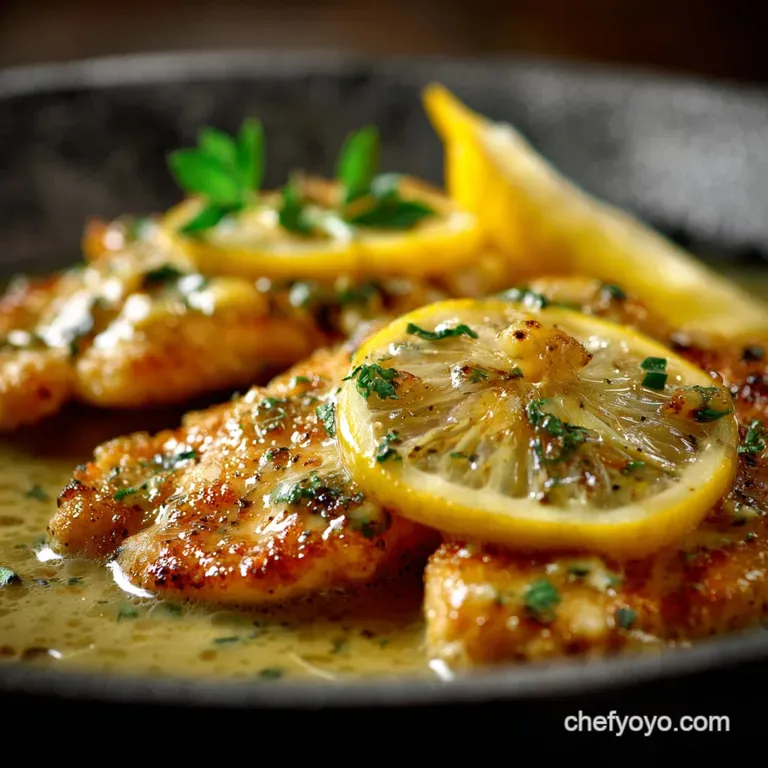
- Decoding Chicken Francese: Why the Egg Wash Makes All the Difference
- Gathering the Essentials for Authenticity
- Essential Kitchen Tools for Francese Success
- Master the Art of Perfect Chicken Cutlets
- Finishing Your Chicken Francese With Lemon Butter Sauce
- Pairing Perfection: What to Serve Alongside Francese
- Common Questions and Culinary Fixes
- Recipe FAQs
- 📝 Recipe Card
Decoding Chicken Francese: Why the Egg Wash Makes All the Difference
Okay, let's talk about Chicken Francese. You see it on every Italian and American menu, sitting right next to Piccata and Marsala, and frankly, it often gets overlooked. Why? Maybe people think it's too complicated, or maybe they confuse it with the Piccata's flour and dredged cousin.
But Francese is fundamentally different because of one brilliant choice: the egg wash.
Piccata uses flour, maybe a bit of Parmesan, and calls it a day. Francese demands that gorgeous, delicate, silken coating that only an egg dredge can deliver. It doesn’t create a thick, crunchy breading.
It creates a thin, tender layer that crisps up perfectly in hot oil and then melts beautifully into the lemon butter sauce. It is, quite simply, superior for this application. Trust me on this.
The Silken Crust: Achieving the Signature Golden Coating
The secret here is restraint. When you’re making your standard fried chicken cutlets, you want flour, egg, and maybe breadcrumbs layers, volume. Not here. We’re using a thin dusting of flour first (just enough to give the egg something to cling to), followed by the whisked egg bath. That’s it.
But how do we keep that cutlet delicate? You have to move fast. Don't let those thin chicken pieces soak in the egg wash. Dip, drain the excess, and get them right into the pan. If they sit there waiting, the coating gets heavy, gummy, and totally loses that signature, silky finish.
We want light and airy, not soggy disaster.
The Magic Behind Our Zesty Lemon Butter Pan Sauce
The sauce is the soul of this Chicken Francese With Lemon Butter Sauce. If you mess up the sauce, the whole dish feels flat. Our sauce is a pan sauce , meaning it gets its flavour from the bits you leave behind after frying the chicken the technical term is fond .
We harness those little crusty bits (protein and browned seasoning) by deglazing the pan with dry white wine. That sharp acidity cuts right through the richness and pulls up all that flavour. Then comes the chicken stock and, finally, the lemon juice.
The secret weapon, though, is the cold butter we whisk in at the very end, off the heat. That process (called mounting the sauce) gives you that stable, creamy, incredibly glossy texture without needing cream or thickeners. It’s brilliant.
Quick Elegance: Dinner Ready in Under 30 Minutes
Seriously, this is a 40 minute meal max, including all the pounding and cleaning. Because the chicken cutlets are so thin (1/4 inch, remember?), they cook in about 4– 5 minutes total. The sauce takes another 5 minutes to reduce and mount.
It feels fancy, yes, but it moves faster than ordering takeout. This is my go and to when I want to impress someone but I’ve got nothing left in the tank after 5 pm. It's the best of the quick Italian Chicken Recipes.
Gathering the Essentials for Authenticity
I’m a firm believer that good cooking starts with great ingredients, and for a simple dish like this, quality really shines through. We’re not masking anything here. We need fresh lemons, obviously. And please, use proper butter. Honestly, don't even bother with low and fat spreads here.
It's just not the same. You need that rich, creamy fat to make the sauce truly luxurious.
Essential Kitchen Tools for Francese Success
You don't need a culinary school degree, but you do need the right gear to make this process painless. My biggest lesson in making Chicken Cutlet Recipes is minimizing mess and maximizing surface area.
Selecting the Best Cuts: Thinly Sliced Chicken Breast
I start with four medium and sized boneless, skinless chicken breasts. They should be chilled it makes slicing them horizontally much easier. We slice them in half to create eight cutlets. But slicing is only half the battle. You have to pound that chicken evenly. Seriously.
If one side is thick and the other is thin, you’ll end up with a dry edge and a raw middle. Nobody wants that. Pounding them down to 1/4 inch ensures quick, even cooking and maximizes the surface area for that delicious crust.
Dry White Wine Alternatives for the Pan Sauce
Look, wine is non and negotiable for traditional Chicken Francaise Recipe depth. Use something you’d actually drink a crisp Sauvignon Blanc or a dry Pinot Grigio works wonders. Don't waste money on "cooking wine," which is usually salty and gross.
If you don't keep alcohol in the house, that's fine. You can substitute the wine portion entirely with low and sodium chicken stock, but you must add a teaspoon of white wine vinegar or half a teaspoon of lemon zest during the deglazing step.
That acidity is crucial for lifting the fond and balancing the final richness.
Prepping the Dredging Station Layout
Mise en place (everything in its place) is key to avoiding a massive egg and flour catastrophe. I use three wide, shallow cereal bowls, set up right next to the stove.
- Flour: Flour seasoned generously with salt and pepper.
- Eggs: The egg wash.
- The Frying Pan: Ready to go.
This prevents the sticky, flour and caked fingers and speeds up the entire process. Don't underestimate this small organizational step!
The Ideal Sauté Pan for Optimal Browning
I always reach for my 12 inch stainless steel skillet for this dish. Why not non and stick? Because we want those browned bits. Stainless steel is fantastic for searing because it holds heat well and allows the precious fond to stick to the bottom until we deglaze it.
If you use non and stick, all that flavour just slides away, and your sauce loses half its depth.
Related Recipes Worth Trying
- Air Fryer Chicken Parmesan UltraCrispy Ready in 35 Mins — This Air Fryer Chicken Parmesan recipe ditches the oil for a healthier faster weeknight dinner Get an unbelievably crispy golden panko crust and juicy...
- Skillet Chicken Cacciatore The Ultimate OnePan Weeknight Italian Feast — Skillet Chicken Cacciatore is an easy weeknight meal delivering rich rustic flavour using just one pan This fast skillet chicken cacciatore recipe is ready...
- Creamy Green Chile Chicken Taquitos Crispy Baked or AirFried — Creamy Green Chile Chicken Taquitos are the ultimate comfort snack Loaded with succulent chicken and cream cheese this easy creamy taquitos recipe delivers...
Master the Art of Perfect Chicken Cutlets
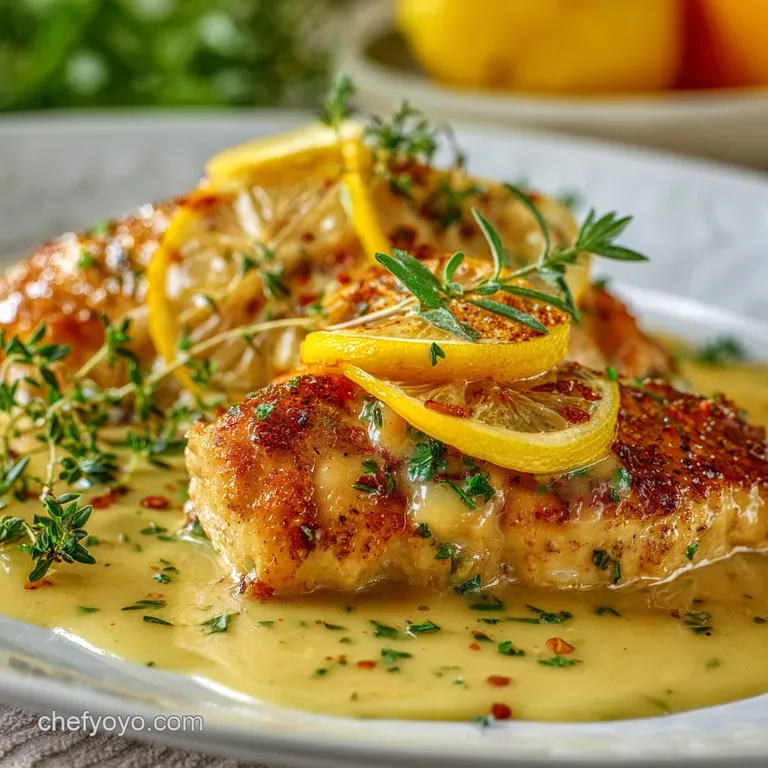
Pounding and Seasoning the Chicken Fillets Evenly
My favorite tool here is a heavy, flat and bottomed meat mallet. I cover the cutlets with plastic wrap (less mess, better hygiene) and gently but firmly pound them out until they are uniform and translucent. Don't rip them! The goal is tenderness and even cooking.
Season both sides with salt and pepper after pounding.
The Crucial Technique for the Egg and Flour Dredge
This is where Francese differs from other Chicken Cutlet Recipes. We’re going flour first, then egg.
- Dredge in flour, shake off all excess. Seriously, a light kiss of flour is all we need.
- Immediately into the egg wash, turning quickly to coat.
- Right into the hot pan. No waiting. No stacking. Cook immediately. This ensures the crust stays thin and achieves that beautiful, golden hue instead of turning into sad, soaked dough.
Achieving a Consistent Sear Without Crowding the Pan
I learned this the hard way: I once tried to squeeze all eight cutlets into one pan to save time. Disaster. The oil temperature plummeted, and instead of frying, the chicken steamed, turning gray and rubbery. Ew.
CRUCIAL WARNING: You must cook the cutlets in batches of 2 or 3. Use medium and high heat. The goal is a quick, golden and brown sear (about 2– 3 minutes per side) before the interior dries out.
Add a little extra oil and butter (if needed) between batches to maintain that shimmering fat level.
Finishing Your Chicken Francese With Lemon Butter Sauce
Building Depth: Deglazing the Pan with Wine and Broth
Once the chicken is resting on a rack (which helps maintain crispness!), pour out all but about a tablespoon of the oil. Turn the heat back to medium. Now, pour in that dry white wine. Listen for the sizzle! Use a wooden spoon to scrape up every single browned piece of flavor stuck to the bottom.
Reduce the wine by half this concentrates the flavor and burns off the harsh alcohol. Then add the chicken stock and let it bubble gently for a few minutes until it reduces slightly.
Emulsifying the Sauce: Adding the Final Butter Mount
The sauce needs to transition from liquid to glossy, velvety magic. This is where the cold, diced butter comes in.
- Turn the heat OFF .
- Whisk in the fresh lemon juice.
- Start dropping in those cold butter cubes, whisking continuously. Do this one cube at a time, incorporating one before adding the next.
The cold butter, combined with the motion of the whisk, creates an emulsion (binding the fat and the liquid) that gives the sauce body and a spectacular sheen without ever needing a starch thickener. If you put the pan back on high heat, you risk breaking the sauce, turning it into greasy liquid.
Avoid that stress entirely.
Pairing Perfection: What to Serve Alongside Francese
Creamy Sides: Ideal Starches to Soak Up the Pan Sauce
Since we have such a rich, bright, and abundant Lemon Sauce for Chicken Francese, you need something to soak up every last drop. My top picks are:
- Capellini/Angel Hair Pasta: Tossed simply with a little olive oil, salt, and pepper. Its delicate strands are perfect for scooping.
- Creamy Polenta: Soft, slow and cooked polenta is a dream under a cutlet and this glossy sauce.
Brightening the Plate: Simple Vegetable Companions
We need green things! Because the dish is rich, we want clean, slightly crisp veggies.
- Steamed or quick sautéed asparagus (with a bit of garlic).
- Blanched green beans with slivered almonds.
- A simple side salad dressed only with a light vinaigrette (no heavy dressings here).
Common Questions and Culinary Fixes
Troubleshooting: Why Is My Sauce Breaking or Too Thin?
If your sauce looks greasy, watery, or separates into oil and liquid, it has "broken."
Fixes:
| Problem | Cause | Quick Solution |
|---|---|---|
| Broke/Separated | The sauce got too hot after adding the butter. | Whisk in 1 teaspoon of ice and cold water or chicken stock off the heat, whisking vigorously. |
| Too Thin | Didn't reduce the wine/stock enough. | Return the pan to very low heat and reduce slowly. Don't boil! |
The primary rule: respect the cold butter. It needs to melt gradually into the warm liquid, not aggressively cook.
Storage and Reheating Tips for Leftovers
Chicken Francese is honestly best eaten immediately. The delicate crust tends to soften quickly.
If you have leftovers: store the chicken and sauce separately.
- Chicken: Reheat in a 350°F (175°C) oven for about 8– 10 minutes to crisp the coating slightly.
- Sauce: Gently reheat the sauce on the stovetop over very low heat. If it looks broken, use the cold water fix described above.
Adapting This Chicken Francese Recipe for Pork or Veal
Absolutely, yes! Veal Francese uses the exact same method and is arguably the most traditional version. Ask your butcher for thin veal scallopini no need to pound those. Pork tenderloin, sliced into thin medallions and pounded, also works beautifully.
Just ensure whatever meat you choose is pounded uniformly thin, because the beauty of this dish is its swift, even cook time.
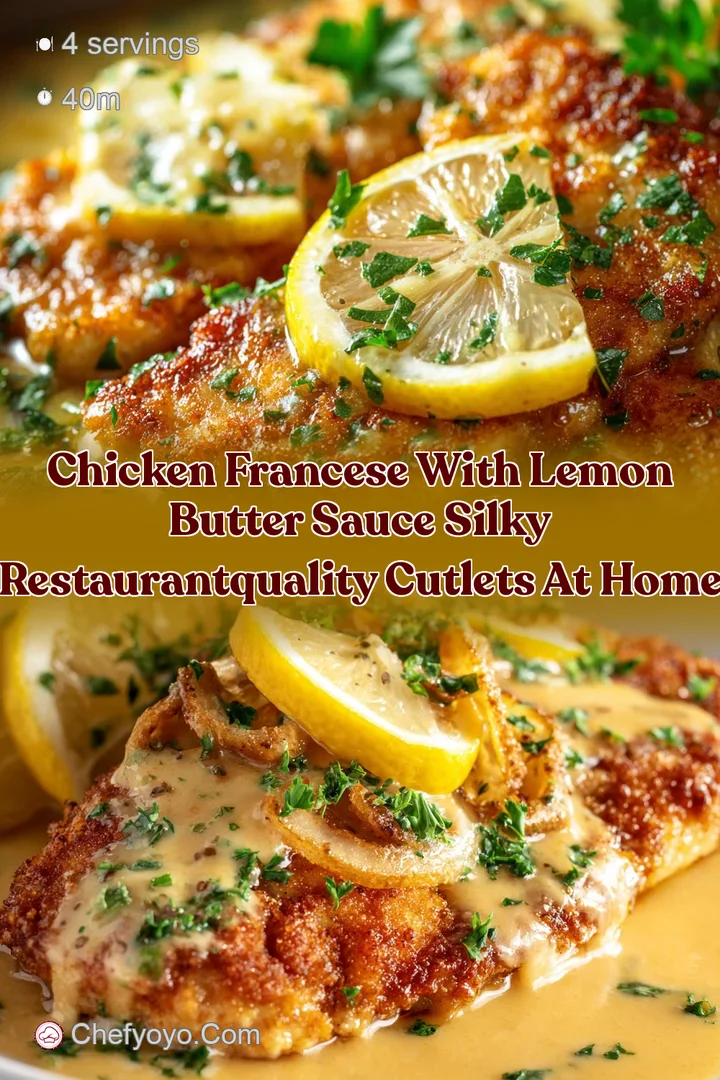
Recipe FAQs
Right then, how long will this lovely Chicken Francese With Lemon Butter Sauce keep, and can I freeze it?
Treat leftovers like any poultry dish; it keeps well in the fridge for 3 4 days in an airtight container. Freezing is a bit of a gamble, as the high butter content in the delicate emulsion tends to separate (or 'break') upon thawing, so it’s best enjoyed fresh.
My beautiful sauce split and looks oily did I mess up the emulsification?
It sounds like your sauce broke, which usually happens if you boil it or let it get too hot after adding the final cold butter; remember to whisk the cold butter in off the heat to keep the sauce glossy and stable, like a perfect hollandaise.
Why didn't my chicken get that beautiful, golden brown crispy crust? It went a bit soggy!
This common hiccup is typically down to crowding the pan; ensure you cook the cutlets in small batches so the oil maintains a high temperature, allowing the exterior to crisp immediately instead of steaming the chicken.
I don't drink, what's the best swap for the dry white wine in the pan sauce?
You can perfectly substitute the dry white wine with an equal amount of low-sodium chicken stock combined with a splash of white wine vinegar (about a teaspoon) to maintain the essential acidity needed for deglazing and balancing the rich sauce.
Francese vs. Piccata are they basically the same thing?
Not quite, mate! While both feature chicken and a bright lemon pan sauce, Francese uses a unique egg-only dredge for a delicate, crêpe like crust, whereas Piccata typically relies on a flour only coating and is always finished with briny capers.
Chicken Francese Lemon Butter Sauce Recipe
Ingredients:
Instructions:
Nutrition Facts:
| Calories | 1180 kcal |
|---|---|
| Protein | 106.0 g |
| Fat | 65.0 g |
| Carbs | 34.0 g |
