Chickpea Feta Avocado Salad
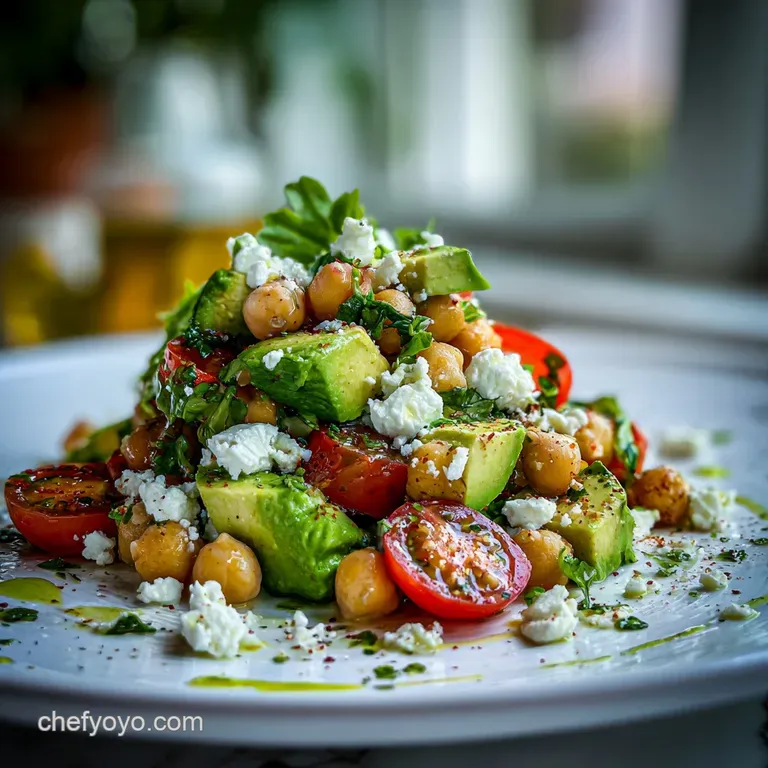
- Time: Active 15 minutes, Passive 0 minutes, Total 15 minutes
- Flavor/Texture Hook: Velvety avocado meets snappy cucumber and briny feta
- Perfect for: Rustic lunch prep, outdoor gatherings, or a nutrient dense side dish
- Mastering the Fresh Chickpea Feta Avocado Salad
- The Culinary Logic of Balanced Textures
- Key Benchmarks for the Ideal Bowl
- Sourcing Artisanal Elements for Rustic Flavor
- Essential Tools for Precision Prep
- Crafting the Salad with Plated Elegance
- Correcting Common Textural Imbalances
- Guidelines for Adjusting Batch Sizes
- Debunking Common Kitchen Misconceptions
- Safeguarding Freshness and Vibrant Color
- Serving with Artisanal Style
- Recipe FAQs
- 📝 Recipe Card
Mastering the Fresh Chickpea Feta Avocado Salad
The aroma of freshly crushed parsley always takes me back to a sun drenched terrace in a small coastal village where I first understood the power of simple, artisanal ingredients. I watched an old chef methodically dice cucumbers with a heavy carbon steel knife, the rhythmic "thwack thwack" against the wood sounding like a heartbeat.
He didn't just toss things in a bowl; he treated the chickpeas like precious stones and the avocado like silk, layering them so the textures didn't muddle into a sad, grey heap.
We've all been there, staring at a bowl of mushy salad that looked great five minutes ago but now looks like a science experiment gone wrong. My first attempt at a chickpea feta avocado salad was exactly that a watery, over mixed mess where the feta had dissolved into a grainy paste and the avocado had oxidized into a dull brown.
It was a humbling lesson in the chemistry of acids and the physics of "the fold." Today, we’re skipping the mistakes and focusing on the rustic elegance of a perfectly built Mediterranean bowl.
The Culinary Logic of Balanced Textures
- The Acid Enzyme Barrier: Citric acid in lemon juice and acetic acid in balsamic vinegar lower the pH on the avocado's surface, effectively deactivating the polyphenol oxidase enzyme that causes unappealing browning.
- Emulsion Stability: Adding Dijon mustard introduces mucilage and plant proteins that act as a bridge between the hydrophobic olive oil and the hydrophilic vinegar, preventing the dressing from separating and sliding off the vegetables.
- Osmotic Pressure Management: Salting the cucumbers and tomatoes briefly before adding the fats ensures they release excess water early, preventing the finished salad from becoming watery or diluted over time.
- Protein Denaturation: The salt in the feta cheese slightly firms the exterior of the chickpeas, creating a more cohesive mouthfeel between the soft legume and the sharp cheese.
| Method | Time | Texture | Best For |
|---|---|---|---|
| Fast (Canned) | 15 minutes | Soft, uniform legumes | Busy weeknights and quick lunches |
| Classic (Dried) | 12 hours | Nutty, firm bite with "pop" | Weekend hosting and artisanal displays |
| Roasted Chickpea | 40 minutes | Crunchy exterior, soft middle | Adding a warm, smoky contrast |
Choosing between canned or dried chickpeas isn't just about time; it’s about the structural "snap" you want in your final dish. While canned chickpeas are incredibly convenient, soaking dried ones with a pinch of baking soda yields a buttery interior that truly honors the Mediterranean tradition.
Key Benchmarks for the Ideal Bowl
To achieve that professional finish, keep these three precision checkpoints in mind while you prep. First, ensure your red onion is minced to a 3mm fine dice to distribute its piquant flavor without overwhelming the palate.
Second, whisk your vinaigrette for a full 45 seconds until it’s thick enough to coat the back of a spoon. Finally, the internal temperature of your ingredients should be around 18°C (64°F); if they are too cold, the olive oil will thicken and won't coat the vegetables with that signature velvety sheen.
| Component | Science Role | Pro Secret |
|---|---|---|
| Balsamic Vinegar | Acidic Brightness | Use a syrupy, aged balsamic to add natural sweetness without refined sugar. |
| English Cucumber | Structural Crunch | Keep the skin on for fiber and a vibrant green visual contrast. |
| Avocado | Lipid Creaminess | Select fruit that yields slightly to thumb pressure but isn't soft. |
When selecting your olive oil, reach for an extra virgin variety that smells of cut grass and green tomatoes. This isn't just a fat; it's a flavor carrier that binds the briny feta to the earthy chickpeas. Similar to the way we balance fats in a Mediterranean Chicken Bowl recipe, the oil here creates a luxurious mouthfeel that makes the salad feel like a full meal.
Sourcing Artisanal Elements for Rustic Flavor
- 2 cans (15 oz each) chickpeas: Rinsed and dried thoroughly. Why this? Drying prevents the dressing from becoming watered down and slippery.
- 1 large English cucumber: Diced into 1cm cubes. Why this? They have fewer seeds and thinner skin than standard cucumbers.
- 1 pint cherry tomatoes: Halved lengthwise. Why this? Cherry tomatoes hold their shape better and offer a burst of sweetness.
- 0.5 small red onion: Finely minced. Why this? Adds sharp contrast; soak in cold water first to mellow the bite.
- 0.5 cup crumbled feta cheese: Authentic sheep's milk feta is best. Why this? Sheep's milk feta provides a creamier texture and sharper tang.
- 2 large avocados: Diced just before assembly. Why this? Freshly cut avocado ensures maximum vibrant color and buttery texture.
- 0.5 cup fresh parsley or cilantro: Roughly chopped. Why this? Herbs add a necessary herbaceous lift to the heavy fats.
- 0.25 cup extra virgin olive oil: Cold pressed for best flavor.
- 2 tbsp balsamic vinegar: Provides a deep, woodsy acidity.
- 1 tbsp lemon juice: Freshly squeezed only.
- 1 tsp Dijon mustard: The essential emulsifier for the dressing.
- 1 clove garlic: Grated into a fine paste.
- 0.5 tsp sea salt: Flaky sea salt adds a lovely crunch.
- 0.25 tsp black pepper: Freshly cracked for floral notes.
| Original Ingredient | Substitute | Why It Works |
|---|---|---|
| Feta Cheese | Halloumi (cubed/fried) | Similar salt profile. Note: Adds a warm, chewy texture to the salad. |
| Balsamic Vinegar | Red Wine Vinegar | Higher acidity. Note: Lacks the sweetness of balsamic, so add a drop of honey. |
| English Cucumber | Zucchini (raw) | Same crunch and water content. Note: Slightly more earthy flavor. |
Essential Tools for Precision Prep
You don't need a kitchen full of gadgets, but a few specific tools make a world of difference. A high-quality chef's knife is non negotiable for getting those clean, sharp edges on the avocado and cucumber.
A microplane is my secret weapon for the garlic; it turns the clove into a fine mist that integrates seamlessly into the vinaigrette, ensuring you never bite into a raw chunk of garlic.
I also recommend a large stainless steel bowl for the initial mixing. The wide surface area allows you to toss the heavier ingredients like chickpeas and cucumbers vigorously without bruising them. For the final presentation, a rustic ceramic platter or a shallow wooden bowl highlights the artisanal nature of the dish.
Crafting the Salad with Plated Elegance
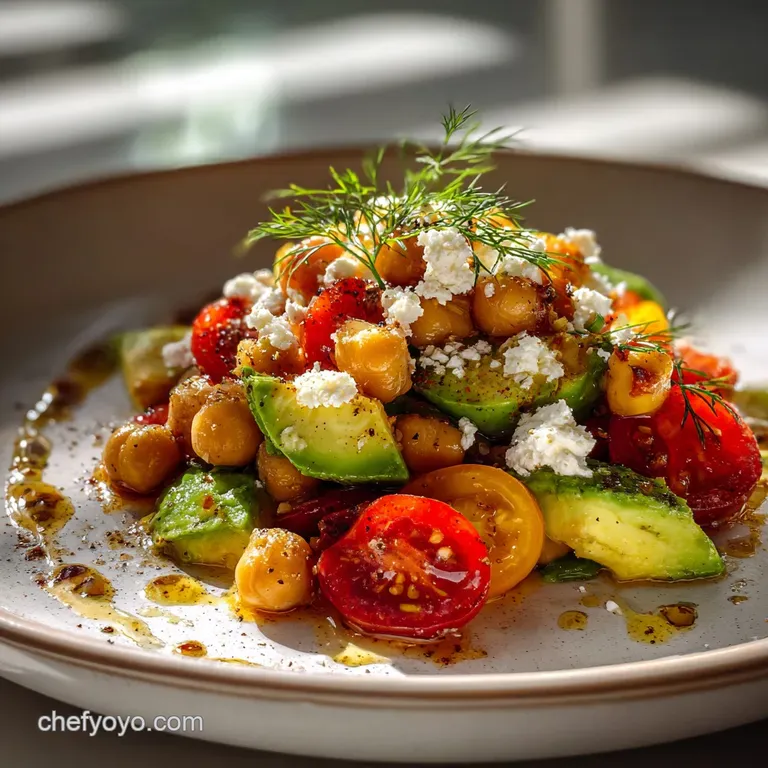
1. The Legume Prep
Empty the chickpeas into a colander and rinse under cold water until the foam completely disappears. Pat them bone dry with a clean tea towel. Note: Excess moisture on the chickpeas is the number one cause of a flavorless, watery salad.
2. The Vegetable Foundation
Dice the cucumber and halve the cherry tomatoes. Place them in your large mixing bowl along with the finely minced red onion. Toss with a pinch of the sea salt and let sit for 3 minutes until the vegetables look slightly glossy.
3. The Emulsion Phase
In a small jar or bowl, combine the olive oil, balsamic vinegar, lemon juice, Dijon mustard, grated garlic, and black pepper. Whisk vigorously or shake the jar until the mixture becomes thick and opaque.
4. The Structural Build
Pour the dressing over the chickpea and vegetable mixture. Toss thoroughly to ensure every crevasse is coated. This is the stage where you want to be firm and ensure total coverage.
5. The Delicate Finish
Add the crumbled feta and the chopped herbs. Gently fold them in using a silicone spatula. If you're looking for a similar fresh vibe, you might enjoy the techniques used in this Cucumber Tomato Avocado Salad recipe.
6. The Avocado Integration
Gently dice your avocados and add them to the bowl last. Use a "lifting and folding" motion rather than stirring until the avocado is just distributed but still holds its shape.
7. The Final Seasoning
Taste a single chickpea and a piece of avocado together. Add the remaining sea salt if the flavors don't "pop" or a squeeze more lemon if the fat feels too heavy.
8. Plating for Impact
Transfer to your serving dish and finish with a final drizzle of olive oil and a few whole parsley leaves.
| Plating Level | Key Tweak | Visual Effect |
|---|---|---|
| Simple | Large family bowl | Rustic, generous, and approachable |
| Polished | Shallow wide platter | Ingredients are visible and not crushed |
| Restaurant | Individual ring molds | Sophisticated, clean lines, and architectural |
Correcting Common Textural Imbalances
The Problem of Watery Residue
If you notice a pool of liquid at the bottom of your bowl, it’s usually because the vegetables weren't dried or they were salted too early and left to sit. The salt draws out the internal water of the cucumber via osmosis.
Rescuing Overly Soft Avocado
If your avocado was a bit too ripe and started to smear, don't panic. You can lean into it by stirring slightly more vigorously to create a creamy "dressing" that coats the chickpeas. It won't have the clean cubes, but it will taste incredibly rich and velvety.
| Problem | Root Cause | Solution |
|---|---|---|
| Muted Flavor | Insufficient acidity | Add an extra teaspoon of lemon juice or a pinch of sumac. |
| Grainy Texture | Feta dissolved | Use high-quality block feta and crumble it by hand into larger chunks. |
| Bitter Aftertaste | Old garlic or low grade oil | Grate garlic into the vinegar first to mellow it; use fresh EVOO. |
Common Mistakes Checklist
- ✓ Never skip drying the chickpeas; even a little water ruins the emulsion.
- ✓ Don't use a dull knife on the avocado, or you'll crush the cells and cause faster browning.
- ✓ Avoid over mixing once the cheese and avocado are in the bowl.
- ✓ Always taste test your red onion; if it's too "hot," soak it in ice water for 10 minutes.
- ✓ Use room temperature oil to ensure it flows and coats the ingredients evenly.
Guidelines for Adjusting Batch Sizes
When you need to scale this recipe down for a solo lunch, the math is simple, but the chemistry changes slightly. For a half batch, use one can of chickpeas and one avocado, but keep the garlic clove small.
When reducing the dressing, use a small whisk or a fork to ensure you still get a proper emulsion; sometimes very small amounts of liquid are harder to bind together.
If you are doubling the recipe for a large gathering, don't just double the salt and pepper immediately. Start with 1.5 times the amount and taste as you go. Large volumes of salad can easily become over salted.
Also, work in two separate bowls for the final mixing to ensure you don't crush the avocados under the weight of several pounds of chickpeas.
Chef's Note: If you're prepping this for a party, keep the dressing, the "hard" vegetables (chickpeas, cucumber, onion), and the "soft" ingredients (avocado, feta) in three separate containers. Combine them only 10 minutes before serving for maximum shatter crisp texture.
Debunking Common Kitchen Misconceptions
There is a persistent myth that leaving the avocado pit in the salad bowl prevents browning. In reality, browning is caused by exposure to oxygen. The pit only protects the small area of avocado it is physically touching.
The only true way to prevent oxidation is to coat the avocado surfaces in an acid, like the lemon juice in our dressing, or to keep it submerged away from air.
Another common belief is that "fat free" feta is a good substitute. Please, for the love of rustic cooking, avoid this. Fat free feta lacks the structural lipids that provide the briny, creamy mouthfeel essential to balancing the dry texture of the chickpeas.
If you need a dairy-free option, use a high-quality vegan almond based feta or simply add more olives for that salty punch.
Safeguarding Freshness and Vibrant Color
This salad is at its peak immediately after assembly. However, if you have leftovers, store them in an airtight container with a piece of plastic wrap pressed directly onto the surface of the salad to minimize air contact.
It will stay fresh in the fridge for up to 2 days, though the avocado will inevitably lose some of its vibrant green hue.
I do not recommend freezing this salad. The high water content in the cucumbers and tomatoes will cause the cell walls to burst upon thawing, resulting in a mushy, unappealing texture. If you have extra chickpeas, consider using them in a High Protein Butternut recipe to minimize waste. Leftover herb stems can be saved in the freezer for making a rustic vegetable stock later.
Serving with Artisanal Style
To truly celebrate this chickpea feta avocado salad, serve it alongside some charred sourdough bread rubbed with a raw garlic clove. The crunch of the toast against the velvety avocado is a match made in culinary heaven.
If you want to turn it into a more substantial dinner, it pairs beautifully with grilled lemon herb chicken or a piece of pan seared sea bass.
For a true Mediterranean experience, pair the salad with a crisp, dry white wine like a Sauvignon Blanc or an Assyrtiko. The acidity in the wine cuts through the richness of the avocado and the saltiness of the feta, cleansing the palate between every piquant bite.
Whether you're eating it on a terrace or at your kitchen table, take a moment to enjoy the aromas the sharp citrus, the earthy legumes, and the floral olive oil that make this dish a timeless classic.
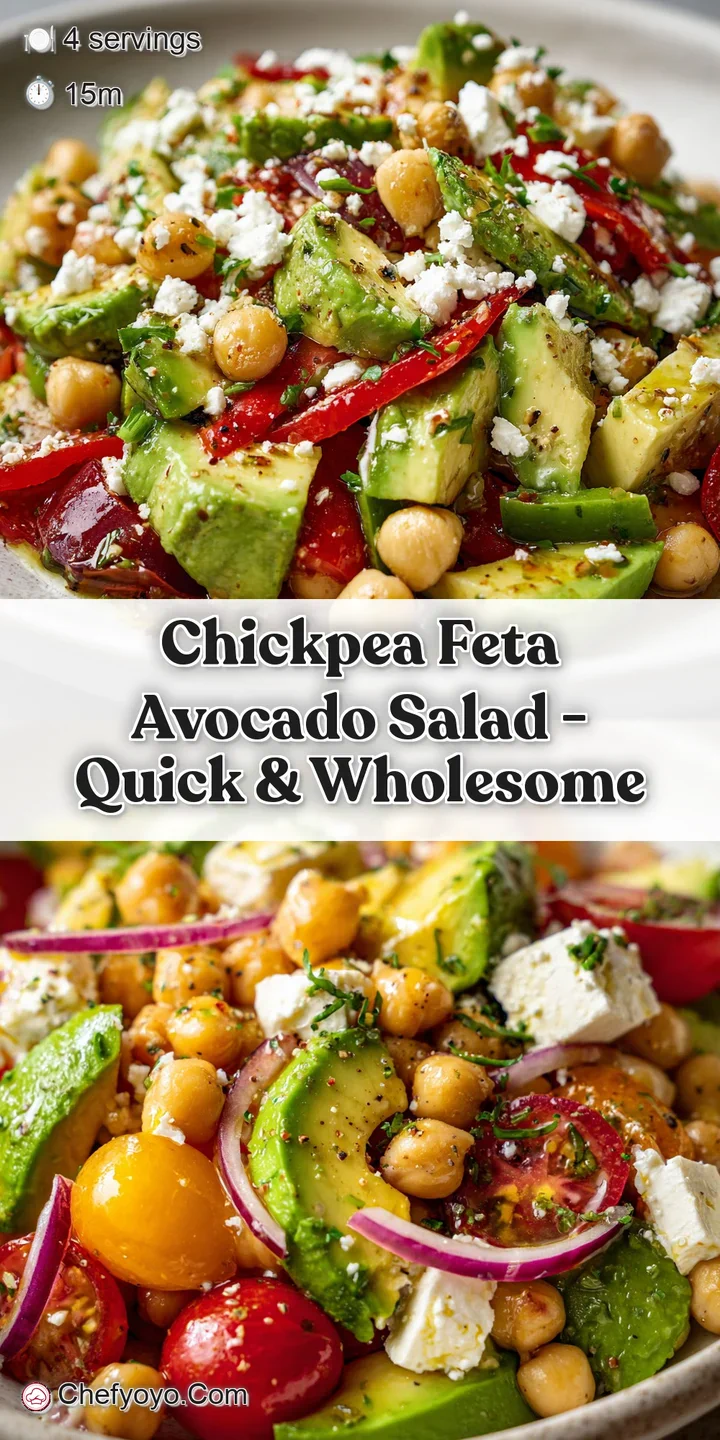
Recipe FAQs
What makes this chickpea feta avocado salad taste so fresh?
The balance of textures and bright flavors. Fresh lemon juice and balsamic vinegar cut through the creamy avocado and rich feta, while crisp cucumber and red onion add a refreshing bite.
How do I prevent the avocado from browning?
Add avocado last and toss gently. Acidic ingredients in the dressing, like lemon juice, help slow oxidation, but mechanical stress from over mixing accelerates it.
Can I make this salad ahead of time?
Yes, with some adjustments. Prepare the chickpea and vegetable base, and make the dressing separately. Combine everything except the avocado just before serving to maintain freshness.
What is the best way to dice the ingredients?
Uniformity is key for even flavor distribution. Aim for roughly 1cm dice for the cucumber and tomatoes, and finely mince the red onion. This ensures each bite has a bit of everything.
Is it true that the pit prevents avocado browning?
No, this is a common misconception. The avocado pit only protects the flesh it's directly touching; the real defense against browning is acidic dressing and minimizing air exposure.
How can I make this salad heartier for a main course?
Add a protein or grain. Grilled chicken, shrimp, or even quinoa would complement the existing flavors beautifully, similar to how protein enhances our Mediterranean Chicken Bowl recipe.
What type of feta cheese should I use?
Authentic sheep's milk feta is best. It offers a creamier texture and a more robust, tangy flavor compared to cow's milk varieties, providing a superior salty contrast.
Chickpea Feta Avocado
Ingredients:
Instructions:
Nutrition Facts:
| Calories | 548 calories |
|---|---|
| Protein | 15.4 g |
| Fat | 36.2 g |
| Carbs | 46.5 g |
| Fiber | 16.2 g |
| Sugar | 8.1 g |
| Sodium | 685 mg |
