Christmas Morning Casserole: Make-Ahead Savory
- Baking the Best Christmas Morning Casserole
- Why This Recipe Works
- Essential Specs and Preparation Metrics
- Sourcing the Finest Savory Elements
- Necessary Gear for Success
- Mastering the Layering Technique
- Solving Common Texture Issues
- Customizing for Every Palate
- Safe Storage and Reheating Tips
- Elegant Pairings and Garnishes
- High in Sodium
- Christmas Morning Casserole FAQs
- 📝 Recipe Card
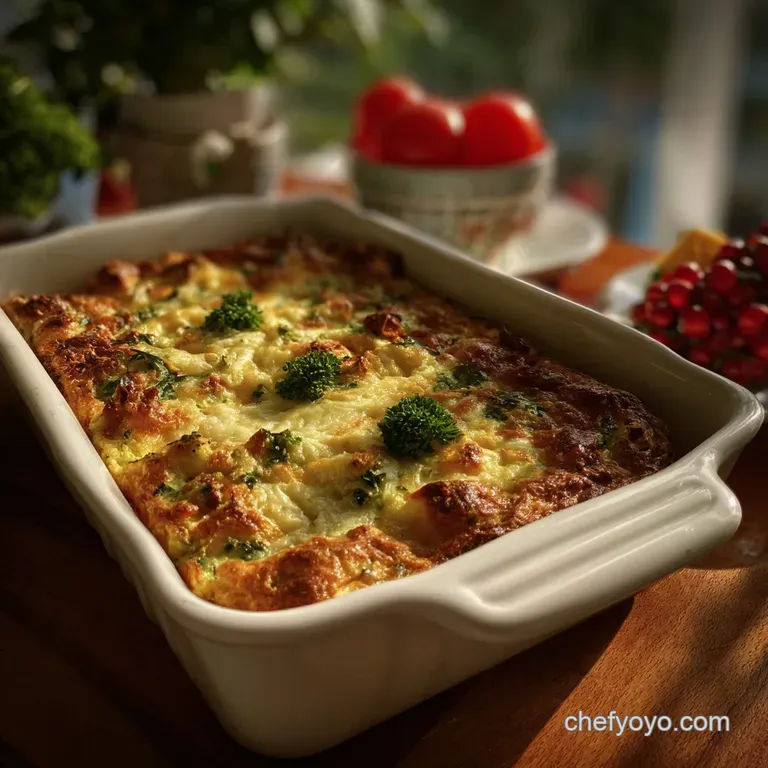
Baking the Best Christmas Morning Casserole
Imagine waking up to the sharp, savory sizzle of breakfast sausage hitting a hot skillet while the rest of the house is still cocooned in blankets. That spicy, peppery aroma drifts up the stairs, signaling that the festive chaos is about to begin.
But instead of being tethered to the stove while everyone else is tearing into wrapping paper, you've got a secret weapon tucked away in the fridge. This Christmas morning casserole recipe is the ultimate gift to yourself.
It’s the difference between a frantic morning of flipping cold pancakes and a relaxed, coffee in-hand celebration where the oven does all the heavy lifting.
I’ve spent years trying to find that "goldilocks" balance for a holiday brunch. You know the struggle: some bakes come out as soggy bread pudding, while others are so dry they require a gallon of orange juice just to swallow.
We've all been there, scraping a burnt bottom off a glass dish because the heat was too high. This version changes that. We are talking about a velvety custard that binds together chunks of tangy sourdough and punchy sharp cheddar.
It’s a contemporary take on a classic that focuses on building layers of flavor rather than just throwing eggs at bread.
Trust me on this, once you hear the shatter of that golden brown crust and see the gooey, molten Gruyère pull away from the center, you'll never go back to those flimsy boxed mixes. We are leaning into a fusion of traditional holiday warmth and modern culinary precision.
It’s about creating a dish that feels both nostalgic and sophisticated. Let's crack on and get this prep sorted so you can actually enjoy the holiday magic this year.
Why This Recipe Works
Building a truly memorable brunch bake requires more than just mixing ingredients; it’s about managing the chemistry between protein and starch. We want a structural masterpiece that holds its shape but melts on the tongue.
By focusing on the "flavor layers" approach, we ensure that every bite offers a contrast between the saltiness of the sausage and the subtle sweetness of the nutmeg spiked custard.
- Protein Denaturation: The eggs and heavy cream form a protein matrix that sets into a silky, semi solid state rather than a rubbery texture.
- Starch Gelatinization: Using sourdough or challah allows the starch molecules to swell and trap the liquid, preventing a soggy "pool" at the bottom of the dish.
- The Maillard Reaction: Browning the sausage and pre toasting the bread creates complex, nutty flavor compounds that add a contemporary depth to the bake.
- Fat Emulsification: The addition of dry mustard powder acts as a bridge, helping the fats from the Gruyère and sausage stay suspended in the egg mixture.
The Science of Why it Works
The science here lies in the hydration of the bread fibers; by letting the casserole sit, the starch granules in the sourdough absorb the custard evenly, which prevents the eggs from weeping during the bake. This creates a cohesive, velvety crumb that shatters at the surface but remains succulent in the center.
| Feature | Fast Method (Hash Browns) | Classic Method (Bread) |
|---|---|---|
| Texture | Crispy and shredded | Pillowy and custard like |
| Prep Time | 10 minutes | 20 minutes |
| Best For | Last minute guests | Traditional festive brunch |
This specific comparison highlights why the bread method is often favored for its luxurious, pudding like consistency. If you are looking for that specific crunch, you might find my Christmas Morning Breakfast recipe to be a better fit for your texture preferences. However, for a classic, soul warming experience, the sourdough route is unbeatable.
Essential Specs and Preparation Metrics
Before we start cracking eggs, let's look at the logistics. This is a high yield dish designed to feed a crowd without breaking a sweat. If you follow the measurements precisely, you'll end up with 10 generous portions that feel heavy and satisfying.
Precision is key here especially when it comes to the ratio of liquid to bread. Too much milk and it won't set; too much bread and it becomes a desert dry brick.
| Servings | Ingredient Adjustments | Pan Size | Cook Time |
|---|---|---|---|
| 5 people | 225g sausage, 1.2L bread | 20cm square | 35 minutes |
| 10 people | 450g sausage, 2.4L bread | 23x33cm | 45 minutes |
| 20 people | 900g sausage, 4.8L bread | Two 23x33cm | 50 minutes |
When you're organizing your kitchen for this, keep in mind that the pan size dictates the thickness. A thicker bake will always take longer to reach that critical internal temperature of 72°C.
I always recommend using a ceramic or glass dish for even heat distribution, as metal can sometimes scorch the delicate egg base before the center is fully set.
Precision Checkpoints
- Internal Temperature: 72°C (162°F) at the geometric center of the dish ensures the eggs are safe and the custard is set but not curdled.
- Bread Cube Size: Exactly 2.5cm (1 inch) cubes provide the ideal surface area for custard absorption while maintaining structural bite.
- Rest Time: A minimum of 10 minutes post bake is mandatory to allow the proteins to firm up before slicing.
Sourcing the Finest Savory Elements
The success of your Christmas morning casserole depends entirely on the quality of your components. We aren't just looking for sustenance; we're looking for a contemporary fusion of flavors that wakes up the palate. For the bread, don't just grab a loaf of white sandwich bread. It will disintegrate into mush.
You need something with a hearty crust and an open crumb, like a sourdough or a rich, eggy challah.
- 450g Breakfast Sausage: Look for bulk sausage with a high fat content. Why this? The rendered fat carries the spices into the bread.
- 2.4 Liters (10 cups) Sourdough Bread: Use bread that is slightly stale. Why this? Dry bread acts like a sponge for the custard.
- 225g (2 cups) Sharp Cheddar: Freshly shredded is non negotiable. Why this? Pre shredded cheese is coated in starch that ruins the melt.
- 110g (1 cup) Gruyère: This adds a sophisticated, nutty note. Why this? It provides a superior melt and "cheese pull" compared to cheddar alone.
- 8 Large Eggs: The backbone of the structure.
- 480ml (2 cups) Whole Milk: Provides the necessary hydration.
- 240ml (1 cup) Heavy Cream: Adds the velvety, luxurious mouthfeel.
- 5ml (1 tsp) Dry Mustard Powder: Sharpens the flavor profile.
- 2.5ml (1/2 tsp) Fresh Nutmeg: Grate it yourself for a pungent, aromatic punch.
- 5ml (1 tsp) Kosher Salt & 2.5ml (1/2 tsp) Black Pepper: Essential seasoning layers.
- 60ml (1/4 cup) Fresh Chives: Adds a bright, oniony finish.
- 2.5ml (1/2 tsp) Smoked Paprika: Provides a contemporary, subtle wood fire depth.
Component Analysis
| Ingredient | Science Role | Pro Secret |
|---|---|---|
| Heavy Cream | Fat stabilization | Prevents eggs from curdling at high heat |
| Sourdough | Structural integrity | Acidic profile balances rich dairy fat |
| Dry Mustard | Emulsification | Bridging agent between fat and liquid |
If you find yourself missing a specific item on Christmas Eve, don't panic. You can swap out the sausage for thick cut bacon, though the flavor will be smokier. Just ensure you render the fat completely.
For the cheese, a mixture of Fontina and Parmesan can work if Gruyère is nowhere to be found, but you’ll lose that specific Alpine funk that makes this bake feel special.
Necessary Gear for Success
You don't need a professional kitchen to nail this, but a few specific tools will make your life significantly easier. I’ve made the mistake of trying to whisk a dozen eggs in a tiny bowl it’s a recipe for a messy counter and a grumpy cook.
2 Must Have Tools
- A Large Balloon Whisk: You need to incorporate as much air as possible into the eggs to keep the custard light. A fork just won't cut it.
- Cast Iron Skillet: For browning the sausage. The heat retention of cast iron (like a Lodge) gives you that beautiful, crispy sear that creates the first layer of flavor.
Beyond those, a standard 23x33cm baking dish is your canvas. I prefer ceramic because it looks beautiful on the table, but a heavy glass Pyrex works perfectly too. Make sure you have a microplane for that nutmeg; pre ground nutmeg tastes like sawdust in comparison to the oily, pungent zest of a freshly grated nut.
Mastering the Layering Technique
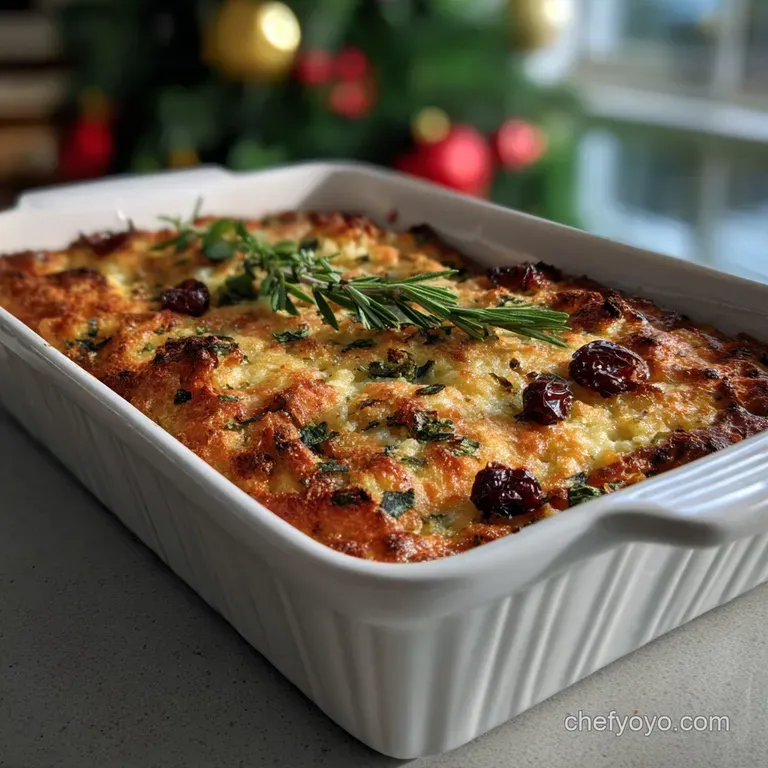
This is where the magic happens. We aren't just dumping everything into a bowl. We are strategically layering textures. Right then, let's get into the process.
- Brown the protein. Sauté the 450g of sausage in your skillet over medium high heat until deeply browned and crispy. Note: This creates the "fond" or browned bits that pack the most punch.
- Drain the fat. Remove the sausage with a slotted spoon and let it rest on paper towels.
- Prep the bread. Cube your 2.4L of bread into 2.5cm pieces. If the bread is fresh, toss it in a 150°C oven for 10 minutes until it feels dry and slightly rough.
- Grease the dish. Use butter to coat every corner of your baking dish to prevent sticking.
- Layer the base. Scatter half of the bread cubes, half of the sausage, and half of the shredded cheeses into the dish.
- Repeat the layering. Add the remaining bread, sausage, and cheese to create a tiered structure.
- Whisk the custard. In a large bowl, combine the 8 eggs, 480ml milk, 240ml cream, mustard, nutmeg, salt, pepper, and smoked paprika. Whisk vigorously until the mixture is pale and frothy.
- The soak. Pour the liquid slowly over the bread, ensuring every cube gets a bath. Press down lightly with a spatula until you see the liquid rise to the surface.
- Resting phase. Cover with foil and refrigerate for at least 4 hours, or ideally overnight.
- The morning bake. Preheat your oven to 175°C. Bake the casserole covered for 20 minutes, then uncover and bake for another 25 minutes until the top is golden and the center no longer jiggles.
Chef's Note: I once made the mistake of skipping the "press down" step. Half the bread stayed dry and turned into croutons while the bottom was a soup. Always make sure that bread is fully submerged before it goes into the fridge!
Solving Common Texture Issues
Even with the best intentions, things can go sideways in the oven. The most common complaint with any morning casserole is texture specifically the dreaded "soggy bottom." This usually happens when the bread hasn't been dried out enough or the oven temperature is too low, causing the eggs to steam rather than bake.
The Soggy Bottom Fix
If you pull your dish out and notice liquid pooling, don't panic. Increase the oven temp by 15°C and move the rack to the bottom position. This gives the base a blast of heat to set those lingering liquids. To prevent this entirely, always toast your bread cubes first.
It creates a moisture barrier that keeps the bread structural.
| Problem | Root Cause | Solution |
|---|---|---|
| Liquid base | Underbaked custard | Bake until center hits 72°C |
| Dry bread | Insufficient soaking | Press bread into custard; soak overnight |
| Greasy surface | Low quality sausage | Drain fat thoroughly after browning |
Dry Egg Syndrome
If the edges look like they are pulling away and the texture feels spongy or rubbery, you’ve overcooked the proteins. This happens when the casserole stays in the oven too long after the eggs have set. Remember the carryover heat!
The dish will continue to cook for about 5 minutes after you pull it out.
Salt Balance Tips
If it tastes flat, it’s usually a lack of acid or salt. The Gruyère provides some saltiness, but the sourdough adds acidity. If you’re using a blander bread like Challah, you might need an extra pinch of kosher salt in your custard to bridge that gap.
Common Mistakes Checklist: ✓ Don't use pre shredded cheese; the cellulose coating prevents a velvety melt. ✓ Ensure the sausage is completely drained of fat to avoid a greasy puddle. ✓ Never skip the overnight soak; it’s essential for structural starch hydration.
✓ Check the oven temperature with an external thermometer to ensure accuracy. ✓ Let the dish rest for 10 minutes before slicing to avoid the "collapse."
Customizing for Every Palate
One of the best things about this recipe is how adaptable it is. If you're catering to a specific crowd, you can pivot the flavor profile without losing the structural integrity of the bake.
Hash Brown Twist
If you want to try a Christmas morning casserole with hash browns, simply replace the 2.4L of bread with an equal volume of frozen, thawed shredded potatoes. You’ll need to increase the bake time by about 10 minutes to ensure the potatoes are tender. For a detailed guide on this specific texture, you might want to look at my Breakfast Casserole recipe.
Sweet French Toast Style
To go the "French Toast" route, swap the sausage and savory spices for 100g of brown sugar, 15ml of cinnamon, and a handful of pecans. It turns the dish into a decadent, bread pudding style breakfast that pairs beautifully with maple syrup.
gluten-free Adaptations
For a gluten-free version, use a sturdy gluten-free sourdough loaf. Since GF bread tends to be denser and absorbs liquid differently, I recommend increasing the milk by 60ml to ensure the center stays moist.
| Original Ingredient | Substitute | Why It Works |
|---|---|---|
| Breakfast Sausage | Smoked Tofu | Firm texture and high protein. Note: Needs extra seasoning to mimic sausage. |
| Whole Milk | Unsweetened Soy Milk | Similar protein and fat content for a stable set. |
| Sharp Cheddar | Nutritional Yeast/Vegan Cheese | Adds umami. Note: Vegan cheese doesn't melt the same way; use sparingly. |
Safe Storage and Reheating Tips
Let's be real: the leftovers are almost as good as the first serving. The flavors have more time to meld, and the texture firms up even further. You can keep this in the fridge for up to 4 days.
Just make sure it’s tightly wrapped in plastic or stored in an airtight container to prevent it from picking up "fridge smells."
For freezing, this bake is a champion. You can freeze the entire thing (after baking and cooling) for up to 2 months. Wrap it in a double layer of foil and then plastic wrap. To reheat from frozen, let it thaw in the fridge overnight.
Pop it back in a 160°C oven for 20 minutes to restore that shatter crisp top.
Zero Waste Tip: If you have leftover crusts or small bits of bread that didn't make it into the cubes, don't toss them! Pulse them in a blender to make fresh breadcrumbs. You can toast these with a little butter and herbs to use as a crunchy topping for pasta or salads later in the week.
Elegant Pairings and Garnishes
To truly round out your holiday table, you need a little contrast. Since this bake is rich and savory, you want something bright and acidic to cut through the fat. A simple fruit salad with mint and lime zest works wonders.
Acidic Fruit Pairs
A bowl of fresh pomegranate seeds, sliced oranges, and grapefruit segments provides a contemporary look and a much needed zing. The citrus acidity acts as a palate cleanser between bites of the cheesy custard.
Creamy Beverage Match
Of course, no Christmas morning is complete without a festive drink. While coffee is the standard, a Classic Homemade Eggnog Recipe adds a layer of creamy indulgence that matches the spirit of the day. If the eggnog feels too heavy, a dry sparkling Mimosa with a splash of cranberry juice offers a crisp, refreshing alternative.
When serving, don't forget the fresh chives. That pop of green against the golden brown crust isn't just for looks; the raw, oniony bite of the chives cuts through the richness of the Gruyère and sausage, bringing a fresh, contemporary balance to every plate. Right then, you're all set.
Go forth and win Christmas morning!

High in Sodium
870 mg mg of sodium per serving (38% % of daily value)
The American Heart Association recommends limiting sodium intake to about 2,300mg per day for overall cardiovascular health.
Sodium Reduction Tips for Your Breakfast Strata
-
Choose Low-Sodium Sausage-25%
Breakfast sausage is a major sodium contributor. Opt for a low-sodium or no-salt added sausage to significantly reduce sodium content. This simple swap can make a big difference.
-
Reduce Cheese Sodium-15%
Sharp Cheddar and Gruyère cheeses can be high in sodium. Use half the amount, or replace some of it with a lower sodium cheese, like Swiss, or a very small amount of Parmesan for flavor.
-
Reduce Added Salt-10%
Cut back on the Kosher salt by half or omit it entirely. Taste the dish after cooking and add a small amount of salt only if needed. The cheese and sausage already contribute sodium.
-
Consider Bread Choices-5%
Sourdough can have a decent amount of salt, although less than other bread. Consider using other bread alternatives like french bread or a low sodium sandwich loaf. This will lower the sodium content.
-
Enhance with Herbs & Spices
Maximize flavor using herbs and spices instead of salt. The recipe already includes chives, nutmeg, smoked paprika, and pepper, which can be used generously to enhance the flavor profile without adding sodium.
Christmas Morning Casserole FAQs
Can I prepare this casserole the night before?
Yes, absolutely. In fact, it's highly recommended to let the casserole soak overnight. This allows the bread to fully absorb the custard, resulting in a richer texture and preventing a dry center.
What is the best type of bread to use for this casserole?
Sourdough or challah bread is ideal. These breads have a good crust and an open crumb that allows them to soak up the custard without becoming completely mushy, offering a satisfying texture.
My casserole seems watery after baking, what went wrong?
This usually means the custard wasn't fully set. Ensure your oven temperature is accurate and bake until the center no longer jiggles, or use an internal thermometer to check for 72°C (162°F). Letting it rest after baking also helps it firm up.
Can I make a gluten-free version of this casserole?
Yes, you can adapt it for a gluten-free diet. Use a sturdy gluten-free sourdough or similar loaf. You might need to add a little extra milk to the custard, as gluten-free breads can absorb liquid differently.
What can I substitute if I don't have breakfast sausage?
Bacon is a great alternative, or you can use plant based sausage. If using bacon, cook it until crispy and drain the rendered fat thoroughly. For a vegetarian option, firm tofu seasoned with breakfast sausage spices works well.
How do I prevent the edges from becoming dry and rubbery?
Avoid overbaking and ensure even heat distribution. Remove the casserole from the oven as soon as the center is set; the carryover heat will continue to cook it slightly. Using a ceramic or glass dish also helps with more even cooking.
Can I add other vegetables or cheeses to this casserole?
Yes, feel free to customize it with your favorite additions. Sautéed mushrooms, spinach, or caramelized onions can be layered in. For cheese, a mix of Gruyère and sharp cheddar provides a fantastic melt and flavor, similar to the profile in our Million Dollar Ravioli Casserole.
Christmas Morning Casserole
Ingredients:
Instructions:
Nutrition Facts:
| Calories | 576 kcal |
|---|---|
| Protein | 27.3 g |
| Fat | 35.3 g |
| Carbs | 29.1 g |
| Fiber | 1.2 g |
| Sugar | 4.8 g |
| Sodium | 870 mg |
