The Proper Classic Caesar Dressing Liquid Gold for Your Salad
- Unlocking the Umami Bomb: Why Homemade Caesar Truly Matters
- The History of Caesar Salad Dressing: Tijuana's Greatest Culinary Gift
- Assembling Your Arsenal: Essential Ingredients and Substitutions
- Tools of the Trade: Achieving the Perfect Emulsion
- Mastering the Emulsion: A Step-by-Step Guide
- The Classic Method for Crafting This Caesar Dressing
- Storage and Troubleshooting Your Homemade Creation
- Elevating Your Meal: Pairing and Variations
- Nutrition Snapshot: Is Homemade Caesar Salad Dressing Healthy?
- Recipe FAQs
- 📝 Recipe Card
Unlocking the Umami Bomb: Why Homemade Caesar Truly Matters
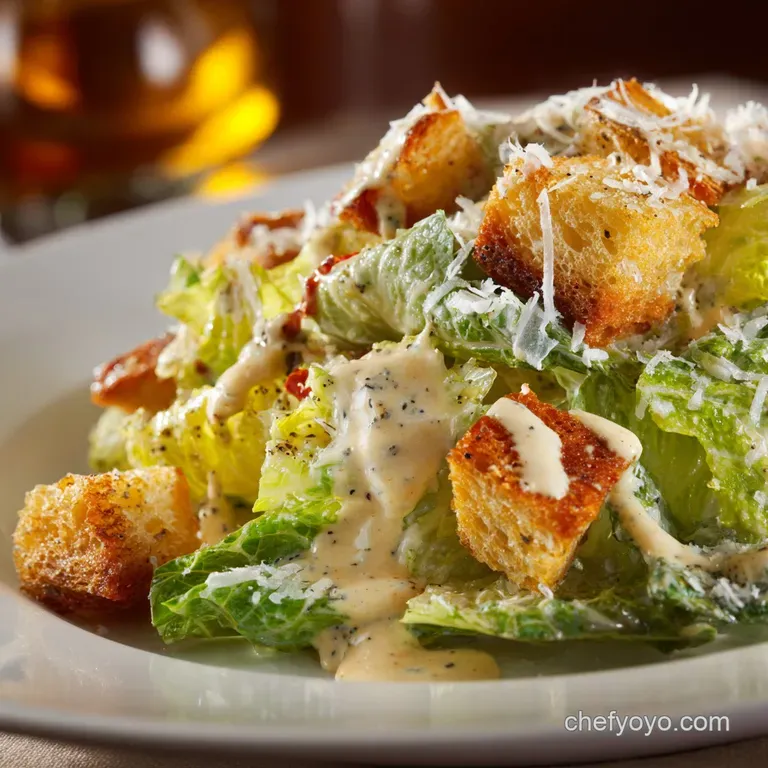
For too long, the brilliant concept of the Caesar salad has been marred by pale, synthetic interpretations found bottled in refrigerated grocery sections. If you’ve never experienced the depth and complexity of a properly crafted, Homemade Creamy Caesar Dressing, you are missing out on an experience that is nothing short of an umami explosion.
This isn't just about mixing oil and vinegar; it’s an exercise in balancing rich oil with sharp acid, pungent aromatics, and profound savoury depth. Mastering the technique of creating this magnificent emulsion takes patience, placing its difficulty level squarely in the medium category, but the resulting Fresh Caesar Salad Dressing elevates any meal into a culinary event.
On top of that,, controlling the quality of the ingredients from using truly fresh eggs and garlic to high grade Parmesan ensures a superior texture and flavor profile that simply cannot be replicated by mass production.
The History of Caesar Salad Dressing: Tijuana's Greatest Culinary Gift
The popular assumption that Caesar dressing has Roman origins is entirely false, a delightful piece of culinary fiction. The genuine story takes us not to Italy, but across the border to Tijuana, Mexico, where Italian American restaurateur Caesar Cardini first concocted this dish.
It was the 1920s, and legend says that during a busy Fourth of July weekend, the chef ran low on supplies. Using what he had on hand romaine lettuce, olive oil, lemon juice, egg, Worcestershire sauce, Parmesan cheese, and garlic he created a magnificent dressing tossed tableside.
The resulting Caesar Salad Dressing quickly became an international sensation, celebrated for its bold, unconventional preparation and intense flavor.
Decoding the Essential Savoury Balance
The genius of Cardini’s creation lies in its perfect triangulation of flavor: sharp acidity from the lemon, creaminess from the oil-egg emulsion, and profound savoriness, largely driven by the anchovy and Worcestershire sauce.
This combination ensures the dressing is rich without being heavy, bright without being sour, and deeply flavorful without relying on high sugar content. Achieving this balance is the core goal of any successful caesar salad dressing recipe.
What Makes the Emulsion So Stable?
A successful dressing relies on creating a stable emulsion, which means suspending tiny droplets of oil in a water based liquid without them separating. This stability is achieved through the use of powerful emulsifiers.
In this dressing, we rely heavily on the lecithin found in the egg yolk and the stabilizing properties of Dijon mustard . These ingredients act as bridges between the oil (fat) and the lemon juice (water), binding them tightly together, provided the oil is added with meticulous control.
Cardini's Secret Ingredient Revealed
While Cardini himself famously claimed he never used anchovies, it is now widely accepted that the intense, deep umami flavor in the original dressing came from Worcestershire sauce. Since traditional Worcestershire sauce is derived partially from fermented anchovies, the flavor profile remains consistent.
For a truly robust Homemade Creamy Caesar Dressing, we embrace the direct source, utilizing four to six whole, oil-packed anchovy fillets to build the deep, earthy base.
The Myth of Raw Egg Yolk Safety
When preparing a caesar salad dressing with egg, concerns often arise regarding the use of raw yolk. It is crucial to address this by ensuring you use the freshest possible ingredients.
For absolute peace of mind, especially if serving vulnerable populations, always opt for a pasteurised large egg yolk . The egg yolk, along with the Dijon mustard, is indispensable for achieving the required velvety texture and stability of the emulsion.
Assembling Your Arsenal: Essential Ingredients and Substitutions
Crafting the perfect Easy Caesar Salad Dressing Recipe requires careful attention to the quality of a few core components. To start, you will build the Umami Paste using two large cloves of fresh garlic, which must be mashed finely with kosher salt (about half a teaspoon) and freshly ground black pepper (half a teaspoon) alongside the four to six anchovy fillets.
For the essential Emulsion Base, you will need the aforementioned egg yolk, one teaspoon of smooth Dijon mustard, two tablespoons of fresh lemon juice, and one teaspoon of Worcestershire sauce.
The volume of the dressing relies on the oils, requiring a mix of one half cup (120 ml) of Light Olive Oil or high-quality Extra Virgin Olive Oil (be cautious with EVOO, as some brands can impart a bitter note) and one half cup (120 ml) of a neutral oil like canola or grapeseed.
Finally, the dressing is finished with half a cup of finely grated Parmesan cheese —ensure this is fresh, high-quality cheese, as pre-grated varieties contain anti caking agents that can spoil the texture.
Tools of the Trade: Achieving the Perfect Emulsion
While modern appliances can speed up the process, achieving the authentic, rich texture of this dressing often requires simple, fundamental kitchen tools. You will need a medium mixing bowl, a sharp knife for prepping the aromatics, and, most crucially, a sturdy whisk.
This classic method gives you precise control over the texture and consistency. The entire process, including chilling time, takes approximately 45 minutes, yielding a generous 350 ml, enough for six to eight servings.
Anchovy Paste vs. Whole Fillets: Which to Choose?
When deciding on the savoury base for your caesar salad dressing with anchovies, whole fillets are always the superior choice. Oil-packed fillets offer a richer, more profound oceanic saltiness and umami depth than paste, which can sometimes taste overly metallic or stale.
We advocate for finely mincing and mashing four to six whole fillets into the Umami Paste for the best possible flavor foundation.
Choosing the Right Acid: Fresh Lemon vs. Vinegar
The classic Caesar demands the bright, clear acidity of fresh lemon juice . Approximately two tablespoons (30 ml) are required to cut through the richness of the oil and cheese.
Lemon juice provides a vibrant tang that vinegar simply cannot match, playing a critical role in balancing the fat content and awakening the palate.
The Best Oil for a Neutral Base
To ensure the garlic, lemon, and anchovy flavors remain dominant, it's wise to use a combination of oils. Using 120 ml of neutral oil (such as grapeseed or sunflower) prevents the dressing from becoming overly heavy or overtly "green" tasting, which can happen if you use only robust olive oil.
This mixture results in a lighter, purer tasting base that perfectly carries the robust flavorings.
Hand Whisking Versus the Blender Method
The authentic, old-school preparation for How To Make A Cesar Dressing involves vigorous hand whisking. While a blender or food processor makes an Easy Caesar Salad Dressing Recipe, the hand whisked technique allows the cook to feel the changing viscosity and texture of the emulsion as it thickens, granting ultimate control and resulting in a denser, silkier finish.
Related Recipes Worth Trying
- Nanas Best Old Fashioned Ambrosia Salad Recipe Fluffy Tangy — The ultimate Old Fashioned Ambrosia Salad made with our secret draining technique for max fluffiness This Best Ambrosia Salad uses Cool Whip and sour cream
- Foolproof Ambrosia Fruit Salad Creamy Tangy and Never Soggy — This Ambrosia Fruit Salad recipe solves the watery dressing dilemma Using Cool Whip and Greek yogurt we create a perfectly stable sweet dressing for all...
- Authentic Greek Salad Recipe Horiatiki LettuceFree Ready in 15 Minutes — The authentic lettucefree Greek Salad Horiatiki is here Celebrate peak summer flavour with a whole Feta block and a simple rich Greek olive oil dressing...
Mastering the Emulsion: A step-by-step Guide
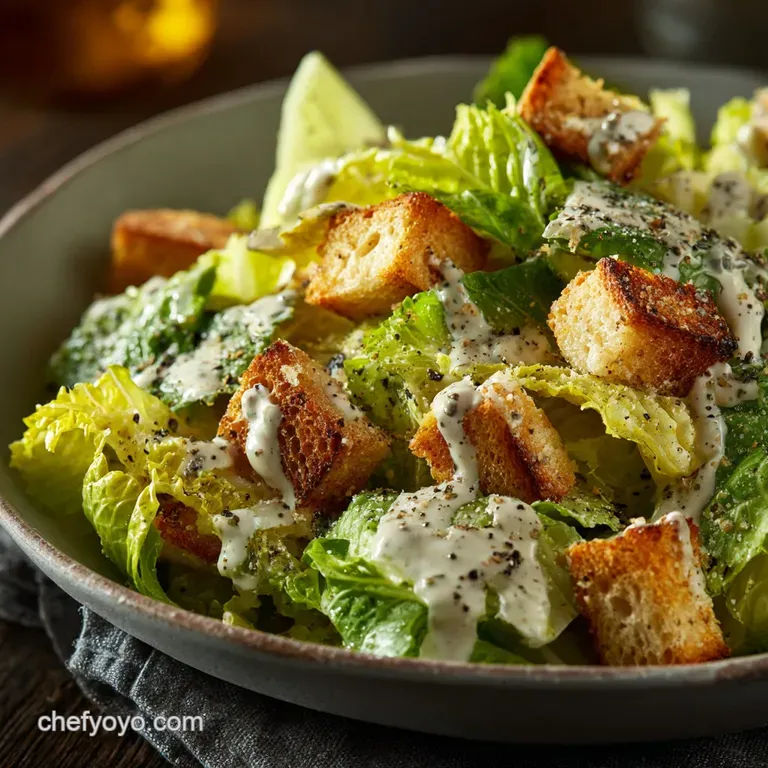
The key to successfully creating this Fresh Caesar Salad Dressing is ensuring all emulsion ingredients the egg yolk, Dijon, and lemon juice are at room temperature. Cold ingredients are the primary cause of a broken emulsion.
The process begins with establishing a strong flavor foundation, followed by a meticulous, slow incorporation of the oil that gradually thickens the dressing into its signature creamy consistency.
The Classic Method for Crafting This Caesar Dressing
This process ensures maximum flavour extraction and a perfectly stable final product.
Prepping the Aromatics (Garlic and Anchovies)
The first step is critical: building the Umami Paste. Finely mince the two large garlic cloves and the four to six anchovy fillets. Combine these with the salt and pepper on a cutting board, then use the flat side of a chef’s knife to mash and scrape the mixture until it becomes a uniformly smooth, thick paste with no discernible chunks remaining.
Scrape this flavour foundation into your mixing bowl.
Establishing the Acidic Base
To the Umami Paste, add the room temperature egg yolk, one teaspoon of Dijon mustard, the two tablespoons of fresh lemon juice, and the teaspoon of Worcestershire sauce. Whisk this combination vigorously for 30 to 60 seconds until the mixture lightens in color and becomes slightly foamy.
This is your stable starting point for the oil addition.
The Slow Drip Technique for Stabilization
Combining the oil is the most critical phase. Pour the mixed oils into a jug with a spout. While whisking continuously and rapidly, introduce the oil one drop at a time for the first two minutes. This slow introduction creates tiny oil droplets, allowing the emulsifiers to coat them securely.
Once the dressing visibly thickens and starts resembling thin mayonnaise, you can slowly increase the addition to a very thin, steady stream. Continue whisking until the entire 240 ml of oil is fully incorporated, resulting in a thick, pale yellow, and utterly creamy Homemade Creamy Caesar Dressing.
Whipping in the Parmesan Finish
Once the emulsion is stable, the finishing ingredients are added. Using a spatula (not the whisk, which can turn the cheese stringy), fold in the half cup of finely grated fresh Parmesan cheese. Taste the dressing and adjust the seasoning with additional salt, pepper, or a squeeze of lemon if needed.
If the caesar salad dressing recipe is too dense, thin it down by whisking in two to four tablespoons of ice-cold water until the desired pouring consistency is achieved.
Storage and Troubleshooting Your Homemade Creation
Because this recipe utilizes fresh ingredients, including a raw egg yolk, proper storage and prompt use are necessary. This finished product must be covered tightly and immediately refrigerated.
Allowing the dressing to chill for a minimum of 30 minutes is essential, as this time permits the bold, pungent flavors to marry and soften into a harmonious whole.
Elevating Your Meal: Pairing and Variations
While the classic pairing involves crisp Romaine lettuce, crunchy croutons, and extra grated Parmesan, this versatile Fresh Caesar Salad Dressing can elevate a variety of dishes. Try it drizzled over grilled chicken or salmon for a main course, or use it as a robust marinade for steak.
It also makes an unexpectedly luxurious dipping sauce for roasted potatoes or raw vegetable platters.
Nutrition Snapshot: Is Homemade Caesar Salad Dressing Healthy?
Given the substantial amount of oil and cheese, this caesar salad dressing recipe is calorie dense, providing an estimated 180 to 200 calories per two-tablespoon serving, with most of that coming from the 18 to 20 grams of total fat.
While high in flavor and healthy fats (especially if using quality olive oil), it is best enjoyed in moderation. The sodium content is also high (180 200 mg) due to the salt, anchovies, and Parmesan, so adjust any added salt accordingly.
How to Fix a Broken Emulsion (The 'Rescue' Strategy)
If your dressing suddenly breaks and appears oily or curdled, stop whisking immediately. In a separate, clean bowl, place one teaspoon of fresh Dijon mustard or a new, room temperature egg yolk. Begin whisking this new base rapidly. Then, very slowly drop by drop whisk the broken dressing into the new base.
The emulsifiers in the fresh ingredient will seize the oil from the broken mixture and help the dressing re-emulsify, saving your hard work.
Shelf Life and Refrigeration Best Practices
Due to the use of fresh egg and dairy, this dressing has a relatively short shelf life compared to commercial bottled versions. Store the dressing in an airtight container in the refrigerator immediately after preparation. It should be consumed within three to five days for the best quality and safety.
Serving Suggestions Beyond Lettuce
To take this Homemade Creamy Caesar Dressing beyond the traditional bowl, consider using it as a vibrant binder for chicken or tuna salad, substituting typical mayonnaise. It works exceptionally well as a sharp counterpoint when drizzled over roasted Brussels sprouts or thick cut asparagus.
Making it dairy-free or Vegan Friendly
For those needing a caesar salad dressing no anchovies option, simply substitute the fillets with one tablespoon of white miso paste or capers, both of which provide the necessary umami and salt. To make the recipe dairy-free, use nutritional yeast in place of Parmesan cheese.
If you must avoid the egg yolk, substituting it with two tablespoons of ready-made vegan mayonnaise or a stabilizing agent like one teaspoon of xanthan gum mixed with water can still produce a thick, viable Easy Caesar Salad Dressing Recipe.

Recipe FAQs
How long does this homemade Classic Caesar Salad Dressing keep in the fridge?
Because this recipe uses fresh egg yolk, the shelf life is shorter than the bottled stuff think of it as a perishable treat! Provided you use pasteurised eggs and keep the dressing airtight and properly chilled, it should last for around 4 to 5 days.
It's best enjoyed within the first two or three days, however, while the garlic is still vibrant and punchy. After that, it’s best to make a fresh batch.
Oh dear, my dressing has split! How do I fix a broken emulsion?
Don't panic! A split dressing is a frustrating niggle, but it’s entirely fixable. In a separate, clean bowl, whisk one fresh teaspoon of Dijon mustard (or a new egg yolk, if you have one).
Then, very slowly we’re talking drop by drop start incorporating your broken, oily mixture into this new base. The mustard acts as a fresh binder to rescue the emulsion. Keep whisking diligently, and it should come back together, good as new!
I’m a bit squeamish about anchovies. Can I really taste them in the Caesar Salad Dressing?
That is a very common concern, but rest assured, the proper dressing doesn't taste fishy at all! The anchovies are there purely for their deep, savoury umami content it’s what gives the dressing its richness.
They simply dissolve into the garlic paste, adding salty complexity rather than a distinct fish flavour. If you absolutely must skip them, a tablespoon of white miso paste or finely minced capers makes a brilliant substitute to keep that savoury foundation.
Why do I need to use room temperature ingredients when making the emulsion?
Temperature is king when creating a stable emulsion, much like ensuring the perfect brew. Cold ingredients especially the egg yolk and lemon juice are far less likely to bind successfully with the oil, which is the main reason dressings split.
Giving everything thirty minutes to reach room temperature ensures the oil and water based components can truly blend together without throwing a proper wobbly. It’s a simple prep step that makes a world of difference!
I need a vegetarian or dairy-free version of this recipe. What are my best options?
Easy peasy! To make this dressing vegetarian, the key substitutions are Parmesan and Worcestershire sauce (which usually contains anchovies). Swap the grated Parmesan for nutritional yeast, which delivers a nutty, cheesy flavour without the dairy.
For the umami kick, replace the Worcestershire and anchovies with tamari or soy sauce, plus a little extra white miso paste. The result is still incredibly rich and satisfying, guaranteeing you don't miss out on the flavour.
Classic Homemade Caesar Dressing
Ingredients:
Instructions:
Nutrition Facts:
| Calories | 1292 kcal |
|---|---|
| Protein | 14.2 g |
| Fat | 31.9 g |
| Carbs | 33.6 g |
| Fiber | 11.1 g |
| Sodium | 983 mg |
