Greek Dressing: the Definitive Homemade Vinaigrette

- Mastering the Essential Greek Vinaigrette
- Selecting Premium Ingredients for Authentic Flavor
- The Science of a Perfect Emulsion: Why This Recipe Is Balanced
- Step-by-Step Guide: Preparing Your Robust Vinaigrette
- Troubleshooting & Expert Tips for Flawless Dressing
- Shelf Life and Handling: Storing Your Homemade Dressing
- Beyond the Salad Bowl: Creative Uses for Greek Dressing
- Recipe FAQs
- 📝 Recipe Card
Mastering the Essential Greek Vinaigrette
You know that moment when you open the fridge and the scent of sharp vinegar and earthy oregano hits you? That’s what we’re aiming for. This is the ultimate, robust Greek Dressing , vibrant and completely addictive.
Forget the sad, pale bottles from the store; this homemade version has a rich texture that clings perfectly to every vegetable, making your whole kitchen smell like a Mediterranean holiday.
Honestly, mastering this easy greek dressing recipe is the greatest kitchen hack you'll ever learn. It takes five minutes, costs pennies compared to premium store brands, and instantly upgrades even the saddest weeknight salad.
It’s a total game changer, especially when you realize you can customize the tang and salt levels perfectly for your own palate.
So, ditch the whisk dread. We’re going to walk through the exact steps, the crucial ingredients, and all the sneaky tricks I’ve learned over the years to keep this best greek dressing from separating. Let's crack on and make this beautiful vinaigrette!
Why Homemade Always Wins Over Bottled
Homemade wins because you control the quality of the oil, period. store-bought dressings often use cheap, neutral oils blended with preservatives and stabilizers you definitely don't need or want.
When you make your homemade greek dressing recipe , you get to choose a fruity, high-quality extra virgin olive oil that delivers maximum flavour and incredible health benefits. It’s cleaner, brighter, and tastes intensely of actual oregano, not just chemicals.
The History of Oil, Acid, and Oregano
Vinaigrettes are ancient magic, really, relying on the essential culinary trio: fat, acid, and seasoning. In Greece, this means robust olive oil paired with sharp red wine vinegar, accented heavily by wild oregano. This combination isn't just about flavour; the acid helps break down starches and brightens everything it touches, which is why this vinaigrette is perfect for everything from lettuce to sturdy Greek Garlic Roasted Potatoes: Authentic Lemon Garlic Recipe .
What Defines a Truly Classic Greek Dressing?
A true, authentic greek dressing recipe is defined by its simplicity and its aggressive use of oregano. It must be tangy that signature sharp pucker from the vinegar but it also needs body, which we achieve through a stable emulsion and a dash of Dijon.
It should be opaque and slightly thick, not watery and separated. The defining factor for any good Greek Dressing is its ability to coat ingredients fully.
Selecting Premium Ingredients for Authentic Flavor
The quality of your core ingredients is non-negotiable for the best Greek Dressing . We are talking about five things: good olive oil, robust red wine vinegar, fresh garlic, salt, and most importantly, Greek oregano.
Don't skimp on the oil; it forms 90% of the dressing’s flavour profile, so use something you truly enjoy the taste of on its own.
The Science of a Perfect Emulsion: Why This Recipe Is Balanced
Achieving a stable emulsion is the secret to a professional grade greek vinaigrette dressing . Oil and water (or vinegar) naturally repel each other, right?
We need a binder the emulsifier to hug them together, forcing them into a creamy, stable state that won't separate the moment you stop shaking.
Choosing the Right Extra Virgin Olive Oil Grade
Use a light, fruity EVOO for your dressing, not the heavily pungent, deep green variety you might use for finishing a soup. A robust oil can sometimes solidify in the fridge or overwhelm the delicate balance of the vinegar. You want flavour, but you need flow for a successful Greek Dressing .
Deep Dive into Dried Greek Oregano vs. Fresh
Trust me, you want dried Greek oregano for this specific dressing. Unlike many herbs, dried oregano is actually stronger, earthier, and more concentrated than fresh. We need that intense, almost spicy kick that defines Greek Dressing with oregano .
Pro Tip: Gently rub the dried oregano between your palms before adding it; this "activates" the essential oils and makes the finished vinaigrette much more aromatic.
Smart Swaps: Alternative Acids for Red Wine Vinegar
If you are totally out of red wine vinegar, don't worry, you have options.
| Acid Ingredient | Notes & Ratio Adjustment |
|---|---|
| Red Wine Vinegar | The undisputed classic for this Greek Dressing . |
| Apple Cider Vinegar | Needs a pinch of sugar (1/4 tsp) to balance the acidity. |
| White Wine Vinegar | A good neutral choice, though slightly less complex in flavour. |
Achieving the Ideal Oil-to-Vinegar Ratio
The classic ratio for most vinaigrettes is 3 parts oil to 1 part acid, but for a punchy, robust Greek Dressing , I prefer a 2:1 ratio (1/2 cup oil to 1/4 cup vinegar). This provides that necessary tanginess without being overly oily.
If it seems too sharp after tasting, try adding a small splash of cold water; it helps dilute the acidity without compromising the texture too much.
The Role of Mustard as a Natural Emulsifier
Dijon mustard isn't there just for flavour, although it adds a lovely savory depth. It contains mucilage, which helps hold the oil and acid molecules together, making the vinaigrette opaque and creamy. Never skip the Dijon if you want an easy, stable Greek Dressing that won't separate instantly.
step-by-step Guide: Preparing Your Robust Vinaigrette
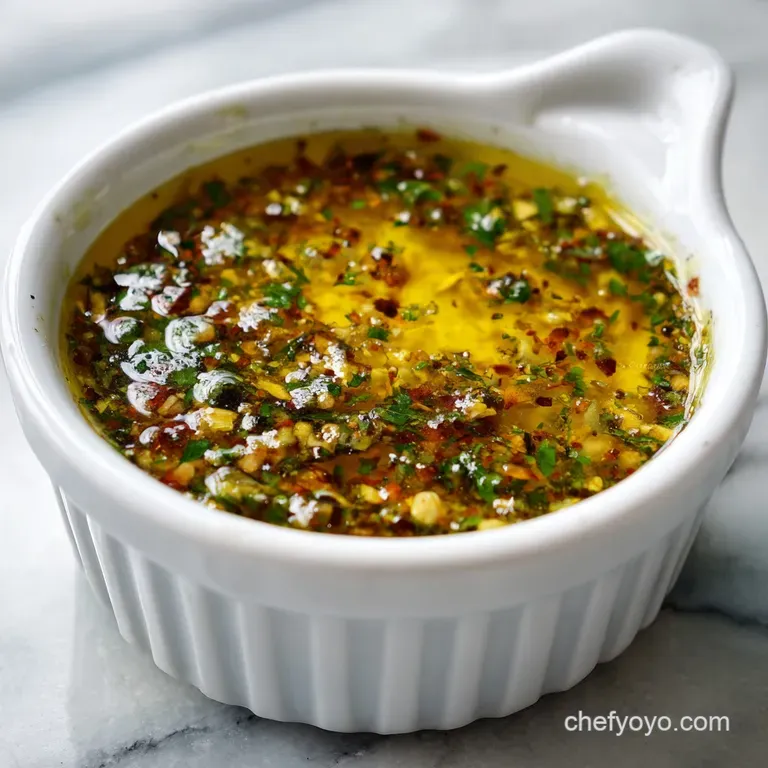
Follow these steps for the perfect authentic greek dressing recipe . It's all about the timing of adding the oil, so pay attention to step two!
Preparing and Activating the Dry Herbs and Spices
First, grab your mixing jar or bowl and mince your garlic super fine. Combine the minced garlic, red wine vinegar, lemon juice, Dijon mustard, oregano, salt, and pepper. Give this mixture a good, aggressive whisk for about 30 seconds.
You want those dry herbs to start soaking up the acid immediately; you should be able to smell the oregano bloom.
Techniques for Whisking a Stable Emulsion
This is the critical moment. Start drizzling the olive oil in SLOWLY, in the thinnest possible stream. Keep whisking vigorously with your free hand. You should hear the sound change from a sharp liquid splutter to a muffled, creamy swish as the oil integrates.
If you rush, the dressing will look greasy and break instantly, creating a floating oil slick instead of an opaque dressing.
The Final Seasoning and Resting Period
Once fully emulsified, the Greek Dressing should look like slightly thick, pale honey. Taste it now! Adjust the salt, adding tiny pinches until the flavours sing. The acid should be prominent, but not overwhelmingly harsh.
I strongly recommend letting this rest at room temperature for at least 15 minutes before serving. That rest period is when the garlic truly infuses and the oregano fully hydrates, transforming the whole flavour profile.
Troubleshooting & Expert Tips for Flawless Dressing
Even pros mess up vinaigrettes sometimes, but fixing a broken homemade greek dressing recipe is surprisingly easy. You don't have to throw it out!
How to Fix a Broken or Separated Vinaigrette
If your oil separated immediately (you added it too fast!), don't panic. Pour the broken dressing into a separate container. Start a fresh emulsion base with 1 teaspoon of hot water and 1 teaspoon of Dijon in a clean bowl.
Now, slowly whisk the broken dressing back into the new base, drop by drop, just like you would add fresh oil. It will come back together and stabilize, trust me.
Avoiding Over Salting (The Acid Interaction)
Salt always tastes less pronounced in a highly acidic environment like this Greek Dressing . Be careful not to over salt initially, thinking it's flat. Instead, taste, add a pinch, whisk, wait 30 seconds, and taste again.
It's often better to finish seasoning the salad itself with a touch of flaky sea salt than to have overly salty dressing that overpowers everything.
The Critical Importance of Proper Resting Time
Think of the resting time as letting the garlic and oregano brew in the vinegar. If you skip this, the dressing will taste sharp and the herbs will feel dry. Allowing 15 to 30 minutes at room temperature guarantees maximum flavour infusion and smoother overall taste for your Greek Dressing .
Shelf Life and Handling: Storing Your Homemade Dressing
Knowing how to store your beautiful creation means you can always have the best greek dressing ready to go whenever a salad craving strikes.
Best Practices for Refrigerated Storage
Store your vinaigrette in an airtight container (a jar is perfect) in the refrigerator. It will keep wonderfully for up to two weeks. However, because we use high-quality olive oil, it will likely solidify and become opaque when chilled. That's totally normal and not a sign it's gone bad!
Can You Freeze Greek Vinaigrette? (A Definitive Answer)
Theoretically, yes, you can freeze it, but I highly discourage it. The texture suffers dramatically. When thawed, the oil and vinegar will have permanently separated, and even vigorous whisking usually can't bring it back to that creamy emulsion.
Stick to refrigerating this classic Greek Dressing .
Re-Emulsifying Dressing After Chilling
When you pull your chilled dressing out, the oil will be hard. Let the jar sit out on the counter for about 30 minutes to reach room temperature, or briefly run the jar under warm (not hot!) water. Once mostly liquid, give it a hard shake for 15 seconds to re-emulsify before serving.
It should return to that beautiful, opaque texture.
Beyond the Salad Bowl: Creative Uses for Greek Dressing
This versatile and tangy easy greek dressing recipe is good for so much more than lettuce!
The vibrant acidity makes it a brilliant marinade. Use it as a marinade for pork or seafood before grilling; the acid tenderizes the meat while the oregano imparts incredible flavour. You can even use it to coat vegetables before roasting. This Greek Dressing is truly incredible when tossed into a warm grain salad, soaking into the farro or quinoa it’s the backbone of my Mediterranean Quinoa Salad: The Best Healthy Greek Quinoa Recipe . This specific Greek Dressing is your passport to authentic Mediterranean flavor, made right in your kitchen.
Recipe FAQs
Why is my homemade Greek dressing separating shortly after I whisk it?
Separation (or breaking the emulsion) is common in homemade vinaigrettes because oil and vinegar naturally repel each other. To create a more stable emulsion, try adding the olive oil extremely slowly in a thin stream while continuously whisking vigorously, which shears the oil droplets into tiny particles.
Adding a small teaspoon of Dijon mustard can also help stabilize the mixture, as mustard acts as an excellent emulsifier.
How long will this Classic Greek Vinaigrette keep, and does it need to be refrigerated?
This dressing must be stored in an airtight container in the refrigerator; it will keep well for about one to two weeks. Note that the high content of extra virgin olive oil means the dressing will solidify and look cloudy when chilled.
Simply allow it to sit at room temperature for 15 minutes and shake vigorously before serving to restore the liquid consistency.
The recipe calls for dried oregano. Can I substitute fresh oregano instead?
While dried oregano is traditional for Greek vinaigrette, you can use fresh oregano, but you must increase the quantity significantly, usually about three times the amount specified.
Dried herbs are far more potent and concentrated in flavor, so if you use fresh, finely mince the leaves and taste as you go to ensure the desired earthy note is achieved. Adjust the salt and pepper slightly after the herbs are incorporated.
My dressing tastes too sharp and acidic. How can I balance the vinegar's tanginess?
If the dressing is overly acidic, the easiest way to achieve balance is to introduce a touch of sweetness to offset the vinegar's bite. Start by stirring in a quarter teaspoon of honey or granulated sugar, or use pure maple syrup if keeping it strictly vegan.
Alternatively, you can mellow the overall flavor profile by simply incorporating one to two more tablespoons of high-quality olive oil.
Can I use a different type of vinegar besides red wine vinegar for this recipe?
Red wine vinegar is crucial for achieving the characteristic robust flavor of authentic Greek dressing, but you can use alternatives in a pinch. White wine vinegar offers a milder, lighter flavor that works well, though it lacks the depth of the red variety.
Avoid heavy vinegars like balsamic, as their dark color and syrupy sweetness will fundamentally alter the traditional taste profile.
Is it possible to make this dressing thicker or creamier without adding yogurt or mayonnaise?
Yes, to achieve a richer texture while keeping the recipe dairy-free, you can incorporate a small amount of tahini or blended soaked white beans. Alternatively, use a high speed blender instead of a whisk when mixing the ingredients.
The force of the blender will create a much tighter, thicker emulsion, lending a slightly creamier consistency to the final dressing.
Besides standard green salad, what are some creative ways to use this Greek dressing?
This versatile vinaigrette is excellent when used as a quick marinade for chicken, shrimp, or firm tofu, imparting robust Mediterranean flavor before grilling or baking. It also shines drizzled over grilled vegetables like zucchini and bell peppers, or tossed with warm pasta salad for a quick summer side dish.
Try using it as a dipping sauce for crusty bread or crudités.
Classic Homemade Greek Dressing Recipe
Ingredients:
Instructions:
Nutrition Facts:
| Calories | 262 kcal |
|---|---|
| Protein | 0.5 g |
| Fat | 28.0 g |
| Carbs | 3.0 g |
