The Majestic Milehigh Classic Dutch Baby Puff Perfection
- The Culinary Showstopper: Unlocking the Secret of Dutch Baby Pancakes
- Essential Elements: Gathering Your Prep Station and Pantry Staples
- Step-by-Step Guide to Baking Perfect Dutch Baby Pancakes
- Elevating Your Dish: Expert Tips, Troubleshooting, and Creative Dutch Baby Pancake Variations
- Nutritional Snapshot: Understanding the Simple Macros of this Classic Treat
- Recipe FAQs
- 📝 Recipe Card
The Culinary Showstopper: Unlocking the Secret of Dutch Baby Pancakes
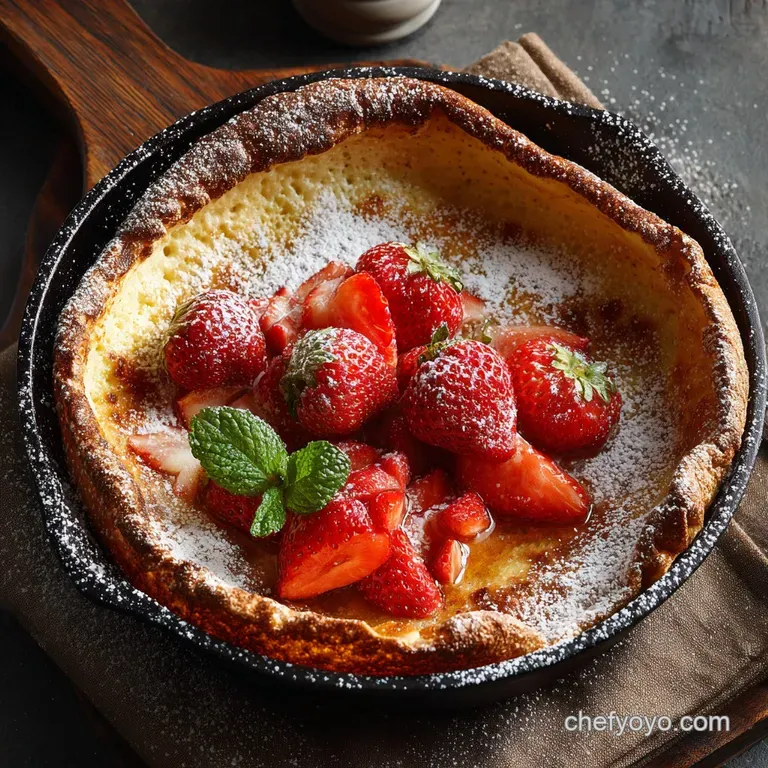
Forget everything you thought you knew about breakfast fare. While standard flapjacks rely on baking powder for a polite lift, the Dutch Baby Pancake transforms breakfast into a dramatic, culinary event.
This dish is pure breakfast theatre, offering a towering, impressive puff, beautifully crisp, buttery edges, and a tender, custardy center. Once you master the technique behind this particular Dutch Babies Recipe, you will find yourself questioning why you ever bothered flipping individual discs on a griddle.
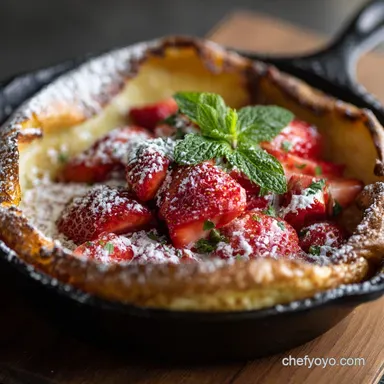
When served straight from the cast iron skillet, dusted with sugar and brightened with lemon, this preparation easily secures its place as the definitive Best German Pancake Recipe.
From Pfannkuchen to Puff: A Brief History of the German Pancake
Despite its misleading name, the Dutch Baby is not actually Dutch. Its true lineage traces back to Germany, where it is known as a Pfannkuchen or Eierkuchen —a substantial, skillet cooked batter pancake similar to Yorkshire pudding or a large crêpe.
The American iteration was popularized in the early 20th century by Manca’s restaurant in Seattle. Legend has it that the owner’s daughter coined the name "Dutch Baby," perhaps as a charming corruption of Deutsch (German).
Though the name stuck, the underlying technique remains true to its heritage, relying on simple ingredients and high heat to achieve that characteristic spectacular rise, which makes it distinct from any other German Pancakes Recipe you might encounter.
Why Does It Rise? Mastering the Science of Skillet Steam
The spectacular rise of these Dutch Baby Pancakes is a lesson in thermodynamics. Unlike chemically leavened baked goods, the Dutch Baby relies solely on physical leavening specifically, steam.
When the thin, milk and-egg-heavy batter is poured into a searingly hot cast iron skillet (often preheated to 425°F or 220°C), the moisture in the batter immediately converts to superheated steam. This steam attempts to escape and, in doing so, stretches and lifts the surrounding gluten structure.
The instant, powerful heat from the iron skillet sets the edges quickly, trapping the steam and forcing the center upward into the distinctive, towering crown we prize in the classic Dutch Baby Recipe.
Effortless Elegance: What Makes This Recipe a Breakfast Theatre Piece
The beauty of the dutch baby pancakes recipe easy approach lies in its minimal active effort combined with maximum visual impact. The entire cooking process, aside from the initial mixing, is entirely hands off. Once you place the skillet of batter into the oven, your job is complete until the timer rings.
This yields a dish that is far more sophisticated looking than a traditional stack of pancakes, yet requires less attention. This particular preparation is incredibly flexible; while the provided recipe yields four modest servings, it can easily be scaled down to create a spectacular Dutch Baby Pancake For One simply by halving the ingredients and using a smaller pan.
Essential Elements: Gathering Your Prep Station and Pantry Staples
Successfully executing a perfect Dutch Baby hinges entirely on preparation and temperature management. There are no fancy additions needed the focus is on utilizing high-quality basics and ensuring the kitchen environment supports the dramatic rise.
We rely on three large, room temperature eggs, a half cup each of whole milk and all-purpose flour, and a touch of sugar, salt, and vanilla extract for flavour.
Temperature is Key: Achieving Room Temperature Dairy and Eggs
For optimum puff, consistency is vital. The single most important preparatory step, after measuring your ingredients, is ensuring your cold items the eggs and whole milk are brought fully to room temperature. This takes roughly 30 minutes.
When dairy and eggs are cold, they resist blending smoothly, resulting in a less cohesive emulsion. A cold batter, when meeting the searing hot pan, will also cool the fat too rapidly, delaying the formation of steam and severely limiting the final volume of the Dutch Baby.
This simple pre-step ensures the batter integrates perfectly, allowing the steam to work its magic unimpeded.
The Non-Negotiables: Selecting the Best Skillet for Maximum Lift
To execute the dramatic, mile high structure of these German Pancakes, you must use a vessel that retains intense, consistent heat. A 10 inch or 12 inch cast iron skillet is the industry standard and should be considered non-negotiable.
Its thermal mass allows it to hold the 425°F oven temperature without fluctuation, ensuring the batter cooks evenly and rapidly. If a cast iron skillet isn't available, a heavy bottomed, oven safe metal dish or Pyrex will suffice, but the performance won't be quite as dramatic.
Remember, the skillet needs to be placed inside the oven during the preheat stage this step is crucial to the success of making dutch baby pancakes in oven.
Simple Batter, Superior Texture: Ingredient Ratios for the Perfect Custard
The composition of this simple batter is what gives the pancake its unique, thin, and custardy center, contrasted by the crisp, high edges. The ratio of eggs (three large) to liquid (1/2 cup whole milk) to flour (1/2 cup) is optimized for structure without excessive gluten development.
We include 1 tablespoon of sugar and a half teaspoon of vanilla extract, plus a quarter teaspoon of fine salt, to enhance the flavour profile. The recommended option of letting the finished batter rest for 15 to 30 minutes allows the starches in the flour to fully hydrate, relaxing the nascent gluten strands and leading to a much more magnificent and loftier puff when baked.
Related Recipes Worth Trying
- The Ultimate Puff Classic Lemon Sugar Dutch Baby Pancake Recipe — Achieve maximum height with this foolproof Dutch Baby Pancake recipe Its light custardy and puffs dramatically in the oven Learn the hot skillet secret for...
- Cloud Nine Cottage Cheese Pancakes HighProtein Breakfast Recipes — Tired of boring Cottage Cheese Breakfast Recipes These fluffy blended flapjacks are packed with protein for a healthy breakfast upgrade
- Cheeky Syn Free Fiery Babybel Fritters Recipe — Make these delightfully crispy Syn Free Fiery Babybel Frittersa surprisingly light lowcalorie snack thats better than any pub classic Easy steps inside
step-by-step Guide to Baking Perfect Dutch Baby Pancakes
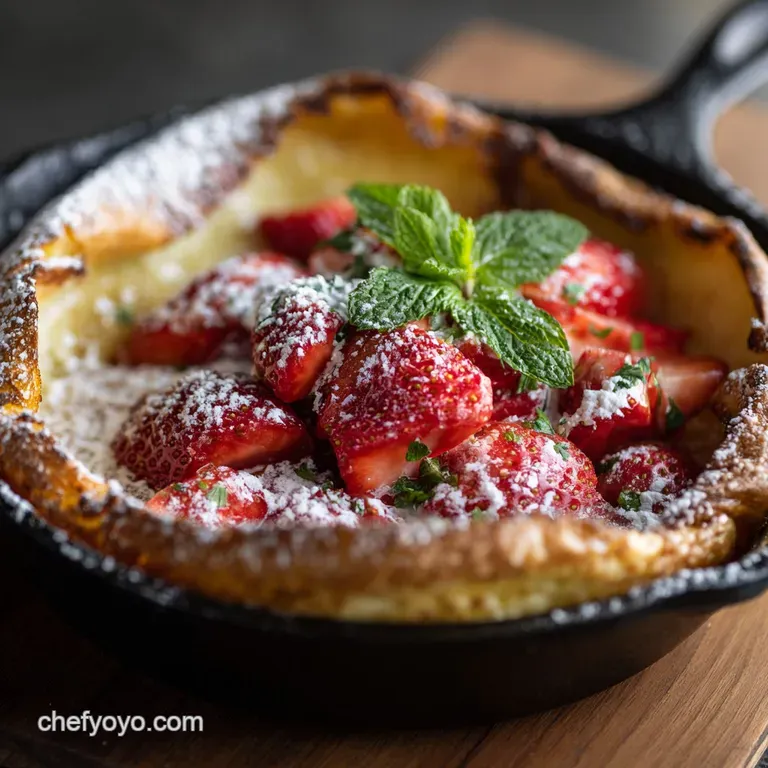
The magic happens quickly once the ingredients meet the heat. Precision in timing and temperature control during these next few steps is what separates a decent pancake from an unforgettable showstopper.
Building the Momentum: Preheating the Skillet and Butter until Smoking
Begin by setting your oven to a blistering 425°F (220°C). Place your clean cast iron skillet directly inside the oven as it preheats. Once the oven reaches temperature (and ideally for 5– 10 minutes afterward), carefully retrieve the piping hot skillet using heavy oven mitts.
Immediately drop the three tablespoons of unsalted butter (divided into cubes) into the center. The butter should melt instantly, foam vigorously, and begin to develop a nutty, slightly brown color. Swirl the pan to ensure the entire base and the sides are coated thoroughly with the searing hot, fragrant butter.
The Mixing Method: Achieving a Smooth, Lump Free Batter in Seconds
While a standard wire whisk can be used, we recommend utilizing a blender or food processor for the ultimate texture. Combine the room temperature eggs, milk, vanilla, and sugar, and blend for one minute until slightly frothy. Next, gently incorporate the flour and salt.
The key is to blend or whisk until the ingredients are just combined and the lumps have vanished. Stop immediately after smoothness is achieved; excessive mixing overdevelops the gluten, which creates a tough texture and actively restricts the dramatic ballooning needed for a perfect Dutch Baby Recipe.
After mixing, allow the batter to rest for at least 15 minutes to improve the final lift.
The Critical Bake: Oven Timing and Why You Must Resist Opening the Door
Pour the rested batter directly into the center of the buttered, smoking hot skillet. Immediately slide the pan back into the 425°F oven. The total cooking time will range between 15 and 20 minutes.
Crucially, do not open the oven door during the first 15 minutes. Opening the door drops the internal temperature, which disrupts the steam production necessary for the rise and guarantees a premature collapse.
The Dutch Baby Pancakes are fully cooked when the edges have reached an impressive height, are deeply golden brown and crisp, and the center is set (though it will remain slightly custardy). Serve it immediately, as the impressive puff will begin to deflate the moment it leaves the high heat.
Elevating Your Dish: Expert Tips, Troubleshooting, and Creative Dutch Baby Pancake Variations
Achieving the perfect, high walled Dutch Baby is highly rewarding, but requires attention to the subtle details. By focusing on temperature and timing, you can guarantee success every time.
Troubleshooting the Deflation: Why Your Puff Fell Flat and How to Prevent It
If your beautiful Dutch Baby collapses into a flat disc before you even serve it, one of three things likely occurred: 1) You opened the oven door too early, releasing critical heat and steam; 2) Your eggs or milk were too cold, hindering the initial reaction in the hot skillet; or 3) Your oven temperature was too low.
The solution is the "Temperature Trifecta": ensure cold ingredients are room temperature, the oven is aggressively hot (425°F), and the skillet is smoking hot before the batter goes in. Following this dutch baby pancakes recipe easy method guarantees the best possible result.
Beyond Lemon and Sugar: Sweet and Savory Topping Combinations
While the traditional finish a generous dusting of powdered sugar and a sharp squeeze of fresh lemon juice is unbeatable, the expansive, buttery surface of the Dutch Baby welcomes creativity.
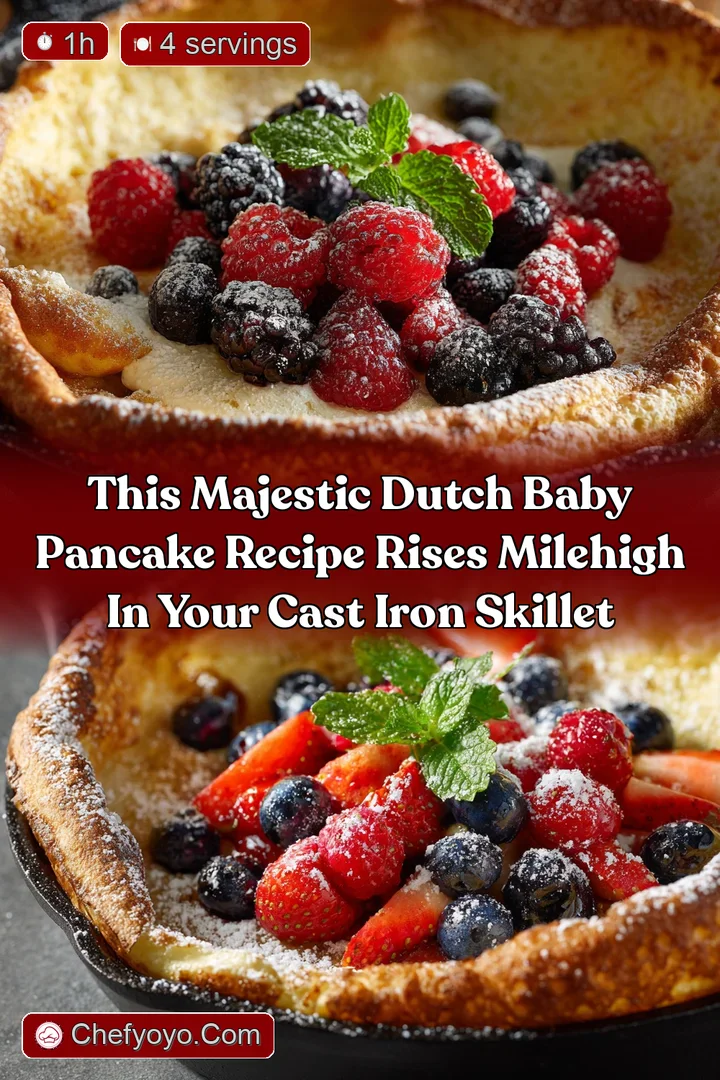
For a beautiful sweet finish, try a Dutch Baby Pancake Recipe With Berries, such as warm raspberries and blueberries, along with a drizzle of maple syrup. For autumn indulgence, stir a teaspoon of ground cinnamon into the dry ingredients and top the baked pancake with caramelized apple slices.
The versatility also extends to savory preparations: simply omit the sugar and vanilla from the batter, add a pinch of fresh thyme and grated Gruyère cheese to the hot butter before pouring in the batter, and serve the finished German Pancake with smoked salmon, capers, or roasted asparagus for a sophisticated brunch.
Storing the Leftovers: Maintaining Texture and Reheating for Later
Dutch Baby Pancakes are truly intended to be enjoyed immediately after baking. The unique, tall texture is fleeting, and the pancake will deflate as it cools. However, if you have leftovers, they can be stored successfully.
Allow the leftover wedges to cool completely, then place them in an airtight container in the refrigerator for up to three days. To reheat, placing the pieces on a baking sheet in a moderately hot oven (350°F or 175°C) for about 5– 7 minutes works best.
Avoid the microwave, which turns the texture rubbery. Be warned, though, that even careful reheating will not restore the original crispness or dramatic height achieved when they are fresh from the oven.
Nutritional Snapshot: Understanding the Simple Macros of this Classic Treat
Due to its reliance on fresh eggs, milk, and butter, the Dutch Baby offers a hearty profile that keeps you satisfied well into the morning. Based on four modest servings (and excluding optional heavy toppings like cream or syrup), the simple ingredients break down reliably.
Each serving is estimated to contain roughly 320 calories, providing a significant boost of 10 grams of protein due primarily to the rich egg content and 20 grams of total fat, largely derived from the use of butter and egg yolks essential for the signature texture.
The total carbohydrate count hovers around 25 grams, making this a substantial and delicious start to the day.
Recipe FAQs
Traditional dutch baby pancakes
For the legendary mile high rise, ensure your milk and eggs are fully at room temperature before whisking the batter, promoting better emulsion. Crucially, preheat your cast iron skillet in the oven until it is searing hot the rapid flash of heat against the wet batter is what creates the towering, crispy puff.
Dutch baby pancakes recipe
The key to achieving that impressive, MileHigh puff is temperature management. Preheat your cast iron skillet inside the oven until it is searingly hot before adding the butter and batter to ensure immediate thermal shock.
For a superior rise, always use room temperature eggs and milk; the colder the ingredients, the flatter your pancake will be. Enjoy immediately, as Dutch Babies deflate quickly once out of the oven.
Dutch baby pancakes recipe easy
For the highest rise, always bring your milk and eggs to room temperature before mixing, as this aids in a superior emulsion and gluten relaxation. The secret to the dramatic puff is extreme heat: preheat your cast iron skillet until searingly hot before pouring in the batter, which generates immediate steam and guarantees those stunning, crisp edges.
Best Dutch baby recipe
For a majestic rise, always ensure your milk and eggs are at room temperature and that your cast iron skillet is searingly hot before introducing the chilled batter. Crucially, let the blended batter rest for 30 minutes to hydrate the flour, resulting in a significantly more tender and towering puff.
Dutch Babies must be served immediately as they deflate quickly, but you can effortlessly substitute vanilla extract with a pinch of cardamom for an exotic twist.
Dutch baby pancake without cast iron skillet
For a successful rise without a cast iron skillet, select a heavy bottomed, oven safe metal pan or a substantial ceramic pie plate of similar diameter. The essential technique remains extreme heat: preheat your alternative pan inside the hot oven for a full 20 minutes to ensure it reaches the searing temperature before adding the butter and batter.
This thermal mass is non-negotiable for achieving the signature towering, crisp edges of the Dutch Baby.
Dutch baby pancake alternative names
This towering baked treat is often referred to simply as a German Pancake, drawing on its inspiration from the larger, thinner German Pfannkuchen. Historically, particularly in parts of the American Northwest, you may also encounter it listed on menus as a Bismarck.
Remember that achieving that iconic "puff" is critical to the dish, so ensure your skillet is scorching hot to encourage the dramatic rise, whatever name you prefer.
Classic Milehigh Dutch Baby Pancake Recipe
Ingredients:
Instructions:
Nutrition Facts:
| Calories | 450 kcal |
|---|---|
| Protein | 12.0 g |
| Fat | 30.8 g |
| Carbs | 63.7 g |
| Fiber | 0.5 g |
| Sodium | 10248 mg |
