Classic Pimento Cheese
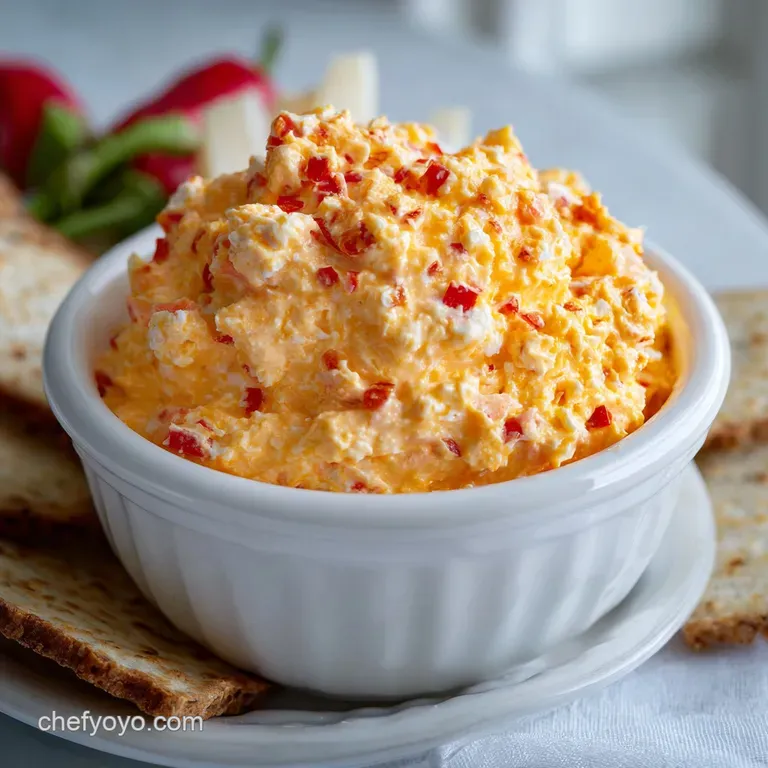
- Time: Active 15 minutes, Passive 0 minutes, Total 15 minutes
- Flavor/Texture Hook: Tangy, sharp, and velvety
- Perfect for: Party appetizers, creative sandwiches, or meal prep
- Balancing Bold Flavors in Pimento Cheese
- Layering Textures for Better Flavor
- Quick Metrics and Recipe Specs
- Essential Elements for Modern Spreads
- Tools for a Velvety Texture
- Mastering the Grate and Fold
- Avoiding Common Pitfalls and Mistakes
- Contemporary Twists and Smart Swaps
- Storage and Long Term Freshness
- Creative Ways to Plate Spreads
- Troubleshooting Common Issues
- Recipe FAQs
- 📝 Recipe Card
Balancing Bold Flavors in Pimento Cheese
Walking into my grandmother's kitchen in the humid heat of July always started with a specific sound. It wasn't the stove or the oven, but the rhythmic, metallic scrape of a box grater. She never touched the pre shredded stuff in the blue bags.
To her, that was "plastic cheese." I remember the sharp, almost fruity aroma of extra sharp cheddar hitting the air as orange curls piled up like cedar shavings on her wooden cutting board. That was my first lesson in what real food smelled like.
We're moving away from the heavy, leaden spreads of the past. If you've only ever had the gloppy, neon orange tubs from the grocery store, you're in for a massive surprise. We're talking about a contemporary version that uses a fusion of sharp cheeses and a bright, acidic binder.
It's not just a dip; it's a layered experience that hits every part of your palate. We'll ditch the heavy mayo only base for something lighter and more complex that actually lets the cheese be the star.
Trust me on this, once you taste the difference that hand grating makes, you'll never go back. The texture is silky, the pimentos provide a sweet pop, and the secret splash of brine brings everything into focus.
It’s the kind of dish that makes people stop at the snack table and ask, "What is in this?" Let’s get into how we build these flavor layers from the ground up without making it a heavy, greasy mess.
Layering Textures for Better Flavor
The Science of the Spread: The Neufchâtel cheese acts as a stabilizer, creating a lipid based bridge between the liquid pimento brine and the solid cheese fats. This prevents the spread from "breaking" or becoming oily when it reaches room temperature.
- Fat Emulsification: Combining avocado oil mayonnaise with Greek yogurt creates a stable emulsion that carries fat soluble flavors like paprika and cayenne more efficiently to your taste buds.
- Cold Cure Chemistry: A short rest in the fridge allows the pimento brine to partially hydrate the cheese proteins, resulting in a more cohesive, spreadable texture.
- Acid Balance: The lactic acid in the non fat Greek yogurt breaks down the heavy "tongue coat" of the cheddar, making the flavors feel sharper and cleaner.
- Aromatic Infusion: Grating the yellow onion releases sulfur compounds that dissolve into the fats, ensuring every bite has a consistent, savory undertone.
| Method | Prep Time | Texture Result | Flavor Profile |
|---|---|---|---|
| Fast (Food Processor) | 5 minutes | Grainy/Pasty | Muted, uniform |
| Classic (Hand Grated) | 15 minutes | Velvety with distinct bits | Dynamic, bold |
| store-bought | 0 minutes | Oily/Rubbery | Artificial, salty |
This comparison highlights why the extra ten minutes of manual labor matters. When you use a food processor, you often create too much friction, which slightly melts the cheese fats and results in a muddy flavor. Hand grating keeps those strands intact, allowing the different sharp notes of the cheddar and Monterey Jack to hit your tongue at different times. It’s similar to how we treat the ingredients in our Broccoli Casserole recipe to ensure every bite has a distinct structural identity.
Quick Metrics and Recipe Specs
| Component | Metric/Detail | Pro Secret |
|---|---|---|
| Sharp Cheddar | 8 oz yellow / 4 oz white | Always grate from a cold block |
| Monterey Jack | 4 oz | Adds the necessary "squish" |
| Binding Agent | 1/3 cup mayo + 1/4 cup yogurt | Greek yogurt adds a modern tang |
| The "Kick" | 1/8 tsp cayenne | Enhances heat without burning |
Essential Elements for Modern Spreads
| Ingredient | Science Role | Pro Secret |
|---|---|---|
| Neufchâtel Cheese | Emulsifying base | Soften at room temp for 30 mins first |
| Extra Sharp Cheddar | Flavor backbone | Use 18 month aged for maximum "crunchy" salt crystals |
| Pimento Brine | Acidic catalyst | Never toss the liquid; it's liquid gold |
| Avocado Oil Mayo | Clean fat source | Provides a neutral base that doesn't mask the cheese |
Selecting your elements is the most important part of this process. For the cheese base, you need a mix of textures. The 8 oz extra sharp yellow cheddar provides that classic color and punch, while the 4 oz sharp white cheddar adds a sophisticated, slightly nutty depth. If you've ever wanted to learn more about how different curds behave, checking out my How to Make Cheese recipe will give you a whole new appreciation for the aging process that makes these cheddars so vibrant.
The Secret Binder Ratio
We use 2 oz Neufchâtel cheese and 1/4 cup plain non fat Greek yogurt to cut the 1/3 cup avocado oil mayonnaise. This isn't just about calories; it’s about structural integrity.
Neufchâtel is naturally higher in moisture and lower in fat than standard cream cheese, which keeps the Pimento Cheese from feeling like a brick after it’s been in the fridge.
The Pimento Cheese Ingredients
Don't skip the 1 tsp grated yellow onion. It sounds small, but that tiny amount of juice provides a savory bridge between the sweet pimentos and the salty cheese. You'll also need 4 oz jarred pimentos, 1 tbsp reserved pimento brine, 1/2 tsp celery salt, 1/4 tsp smoked paprika, 1/8 tsp cayenne pepper, and 1/8 tsp freshly cracked black pepper.
Each spice plays a role: the paprika adds a whisper of smoke, while the celery salt provides an earthy, "old-fashioned" finish.
Tools for a Velvety Texture
- Box Grater: This is non negotiable. Use the large holes for the cheddar and the medium holes for the Monterey Jack.
- Large Glass Bowl: Glass or stainless steel is better than plastic, which can hold onto old odors that might interfere with the delicate pimento aroma.
- Rubber Spatula: Essential for folding without smashing the cheese strands into a paste.
- Microplane: Use this specifically for the 1 tsp grated yellow onion to ensure it's a fine pulp.
Chef's Tip: Freeze your blocks of cheese for 10 minutes before grating. This keeps the fat from softening under the heat of your hands, giving you clean, distinct shreds that won't clump together.
Mastering the Grate and Fold
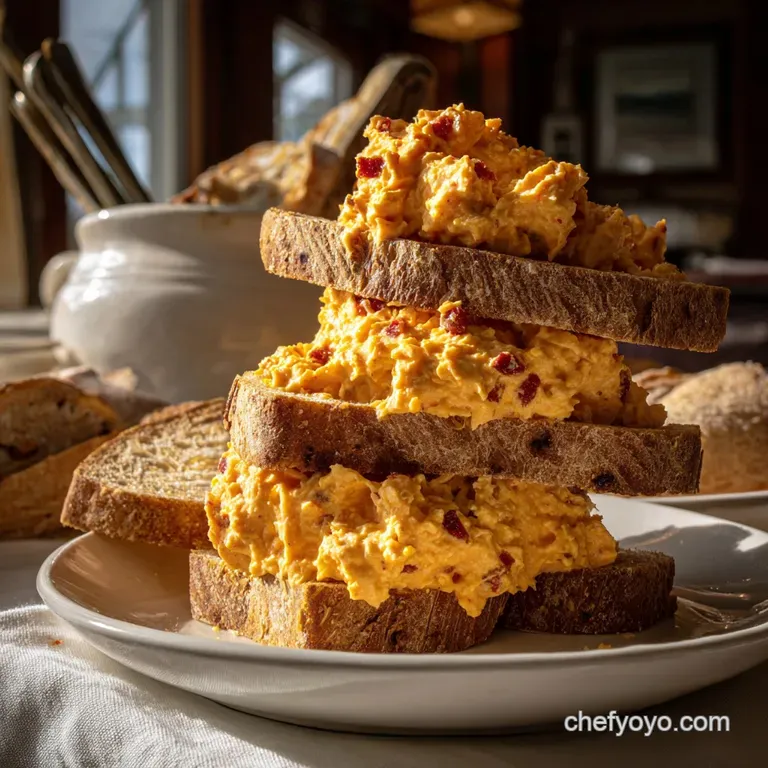
- Grate the yellow cheddar. 8 oz extra sharp yellow cheddar should be shredded on the largest holes of your box grater. Note: Larger shreds provide a better "bite" in the finished spread.
- Shred the remaining cheeses. 4 oz sharp white cheddar and 4 oz Monterey Jack. Note: Monterey Jack is softer, so use a light touch to prevent clumping.
- Cream the binders. In a separate small bowl, whisk 1/3 cup avocado oil mayonnaise, 1/4 cup plain non fat Greek yogurt, and 2 oz softened Neufchâtel cheese until completely silky and smooth.
- Incorporate the aromatics. Stir in 1/2 tsp celery salt, 1/4 tsp smoked paprika, 1/8 tsp cayenne, and 1/8 tsp black pepper into the cream mixture.
- Add the onion. Use a microplane to grate 1 tsp yellow onion directly into the binder. Stop when you smell the sharp, sulfurous bite.
- Prep the pimentos. Drain the 4 oz jar of pimentos, but keep the 1 tbsp reserved pimento brine.
- Combine the liquids. Fold the pimentos and the brine into the creamy binder mixture.
- The final fold. Pour the binder over the shredded cheeses and use a spatula to gently fold. Work until the cheese is coated but the strands are still visible.
- Chill and ripen. Cover and refrigerate for at least 30 minutes. Wait until the flavors are fused and the spread has thickened.
Avoiding Common Pitfalls and Mistakes
Why Your Pimento Cheese is Watery
If you find a puddle at the bottom of your bowl, it's usually because the pimentos weren't drained well enough or the onion was too watery. The 1 tbsp of brine is calculated to provide flavor without compromising the emulsion.
If it happens, you can't really remove the liquid, but you can fold in an extra ounce of finely grated cheddar to soak up the excess moisture.
Sharp Onion Solutions
Sometimes a yellow onion can be overwhelmingly "hot" or pungent. To prevent this from ruining the spread, grate the onion into a small sieve first. Let the excess juice drip out for a minute before adding the pulp to your mix.
This ensures you get the flavor without the watery, stinging bite that can overwhelm the cheese secret ingredient—the pimento brine.
| Problem | Root Cause | Solution |
|---|---|---|
| Greasy texture | Cheese got too warm during grating | Chill cheese for 10 mins before starting |
| Bland flavor | Not enough pimento brine | Ensure you use the full 1 tbsp of reserved liquid |
| Clumpy binder | Neufchâtel was too cold | Leave it on the counter for 30 mins to soften |
Common Mistakes Checklist ✓ Never use pre shredded cheese; the potato starch coating prevents the binder from sticking. ✓ Don't over mix once the cheese is added; you want texture, not a smooth paste.
✓ Always use a microplane for the onion; chunks of raw onion are too aggressive for this dip. ✓ Taste for salt only after the 30 minute chill; the flavors intensify as they sit. ✓ Use full fat pimentos in jars, not the dried "flakes" sometimes found in spice aisles.
Contemporary Twists and Smart Swaps
If you want a Spicy Pimento Cheese, double the cayenne or add 1 tbsp of minced pickled jalapeños. The acidity of the jalapeño brine actually plays beautifully with the Neufchâtel base.
For a grandma's pimento cheese recipe feel, you can swap the avocado oil mayo for a traditional Southern brand like Duke’s, though this will increase the saltiness, so adjust your celery salt accordingly.
| Original Ingredient | Substitute | Why It Works |
|---|---|---|
| Neufchâtel Cheese | Cream Cheese | Higher fat content; results in a much firmer spread |
| Avocado Oil Mayo | Sour Cream | Adds more tang but is less stable at room temp |
| Yellow Onion | Shallot | Offers a milder, more sophisticated garlicky note |
For those looking for a "Masters" Tournament style, the trick is to keep the pimentos very small and ensure the cheddar is grated on the medium setting rather than the large. This creates a more uniform, "spreadable" texture that fits perfectly between two thin slices of white bread.
Storage and Long Term Freshness
Store your pimento spread in an airtight container in the fridge for up to 5 days. I actually think it tastes better on day two because the smoked paprika has time to really permeate the fats in the cheddar. Do not freeze this.
The emulsion of mayo, yogurt, and Neufchâtel will break upon thawing, leaving you with a grainy, watery mess that no amount of stirring can fix.
For a zero waste tip: if you have leftover pimento bits or brine, don't toss them! Stir them into your next batch of deviled eggs or use the brine to quick pickle some red onion slices.
The leftover spread itself is a pimento cheese secret ingredient for the best grilled cheese sandwich you've ever had. Just smear it on the inside of the bread and fry as usual.
Creative Ways to Plate Spreads
The classic way to serve this is as a tea sandwich crusts off, cut into triangles. But for a contemporary touch, try serving it on a Charcuterie and Cheese Board recipe alongside some salty Marcona almonds and crisp cornichons. The acidity of the pickles cuts through the richness of the Monterey Jack perfectly.
Modern Crudité Platter Ideas
Instead of just crackers, try pairing the spread with vibrantly colored vegetables. Slices of watermelon radish, blanched snap peas, and Persian cucumber rounds offer a refreshing "shatter" that contrasts with the velvety cheese.
You can even pipe the spread into hollowed out mini sweet peppers for a bite sized appetizer that looks incredible on a platter.
The Classic Tea Sandwich
To get that perfect "old-fashioned" feel, use soft brioche or high-quality white bread. Spread a thin layer of butter on the bread first; this creates a moisture barrier so the bread doesn't get soggy from the pimento brine.
It’s the small details like this that make a simple snack feel like a creative, authentic masterpiece.
Decision Shortcut: If you want Maximum Creaminess, increase the Neufchâtel to 3 oz and reduce the yogurt. If you want Bold Texture, hand grate the cheese on the coarsest setting only.
If you want Party Ready Prep, make the binder 24 hours ahead but fold in the cheese right before serving.
Troubleshooting Common Issues
| Issue | Solution |
|---|---|
| Why does hand grating cheese change the texture | Pre shredded cheese is coated in cellulose or potato starch to keep the pieces from sticking together in the bag. This coating creates a gritty mouthfeel and prevents the mayo and yogurt from actually |
| What is the role of the "Healthier" binder | By using a mix of avocado oil mayo and non fat Greek yogurt, we reduce the heavy saturated fat content without losing the creamy mouthfeel. The yogurt provides a natural tang that mimics the fermentat |
| Prevent the onion flavor from being too sharp | The secret is the microplane. When you grate an onion into a paste, the cells rupture completely, releasing the juice. A little goes a long way. If you find the flavor too aggressive, you can sauté th |
Recipe FAQs
What's the secret to a creamy pimento cheese?
Use Neufchâtel cheese and a specific binder ratio. Combining Neufchâtel cheese with avocado oil mayonnaise and Greek yogurt creates a stable emulsion that yields a velvety texture without being greasy.
How to elevate pimento cheese?
Hand grate your cheese and add a touch of onion and brine. Grating cheese from a cold block produces superior texture, while a tiny bit of grated onion and reserved pimento brine adds layers of flavor. If you enjoyed mastering texture control here, see how the same principle applies to creating perfect layers in our Foolproof Cheesy Potatoes Au Gratin Silky Mornay Sauce.
What is the pimento cheese capital of the world?
While there's no official designation, many consider Athens, Georgia, a strong contender. The city has a long history with the spread and hosts annual pimento cheese festivals.
What seasoning goes in pimento cheese?
Celery salt, smoked paprika, cayenne pepper, and black pepper are key. Celery salt adds an earthy depth, smoked paprika a subtle smokiness, cayenne provides a gentle heat, and fresh black pepper offers a finishing bite.
Can I use pre-shredded cheese for pimento cheese?
No, avoid pre-shredded cheese. The anti caking agents like cellulose and potato starch prevent the cheese from melting smoothly and create a gritty texture, hindering the creamy outcome.
How long should pimento cheese chill before serving?
At least 30 minutes, but 24 hours is even better. This resting period allows the flavors to meld and the spread to thicken, resulting in a more cohesive and delicious final product.
What makes pimento cheese taste "tangy"?
The tangy flavor primarily comes from the Greek yogurt and pimento brine. The yogurt adds a pleasant acidity, while the brine from the jarred pimentos contributes a unique, slightly sharp note that cuts through the richness of the cheese.
Classic Pimento Cheese
Ingredients:
Instructions:
Nutrition Facts:
| Calories | 209 kcal |
|---|---|
| Protein | 10.3 g |
| Fat | 17.9 g |
| Carbs | 1.2 g |
| Fiber | 0.1 g |
| Sugar | 0.6 g |
| Sodium | 316 mg |
