How Long to Cook Lasagna: Master Structural Integrity
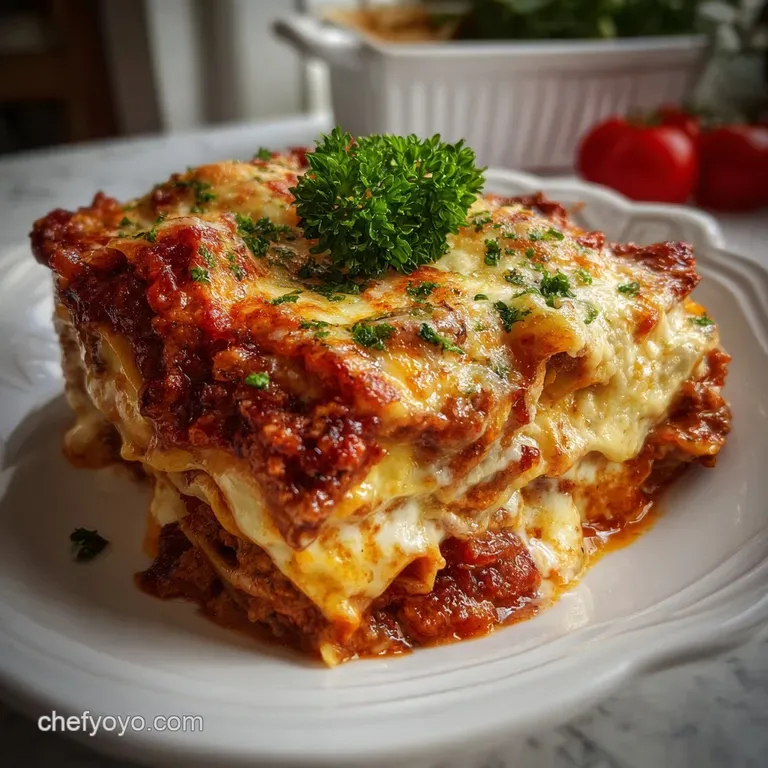
- Effort/Time: High effort / 1 hour 30 mins
- Flavor Hook: Deeply caramelized meat sauce met by velvety ricotta and a shatter-crisp cheese crust.
- Perfect for: Sunday family gatherings and high-yield make-ahead meal prepping.
- Thermal Equilibrium: The Science Behind Heat Penetration and Structural Integrity
- Temporal Dynamics: Navigating Prep and Oven Intervals
- The Architecture of Flavor: Sourcing Premium Building Blocks
- Precision Culinary Apparatus for Uniform Heat Distribution
- Executing the Multi-Layer Construction and Thermal Processing
- Rectifying Structural Collapse and Moisture Management Issues
- Strategic Modifications for Personalized Texture and Dietary Profiles
- Preserving Molecular Stability Through Freezing and Reheating
- Final Texture Refinement and Flavor-Complementing Side Pairings
- Recipe FAQs
- 📝 Recipe Card
We have all been there: you spend hours layering noodles, sauce, and cheese, only to cut into a structural disaster that slides across the plate like a savory landslide. I once served a "lasagna soup" to my in-laws because I didn't respect the physics of moisture migration.
It was a watery, lukewarm heartbreak that taught me one vital lesson: timing is everything when deciding how long to cook lasagna.
The secret isn't just the heat of the oven; it is the thermal recovery time and the internal evaporation that happens during the bake. When you master how long to cook lasagna, you aren't just heating food; you are managing a complex architectural project.
We are looking for that specific moment where the pasta reaches al dente perfection while the proteins in the cheese create a cohesive binder.
The goal is a mahogany colored top with bubbling edges and a center that registers a steady internal temperature. By understanding the thermodynamics of your Pyrex or Lodge Cast Iron baking dish, you can transition from a "guessing" cook to a technical master.
Let’s break down the engineering of the perfect bake so you never have to serve a soggy slice again.
Thermal Equilibrium: The Science Behind Heat Penetration and Structural Integrity
Determining how long to cook lasagna requires an understanding of starch gelatinization and protein denaturation. As the noodles absorb the moisture from the 28 oz Crushed Tomatoes and 30 oz Tomato Sauce, the starch granules swell and burst, creating a network that traps the meat and cheese.
If you under calculate how long to cook lasagna, the starch remains hard and the sauce stays runny, leading to a collapsed mess on the plate.
Maillard reaction and moisture evaporation are the two primary drivers of flavor and texture in the final 30 minutes of cooking. Protein Denaturation: The 1 Large Egg mixed into the 30 oz Whole Milk Ricotta Cheese coagulates at 144°F to 158°F, turning a loose liquid into a stable, sliceable solid.
Thermal Mass Retention: Lasagna is a dense block of matter; it continues to cook for 15 minutes after leaving the oven through carryover heat, which is why the "rest" is as critical as the bake.
Temporal Dynamics: Navigating Prep and Oven Intervals
Understanding how long to cook lasagna involves more than just the "on" time of the oven; it’s a sequence of thermal events.
- Prep Phase (30 minutes): This includes browning the 1 lb Ground Chuck and 1 lb Sweet Italian Sausage in a Lodge Cast Iron Skillet.
- Active Bake (1 hour): This is the standard duration for a 9x13 dish, divided between covered and uncovered states.
- The Critical Rest (15 minutes): Essential for the internal fats to re-solidify and the sauce to thicken via cooling induced viscosity.
| Ingredient | Chemical/Physical Role (Science) | The Pro Secret (Why This Matters) |
|---|---|---|
| 1 lb Ground Chuck (80/20) | Fat-to-protein ratio ensures moisture | 80/20 fat prevents the meat from becoming "grainy" or "sandy" after the 1 hour bake. |
| 1 Large Egg | Protein binder through coagulation | Emulsifies the ricotta, preventing it from weeping water into the pasta layers. |
| 12 oz Tomato Paste | Lycopene concentration and sugar caramelization | Provides "body" and thickness that resists the steam pressure of the oven. |
| 30 oz Whole Milk Ricotta | Lipids provide a moisture barrier | Full fat ricotta prevents the noodles from over hydrating and becoming mushy. |
The Architecture of Flavor: Sourcing Premium Building Blocks
Selecting the right elements is the foundation of calculating how long to cook lasagna accurately. high-quality fats and dense proteins react differently to 375°F heat than lower quality substitutes.
For the meat sauce, use Certified Angus Beef Ground Chuck to ensure a consistent Maillard reaction.
- 1 lb Ground Chuck (80/20): Why this? Higher fat content provides essential lubrication for the noodles during the 1 hour bake.
- 1 lb Sweet Italian Sausage: Why this? Fennel and fat add complexity that lean beef lacks.
- 28 oz Crushed Tomatoes (Muir Glen): Provides the primary hydration for the pasta.
- 12 oz Tomato Paste (Hunt's): Why this? Essential for viscosity; without it, the lasagna will be soupy.
- 30 oz Whole Milk Ricotta Cheese (Galbani): Why this? Fat content stabilizes the cheese layer against the high heat.
- 1 lb Lasagna Noodles (Barilla): The structural skeleton of the dish.
- 1 lb Mozzarella Cheese: The "glue" that provides the classic "pull."
| Original Ingredient | Substitute | Why It Works |
|---|---|---|
| 30 oz Whole Milk Ricotta | 30 oz Small Curd Cottage Cheese | Similar moisture profile; pulse in blender first for a smoother, velvety texture. |
| 0.5 cup Dry Red Wine | 0.5 cup Beef Broth + 1 tsp Balsamic | Replicates the acidity and depth without the alcohol content. |
| 1 lb Sweet Italian Sausage | 1 lb Ground Pork + 1 tbsp Fennel Seeds | Allows for control over salt levels while maintaining the traditional flavor profile. |
Precision Culinary Apparatus for Uniform Heat Distribution
The gear you choose directly impacts how long to cook lasagna. A thin aluminum pan will scorch the bottom before the center is hot.
- Lodge 12 inch Cast Iron Skillet: Ideal for browning the 1 lb Ground Chuck and 1 lb Sweet Italian Sausage because it retains heat, ensuring a deep brown sear rather than gray steaming.
- Pyrex 9x13 Glass Baking Dish: Glass is a slower conductor of heat than metal, which means it protects the edges from burning while the dense center of the lasagna catches up.
- Microplane Grater: For the 0.5 cup Freshly Grated Parmesan, ensuring the cheese is fine enough to melt instantly into the sauce.
- Heavy Duty Aluminum Foil: Essential for the first 30 minutes to trap steam, which helps cook the noodles through conduction.
Executing the Multi Layer Construction and Thermal Processing
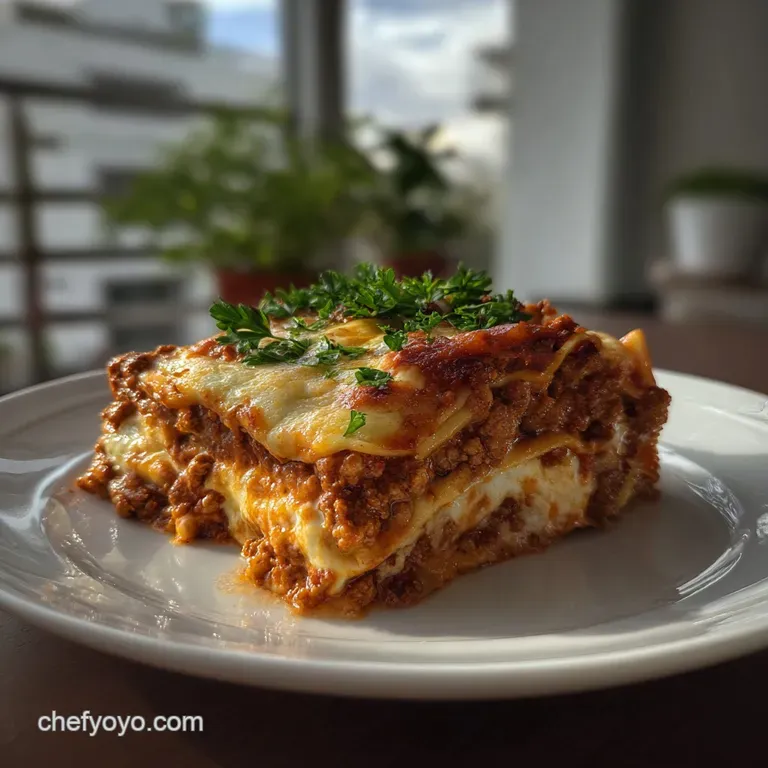
To accurately judge how long to cook lasagna, the assembly must be uniform. Any air pockets or uneven sauce distribution will create "cold spots" that resist the heat.
- Brown the meats: Sauté 1 lb ground chuck and 1 lb sausage in a Lodge skillet until mahogany brown and fats render.
- Aromatize the base: Add 1 diced yellow onion and 3 minced garlic cloves until translucent and the raw sulfur smell vanishes.
- Deglaze the pan: Pour in 0.5 cup dry red wine until the liquid reduces by half and the bottom of the pan is clean.
- Simmer the Ragu: Stir in crushed tomatoes, sauce, paste, sugar, and dried spices until the sauce thickens and tiny oil bubbles surface.
- Prepare the binder: Whisk 1 large egg into 30 oz ricotta with 2 tbsp parsley and 0.5 cup parmesan until the mixture is pale yellow and smooth.
- Boil the noodles: Cook 1 lb lasagna noodles in salted water until slightly firmer than al dente (they will finish in the oven).
- Layer systematically: Spread 1.5 cups sauce on the bottom, followed by noodles, ricotta, mozzarella, and repeat until the dish is filled to 1/2 inch from the rim.
- Initial Bake (Covered): Bake at 375°F for 30 minutes until the internal sauce begins to hiss and bubble.
- Final Bake (Uncovered): Remove foil, top with remaining mozzarella and 0.25 cup parmesan, and bake 30 minutes until the cheese top is golden brown and edges are crisp.
- The Rest: Remove from oven and sit for 15 minutes until the layers set and the steam stops rising aggressively.
When considering how long to cook lasagna, always remember that the uncovered portion of the bake is where the "shatter" texture of the top cheese layer is born.
Rectifying Structural Collapse and Moisture Management Issues
Why Your Lasagna is Soupy
If you don't simmer your sauce long enough, or if you use "no-boil" noodles without extra liquid, the structural integrity fails. Excess water from the 28 oz Crushed Tomatoes stays trapped between layers, preventing the cheese from bonding.
| Problem | Root Cause | The Fix | Pro Protocol |
|---|---|---|---|
| Watery Layers | Excess moisture in ricotta or sauce | Drain ricotta in a fine mesh sieve for 2 hours before mixing. | Simmer the meat sauce until a spoon leaves a trail on the pan bottom. |
| Hard Noodles | Insufficient hydration during the bake | Ensure every inch of the noodle is covered in sauce before baking. | Add 1/4 cup of water to the sauce if it looks too thick before layering. |
| Burnt Cheese Top | High sugar content or over exposure | Tent with foil if the top browns before the 1 hour mark. | Use low-moisture mozzarella to prevent excessive oil release. |
Strategic Modifications for Personalized Texture and Dietary Profiles
Adjusting the ingredients can change how long to cook lasagna. For example, a vegetarian version with zucchini requires a longer uncovered bake to account for the high water content of the vegetables. If you are making a smaller batch, you must scale the salt and spices carefully to avoid overwhelming the palate.
- Vegetarian Swap: Replace meat with 2 lbs of sliced mushrooms sautéed until bone dry.
- Keto Twist: Use thinly sliced deli chicken breast or eggplant as "noodles" (reduce bake time by 15 minutes).
- White Lasagna: Swap the tomato base for a heavy béchamel; similar to the creamy base used in a high-quality How to Make Cheese recipe.
Scaling Laws for Large Batches
- Thermal Mass Warning
- Two pans in the oven will drop the ambient temperature by 15 20°F initially.
- Time Adjustment
- Increase the total bake time by 10 15 minutes to account for the oven's recovery time.
- Placement
- Rotate the pans halfway through the 1 hour bake to ensure even heat distribution from the oven's heating elements.
Preserving Molecular Stability Through Freezing and Reheating
Lasagna is one of the rare dishes that actually improves after a stay in the fridge. The flavors of the dried basil, fennel seeds, and garlic continue to meld through a process called aromatic diffusion.
- Fridge: Store in an airtight Container for up to 5 days.
- Freezing: Wrap individual slices in plastic wrap, then foil. It stays fresh for 3 months.
- Reheating: To maintain the "how long to cook lasagna" quality, reheat in the oven at 350°F covered with foil. This prevents the mozzarella from turning into rubber.
Zero Waste Philosophy: Don't discard the cheese rinds from your parmesan! Transform: Toss the rind into the meat sauce while it simmers for 30 minutes.
Science: The rind is packed with crystallized glutamates (umami), which dissolve into the sauce, adding a profound savory depth that salt alone cannot achieve.
Final Texture Refinement and Flavor Complementing Side Pairings
The perfect companion to a dense, rich lasagna is something bright and acidic. This balances the 34g of fat per serving. I highly recommend serving this with a crisp salad or a side of blanched greens. For a truly professional meal, learn How to Cook recipe for green beans to add a "snap" texture to the plate.
When you serve, use a sharp serrated knife to cut through the layers. If you followed the protocol for how long to cook lasagna correctly, the knife should meet slight resistance from the crispy top and then glide through the velvety ricotta center.
The 15 minute rest ensures that the 612 kcal of energy remains stacked high on the plate rather than pooling at the bottom. Trust me, the wait is the hardest part, but it is the difference between a good meal and a masterclass level lasagna. Let's crack on and get that oven preheated!
To cook lasagna effectively, patience is your most important tool. Now that you know how long to cook lasagna, your Sunday nights are about to get a major upgrade.
Recipe FAQs
What is the total active and resting time required?
1 hour 30 minutes total preparation and bake time. This duration accounts for assembly, a mandatory 15-minute melt set period post oven, and the initial bake. Proper resting prevents immediate structural collapse upon slicing.
Must I cook the noodles first?
No. Most recipes use no-boil sheets, which hydrate in the oven. Over boiling creates a weak structure prone to disintegration under the heavy sauce and cheese load. If you prefer traditional sheets, undercook them by half their suggested time.
Can I make this ahead of time and refrigerate it?
Yes, assembling ahead improves flavor infusion significantly. Prepare the entire dish, cover tightly, and chill for up to 24 hours; increase the covered baking time by 15 minutes to compensate for the colder core temperature. If you are concerned about dryness when reheating, you could learn about moisture retention by reviewing how we handle hydration in recipes like Classic Soft Oatmeal Cookies The Proper Chewy Recipe Great for Dunking.
What temperature ensures a crisp cheese top without burning the edges?
Bake covered at 375°F, then uncover for the final 15 minutes at 425°F. The initial lower temperature allows the center to reach thermal equilibrium without scorching the edges, which is crucial for a perfect melt.
The final blast of high heat activates the Maillard reaction on the exposed cheese surface for maximum caramelization.
Should I use low-moisture or fresh mozzarella?
Low-moisture, part skim mozzarella is superior for texture control. Fresh mozzarella contains too much whey, which releases during baking, leading directly to the dreaded "soupy bottom" mentioned in the summary. Mastering moisture control here involves similar principles to achieving a perfect crust on savory baking; if you are interested in how temperature precision affects texture, review the technique in Air Fryer Chicken Breast How to Cook Juicy Boneless Fillets.
Is convection better than conventional baking for lasagna?
Convection cooks faster and more evenly due to forced air circulation. This method reduces hot and cold spots common in deep dish items, ensuring consistent internal temperature penetration throughout the layers. It is generally preferred for high density items.
Myth: Adding an egg to the ricotta filling makes it runnier.
Myth: Adding an egg to the ricotta filling makes it runnier. Reality: The egg acts as a binder and coagulant, increasing the firmness of the cheese layer as it sets. This cross linking protein structure locks in moisture, significantly enhancing the slice's final structural integrity.
Cook Lasagna Perfect Slices
Ingredients:
Instructions:
Nutrition Facts:
| Calories | 612 kcal |
|---|---|
| Protein | 39 g |
| Fat | 34 g |
| Carbs | 37 g |
| Fiber | 4 g |
| Sugar | 11 g |
| Sodium | 1240 mg |
