Cranberry Orange Bread: Artisanal Citrus Glaze
- Time: Active 15 minutes, Passive 55 minutes, Total 1 hours 10 mins
- Flavor/Texture Hook: Zesty, citrus forward crumb with a shattering sugar glaze
- Perfect for: Holiday morning brunch or a thoughtful artisanal gift
- Artisanal Secrets for a Vibrant Cranberry Orange Bread
- Crucial Timing and Specs for Your Loaf
- Assembling Quality Elements for Bright Citrus Flavor
- The Baker's Tools for Rustic Bread Success
- Navigating the Path to a Golden Citrus Loaf
- Solving Sogginess and Ensuring a Flawless Crumb
- Artisanal Variations for Every Festive Occasion
- Three Levels of Artisanal Plating
- Truths About Quick Bread Baking
- Preserving Your Loaf for Lasting Citrus Aromas
- Recipe FAQs
- 📝 Recipe Card
Artisanal Secrets for a Vibrant Cranberry Orange Bread
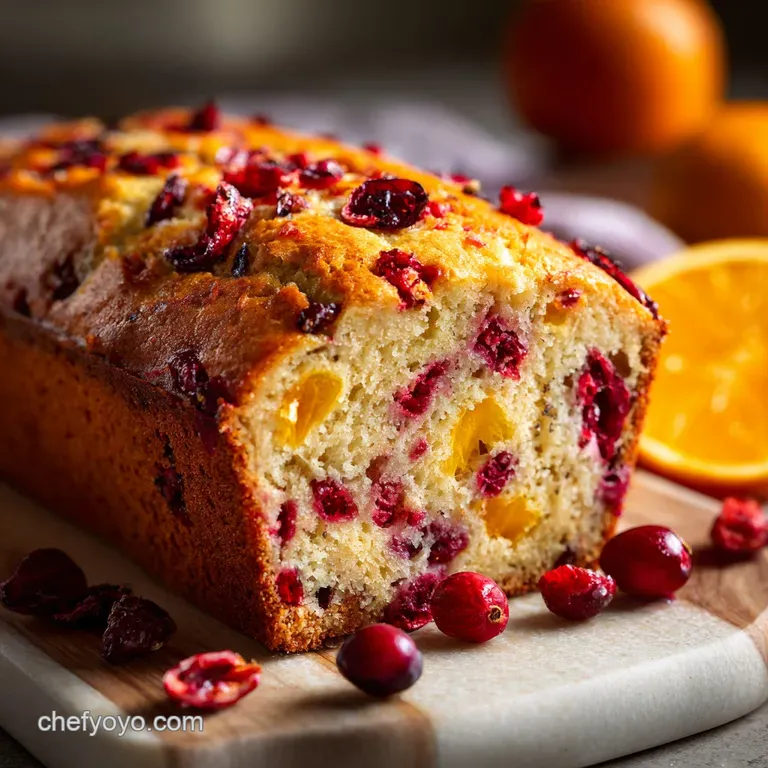
Picture this: you pull a heavy, golden loaf from the oven and the scent of warm citrus and baked berries immediately fills your kitchen. There is something deeply comforting about the way the sharp, acidic tang of fresh cranberries cuts through a sweet, buttery crumb.
I remember the first time I made this, I rushed the process and ended up with a soggy middle, but after years of tweaking the hydration, I've finally found the sweet spot for that perfect rustic texture.
This isn't your average coffee shop quick bread that tastes like a muffin in a different shape. We are going for a true artisanal loaf with a tender, velvety interior and a crust that has just enough bite.
We'll use fresh orange juice and zest to ensure the citrus notes aren't just a background whisper, but a bright, Mediterranean inspired lead.
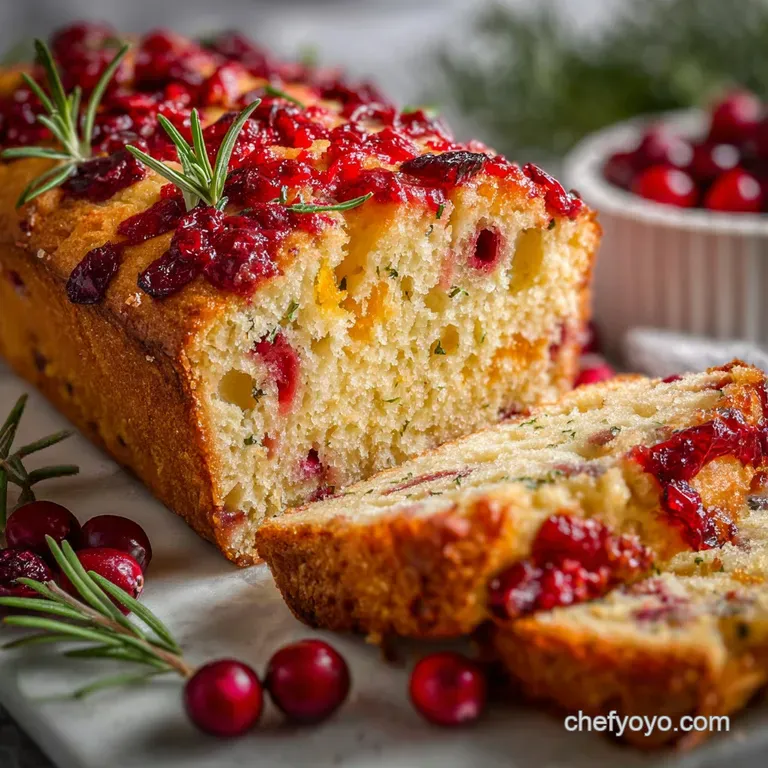
You are going to love how the sugar glaze settles into the little nooks and crannies of the loaf. It creates this beautiful, translucent sheen that looks like something straight out of a professional bakery.
Trust me, once you see those jewel toned berries peeking through the golden crust, you'll want to make this every single winter.
Crucial Timing and Specs for Your Loaf
The Science of Why it Works: Fat Enriched Hydration: Using sour cream alongside neutral oil ensures a high fat content that coats flour proteins, preventing excess gluten development.
Leavening Synergy: The acidity in the orange juice reacts immediately with the baking powder to create a light, airy structure despite the heavy fruit.
| Method | Time | Texture | Best For |
|---|---|---|---|
| Standard Loaf Pan | 55 mins | Even, classic crumb | Everyday snacking |
| Mini Loaf Pans | 35 mins | More crust per bite | Gifting to neighbors |
| Muffin Tin | 22 mins | Fluffy and portable | Quick brunch grab |
Choosing the right method depends on how much of that golden crust you enjoy. Personally, I love the classic loaf pan because it allows the center to stay incredibly moist while the edges get that artisanal, slightly caramelized finish.
| Feature | Fresh Berries | Frozen Berries |
|---|---|---|
| Texture | Firm, holds shape well | Softens, bleeds color slightly |
| Prep | Wash and dry thoroughly | Use straight from freezer |
| Result | Clean pops of tartness | Marbled, jammy pockets |
If you use frozen berries, do not thaw them first. Thawing causes the juice to leak into the batter, turning your beautiful Cranberry Orange Bread a muddy shade of pink. If you're looking to expand your holiday spread, this loaf pairs beautifully with a side of Spiced Cranberry Sauce recipe for an extra punch of fruit flavor.
Assembling Quality Elements for Bright Citrus Flavor
Component Analysis
| Ingredient | Science Role | Pro Secret |
|---|---|---|
| Fresh Cranberries | Acidic brightness | Toss in flour to prevent sinking |
| Full fat Sour Cream | Moisture & acidity | Room temp only for smooth emulsification |
| Neutral Oil | Tenderizes crumb | Use grapeseed for the cleanest flavor |
| Orange Zest | Essential oils | Rub into sugar to release fragrances |
To get that authentic, rustic feel, we need to focus on the quality of our citrus.
- 250g all purpose flour: Why this? Provides enough structure to support the heavy fruit without becoming tough.
- 200g granulated sugar: Why this? Sweetness balances the tart berries and helps with browning.
- 1 tbsp baking powder: Provides the necessary lift for a tall loaf.
- 0.5 tsp kosher salt: Sharpens all the other flavors.
- 2 large eggs: Ensure they are at room temperature so the batter doesn't break.
- 120ml neutral oil: Keeps the bread moist longer than butter alone.
- 120g full fat sour cream: Adds a subtle tang and a rich, velvety mouthfeel.
- 60ml fresh orange juice: For the batter’s liquid base.
- 2 tbsp fresh orange zest: The soul of the citrus aroma.
- 1 tsp vanilla extract: Rounds out the bright notes.
- 1.5 cups fresh or frozen cranberries: The star of the show.
- 120g powdered sugar: Sifted for a smooth, lump free glaze.
- 3 tbsp fresh orange juice: For thinning the glaze to the perfect consistency.
The Baker's Tools for Rustic Bread Success
You don't need a kitchen full of gadgets, but a few specific items make a world of difference. A standard 9x5 inch loaf pan is the classic choice here. I highly recommend using a light colored metal pan rather than glass or dark non stick.
Dark pans absorb heat too quickly and can burn the edges before the center is done, while glass takes longer to heat up and can lead to a gummy bottom.
A microplane or a fine zester is another essential. We want tiny bits of orange zest that distribute evenly through the batter, not large, bitter chunks of pith. Also, grab some parchment paper.
Leaving an "overhang" or a sling on the long sides of the pan makes lifting the finished Cranberry Orange Bread out a breeze, preserving those delicate, artisanal edges.
Chef's Tip: If you find your quick breads often have a "trench" or sink in the middle, check the age of your baking powder. It loses its potency after six months. To test it, drop a teaspoon into hot water if it doesn't sizzle and bubble aggressively, throw it out and buy fresh.
Navigating the Path to a Golden Citrus Loaf
- Prep the oven. Preheat your oven to 350°F and grease your loaf pan, lining it with parchment for easy removal.
- Infuse the sugar. Rub 2 tbsp fresh orange zest into the 200g granulated sugar with your fingertips until the sugar is fragrant and damp. Note: This releases the essential oils for a deeper flavor.
- Whisk dry ingredients. Sift the 250g flour, 1 tbsp baking powder, and 0.5 tsp salt into a medium bowl.
- Emulsify wet ingredients. In a larger bowl, whisk 2 eggs, 120ml oil, 120g sour cream, 60ml orange juice, and 1 tsp vanilla until the mixture is velvety and smooth.
- Combine the mixtures. Fold the dry ingredients into the wet until just a few streaks of flour remain. Note: Overmixing creates a tough, rubbery loaf.
- Coat the berries. Toss 1.5 cups cranberries with a teaspoon of flour, then gently fold them into the batter.
- Transfer and smooth. Pour the batter into the prepared pan, smoothing the top with a spatula.
- Bake the loaf. Bake for 55 mins until a toothpick comes out clean or with just a few moist crumbs.
- Cool completely. Let the bread rest in the pan for 10 mins, then move to a wire rack to cool fully.
- Apply the glaze. Whisk 120g powdered sugar with 3 tbsp orange juice and pour over the cooled bread until it drips beautifully down the sides.
Solving Sogginess and Ensuring a Flawless Crumb
Why is my bread dry?
This usually happens if you overmeasure the flour. Instead of scooping the measuring cup directly into the bag, use a spoon to fill the cup and level it off with a knife. This prevents the flour from packing down. Also, check your oven temp; if it's too hot, the exterior will dry out before the middle is set.
My berries all sank to the bottom.
This is a classic pain point. If your batter is too thin, the fruit will naturally dive for the floor. Tossing the berries in a little flour creates a rough surface that helps them "grip" the batter. Also, ensure you aren't overmixing, which breaks down the batter's structural integrity.
| Problem | Root Cause | Solution |
|---|---|---|
| Sunk in middle | Underbaked or too much leavening | Use an oven thermometer; check baking powder |
| Gummy texture | Overmixed batter | Fold by hand only until flour disappears |
| Burnt edges | Dark pan or high sugar content | Use light metal pan; tent with foil at 40 mins |
Common Mistakes Checklist
- ✓ Using cold eggs or cold sour cream (prevents proper emulsification).
- ✓ Forgetting to zest the orange before juicing it (it's much harder afterward!).
- ✓ Slicing the bread while it is still warm (the steam needs to set the crumb).
- ✓ Overfilling the loaf pan (leave at least an inch of space at the top).
- ✓ Skipping the parchment sling (makes it hard to remove without breaking the top).
Artisanal Variations for Every Festive Occasion
If you want a deeper flavor, add 1/2 tsp of ground cardamom. It brings a beautiful Mediterranean warmth that complements the citrus. If you're hosting a party, you could serve small slices alongside a Cranberry and Brie recipe for a mix of sweet and savory appetizers.
For a Nutty Crunch
Add 1/2 cup of toasted, chopped pecans or walnuts to the batter during the final fold. This adds a rustic texture and a savory contrast to the sweet orange glaze. The fat in the nuts also adds a nice richness to every bite.
For a Festive Spice Twist
Swap the vanilla for 1/2 tsp of almond extract and add 1 tsp of cinnamon. This version feels incredibly "holiday" and smells artisanal while it bakes. You can even top the glaze with a few sprigs of fresh rosemary for a stunning presentation.
Decision Shortcut
- If you want it extra tart, increase the cranberries to 2 cups and reduce sugar by 20g.
- If you want it like a cake, swap the oil for melted unsalted butter (note: it will dry out faster).
- If you want it citrus heavy, add 1/2 tsp of orange extract to the wet ingredients.
Three Levels of Artisanal Plating
How you present your Cranberry Orange Bread can turn a simple snack into a centerpiece.
| Level | Technique | Visual Result |
|---|---|---|
| Simple | Thick slices on a wooden board | Rustic, homey, and approachable |
| Polished | Neat drizzle of glaze + orange slices | Bakery style elegance |
| Restaurant | Griddled slice + mascarpone + zest | Sophisticated dessert vibes |
For the restaurant style, I love to lightly toast a thick slice in a pan with a little butter. It caramelizes the sugar in the bread and creates a "shatter" effect on the edges. Top it with a dollop of whipped mascarpone and a few curls of fresh orange zest for a truly artisanal experience.
Truths About Quick Bread Baking
A common misconception is that "more leavening equals a taller loaf." In reality, too much baking powder causes the bread to rise too fast, exhausting the air bubbles before the structure sets, which leads to the dreaded sunken middle. Balance is key.
Another myth is that you can substitute milk for sour cream 1:1. While you can do it, the bread will lose that velvety, artisanal crumb. The high fat and thickness of the sour cream are what prevent the "bread" from becoming just a dry "cake." The acidity is also vital for tenderizing the flour's gluten.
Preserving Your Loaf for Lasting Citrus Aromas
Storage: This bread stays moist at room temperature for up to 3 days if wrapped tightly in plastic wrap. For longer storage, keep it in the fridge for up to a week, though the glaze might become slightly tacky from the moisture.
Freezing: This loaf freezes beautifully. Wrap the unglazed loaf in plastic wrap, then a layer of foil. It will keep for 3 months. To serve, thaw it at room temperature overnight, then apply the fresh orange glaze.
Zero Waste: If you have leftover orange peels, don't toss them! Simmer them in a simple syrup to make candied orange peel, which is a fantastic topping for the bread.
If the bread does happen to go stale, it makes the most incredible French toast you've ever had the cranberry and orange flavors really "sizzle" when pan-fried with a little cinnamon and egg.

Recipe FAQs
Can I use frozen cranberries instead of fresh?
Yes, but with a caveat. Frozen cranberries release moisture and can bleed color into the batter, making it look a bit muddy. If you must use them, do not thaw first and toss them in flour just like fresh ones.
Why did my cranberries sink to the bottom?
Tossing them in flour helps. Coating the cranberries with a tablespoon of flour before adding them to the batter creates a rougher surface that helps them grip and suspend more evenly. Also, ensure your batter isn't too thin.
How do I prevent my quick bread from being dry?
Measure flour correctly. Spoon flour into your measuring cup and level it off, rather than scooping directly from the bag. This prevents overpacking, which is the primary cause of dry baked goods.
What's the secret to a tender, moist crumb?
Fat and proper hydration. Using ingredients like sour cream and oil provides ample fat, which tenderizes the crumb by coating flour proteins and inhibiting gluten development. Making sure your wet and dry ingredients are balanced is crucial for that velvety texture.
How can I add more citrus flavor?
Zest is your best friend. Rubbing the orange zest into the granulated sugar before adding it to the batter helps release its essential oils, infusing the entire loaf with a more potent citrus aroma. Using fresh orange juice in both the batter and glaze also boosts brightness.
How long does this Cranberry Orange Bread stay fresh?
Up to 3 days at room temperature. Wrap it tightly in plastic wrap to maintain moisture. For longer storage, refrigerate for up to a week, though the glaze might feel a bit sticky.
Can I make this bread ahead of time for a party?
Yes, it's ideal for making ahead. The flavors actually deepen and meld overnight, making it even better when served the next day. For a festive appetizer spread, consider pairing it with Cranberry Crostini My Festive Brie Rosemary Bites.
Cranberry Orange Bread
Ingredients:
Instructions:
Nutrition Facts:
| Calories | 301 kcal |
|---|---|
| Protein | 3.6 g |
| Fat | 12.1 g |
| Carbs | 45.4 g |
| Fiber | 1.1 g |
| Sugar | 28.2 g |
| Sodium | 124 mg |
