Corn Pudding: the Ultimate Creamy Baked Side
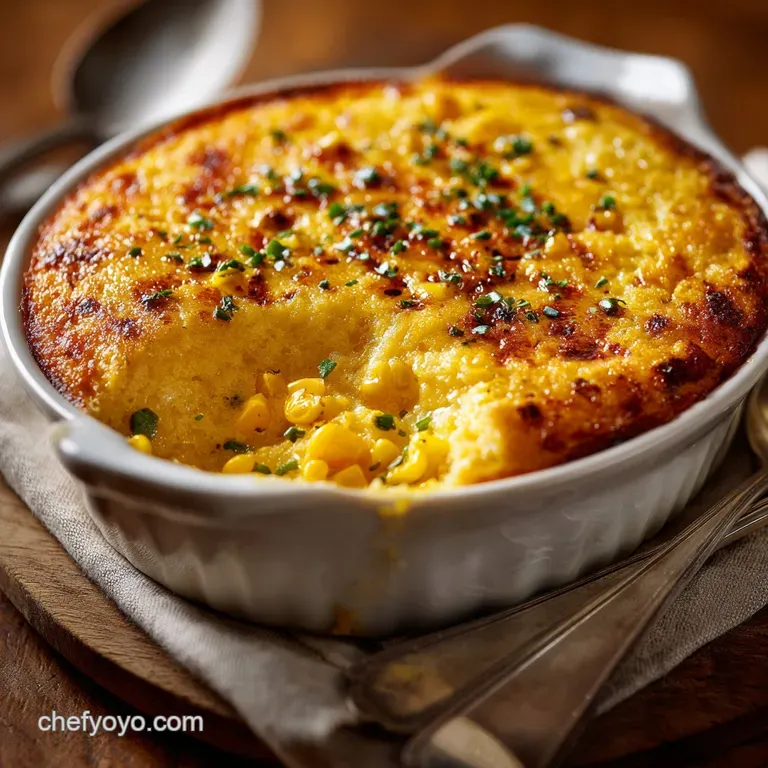
- The Ultimate Corn Pudding: Balancing Sweet Comfort and Savory Depth
- The Science of Velvety Texture: Perfecting Your Corn Pudding
- Essential Building Blocks: Key Ingredients for Superior Baked Corn Pudding
- Swaps and Dietary Adaptations: Customizing Your Corn Dish
- Methodical Steps: How to Bake the Perfect Creamy Corn Casserole
- Troubleshooting and Expert Baking Secrets
- Maximizing Longevity: Storing, Freezing, and Reheating Guide
- Perfect Pairings: What to Serve Alongside Your Creamy Side Dish
- Quick Answers to Your Most Asked Questions About This Baked Side
- Recipe FAQs
- 📝 Recipe Card
The Ultimate Corn Pudding: Balancing Sweet Comfort and Savory Depth
That smell, you know the one. It’s warm, buttery, and slightly sweet, hitting you the moment it comes out of the oven, promising pure comfort. We are talking about the ultimate creamy, dreamy side dish: classic Corn Pudding .
This isn't just a casserole; it’s a delicate baked custard that sings.
Honestly, this traditional recipe saves my sanity during the holidays and family gatherings. It is so fast to whip up, shockingly inexpensive, and yet everyone thinks you slaved away for hours achieving that perfect velvety texture.
It’s truly the ultimate comfort food side dish, and my version of this Southern Corn Pudding recipe hits all the right notes.
Forget the dry, sad versions you may have endured before. This perfected recipe delivers luxurious, velvety richness married perfectly to the sweet, vibrant pop of fresh or frozen kernels.
Trust me, the secret is in the prep, and we are going to nail this homemade Corn Pudding casserole together.
The Science of Velvety Texture: Perfecting Your Corn Pudding
Defining Classic Southern Comfort: What Is This Dish?
At its heart, Corn Pudding is essentially a baked custard, thick and enriched with corn kernels, bound by eggs, dairy, and a little starch. It’s fundamentally different from a baked corn casserole that might rely heavily on breadcrumbs or Jiffy mix for structure.
This old-fashioned Corn Pudding should be custardy and scoopable, not sliceable like a cake. The texture should just barely hold its shape, giving way easily under the fork.
Why Corn Pudding Is the Perfect Year Round Side Dish
While this dish screams holiday elegance, it works wonderfully all year. It’s versatile enough to stand up to heavy winter roasts but light enough not to overwhelm barbecue in the summer. If you use frozen kernels, you can easily enjoy the intense sweet corn flavor even in the dead of winter.
It truly is the unsung hero of the side dish world.
Achieving the Ideal Custard Base (No Dry Edges!)
The key to preventing dry, rubbery edges while keeping the middle perfectly set lies in two simple techniques: high fat dairy and gentle baking. Using heavy cream alongside whole milk increases the fat content, which inhibits the proteins from tightening up too quickly.
Baking at 350°F (175° C) is ideal , but if your oven runs hot, drop it slightly or use a water bath, which acts as a gentle heat buffer. Achieving the perfect creamy texture in your Corn Pudding is absolutely critical.
Fresh vs. Canned Corn: Optimizing Flavor Extraction
I strongly advocate for fresh or high-quality frozen corn for the best flavor, especially for this Grandmas Corn Pudding Recipe. Canned corn tends to be waterlogged and often lacks that intensely sweet, natural flavor. However, whether you use fresh or frozen, the real secret is the corn milk .
When you scrape the kernels off the cob (or briefly pulse a portion of frozen kernels), you release a milky liquid. That liquid is pure, starchy sweetener and flavour essence that makes the finished baked Corn Pudding unbelievably rich.
Essential Building Blocks: Key Ingredients for Superior Baked Corn Pudding
The best Corn Pudding starts with sourcing high-quality, simple ingredients. Don’t skimp on the dairy, that’s my biggest tip! We want richness here, not compromise.
Choosing Your Corn: The Best Balance of Sweetness and Structure
For optimal results, I use a combination: some whole kernels for texture and some pulsed or scraped corn for the creamy binding agent. If corn is in season, nothing beats the sweetness of fresh kernels, but if not, a premium frozen brand works perfectly well.
Avoid the heavily starchy or mealy variety of frozen corn if you can; you want those sweet, yellow gems.
Dairy Decisions: Heavy Cream vs. Milk for Richness
You need a mix. Whole milk provides the bulk and hydration, but the heavy cream (double cream) is absolutely essential for the decadent mouthfeel. If you only use milk, your pudding will be too thin and likely curdle before it fully sets.
The high fat content in the heavy cream stabilizes the eggs, resulting in that dreamy, velvety texture we crave in Corn Pudding .
Necessary Pantry Staples and Binding Agents
We use a small amount of all-purpose flour in this recipe, acting as a security blanket to ensure the custard sets beautifully and doesn't weep. The melted butter adds necessary moisture and flavour, while a touch of sugar balances the savory elements perfectly.
Remember, salt is crucial; without it, your sweet Corn Pudding will taste flat.
Chef’s Note: Do not skip the baking powder! It provides a very subtle lift, preventing the pudding from becoming overly dense and fudgy, allowing the custard to breathe slightly while baking.
Swaps and Dietary Adaptations: Customizing Your Corn Dish
Life happens, and sometimes you don't have exactly what the recipe calls for. Don't worry, my easy Corn Casserole Recipe is highly adaptable.
| Original Ingredient | Viable Substitution | Notes |
|---|---|---|
| Whole Milk | Evaporated Milk (diluted 1:1 with water) | Adds a slight cooked/caramel flavor, but works fine. |
| Heavy Cream | Half and Half (use 25% more) | Will result in a lighter, less rich final texture. |
| All-Purpose Flour | Fine Cornmeal or Cornstarch (2 Tbsp) | Cornmeal gives it a slightly more rustic, grainy texture. |
| Granulated Sugar | Maple Syrup or Honey (3 Tbsp) | Adjust liquids slightly as these are wetter sweeteners. |
| Unsalted Butter | high-quality Plant Based Butter | Choose one that melts well and doesn't separate easily. |
Choosing Your Corn: The Best Balance of Sweetness and Structure
As I mentioned, fresh is king, but frozen, thawed corn is a fantastic runner-up. If you must use canned corn, drain it exceptionally well and rinse it to remove the excess sodium and tinny flavor. If using fresh corn, try incorporating the recipe for Mexican Street Corn (Elote): Ultimate Authentic BBQ Side Dish techniques like charring a few kernels first to add a layer of complexity to the Corn Pudding flavor profile.
Dairy Decisions: Heavy Cream vs. Milk for Richness
If you're worried about richness but don't want to use all heavy cream, consider adding just a touch of cream cheese (about 2 ounces, softened) to the wet ingredients. This little trick boosts the richness and tang without making the dish overly fatty.
It gives your Old Fashioned Corn Pudding a subtle gourmet twist.
Making It gluten-free or dairy-free
Making this rich dish gluten-free is a total doddle; simply use an equal amount of certified gluten-free all-purpose blend instead of wheat flour. For dairy-free Corn Pudding , swap the butter for oil or plant based butter.
Replace the dairy with a combination of full fat oat milk and full fat canned coconut milk (not cream) for the ultimate creamy texture.
Scaling the Recipe Up or Down
This recipe is generally for an 8x8 inch dish, serving 8 people comfortably. If you need to scale up for a crowd (say, doubling into a 9x13 inch casserole dish), remember that the baking time will increase significantly, often by 15– 25 minutes.
Always use the visual cues, not the clock , when testing the larger volume of Corn Pudding for doneness.
Methodical Steps: How to Bake the Perfect Creamy Corn Casserole
Let’s crack on with the instructions. These steps ensure every bowl of your Southern Corn Pudding Recipe is pure perfection.
Step 1: Prep and Preheat Perfection
Preheat the oven to 350°F (175°C) and grease your 8x8 dish well. Using butter for greasing not only prevents sticking but also helps promote that lovely golden crust on the edges.
If you're using fresh corn, cut the kernels off the cob and then take the back of your knife to scrape down those empty cobs this releases the corn milk that binds the entire dish.
Step 2: Creating the Flavor Base
Melt your butter and set it aside to cool slightly. Mix the majority of your whole corn kernels with the corn milk, the slightly cooled melted butter, sugar, salt, and pepper. It is important to season aggressively here; sweet corn needs salt to shine.
Step 3: The Custard Binder Mix
In a separate bowl, whisk together the flour and baking powder thoroughly. This prevents lumps. Now, slowly whisk in the whole milk and heavy cream until completely smooth. Finally, gently beat the eggs and whisk them into the dairy mixture.
Step 4: The Crucial Combination
Pour the wet custard base directly into the corn mixture. Mix everything just until incorporated . Overmixing the batter develops the gluten in the flour and incorporates too much air, leading to a tough, dry, or cracked finished Corn Pudding .
Gentle folding is the name of the game here.
Step 5: Bake Until Golden
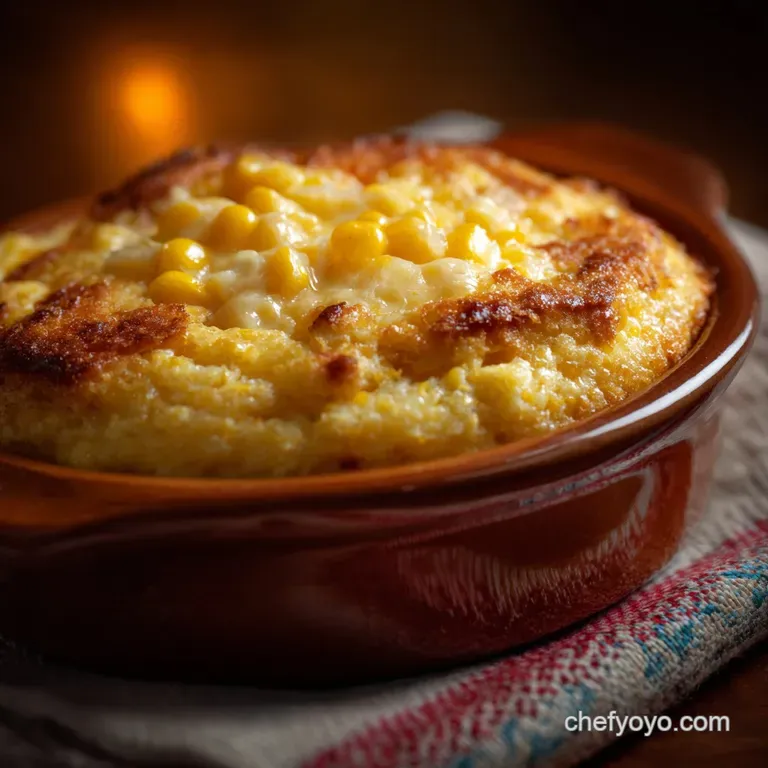
Pour the batter into your prepared dish and slide it into the preheated oven. Bake for 45 to 55 minutes. You are looking for a beautiful golden brown top and edges that look completely set. The very center should have a slight, delicate wobble, like set jelly, not liquid slosh.
Troubleshooting and Expert Baking Secrets
Even the most seasoned home cooks make mistakes. I once forgot to add the flour, resulting in a soup like mess. Learn from my errors!
Prepping the Batter: Achieving a Homogenous Mix
If your batter separates slightly when you pour it into the dish, don't fret! Sometimes the melted butter or cream can stratify if the mixture sits too long. Give it a gentle swirl with a spatula before baking to ensure even fat distribution. A quick, decisive mix before pouring into the pan is best.
Selecting the Right Baking Dish and Temperatures
A ceramic or glass dish holds heat beautifully and ensures even cooking, which is crucial for a delicate custard like this Homemade Corn Pudding Casserole . Avoid thin metal pans, which tend to cook the edges too quickly, risking dryness before the center sets.
The Critical Baking Time and Visual Doneness Cues
When testing your Corn Pudding , look for the internal temperature to reach 190°F (88°C). Visually, if you gently shake the dish, the edges should not move at all, and the center wobble should be minimal.
If it looks puffy and dramatically golden after 35 minutes, it’s probably baking too quickly; reduce the heat immediately.
Avoiding the Most Common Error: Curdling or Over Baking
Curdling is caused by over baking (cooking the eggs past their setting point) or baking too hot. If you notice a watery residue around the edges, that’s weeping a sign the proteins have tightened too much. To fix this, drop the oven temperature right away.
The secret to perfect texture is stopping the cooking process when the center is almost set.
How to Fix a Soggy or Loose Middle
If your center is still too loose after 55 minutes, cover the dish loosely with foil to prevent the top from burning. Then, continue baking in 5 minute increments until the wobble is minimized. Sometimes, if you’re using very wet corn, you just need that extra baking time.
The Importance of the Post Bake Rest
You absolutely must let the pudding rest outside the oven for 10– 15 minutes before serving. Like a perfect roast or my favorite Holiday Desserts: Individual Sticky Toffee Puddings, Chef Approved , carryover heat finishes the setting process. If you slice into it too soon, the center will collapse and look runny, even if it was technically set when removed.
Maximizing Longevity: Storing, Freezing, and Reheating Guide
This creamy side dish is fantastic for making ahead, which is a massive win when prepping for big meals. Knowing how to handle your Corn Pudding post bake is crucial for minimizing waste.
Fridge Shelf Life and Storage
Once cooled completely, cover the baking dish tightly with plastic wrap or transfer the leftovers to an airtight container. This Corn Pudding stores wonderfully in the refrigerator for up to 4 days. The texture might firm up slightly, but the flavor remains excellent.
The Best Way to Freeze Baked Corn Pudding
Yes, it freezes! Bake the dish fully, allow it to cool completely on the counter, then cover the top of the dish first with plastic wrap, then with heavy duty foil. Label and freeze for up to 3 months. Thaw overnight in the refrigerator before reheating.
Reheating Leftovers Without Drying Out
To reheat the full dish, preheat your oven to a low 300°F (150°C). Cover the Corn Pudding tightly with foil and bake for 15– 20 minutes, or until warmed through.
For individual servings, a quick 60 second zap in the microwave usually does the trick, but cover it with a paper towel to trap steam and prevent dryness.
Perfect Pairings: What to Serve Alongside Your Creamy Side Dish
This comforting, slightly sweet side is robust enough to pair with nearly any centerpiece. It cuts through rich sauces beautifully.
Ideal Main Courses for a Comforting Spread
For a truly comforting meal, serve this Corn Pudding alongside slow cooked barbecue, crispy pork tenderloin, or smoked ham. It's the perfect companion to anything that has a savory, smoky crust.
Finishing Touches and Optional Garnishes
For an elevated presentation, consider garnishing just before serving. A light sprinkle of finely chopped fresh chives or flat leaf parsley adds a lovely color contrast and herbaceous lift. For a savory twist, a tiny sprinkle of smoked paprika or a few pieces of crispy bacon or pancetta work wonders. If you love bacon and corn together, you might also want to try my recipe for Cheddar Corn Chowder with Bacon: Ultra Creamy Winter Comfort Food — it's phenomenal.
Quick Answers to Your Most Asked Questions About This Baked Side
Can You Prepare the Batter Ahead of Time?
Yes, you absolutely can! Mix the batter fully, pour it into the prepared dish, cover tightly with plastic wrap, and refrigerate for up to 12 hours. If preparing ahead, take it out of the fridge about 30 minutes before baking so the dish isn't going into the oven ice-cold.
This ensures better, more even cooking for your Corn Pudding .
Best Practices for Freezing the Baked Dish
When freezing, ensure you use freezer safe dishes (glass or ceramic) to avoid flavor transfer. Always fully thaw the pudding in the fridge before attempting to reheat; reheating from frozen leads to uneven texture and longer cook times.
Reheating Leftovers Without Drying Out
The crucial tip is always to reheat covered. Moisture is the enemy of dried out pudding! The foil creates a steam environment, rehydrating the baked custard slightly and keeping your Old Fashioned Corn Pudding moist and lovely.
Finishing Touches and Optional Garnishes
Beyond the chives and bacon bits, a small drizzle of browned butter just before serving adds an incredibly nutty depth that truly elevates this simple baked Corn Pudding . It’s a game changer! Enjoy every creamy, comforting spoonful.

Recipe FAQs
Why did my corn pudding turn out dry or rubbery?
This is almost always caused by overbaking. Corn pudding is essentially a custard, and like all custards, if the egg proteins are heated for too long, they seize up and squeeze out moisture, resulting in a firm, rubbery texture.
Ensure you remove the pudding when the edges are set but the center still retains a slight, gentle wobble.
Can I use fresh, frozen, or canned corn interchangeably?
Yes, all three types work well, although fresh corn cut straight from the cob provides the best natural sweetness and textural pop. If using frozen corn, ensure it is completely thawed and drained before incorporating it into the batter to prevent excess liquid dilution.
For canned corn, drain and rinse it thoroughly to remove excess sodium and starch.
How long can I store leftovers, and what is the best way to reheat the pudding?
Leftovers should be stored tightly covered in the refrigerator and are best consumed within 3 to 4 days. To reheat without drying it out, place individual servings or the entire dish in an oven preheated to 300°F (150°C), covered loosely with foil.
This slow, moist heat method helps the pudding regain its creamy texture.
Can I make the corn pudding batter ahead of time?
Absolutely; this recipe is fantastic for preparation in advance. You can mix the entire batter, pour it into the baking dish, cover it tightly, and refrigerate it for up to 24 hours before baking. Just allow the dish to sit at room temperature for 20 to 30 minutes before placing it in the oven to ensure even cooking.
How can I adapt this recipe to be dairy-free or vegan?
Substitute the traditional dairy with full fat canned coconut milk or a rich oat milk creamer for the liquid components, alongside a high-quality vegan butter. For structure, use a commercial liquid vegan egg replacement or a flax egg equivalent, keeping in mind the texture will likely be slightly softer than the traditional version.
What savory variations or additional mix-ins do you recommend?
Corn pudding is highly customizable; to elevate the savory profile, consider folding in a half cup of shredded sharp cheddar or smoked gouda cheese before baking. For a kick, add finely minced jalapeños (seeds removed) and a sprinkle of chopped fresh chives, which pair wonderfully with the sweet corn base.
Creamy Baked Corn Pudding Recipe
Ingredients:
Instructions:
Nutrition Facts:
| Calories | 612 kcal |
|---|---|
| Protein | 11.1 g |
| Fat | 28.3 g |
| Carbs | 68.2 g |
