The Gold Standard Slowsimmered Creamy Chicken Parmesan Risotto

- Unlocking True Italian Comfort: Our Signature Creamy Chicken Risotto
- Why Patience Yields the Velvety 'All'Onda' Finish
- Gathering the Provisions for Exquisite Flavour
- Selecting Premium Components for Richness
- The Art of the Stir: Step-by-Step Cooking Mastery
- Achieving Peak Creaminess in Your Creamy Chicken Risotto
- Beyond the Basics: Variations and Storage Wisdom
- Troubleshooting Common Risotto Hurdles
- What Goes With Chicken Risotto
- Frequently Asked Questions
- 📝 Recipe Card
Unlocking True Italian Comfort: Our Signature Creamy Chicken Risotto
There is a deep, soulful satisfaction that comes only from a perfectly executed risotto. It’s not just a dish; it's an edible experience, rich with history and technique. This Creamy Chicken Risotto Recipe aims to demystify the process, transforming what some home cooks fear into a comforting, achievable masterpiece.
We are setting out to create a luxurious bowl where the individual grains of rice are suspended in a velvety, flowing sauce the coveted all'onda texture. Forget fast meals; this is about patience, and the rewards are evident in every unctuous spoonful of this Best Chicken Risotto Recipe .
Why Patience Yields the Velvety 'All'Onda' Finish
The secret to truly authentic risotto lies not in heavy cream (though we might cheat a tiny bit at the end for ultimate richness!), but in the slow, methodical release of starch from high amylopectin rice grains. This process transforms simple liquid and grain into a naturally bound sauce.
Achieving this silken flow is the hallmark of Italian cooking, and it requires understanding the fundamental steps that precede the final luxurious stage.
A Deeper Dive into Authentic Risotto Technique
To produce this Authentic Creamy Chicken Risotto , we rely on three key technical milestones: the soffritto , the tostatura , and the mantecatura .
The soffritto builds the aromatic depth, the tostatura sets the stage for the starch release, and the mantecatura is the final marriage of fat and cheese that creates the signature wave.
This methodical approach ensures that whether you are making a classic Milanese or this delightful Creamy Chicken and Rice Risotto , the texture remains paramount.
Setting the Stage: Preparing Your Flavor Base (Soffritto)
Every great Italian dish begins with a balanced foundation, and for our risotto, that means a gentle sauté of aromatics. We start by melting three tablespoons of unsalted butter divided for strategic use alongside a touch of olive oil in a large, heavy bottomed saucepan.
Into this shimmering fat, we introduce one finely diced yellow onion and a small, minced shallot. These ingredients must be sweated slowly over medium heat for about six to eight minutes until translucent and softened, releasing their sweet essence without developing any colour.
Only after this stage is complete do we introduce two minced cloves of garlic, cooking them briefly until their fragrance blooms. This careful preparation forms the flavour scaffolding for the entire dish.
Elevating the Humble Grain: The Magic of Arborio Rice
Once the aromatics are tender, it’s time to introduce the star: the rice. For this recipe, we use 1 ½ cups of Arborio rice; Carnaroli is an excellent alternative if available. It is vital that you do not rinse this rice, as the starch coating is essential.
We pour the dry grains directly into the pot and begin the tostatura , or toasting phase. You must stir constantly for about two to three minutes until the edges of the grains appear translucent, locking in their structure before they meet the liquid.
Gathering the Provisions for Exquisite Flavour
While the rice is toasting, the rest of your components should be ready for deployment. This Creamy Chicken Risotto Easy preparation is streamlined when everything is measured and within arm's reach, as the active cooking time demands constant attention.
Selecting Premium Components for Richness
The quality of your core ingredients dramatically influences the final outcome of your Chicken Risotto Dinner Ideas . Since the flavour profile is relatively simple relying on chicken, broth, and cheese using quality elements is non-negotiable for a superior experience.
The Essential Chicken and Broth Foundation
We begin by preparing one pound of boneless, skinless chicken breasts, diced into tidy half inch pieces. These are seasoned simply with salt and pepper and quickly sautéed in a small amount of oil and one tablespoon of the reserved butter until they achieve a beautiful golden exterior and are fully cooked.
Once done, they are removed from the pan and set aside, ready to be reintroduced later. Crucially, you must have five to six cups of low-sodium chicken stock ready to go in a separate medium saucepan, kept at a consistent, gentle simmer throughout the cooking process.
Never interrupt the rice’s starch release with cold liquid.
Aromatic Building Blocks: Shallots, Wine, and Herbs
As detailed earlier, the aromatic base relies on the slow sweating of the onion and shallot to provide underlying sweetness. After the grains are toasted, we deglaze the pan with half a cup of dry white wine, such as a crisp Pinot Grigio.
This step evaporates the alcohol, leaving behind a pleasant acidity that brightens the richness of the final dish. The wine must be stirred until it has fully absorbed into the rice before any stock is added.
The Final Flourish: Butter, Parmesan, and Seasoning Checklist
The richness of a true risotto is built in layers. Beyond the initial butter for the soffritto , we reserve the final tablespoon of cold butter and about three quarters of a cup of freshly grated Parmesan cheese for the mantecatura .
For a truly decadent texture that enhances this Creamy Chicken and Rice Risotto , we also incorporate two tablespoons of heavy cream at this final stage a modern, delicious adaptation that provides unbeatable silkiness.
Freshly chopped parsley serves as the final bright, herbaceous counterpoint.
Related Recipes Worth Trying
- Smoky Low Carb Chicken Tortilla Soup Keto Healthy — Ditch the carbs but keep the comfort with this Low Carb Chicken Tortilla Soup recipe Its bright smoky and rivals any Keto Tortilla Soup Crock Pot version...
- Two Brilliant LowCarb Soups Cheeseburger Buffalo Chicken — Two powerhouse Low Carb Soups Try our rich Cheeseburger Soup and fiery Buffalo Chicken Soup recipe for easy comforting ketofriendly meals
- Ultimate Deconstructed Chicken Pot Pie Soup with Biscuits — Get all the creamy savoury flavour of Chicken Pot Pie in a hearty soup topped with flaky herb biscuits An easy fussfree homemade chicken pot pie soup recipe
The Art of the Stir: step-by-step Cooking Mastery
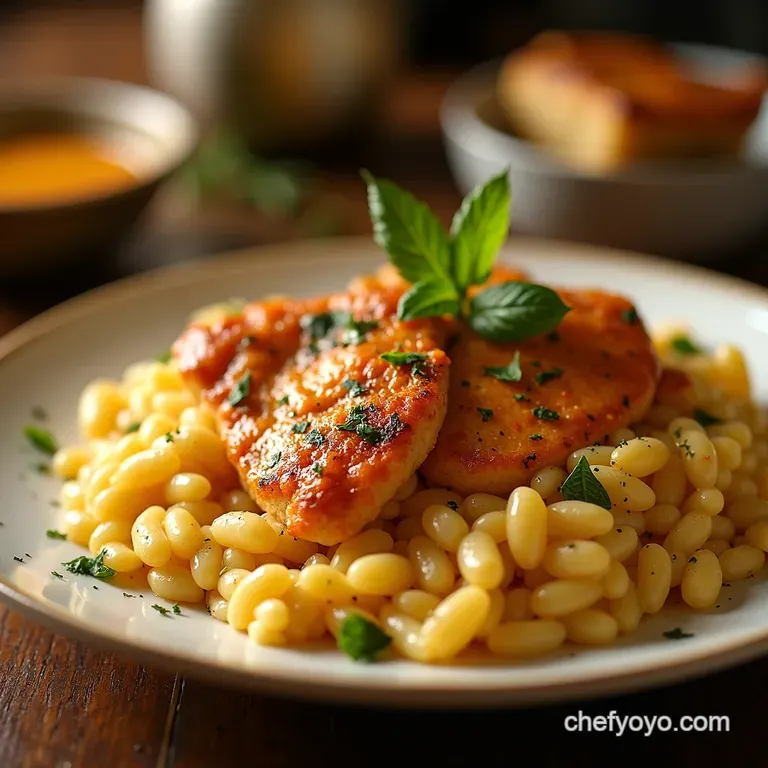
This is where the magic happens. With your flavour base established and your stock simmering, the next 30 minutes require your focused presence. This dedication is what separates a good rice dish from a genuinely Creamy Chicken Risotto .
Achieving Peak Creaminess in Your Creamy Chicken Risotto
The process of cooking the rice is a dance between heat, liquid, and friction, releasing the starch that naturally thickens the dish.
Phase One: Searing the Chicken and Toasting the Grains (Tostatura)
Following the initial sauté of the chicken, which is set aside, ensure your soffritto is perfectly tender. Then, perform the tostatura by stirring the dry Arborio rice in the fat until the grains turn translucent around the edges.
Immediately pour in the room temperature white wine and stir vigorously until it vanishes completely.
The Gradual Infusion: Ladling Hot Stock Methodically
Begin adding the simmering chicken stock, one full ladle at a time. The key here is to maintain a steady, gentle heat and to stir frequently, using your spoon to gently agitate the grains against each other. This friction encourages the starch to leach out.
Wait until the liquid is almost entirely absorbed before introducing the next ladleful. This entire addition process should take around 18 to 22 minutes. The goal is for the rice to become al dente —tender throughout but retaining a slight core resistance.
The Crucial Ten-Minute Finish: Mantecatura for Unctuousness
Once the rice has reached the correct texture and the mixture is creamy but still loose, pull the entire pot off the heat . This step is vital. Vigorously stir in the final tablespoon of cold butter, the grated Parmesan, the reserved cooked chicken, and, if using, the heavy cream.
This final, energetic whisking is the mantecatura , which emulsifies the fats and starches into that signature flowing sauce.
Resting and Presentation: Serving Your Golden Dish
After the mantecatura , cover the pot and allow the Creamy Chicken Risotto to rest undisturbed for two full minutes. This brief pause allows the flavours to settle and the texture to stabilize.
Serve immediately in pre-warmed bowls, garnished generously with fresh parsley and extra Parmesan shavings. Remember, risotto waits for no one; it should be eaten immediately while it maintains its all'onda flow.
Beyond the Basics: Variations and Storage Wisdom
While this Creamy Chicken Risotto Recipe stands proudly on its own, its foundation is versatile enough to support other flavour profiles.
Creative Twists: Adding Lemon Zest or Sautéed Mushrooms
For a brighter profile, consider folding in the zest of half a lemon during the final minute of cooking the citrus cuts beautifully through the richness. Alternatively, for a heartier dish, sauté 8 ounces of mixed mushrooms (such as cremini and shiitake) separately and fold them in alongside the chicken during the mantecatura .
Using mushroom stock instead of chicken stock elevates this mushroom variation significantly. For those looking for an even simpler approach, the Creamy Chicken Risotto Slow Cooker method exists, though it generally yields a less texturally complex result than the stovetop method detailed here.
Optimal Storage Solutions for Leftover Risotto
Leftover risotto, while never quite as spectacular as when fresh, can still be salvaged. Allow it to cool completely, then store it in an airtight container in the refrigerator for up to two days. Do not attempt to reheat it conventionally; it will become gluey.
To revive it, place the leftovers in a saucepan with a splash of hot stock or water, heating gently over low heat while stirring constantly until the desired creaminess returns.
Adjusting Consistency: From Stiff to Silky Smooth
If your risotto appears too stiff upon resting, don't panic. This is easily remedied. Simply stir in another small splash of hot stock until the desired flowing consistency is achieved.
If, however, you find your Easy Creamy Chicken Risotto leans too soupy after the mantecatura , place it back on very low heat for 30 seconds, stirring gently, to encourage a small amount of additional starch release and thickening.
Troubleshooting Common Risotto Hurdles
Even expert chefs occasionally face textural challenges. If your rice is crunchy in the middle, it simply needs more liquid and heat; add stock until the centre is tender. If it tastes flat, a tiny splash of good quality sherry vinegar added right at the very end can often brighten the flavour profile dramatically.
What Goes With Chicken Risotto
When planning your meal, remember that Creamy Chicken Risotto is hearty and rich, meaning sides should be light and acidic. Excellent companions include a peppery arugula salad dressed simply with lemon and olive oil, or lightly grilled asparagus spears drizzled with balsamic reduction.
These sharp contrasts prevent palate fatigue and perfectly complement the creamy mouthfeel.
Frequently Asked Questions
Why is my Creamy Chicken Risotto sticky or stodgy instead of flowing nicely?
This usually happens if you’ve added too much stock at once or stirred too aggressively once the rice was nearly done. The key is the slow, patient addition of hot stock, allowing the starch to release gradually.
If it’s too thick at the end, try vigorously stirring in a small splash of hot water or extra stock off the heat during the mantecatura stage.
Can I make the chicken and stock ahead of time, or is this an all-at-once job?
Absolutely, you can prep ahead! Cook the chicken and keep it warm or refrigerate it, and certainly, have your stock simmering on a back burner; it must be hot when you add it. However, the risotto itself needs constant attention during the 20-minute cooking phase, so you can’t leave the pot unattended while the rice absorbs the liquid.
What's the best rice substitute if I don't have Arborio for this Creamy Chicken Risotto?
For authentic results, stick to high starch, short grain Italian rice like Carnaroli (often considered the superior choice) or Vialone Nano. If you are in a proper pinch and have absolutely no other options, you can try using Calasparra, but honestly, regular long grain rice like Basmati will result in something closer to savoury rice pudding than proper risotto, so it’s best avoided!
I’m worried about undercooking the rice; how do I know when it’s perfectly 'al dente'?
The best tip is to taste it! After about 18 minutes of adding stock, pull a grain out and bite it; it should feel creamy on the outside but still have a firm, opaque ‘dot’ right in the very centre.
It shouldn't be rock hard, but it definitely shouldn't be soft and fluffy like boiled rice that lovely bite is what makes it authentic.
How should I store leftover risotto, and can I reheat it properly?
Leftover risotto firms up quite a bit in the fridge, which isn't ideal, but it's perfectly safe for up to three days. When reheating, never use the microwave unless you want a brick!
Gently reheat in a saucepan over low heat, stirring in small splashes of warm stock or milk/water until it loosens up and regains a creamy consistency.
Is using heavy cream essential, or is that just cheating?
It’s entirely optional and depends on your style; traditionally, the creaminess comes purely from stirring the rice starch (mantecatura). However, adding two tablespoons of heavy cream at the very end gives an insurance policy for extra velvetiness, especially if you’re nervous about the texture.
If you're aiming for an authentic Italian trattoria experience, skip the cream!
Creamy Chicken Risotto Gold
Ingredients:
Instructions:
Nutrition Facts:
| Calories | 1449 kcal |
|---|---|
| Protein | 20.2 g |
| Fat | 59.2 g |
| Carbs | 63.2 g |
| Fiber | 17.9 g |
| Sodium | 569 mg |
