The Ultimate Garlic Parmesan Chicken Pasta Creamy Cosy and Quick
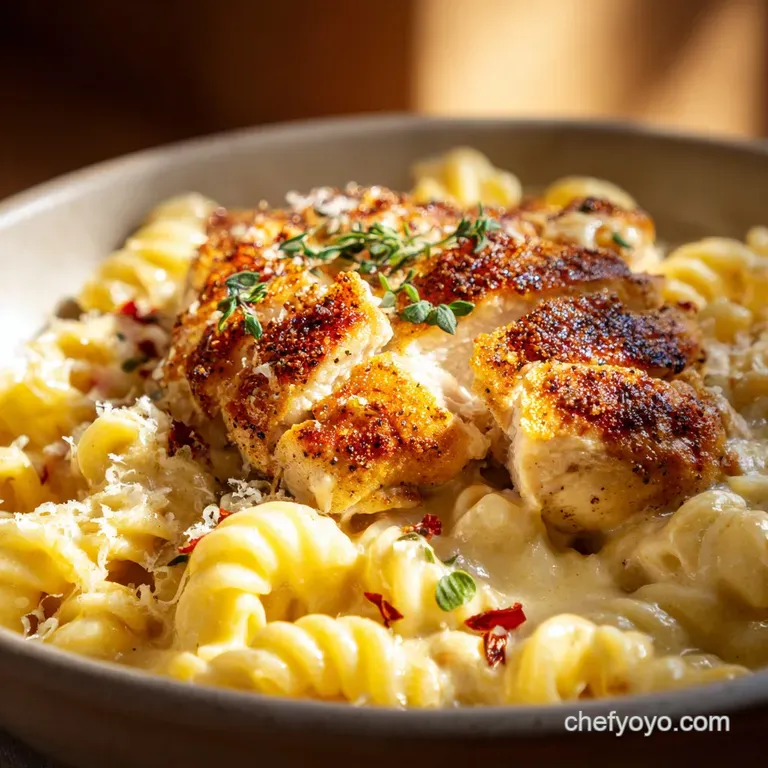
- Ditch the Diner Gloop: Why This Garlic Parmesan Chicken Pasta Recipe Wins
- The Essential Roster: Fresh Ingredients for Optimal Flavor
- Customizing Your Comfort: Ingredient Swaps and Alternatives
- Step-by-Step Guide: Crafting Your Creamy Chicken Masterpiece
- Troubleshooting Common Issues While Making Garlic Parmesan Chicken Pasta
- Chef's Notes: Tips for Serving and Enhancing the Dish
- Future Proofing Your Meal: Storage and Reheating Strategy
- Expanding the Menu: Unique Variations on This Classic
- Recipe FAQs
- 📝 Recipe Card
Ditch the Diner Gloop: Why This Garlic Parmesan Chicken Pasta Recipe Wins
Forget everything you think you know about heavy, cloying cream sauces derived from jarred alternatives. This specific Garlic Parmesan Chicken Pasta Recipe is a triumph of balance it delivers intense, savoury flavour and luxurious texture without the heavy, often greasy feel of typical restaurant fare.
We’re focusing on a robust Stove Top preparation that maximizes flavour extraction from the chicken, garlic, and butter before achieving a perfect emulsion. The result is a vibrant, deeply satisfying dish that proves comfort food doesn’t have to compromise on elegance.
Achieving Restaurant Quality Velvety Sauce at Home
The key differentiating factor in this preparation is the intentional use of a light roux (butter and flour paste) followed by a precise emulsification process, rather than relying solely on heavy cream for body.
By whisking 4 tablespoons of unsalted butter and 2 tablespoons of all-purpose flour into a foundational roux, we establish a stable base that prevents the final sauce from breaking.
When combined with warmed chicken stock and rich double cream or half and-half, this foundation allows the fresh Parmesan to melt seamlessly, achieving that glossy, velvety consistency professional chefs strive for.
The Weeknight Timeline: Ready in Under 35 Minutes
While the total estimated time for this dish is around 50 minutes, the true magic lies in the concurrent cooking strategy that makes it an Easy Meal Prep Dinner .
Once the components are prepped (which takes about 20 minutes), the active cooking time is dramatically reduced. We utilize the largest burners on the stove to multitask: pasta boiling on one, and the chicken searing and sauce building in a large skillet on the other.
Because the chicken is sliced into thin cutlets, the searing phase is quick, allowing us to move swiftly into constructing the sauce, bringing the dish together with remarkable speed.
Mastering the Sear: Perfectly Tender Chicken Every Time
To ensure your High Protein Chicken Pasta is never dry or rubbery, the preparation of the 1.5 lbs (680g) of chicken breast is paramount. We begin by slicing the chicken into thin, uniform cutlets, ensuring rapid and even cooking.
Seasoning generously with salt, pepper, and Italian herbs before searing in hot olive oil (1 tbsp) is crucial. The goal is a deep golden crust achieved by cooking the cutlets for just 3– 4 minutes per side.
Once cooked to an internal temperature of 165°F (74°C), the chicken must be removed immediately and tented with foil. This resting period allows the juices to redistribute, guaranteeing maximum tenderness when sliced and added back into the final dish.
The Essential Roster: Fresh Ingredients for Optimal Flavor
Great Garlic Parmesan Chicken Pasta relies on the integrity of simple, high-quality ingredients. The foundation of the sauce requires 6 cloves of fresh garlic, finely minced, which provides the necessary aromatic punch without being overpowering.
We also strictly insist on using 1 cup of freshly grated Parmesan cheese. This is a non-negotiable step; packaged grated cheese often contains anti caking agents that hinder melting and result in a grainy sauce.
Freshly grating it ensures the cheese melts into a smooth, luxurious liquid that beautifully emulsifies with the reserved pasta water.
Customizing Your Comfort: Ingredient Swaps and Alternatives
The inherent flexibility of this recipe allows cooks to adapt it easily based on dietary needs or pantry availability without sacrificing flavour. Once you have the core technique down, experimentation with aromatics and dairy components is highly encouraged.
Selecting the Best Cheeses and Aromatic Vegetables
While Parmesan is traditional, blending cheeses can add depth. For a nuttier flavour, consider using a quarter cup of finely grated Pecorino Romano alongside your Parmesan, which offers a saltier, sharper profile.
If you wish to incorporate vegetables, aromatic additions like diced shallots or a quarter cup of sun-dried tomatoes (added during the garlic infusion stage) introduce complexity and colour.
However, maintain a focus on the core flavour components the 6 cloves of garlic and the high-quality butter are essential starting points.
The Secret Weapon: Leveraging Pasta Starch Water
The reservation of ½ cup of the starchy water from the fettuccine or linguine pot is arguably the most vital step in achieving a professional texture. This salted, milky water is rich in emulsifiers released by the starch, enabling the fat (butter and cream) and the water based liquids (stock) to bind together seamlessly.
When you stream this liquid gold into the sauce at the end, it activates the proteins in the cheese, ensuring a beautifully glossy finish that perfectly coats the 12 oz (340g) of pasta, preventing dryness.
Quick Checklist of Must Have Kitchen Tools
Successful execution relies on having the right tools prepared. You’ll need a large, heavy bottomed skillet or Dutch oven wide enough to comfortably toss the final pasta; a sturdy whisk for creating and managing the roux; and a box grater or food processor dedicated solely to the fresh Parmesan.
Don’t forget the tongs for handling the hot chicken and a liquid measuring cup ready for scooping that reserved pasta water.
dairy-free Modifications for a Lighter Finish
For those seeking a lighter or entirely dairy-free approach, excellent substitutions are available. Swap the double cream/half and-half for full fat oat milk or evaporated milk. For the cheese component, nutritional yeast or a high-quality vegan Parmesan alternative can mimic the umami flavour.
When eliminating dairy, you might also need to use less flour in the roux (reducing it to 1 tablespoon) or switch to a cornstarch slurry to maintain the thickening power without excessive fat.
Choosing Your Cut: From Breast to Thigh
The recipe details call for chicken breasts cut into thin cutlets, ideal for a quick cooking, High Protein Chicken Pasta dish. However, if you prefer richer flavour and a more forgiving cooking process, boneless, skinless chicken thighs can be substituted.
Thighs require slightly longer searing time (4– 6 minutes per side) but remain incredibly moist, making them an excellent choice for those new to pan-searing poultry.
step-by-step Guide: Crafting Your Creamy Chicken Masterpiece
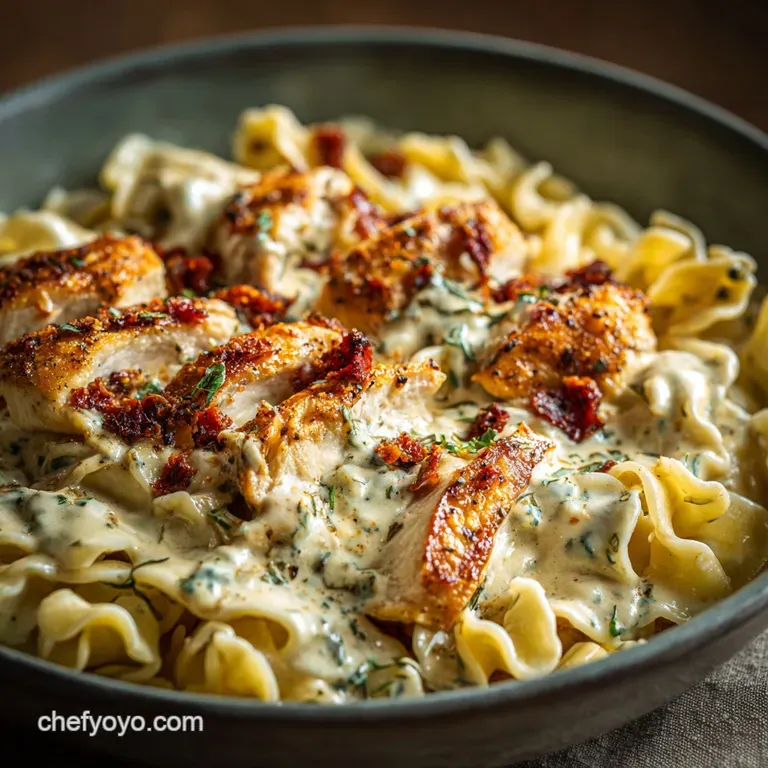
The process is broken down into four seamless stages. First, prep all ingredients and begin boiling the generously salted water for the 12 ounces of fettuccine. Second, sear the seasoned chicken cutlets for 3– 4 minutes per side until 165°F (74°C) internal temperature is reached, then rest them immediately.
Third, utilize the residual flavour in the skillet (the fond) to start the roux with 4 tablespoons of butter and 2 tablespoons of flour, followed by infusing the 6 cloves of minced garlic. Slowly whisk in the chicken stock and cream, bringing it to a gentle simmer.
The crucial fourth stage involves removing the pan from the heat, vigorously whisking in the 1 cup of fresh Parmesan until smooth, then tossing the drained pasta and reserved water into the sauce to coat everything thoroughly before topping with the sliced chicken.
Related Recipes Worth Trying
- High Protein Creamy Beef Pasta 40 Min LowFuss Weeknight Dinner — This High Protein Creamy Beef Pasta uses blended cottage cheese for a velvety lowfat sauce Its a quick weeknight dinner ready in 40 minutes and delivers...
- Silky Homemade Chicken Liver Pate Recipe The Secret to Bistro Velvet Texture — Learn how to make truly silky Homemade Chicken Liver Pate not the coarse stuff with our foolproof recipe This velvetsmooth spread is perfect for...
- Velvet Nigella Chicken Liver Pate Recipe Secret to Silken Texture — Master this traditional Chicken Liver Pate recipe Achieve restaurantquality velvet texture with our foolproof straining technique and signature Nigella seed...
Troubleshooting Common Issues While Making Garlic Parmesan Chicken Pasta
Even seasoned chefs encounter minor hiccups. Knowing how to quickly address common pitfalls ensures your Garlic Parmesan Chicken Pasta turns out perfectly glossy and rich every time.
Prepping and Perfecting the Sear on the Chicken Cutlets
The key to a beautiful sear is heat management. Ensure your skillet is hot before adding the olive oil, and the oil is shimmering before the cutlets go in. Overcrowding the pan lowers the temperature and leads to steaming, not searing.
If necessary, cook the 1.5 lbs of chicken in two batches to guarantee a golden brown crust.
Building the Aromatic Foundation (Sautéing Garlic and Herbs)
Once the butter is melted into the chicken fond, whisking in the flour for 60 seconds cooks out the raw flour taste. When adding the minced garlic, the window for sautéing is very short 30 to 60 seconds maximum.
Burnt garlic will introduce a bitter, acrid flavour that ruins the entire sauce base, so maintain a low medium heat and stir constantly.
The Crucial Emulsification: Combining Sauce and Pasta
The final toss is where the magic happens. When you add the drained pasta back into the sauce, ensure the sauce is no longer actively simmering. The latent heat of the pasta and the pan is enough to finish cooking the dish.
Use tongs to toss everything continuously, ensuring the sauce clings rather than pools, adjusting the consistency incrementally with the reserved pasta water.
How to Fix a Sauce That Broke or Curdled
Sauce splitting (breaking) usually occurs if the cream is added too quickly to high heat or if the cheese is added while the mixture is boiling. If your sauce breaks, immediately remove the pan from the heat. Try whisking in 1 tablespoon of fresh, cold cream or even a small ice cube.
The sudden temperature drop and introduction of cold fat can sometimes re-emulsify the mixture, bringing it back to life.
Ensuring Your Pasta is Al Dente, Not Mushy
Always cook your fettuccine or linguine until it is al dente , meaning it should still have a slight, firm resistance at its core (usually 1- 2 minutes less than the package directs).
This is because the pasta will finish cooking and absorb sauce once it’s tossed back into the skillet. Undercooking slightly guarantees the final texture remains perfectly chewy.
Chef's Notes: Tips for Serving and Enhancing the Dish
Once the Garlic Parmesan Chicken Pasta is perfectly coated, it should be served immediately to maintain the ideal creamy texture.
Future Proofing Your Meal: Storage and Reheating Strategy
This recipe is fantastic for Meal Prep Pasta , but the high dairy content requires careful storage and reheating techniques to preserve quality.
Expanding the Menu: Unique Variations on This Classic
Beyond the standard stovetop preparation, the Garlic Parmesan Chicken Pasta framework is highly versatile, lending itself to various cooking methods and flavour profiles.
Presentation Matters: Garnishes That Impress Guests
A garnish elevates a simple dish. Finish the plated pasta with a generous sprinkling of finely chopped fresh parsley for a pop of colour and freshness that cuts through the richness. If you enjoy a subtle heat, a final dusting of red pepper flakes offers a welcome visual contrast and flavour kick.
Shavings of extra Parmesan cheese, applied with a vegetable peeler, also add texture and visual appeal.
Pairing Perfection: Wine and Side Dish Recommendations
The richness of the cream sauce and cheese demands a pairing with good acidity. For wine, a crisp, dry white like an unoaked Sauvignon Blanc or Pinot Grigio balances the fat beautifully.
Side dishes should remain simple and fresh; a classic rocket (arugula) salad dressed lightly with lemon and olive oil provides the necessary bitterness and brightness to complement this substantial dish. Don’t forget a crusty garlic baguette for mopping up every last drop of the creamy sauce.
Safe Refrigeration and Freezing Best Practices
For safe storage, ensure leftovers are cooled quickly and transferred to airtight containers within two hours of cooking. Refrigerated pasta maintains quality for up to three days. Due to the high cream and cheese content, freezing is generally discouraged as the sauce can separate and become grainy upon thawing.
If you must freeze, use a vacuum sealer, and plan to revitalize the sauce heavily during reheating.
Revitalizing Leftovers: Avoiding Dry Pasta and Oily Sauce
Reheating creamy pasta often results in dry noodles and a split, oily sauce. To avoid this, never use a microwave. Reheat the Meal Prep Pasta slowly in a skillet over low heat, adding 1 to 2 tablespoons of extra chicken stock or cream per serving.
Stir gently until the sauce liquefies and re-clings to the pasta, refreshing the flavour and texture.
Adding a Kick: Spicy Garlic Parmesan Chicken Pasta Twists
If you desire a spicier profile, incorporate ½ teaspoon of red pepper flakes directly into the butter and garlic mixture before adding the flour. For a more sophisticated warmth, try stirring in 1 tablespoon of sun-dried tomato paste or a dash of smoked paprika along with the chicken stock, creating a rich, subtly complex base for your Garlic Parmesan Chicken Pasta .
Making it a Hearty Baked Casserole
For those who prefer the deep comfort of an oven dish, transform this recipe into a Garlic Parmesan Chicken Pasta Bake . Once the chicken is sliced and the creamy sauce is combined with the pasta, transfer the entire mixture into a well buttered casserole dish.
Top generously with a mixture of mozzarella and panko breadcrumbs, then bake at 375°F (190°C) for 15 to 20 minutes, or until bubbling and golden brown.
This variation is excellent when feeding a crowd and pairs well with pre-prepared elements, making it an ideal choice for heavier entertaining or batch cooking.
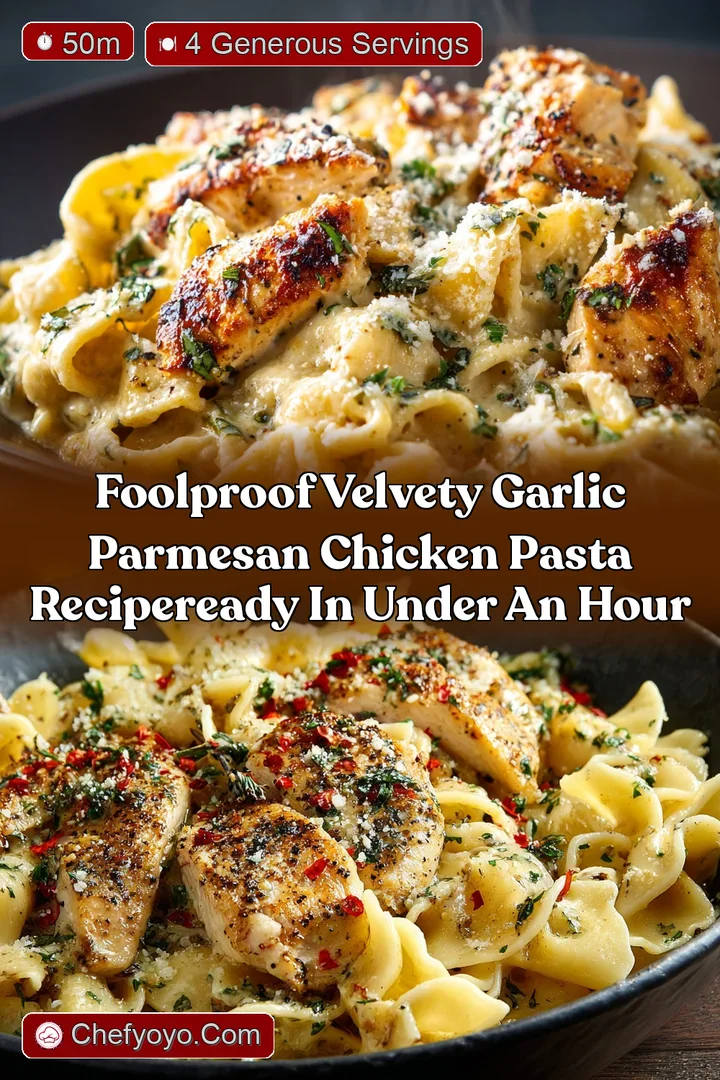
Recipe FAQs
Why did my creamy sauce split or turn gritty when I made this Garlic Parmesan Chicken Pasta?
Oh, the agony! This common kitchen mishap is usually down to two things: heat and cheese quality. Always remove the skillet from the heat entirely before stirring in the freshly grated Parmesan. If the sauce boils once the cheese is added, the proteins seize up, leaving you with a gritty texture.
Secondly, avoid pre-shredded cheese like the plague it contains anti caking agents that make it impossible to melt smoothly!
Can I prepare parts of this dish ahead of time, and how should I store the leftovers?
You can certainly get a head start! The chicken can be seasoned and seared a day ahead, then stored in the fridge just slice it up before serving. However, the creamy sauce and pasta shouldn’t be mixed until serving time, or the pasta will absorb all the sauce, leaving it dry and disappointing.
Store leftovers in an airtight container for up to three days; when reheating, add a tablespoon or two of milk or stock to help restore that velvety texture.
I’m short on time can I use rotisserie chicken or skip the stovetop roux step?
Rotisserie chicken is a brilliant time saver, knocking 15 minutes off the cook time just shred it and fold it into the finished sauce. Skipping the roux (butter and flour) is a bit trickier, though.
The roux stabilizes the dairy and ensures that beautiful, thick consistency; without it, your sauce might be watery. If you must skip it, you could try thickening the sauce with a cornstarch slurry at the end, but the texture won't be quite as rich or ‘spot on.’
I’m counting calories; how can I make this rich dish lighter without losing the flavour?
Don't fret; there are ways to lighten the load! Swap the double cream for evaporated milk (which still offers great body) or low-fat half and-half, and reduce the butter by half. To bulk up the volume without adding heavy calories, roast or sauté plenty of vegetables like broccoli florets, mushrooms, or asparagus, and fold them into the final pasta.
Always maximise the garlic and fresh herbs for flavour that distracts from the missing fat!
I have guests coming who are dairy-free. Are there any clever substitutions for the cream and Parmesan?
Absolutely! You can still achieve that luxurious texture. For the cream, use full fat oat milk or a creamy cashew purée instead of traditional dairy. For the cheesy flavour, a combination of nutritional yeast and ground cashew nuts or silken tofu blended smooth can mimic the umami tang of Parmesan beautifully.
Remember that the fresh garlic and herbs are your main flavour powerhouses here, so don't skimp on those!
Creamy Garlic Parmesan Chicken Pasta
Ingredients:
Instructions:
Nutrition Facts:
| Calories | 2006 kcal |
|---|---|
| Protein | 27.1 g |
| Fat | 70.7 g |
| Carbs | 88.1 g |
| Fiber | 17.9 g |
| Sodium | 767 mg |
