Creamy Mac and Cheese Recipe in 35 Minutes
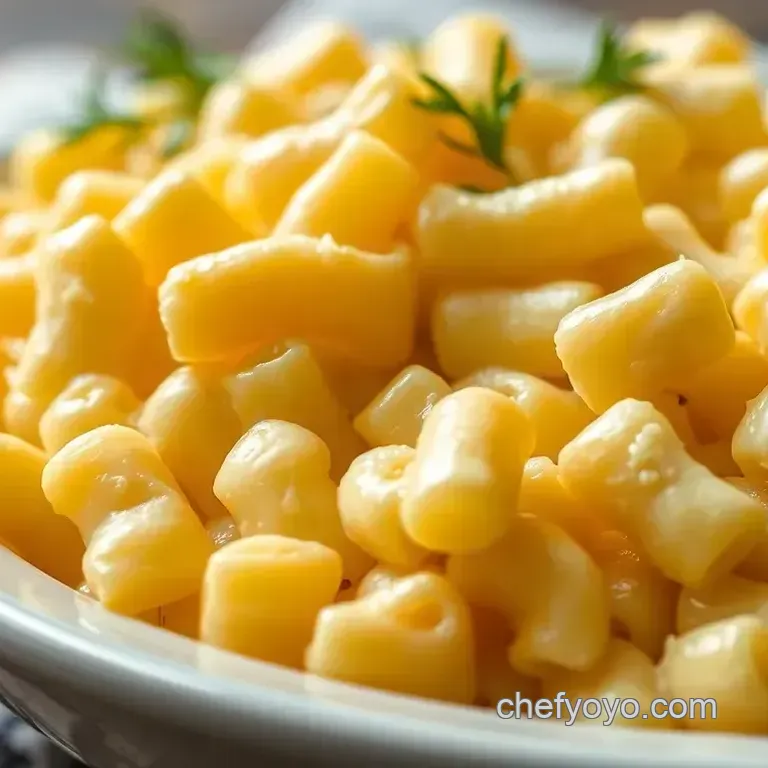
- Time: 15 minutes active and 20 minutes cooking
- Flavor/Texture Hook: A polished, mahogany gold sauce with a pungent cheese kick
- Perfect for: budget-friendly comfort meals or family potlucks
Creamy Mac and Cheese Recipe
Few things are more disappointing than spending an hour cooking dinner only to see a slick of yellow oil on your pasta. I’ve experienced that moment, looking at a separated sauce where the cheese has turned into rubbery lumps and the macaroni is submerged in a watery, salty broth.
This unfortunate outcome often stems from overheating the pan or failing to emulsify the cheese properly.
You don't need fancy gadgets to solve this. The secret lies in your base and how you manage the heat. By blending a classic roux with a touch of cream cheese, you establish a sturdy emulsion that ensures the sauce remains rich and smooth.
You'll end up with a gourmet-level meal without the restaurant price tag. It's the type of dinner that fills your home with the scent of toasted cheese and maintains its velvety texture even after sitting on the table for twenty minutes.
Quick Guide to the Mac
Before we fire up the burner, let's cover a few key points. We're using a stovetop technique here, as it's the most efficient way to achieve a glossy sheen without the risk of the pasta drying out in the oven.
If you're pressed for time and can't commit to the full process, you may prefer this quick cheese sauce which streamlines a few steps, but stick with this recipe for the complete experience.
| Goal | What to change |
|---|---|
| More "Tang" | Swap 1 cup of Cheddar for Pepper Jack |
| Thicker Sauce | Simmer the roux 2 minutes longer |
| Lighter Texture | Use 2% milk instead of whole |
Shopping List Breakdown
Don't bother with the pre shredded bags of cheese. Those are coated in potato starch to stop them from sticking in the bag, but that same starch prevents them from melting smoothly into the sauce. Grating your own takes five minutes and makes a massive difference.
For the Pasta
- 1 lb (450g) elbow macaroni or cavatappi Why this? Ridges and holes hold more sauce.
- 1 tbsp (15g) salt Why this? Seasons the noodle from the inside.
For the Sauce Base
- 1/2 cup (115g) unsalted butter Why this? Provides a rich, nutty foundation.
- 1/2 cup (65g) all purpose flour Why this? Thickens the milk into a stable base.
- 3 cups (710ml) whole milk, room temperature Why this? Room temp prevents the butter from seizing.
For the Flavor and Melt
- 1/2 tsp (3g) garlic powder
- 1/2 tsp (3g) smoked paprika
- 1/4 tsp (1.5g) ground nutmeg Why this? A tiny bit cuts through the heavy fat.
- 3 cups (340g) sharp cheddar cheese, freshly grated
- 2 cups (225g) Gruyère or Colby Jack, freshly grated Why this? Gruyère adds a sophisticated, nutty depth.
- 4 oz (115g) cream cheese, softened and cubed Why this? Acts as a stabilizer for the sauce.
| Ingredient | What It Does | Best Swap |
|---|---|---|
| Gruyère | Adds nutty depth | Colby Jack for a milder taste |
| Whole Milk | Creates richness | Heavy cream (though it's heavier) |
| Elbow Macaroni | Classic shape | Cavatappi or Shells |
Tools You Will Need
Basic equipment is all you need to get this done. Use a thick-bottomed saucepan to ensure even heat distribution, which keeps the milk from scorching on the bottom.
Start with a whisk instead of a spoon to eliminate flour lumps more efficiently. You'll also need a box grater, as we are skipping pre-shredded cheese.
Compare the "fresh" method with the shortcuts below:
| Feature | Fresh Grated & Roux | Pre shredded & Boxed |
|---|---|---|
| Texture | Silky and cohesive | Grainy or gritty |
| Flavor | Sharp and layered | Salt forward and flat |
| Effort | 15 min extra prep | 2 minutes prep |
Making the Sauce and Pasta
Time to get started. Be patient when incorporating the cheese; adding it all at once on high heat will result in the oil separation we mentioned.
Phase 1: The Pasta Prep
- Heat a big pot of salted water until it reaches a rolling boil.
- Stir in the macaroni and boil for 1-2 minutes shorter than the package suggests until the noodles are al dente (have a slight bite). Note: They will finish cooking in the hot cheese sauce.
- Drain the pasta and set it aside.
Phase 2: The Béchamel Base
- In a saucepan over medium heat, melt the butter.
- Whisk in the flour and cook for 2 minutes until the mixture smells nutty and looks like wet sand.
- Slowly stream in the milk, whisking continuously to keep the mixture smooth.
- Simmer for 5-7 minutes until the sauce reaches a consistency that clings to a spoon.
- Mix in the nutmeg, smoked paprika, and garlic powder.
Phase 3: The Cheese Integration
- Lower the heat. Stir in the cream cheese cubes until it is completely melted and smooth.
- Stir in the grated Gruyère and cheddar one handful at a time until the sauce is a glossy, mahogany gold liquid.
- Fold in the cooked pasta until every noodle is enveloped in the sauce.
Chef's Tip: If the sauce seems too thick before adding the pasta, whisk in a bit of the reserved pasta water. The starch in the water helps the sauce adhere to the noodles.
Fixing Common Sauce Issues
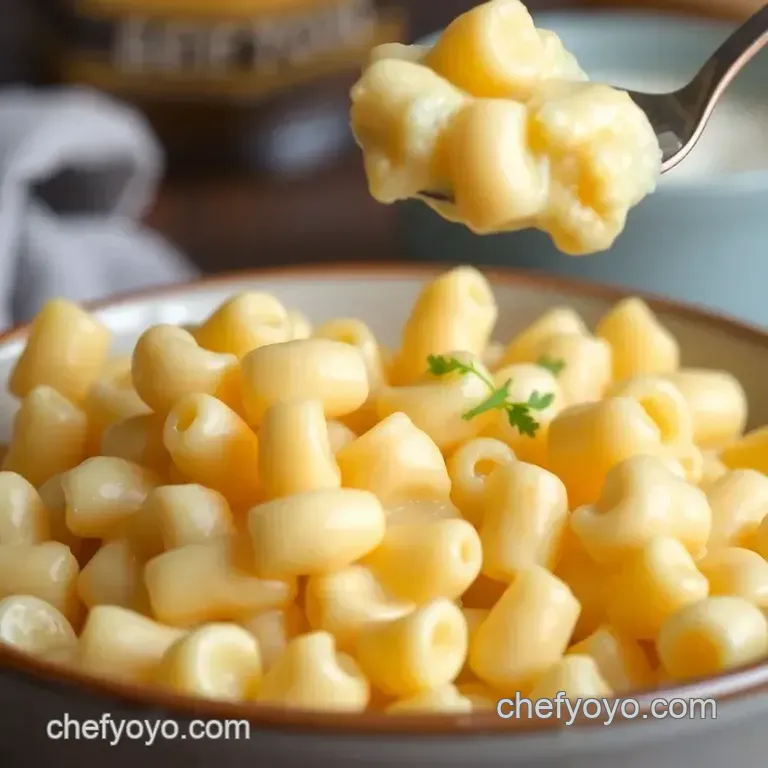
Even when you're prepared, mistakes can happen. Most problems when making Creamy Mac and Cheese stem from temperature control. Cheese is sensitive; excessive heat causes proteins to contract and release the fats.
Fixing a Grainy Texture
If the sauce appears curdled, the cheese was probably overheated. You can typically fix this by taking the pan off the burner immediately and whisking in a tablespoon of cold cream or milk to lower the temperature and reintegrate the fats.
Handling a Sauce That is Too Thick
Because pasta absorbs moisture over time, your mac might become too dense. If it feels more like a solid block than a creamy meal, slowly stir in some warm milk until you reach the desired consistency.
Stopping the Cheese from Separating
Separation occurs when the emulsion fails, which is why the roux and cream cheese are essential. If oil begins to surface, reduce the heat and stop stirring so aggressively. A small amount of cornstarch mixed with water (a slurry) can often help stabilize the sauce.
| Problem | Root Cause | Solution |
|---|---|---|
| Grainy Sauce | Heat too high/boiling cheese | Remove from heat, whisk in cold milk |
| Oil on Top | Emulsion broke | Lower heat, add cream cheese or slurry |
| Clumpy Cheese | Used pre shredded cheese | Only use freshly grated cheese |
| Mushy Pasta | Overcooked in water | Boil 2 mins less than package says |
Swaps and Different Flavors
This base is highly versatile. Once you have the creamy foundation, feel free to customize it based on what you have on hand. For a completely dairy-free alternative, a vegan cashew cheese sauce offers a comparable richness.
To keep costs down, swap the Gruyère for a sharp White Cheddar or Monterey Jack. While you'll miss those distinct nutty flavors, the luxurious texture remains intact.
For extra substance, stir in sautéed mushrooms or steamed broccoli just before adding the pasta. I also recommend whisking a teaspoon of Dijon mustard into the roux; it adds a sophisticated tang that balances the heavy creaminess.
Keeping Leftovers Fresh
Mac and cheese is surprisingly delicious as leftovers, as long as it is stored properly. Place any remaining portions in an airtight container and refrigerate. These will remain fresh for 3-4 days.
To stop the pasta from absorbing too much sauce while chilling, mix in a little extra milk before storing. This ensures the noodles stay moist.
When warming it back up, try to steer clear of the microwave. Microwaving can create uneven "hot spots" that cause the cheese sauce to separate. Instead, transfer the mac to a small saucepan over low heat with a teaspoon of milk. Stir slowly until it becomes bubbly and glossy once more.
To make the most of your ingredients, save any sauce remaining in the bottom of the pot. It makes a wonderful spread for a cheese toastie the following morning.
Best Sides for Mac
Since this is a heavy, rich dish, you need sides that provide some acidity or crunch to balance the plate. A crisp green salad with a lemon vinaigrette is the classic choice. The acid in the dressing cleanses your palate between bites of the cheesy pasta.
Roasted Brussels sprouts with a drizzle of balsamic glaze also work well. The charred, bitter edges of the sprouts contrast the sweetness of the milk and butter.
If you're serving this for a crowd, try putting the macaroni in a slow cooker on the "warm" setting to keep it from seizing up. Just remember to stir in a little extra milk every hour to keep it from thickening too much.
Why the Texture Works
The key is using a roux (butter and flour) to create a stable structure. This prevents the fats from the cheese from separating from the liquids in the milk.
The addition of cream cheese provides extra stabilizers. These proteins act like a glue, ensuring the sauce stays smooth and velvety even as it cools.
High in Sodium
1110 mg 1,110 mg of sodium per serving (48% 48% of daily value)
The American Heart Association recommends limiting sodium intake to no more than 2,300 mg per day for most adults.
Tips to Reduce Sodium
-
Reduce Pasta Water Salt-25%
Reduce the 1 tbsp of salt used for boiling the macaroni to 1 tsp or omit it entirely. Since the pasta is combined with salty cheeses, reducing the initial salt significantly lowers the overall sodium.
-
Modify Cheese Blend-15%
Replace a portion of the sharp cheddar or Colby Jack with Swiss cheese or a low-sodium variety of Gruyère to lower the salt contribution from the dairy.
-
Swap Cream Cheese-10%
Use a low-sodium cream cheese alternative or substitute a portion of it with a dollop of plain Greek yogurt for creaminess with less salt.
-
Boost Natural Flavors
Incorporate fresh minced garlic or a pinch of freshly ground black pepper to enhance the savory profile without adding any extra sodium.
Recipe FAQs
What is the secret to creamy mac & cheese?
Combining a traditional roux with softened cream cheese creates a stable emulsion, a technique also used in our vegan macaroni sauce.
Tip: Whisk the flour and butter for two minutes to get a nutty aroma before adding milk.
Which cheeses make the sauce the creamiest?
A blend of sharp cheddar, Gruyère, and cream cheese provides the best balance of flavor and texture.
Tip: Grate your cheese fresh from the block to avoid anti-clumping agents that cause graininess.
Is it true that heavy cream is better than milk for the sauce?
Not true. Whole milk works perfectly when paired with a roux and cream cheese for thickness.
Tip: Use room temperature milk to prevent the butter from seizing during the whisking process.
How to prevent the cheese sauce from separating?
Turn the heat to low before stirring in the cubed cream cheese and grated cheeses.
Tip: Add the cheddar and Gruyère one handful at a time and stir gently.
Creamy Mac and Cheese Recipe: 35 Min