Creamy Tuscan Slow Roasted Tomato Pasta
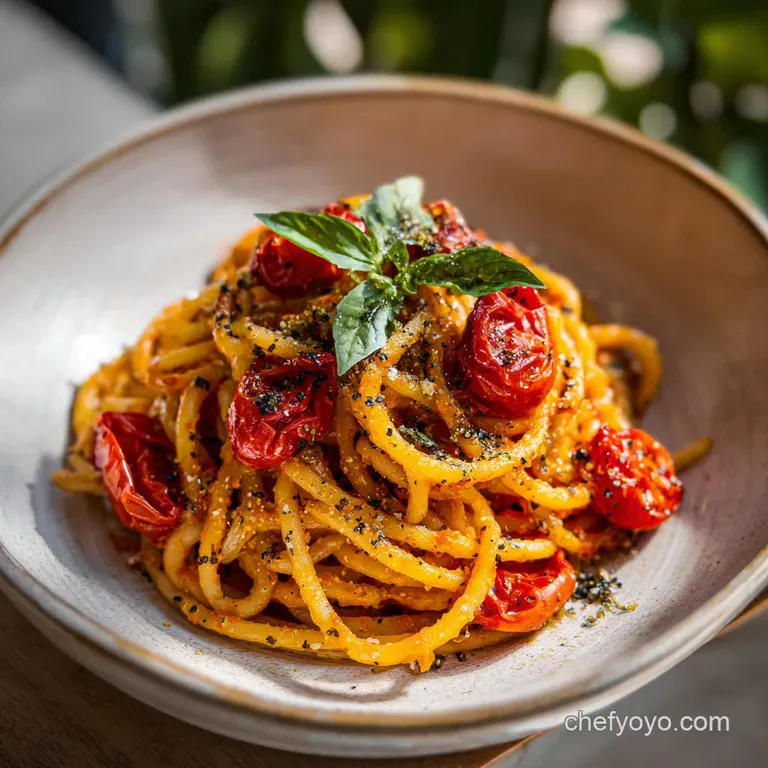
- Time: Active 10 minutes, Passive 2 hours, Total 2 hours 10 mins
- Flavor/Texture Hook: Jammy, concentrated tomato sweetness paired with a silky, herb infused cream
- Perfect for: Stress free Sunday dinners or impressive date nights where you’d rather talk than stir.
- Perfect Creamy Tuscan Slow Roasted Tomato Pasta
- The Science Behind Deep Umami
- Timing and Nutrition Facts
- Choosing the Best Tuscan Ingredients
- Necessary Kitchen Tools and Gear
- Step by Step Cooking Guide
- Troubleshooting Sauce and Texture Issues
- Dietary Substitutions and Flavor Variations
- Keeping Your Leftovers Tasting Fresh
- Serving Suggestions and Pairing Ideas
- Recipe FAQs
- 📝 Recipe Card
Perfect Creamy Tuscan Slow Roasted Tomato Pasta
The first time I tried roasting tomatoes for more than twenty minutes, I thought I’d made a mistake. I peeked through the oven glass at the ninety minute mark and saw these shriveled, slightly charred little things swimming in oil. But then I opened the door.
The aroma didn't just drift; it hit me like a warm, balsamic scented hug. It was the scent of garlic that had surrendered all its bite to become sweet and buttery, mixed with the deep, concentrated perfume of tomatoes that had basically turned into candy.
Trust me, your kitchen is about to smell better than it ever has. We aren't just making a sauce here; we’re creating a base of liquid gold. When those jammy tomatoes meet the heavy cream and the starchy rigatoni, they don’t just sit on top of the pasta. They fuse with it.
It’s the kind of meal that makes you close your eyes and just breathe in for a second before taking that first forkful. We're ditching the watery, acidic canned stuff for something that has actual soul.
You might be tempted to crank the heat to 400°F (200°C) to save time, but please, don't. The magic of this creamy tuscan slow roasted tomato pasta is in the low, slow dehydration process. We want the water to leave the tomatoes while the sugars stay behind and caramelize.
It turns a simple pasta dish into something that feels contemporary yet deeply authentic. Grab a glass of wine, let the oven do the heavy lifting, and let's get into the details.
The Science Behind Deep Umami
The Pyrolysis Pivot: Low temperature roasting triggers a slow motion caramelization where natural sugars break down without burning, creating hundreds of new aromatic compounds.
The Lycopene Release: Heating tomatoes with 0.5 cup extra virgin olive oil breaks down plant cell walls, making the antioxidant lycopene more bioavailable and deepening the red pigment of the sauce.
Starch Emulsification: The 0.5 cup reserved pasta water contains amylose, which acts as a bridge between the watery tomato juices and the fats in the heavy cream, preventing the sauce from "breaking" or looking greasy.
| Method | Time | Texture Result | Best For |
|---|---|---|---|
| Slow Roast | 2 hours | Jammy, concentrated, silky | Weekend luxury, deep flavor |
| Quick Sear | 15 minutes | Bright, acidic, chunky | Busy weeknights, light meals |
| Stovetop Simmer | 45 minutes | Saucy, uniform, mellow | Traditional red sauce vibes |
Choosing the slow roast method ensures that the 2 lbs cherry tomatoes lose about 40% of their weight in water, leaving behind a "tomato jam" that provides a much more intense flavor profile than any quick cook method ever could. This technique is similar to how we build layers of flavor in a Hearty Bolognese Sauce recipe, where time is the most important ingredient in the pot.
Timing and Nutrition Facts
| Component | Science Role | Pro Secret |
|---|---|---|
| Cherry Tomatoes | Sugar & Acid source | Use the smallest ones you can find; they have a higher skin to flesh ratio for better roasting. |
| Balsamic Vinegar | PH Balancer | The acetic acid cuts through the heavy cream, brightening the entire flavor profile. |
| Pasta Water | Binder | Never salt your pasta water as much as "the sea" or this sauce will become a salt bomb. |
| Heavy Cream | Fat Carrier | Fat carries the fat soluble aromas of the garlic and oregano directly to your taste buds. |
When you’re selecting your tomatoes, look for ones that are firm but deeply red. The 0.5 cup extra virgin olive oil might seem like a lot, but it’s actually the poaching medium for the 6 cloves garlic.
This oil becomes infused with the garlic and oregano, and it’s what we’ll use to toss the pasta later.
Choosing the Best Tuscan Ingredients
For this recipe, we are using specific quantities to ensure the balance of fat, acid, and starch is exactly right for 4 servings.
- 2 lbs cherry tomatoes: Halved. I prefer Grape or SunGold for their high sugar content.
- 0.5 cup extra virgin olive oil: Use the good stuff here; the flavor really shines through.
- 6 cloves garlic: Peeled and smashed. Smashed garlic releases allicin slowly, giving a mellow sweetness rather than a sharp bite. Why this? Smashing vs. mincing prevents the garlic from burning during the long 2 hour roast.
- 1 tsp dried oregano: The dried version actually holds up better during long roasting than fresh.
- 0.5 tsp sea salt: To draw out moisture from the tomatoes.
- 1 tbsp balsamic vinegar: For that crucial hit of acidity and dark color.
- 1 lb rigatoni pasta: The ridges are designed to catch the creamy sauce.
- 1 cup heavy cream: This provides the velvety mouthfeel we’re after.
- 0.5 cup freshly grated Parmigiano Reggiano: Do not use the stuff in the green can; it won't melt properly.
- 3 cups fresh baby spinach: Packed. It wilts down to almost nothing but adds great color.
- 0.25 tsp red pepper flakes: Just enough for a back of-the throat warmth.
- 0.5 cup reserved pasta water: Our secret weapon for a smooth emulsion.
- 0.5 cup fresh basil: Chiffonade. Adds a floral, fresh finish.
- 0.5 unit lemon: Zested. This lifts the heavy fats of the cream and cheese.
If you find yourself out of dried oregano, you can always reach for a Homemade Italian Seasoning recipe blend to keep those Mediterranean vibes going strong.
Necessary Kitchen Tools and Gear
You don't need a high tech kitchen for this, but a few specific items make the process much smoother. A large, rimmed baking sheet is non negotiable for the roasting phase. You want enough surface area so the tomatoes aren't piled on top of each other; if they're crowded, they'll steam instead of roasting, and you'll miss out on those beautiful caramelized edges.
A sturdy pasta pot and a microplane for the lemon zest and Parmigiano Reggiano are also essentials. I’m a big fan of using a spider strainer to move the pasta directly from the water into the sauce pan.
It saves you from having to dump everything into a colander and potentially losing that precious liquid gold pasta water.
Chef's Tip: Freeze your wedge of Parmigiano Reggiano for about 10 minutes before grating. It makes the cheese firmer and prevents it from clumping or melting against the warmth of your hands, giving you those perfect, airy wisps.
step-by-step Cooking Guide
For the Slow Roasted Tomato Base
- Preheat the oven to 300°F (150°C). Note: This low temperature is key for the 2 hour "jammy" transformation.
- Toss the 2 lbs halved cherry tomatoes, 0.5 cup olive oil, 6 smashed garlic cloves, 1 tsp dried oregano, 0.5 tsp salt, and 1 tbsp balsamic vinegar on a large rimmed baking sheet.
- Spread the ingredients into a single layer, ensuring the garlic is tucked between tomatoes so it doesn't brown too quickly.
- Roast for 2 hours until the tomatoes are shriveled, dark red, and the oil is bubbling gently. Aroma Check: Around the 1 hour mark, you should smell a deep, sweet, almost jam like scent filling the room.
For the Creamy Sauce and Pasta
- Boil a large pot of salted water and cook the 1 lb rigatoni 1-2 minutes less than the package directions until slightly firm to the bite (al dente).
- Reserve 0.5 cup of the starchy pasta water before draining.
- Transfer the roasted tomatoes and all that flavorful garlic oil into a large skillet over medium low heat.
- Stir in the 1 cup heavy cream and 0.25 tsp red pepper flakes, simmering for 2 minutes until the sauce begins to thicken slightly. Aroma Check: The scent of the warm cream hitting the roasted garlic is the peak of this recipe.
- Add the cooked rigatoni and the 0.5 cup Parmigiano Reggiano to the skillet, tossing vigorously to coat every tube.
- Fold in the 3 cups baby spinach and a splash of the reserved pasta water, stirring until the spinach is bright green and wilted.
- Finish with the 0.5 cup fresh basil and the zest of 0.5 lemon. Aroma Check: The lemon zest will release a sharp, citrusy spray that cuts through the rich cream.
Troubleshooting Sauce and Texture Issues
Why Your Sauce Is Oily
If the sauce looks like the oil is separating from the cream, it’s usually because the heat was too high or there wasn't enough starch to bind the fats. It happens to the best of us! When the cream boils too violently, the fat molecules clump together.
The solution is simple: whisk in a tablespoon of the reserved pasta water at a time over very low heat. The starch acts as an emulsifier, pulling the oil and cream back into a unified, velvety sauce.
Balancing Out Excess Sweetness
Sometimes, if your cherry tomatoes are particularly ripe, the 2 hour roast can make the sauce almost too sweet. If you take a taste and it feels like a dessert, don't panic.
You need to introduce more acid or salt to balance the sugar. A tiny squeeze of the lemon juice (not just the zest) or an extra pinch of sea salt will usually do the trick. You're looking for that perfect "Tuscan" profile where the sweetness is just one note in a complex chord.
| Problem | Root Cause | Solution |
|---|---|---|
| Bland Sauce | Under salted pasta water | Add a splash of fish sauce or more Parmigiano. |
| Tough Pasta | Not enough sauce/water | Add more reserved pasta water and a knob of butter. |
| Soggy Spinach | Added too early | Fold in at the very end; the residual heat is enough. |
Common Mistakes Checklist
- ✓ Don't skip the smash: Smashed garlic cloves release flavor without the risk of burning during a long roast.
- ✓ Save the water: If you forget to save the pasta water, use a little warm chicken or vegetable stock.
- ✓ Watch the heat: Once the cream is added, never let the sauce reach a rolling boil.
- ✓ Dry the spinach: Make sure your baby spinach is dry before adding it, or it will water down your sauce.
- ✓ Freshly grate the cheese: Pre shredded cheese is coated in potato starch, which will make your sauce grainy.
Dietary Substitutions and Flavor Variations
If you want to change things up, this recipe is incredibly flexible. For a different take on a creamy vegetable forward meal, you might enjoy the flavors in this Brussels Sprouts Butternut recipe.
| Original Ingredient | Substitute | Why It Works |
|---|---|---|
| Heavy Cream | Full fat Coconut Milk | Similar fat content. Note: Adds a subtle nutty flavor and makes it dairy-free. |
| Rigatoni | Penne or Fusilli | Any pasta with "gripping" texture works. Avoid smooth noodles like spaghetti. |
| Parmigiano Reggiano | Nutritional Yeast | Provides the umami and salty kick for a vegan version. |
Going Plant Based
To make this completely vegan, swap the heavy cream for a cashew cream (soaked cashews blended with water) and use nutritional yeast instead of the cheese. The slow roasted tomatoes provide so much natural savoriness that you won't even miss the dairy.
Adding Lean Protein Options
While this dish is a star on its own, adding 2 cups of grilled chicken breast or sautéed shrimp works beautifully. If you go with shrimp, toss them in the skillet just as you add the cream they’ll poach in the sauce and stay incredibly tender.
Keeping Your Leftovers Tasting Fresh
Storage: You can keep this pasta in an airtight container in the fridge for up to 3 days. However, be aware that the pasta will continue to absorb the sauce as it sits, meaning it might look a little "dry" the next day.
Freezing: I don't recommend freezing the assembled pasta dish, as the cream sauce can become grainy and the rigatoni will lose its structure. You can freeze the roasted tomato and garlic mixture (before adding cream) for up to 3 months.
Reheating: This is the most important part! Do not just microwave it on high. Place the pasta in a skillet with a splash of milk or water over medium low heat. Cover it for 2 minutes to let the steam loosen the sauce, then toss gently until heated through.
This restores the creamy texture perfectly.
Zero Waste Tip: Don't throw away that garlic infused oil left on the baking sheet if you have extra! It’s incredible for dipping sourdough bread or as a base for a vinaigrette the next day.
Serving Suggestions and Pairing Ideas
This creamy tuscan slow roasted tomato pasta is a heavy hitter, so I usually keep the sides light. A simple arugula salad with a sharp lemon vinaigrette provides a nice peppery contrast to the rich cream.
For a true feast, serve this with a side of warm focaccia. You’ll want something to swipe through the leftover sauce at the bottom of the bowl. If you're looking for another protein packed pasta to round out your weekly menu, this Creamy Shrimp Fettuccine recipe uses a similar emulsification technique but with a faster stovetop approach.
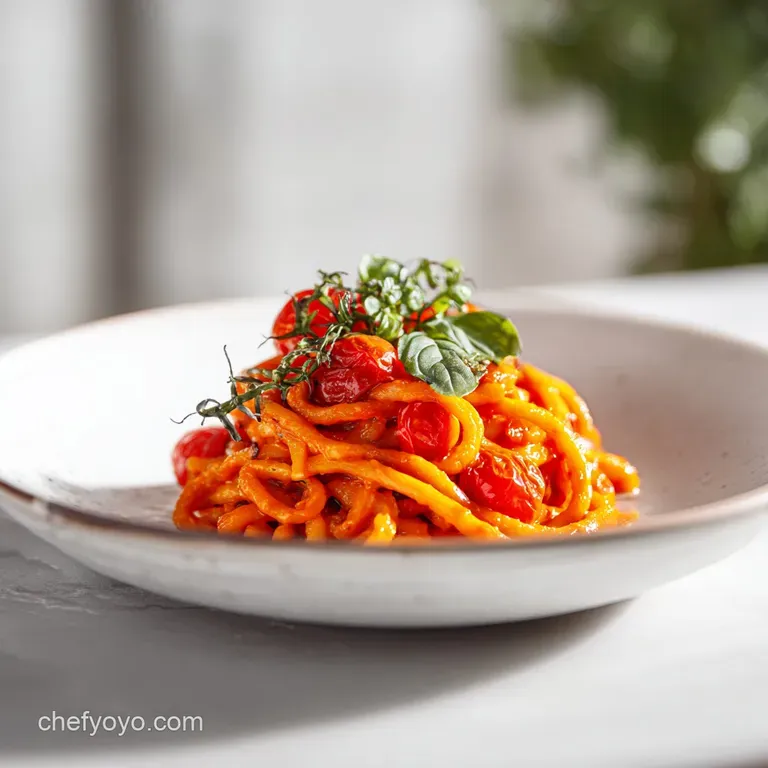
When plating, I like to use wide, shallow bowls. Give the pasta a final microplane dusting of Parmigiano and a few torn basil leaves. The visual of the dark, jammy tomatoes against the pale orange sauce and bright green spinach is stunning it looks contemporary and vibrant without trying too hard.
Enjoy it while it's steaming hot!
Recipe FAQs
Can I roast the tomatoes at a higher temperature to save time?
No, you should maintain the low temperature. The magic happens because the low heat (300°F/150°C) slowly caramelizes the sugars in the tomatoes without burning them, creating deep flavor.
How to ensure the sauce doesn't separate or look greasy when adding cream?
Use reserved starchy pasta water when combining. The starch in the water acts as an emulsifier, binding the fat from the cream and the tomato juices into a stable, velvety sauce.
Is it okay to use jarred or sun-dried tomatoes instead of fresh cherry tomatoes?
No, fresh cherry tomatoes are required for the correct texture. Jarred or sun-dried tomatoes are too dense or already dehydrated, preventing the essential slow roast moisture loss needed for the jammy base.
How to properly prepare the garlic so it doesn't burn during the 2-hour roast?
Smash the garlic cloves lightly before tossing them with the tomatoes and oil. Smashing releases the flavor compounds slowly, allowing the garlic to become sweet and buttery rather than turning sharp and acrid.
What is the best substitution if I don't have heavy cream available?
Use full fat coconut milk for a similar fat content. This will create a dairy-free alternative, though be aware it will impart a subtle nutty flavor to your final dish.
How long can I safely store the roasted tomato and garlic mixture ahead of time?
Yes, the roasted base can be made up to 3 days ahead. Store the roasted tomatoes and oil mixture in an airtight container in the refrigerator; just add the cream and pasta when ready to serve.
What technique from this recipe is transferable to making other creamy pasta dishes?
Mastering starch fat emulsification is the key transferable skill here. If you enjoyed nailing this stable sauce texture, see how the same principle of using starchy liquid to bind fats works when you learn the Garlic Parmesan Sauce recipe.
Creamy Tuscan Slow Roasted Tomato
Ingredients:
Instructions:
Nutrition Facts:
| Calories | 964 kcal |
|---|---|
| Protein | 24 g |
| Fat | 54 g |
| Carbs | 98 g |
| Fiber | 7 g |
| Sugar | 11 g |
| Sodium | 450 mg |
