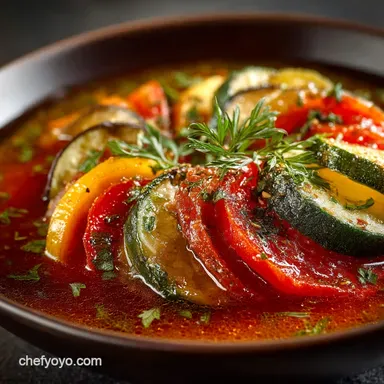
Provençal Sunshine the Ultimate Ratatouille Stew
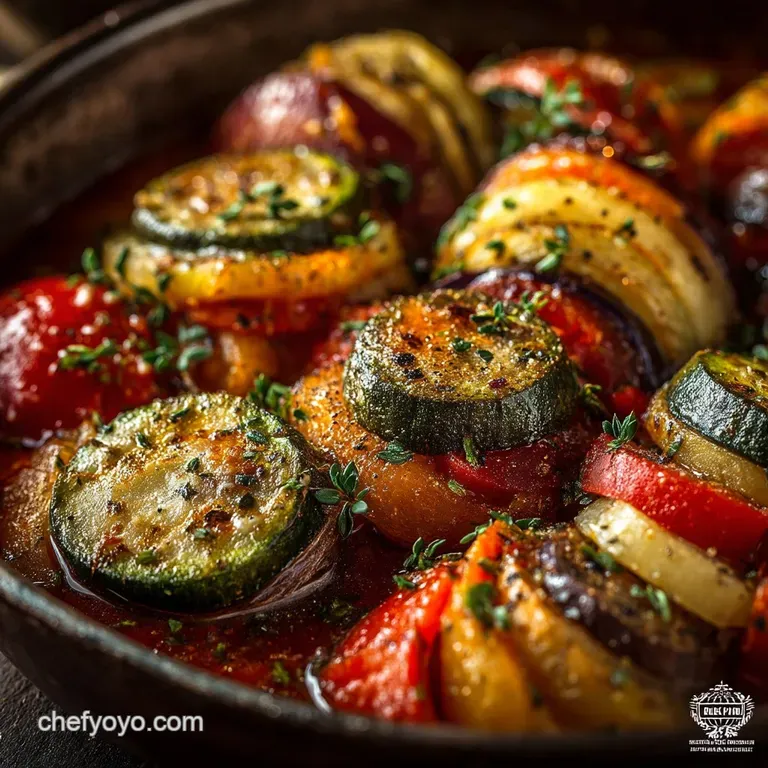
- Unlocking the Secret to Authentic Provençal Ratatouille
- Essential Harvest: Ingredients and Equipment Checklist
- Mastering the Staged Cooking Method for Deep Flavor
- Step-by-Step Guide to Constructing the Ultimate Ratatouille
- Expert Tips for the Best Texture and Depth of Flavor
- Recipe FAQs
- 📝 Recipe Card
Unlocking the Secret to Authentic Provençal Ratatouille
The name Ratatouille often conjures images of the South of France, a land blessed with vibrant sunlight and abundant summer harvests. This is truly the culinary embodiment of that region a rustic, deeply flavourful vegetable stew that is far greater than the sum of its humble parts.
Our focus here is on the authentic, traditional preparation, which relies heavily on patient, staged cooking to unlock maximum flavor and avoid the dreaded watery consistency. Mastering this time honored technique transforms simple garden vegetables into a truly luxurious dining experience.
Understanding the Heritage of This Rustic French Stew
Hailing specifically from Nice, the Classic French Ratatouille is an inherently democratic dish, traditionally made by local cooks using whatever bounty the garden provided. The ingredients are simple: aubergine (eggplant), courgette (zucchini), bell peppers, and ripe tomatoes, all slow cooked with garlic and herbs.
While the ingredients are straightforward, the trick to a brilliant outcome lies in preparation. It requires approximately 1 hour and 45 minutes of total time, much of which is dedicated to deliberate simmering, allowing the vegetables to gently meld into a rich, cohesive Provençal Ratatouille Stew.
The Essential Difference Between Confit Byaldi and Classic Ratatouille
Many people are familiar with the aesthetically perfect, thinly sliced and layered version popularized by the famous Pixar film. That dish is technically Confit Byaldi , a highly refined variation developed by renowned chef Michel Guérard.
Confit Byaldi involves slicing the vegetables paper thin and shingling them over a smooth purée, which is then baked. By contrast, the traditional Ratatouille recipe we are preparing here is a true, hearty stew.
The vegetables are coarsely diced (about 1 inch cubes) and cooked separately before being simmered together in a rich tomato base. This distinction is crucial: the classic version is rustic, texture rich, and deeply stewed, whereas the Confit Byaldi is refined, delicate, and oven baked.
Essential Harvest: Ingredients and Equipment Checklist
Success in preparing this dish starts with sourcing the freshest possible produce. Since Ratatouille highlights the natural sweetness of summer, using peak season vegetables will instantly elevate the quality of your finished stew. This is truly one of the most rewarding Summer Vegetable Recipes to master.
Selecting the Peak Summer Vegetables (Courgettes and Aubergine)
We rely on three primary stars: the courgette, the aubergine, and the sweet bell peppers (a mix of red and yellow provides the most stunning visual contrast). For this dish, aim for 600 grams of diced aubergine and 700 grams of courgette.
It is imperative that all main vegetables the aubergine, courgette, and bell peppers be diced uniformly into roughly 1 inch (2.5 cm) cubes. This step ensures that they cook evenly during the staged preparation and that the final texture is harmonious.
While optional, if you worry about the slight bitterness often found in aubergine, lightly salting the cubes and allowing them to drain in a colander for 30 minutes before rinsing and patting dry can improve the final flavor.
The Aromatic Base: Garlic, Onions, and Bouquet Garni
The foundation of flavor is built on a large yellow onion, four finely minced garlic cloves, and plenty of high-quality olive oil (we require a total of 120 ml, or ½ cup, divided throughout the process).
For the herbaceous lift, we use a simple bouquet of one bay leaf and one teaspoon of dried thyme added during the simmer, and then finish the dish with generous amounts of fresh basil (½ cup) and parsley (2 tablespoons) stirred in at the end.
The tomato component is a mix of structure and sauce: 2 large fresh, ripe tomatoes are chopped for texture, and an 800-gram (28 oz) can of diced tomatoes provides the rich liquid base.
Required Tools: Choosing the Right Dutch Oven or Skillet
Given the extended cooking time and the volume of vegetables (this recipe yields six generous servings), a large, heavy bottomed vessel is non-negotiable. A large Dutch Oven or a heavy bottomed stockpot is the perfect workhorse for this stew.
The dense material ensures excellent heat retention and distribution, which is crucial for properly sautéing the vegetables without scorching them or allowing them to steam.
You will also need a sharp chef’s knife for the extensive chopping and a sturdy wooden spoon for gentle stirring during the simmering process.
Related Recipes Worth Trying
- Showstopping Baked Ratatouille Recipe Confit Byaldi Style — Capture the sun of Provence This elegant baked ratatouille is layered with tomatoes courgettes and aubergine over a piperade sauce A truly fancy oven...
Mastering the Staged Cooking Method for Deep Flavor
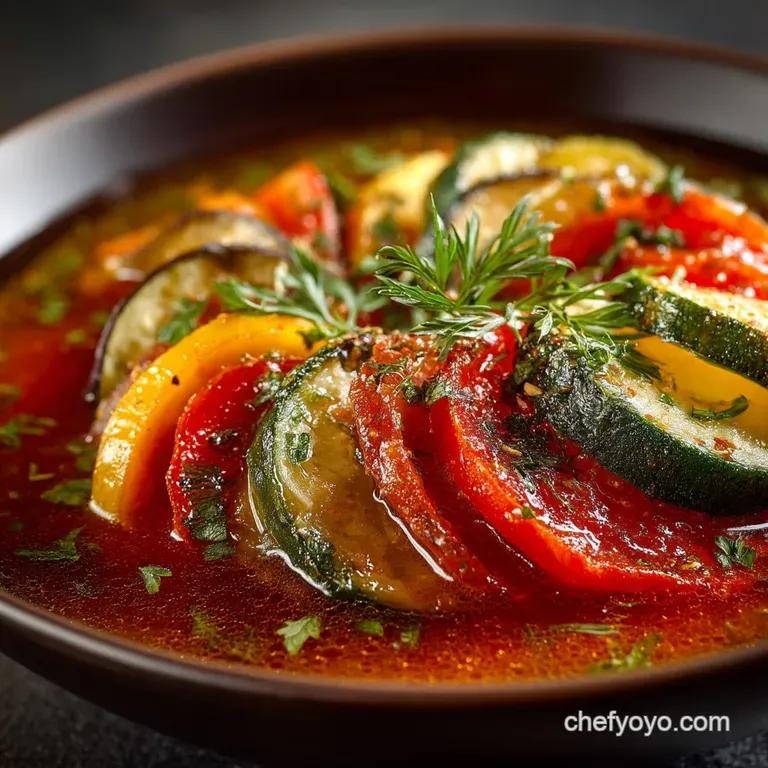
The key difference between a bland, watery vegetable soup and an intense, deep flavored Provençal Ratatouille Stew lies in embracing the staged cooking method. This technique, though requiring patience and about an hour and fifteen minutes of active cooking time, ensures that each vegetable reaches its peak flavor and texture individually before being merged into the sauce.
This process prevents the vegetables from overcrowding the pot, which would otherwise cause them to steam and release excess moisture. By cooking them separately, we allow the sugars to caramelize slightly and develop rich, nutty flavors, resulting in a complex and satisfying outcome.
Step-by-step Guide to Constructing the Ultimate Ratatouille
This approach walks you through How To Make Ratatouille with the necessary attention to detail, promising the most complex and satisfying result. The total preparation time is approximately 35 minutes of chopping, followed by a total cook time of 60 to 75 minutes.
Phase One: Preparing and Sautéing the Peppers and Zucchini Separately
Begin by heating the Dutch oven with the first portion of olive oil (60 ml). Add the uniformly diced yellow onion and bell peppers. Cook them over medium heat for 8 to 10 minutes, stirring occasionally, until they are beautifully softened and beginning to caramelize this builds the savory foundation.
Next, stir in the minced garlic for just one minute until fragrant, being careful not to let it burn. Remove this aromatic mixture and set it aside.
Using the now-empty pot, add the remaining 60 ml of olive oil and turn the heat to medium high. Add the diced aubergine. Sauté these cubes vigorously for 8 to 10 minutes until they are soft, browned, and have absorbed the oil, developing a wonderful depth of flavor.
Season lightly, then remove the aubergine and add it to the bowl with the aromatics. Finally, add the diced courgette to the pot. Cook for 5 to 7 minutes until the cubes are tender crisp and lightly golden, then season them before returning all the reserved vegetables to the pot.
Creating the Rich and Deeply Flavorful Tomato Concassé Base
Once all the sautéed vegetables are reunited, it is time to build the glorious red sauce. Pour in the entire can of diced tomatoes (undrained) and the fresh chopped tomatoes. Incorporate the dried thyme and the bay leaf, stirring gently but thoroughly to distribute the spices and aromatics.
The combination of canned and fresh tomatoes provides both the necessary liquid for the stew and bursts of fresh, bright flavor.
Gentle Simmering: Bringing All the Textures Together
Bring the entire mixture to a gentle, steady simmer. Immediately reduce the heat to low, cover the pot loosely, and allow the Ultimate Ratatouille Stew to bubble quietly for 45 to 60 minutes.
Stir the pot every 15 minutes to prevent the mixture from sticking to the bottom and ensure even cooking. The stew is ready when all the vegetables are meltingly tender, and the sauce has reduced significantly, thickening into a glossy, rich coating rather than a thin liquid.
Remove the bay leaf, stir in half of the fresh basil and parsley, and adjust the seasoning with salt and pepper to taste. Crucially, remove the pot from the heat and allow the ratatouille to rest, covered, for at least 15 minutes.
This resting period allows the myriad of flavors to properly marry, significantly enhancing the final result.
Expert Tips for the Best Texture and Depth of Flavor
Achieving the perfect, restaurant quality Ratatouille requires discipline in two key areas: vegetable preparation and the application of heat.
How to Achieve the Ideal Creamy, Non-Mushy Ratatouille Texture
The primary risk when preparing this dish is yielding a thin, watery mess. We combat this by adhering strictly to the separate sweating method. If you dump all the high moisture vegetables (courgettes and tomatoes) into the pot simultaneously, they will steam and release excess water, preventing any flavor development.
Proper sweating cooking the aubergine and peppers vigorously and separately in oil prevents this issue and builds crucial flavor depth. On top of that,, ensure you maintain a uniform dice for all your vegetables.
Cutting the aubergine, courgette, and peppers into consistent 1 inch cubes guarantees they will soften and melt into the sauce at the same time, preventing some pieces from turning to mush while others remain crunchy.
Storage and Reheating Guidelines for Meal Prepping
Ratatouille is an exceptionally good candidate for meal prepping, as its flavors intensify and deepen overnight, often tasting even better the next day. Once cooled completely, transfer the Ratatouille to an airtight container and refrigerate; it will keep beautifully for 4 to 5 days.
To reheat, simply place it back in a saucepan over medium low heat, stirring gently until warmed through. Avoid high heat or boiling, which can degrade the delicate texture you worked so hard to achieve.
Creative Ways to Serve This Versatile Vegetable Dish (Hot or Cold)
This Colorful Vegetable Dish is wonderfully versatile. While traditionally served hot or warm, it can also be enjoyed chilled as a robust cold salad or side dish. The classic pairing is simply hot, served alongside thick slices of crusty French bread (like a baguette) to mop up the rich, herby sauce.
For a more substantial meal, it functions beautifully as a sophisticated side dish accompanying grilled meats, such as roasted lamb or pan-seared fish. To elevate it to a vegetarian main course, serve large scoops topped with a crumble of fresh goat cheese (chèvre) or grated Parmesan, perhaps complemented by a simple glass of chilled Provençal rosé.
Recipe FAQs
Why did my Ratatouille turn out so watery? I followed the recipe exactly!
Don't fret, old chap, this is the most common pitfall! The trick to avoiding a soup is properly "sweating" the high moisture vegetables aubergine and courgette separately, as detailed in the instructions.
If you skip this step, the vegetables steam instead of brown, releasing too much liquid into the final stew. Be patient, let the water evaporate completely before combining, and remember that slow simmering reduces the sauce beautifully.
Is it really better the next day, and how long can I keep leftovers?
Absolutely, Ratatouille is a superstar when it comes to leftovers! Much like a good curry or chilli, allowing the stew to rest overnight lets the herbs and garlic properly marry the flavours, resulting in a much deeper taste. You can safely store leftovers in an airtight container in the refrigerator for 3 to 4 days.
If you've made a giant batch, pop it in the freezer for up to three months; just be aware the courgettes might lose a little firmness upon reheating.
This looks like a side dish. Can I make this a proper main course?
It’s incredibly versatile, so yes, it works brilliantly as a hearty main course! For a vegetarian feast, serve it over creamy polenta or spoon it onto thick slices of toasted sourdough topped with a dollop of fresh goat cheese (chèvre).
If you fancy adding protein, it pairs beautifully with tinned cannellini beans stirred in during the last 20 minutes of cooking, or you can bake an egg into individual portions for a quick, wholesome brunch.
I can’t get hold of aubergines. Are there any suitable substitutions for the main vegetables?
The beauty of this rustic dish is its flexibility! While aubergine and courgette are traditional workhorses, you could swap the aubergine for firm mushrooms (like portobello), diced sweet potato, or even chunks of peeled butternut squash.
Remember that firmer vegetables like squash will need a slightly longer cooking time than specified in the recipe. The most important thing is keeping the roughly 1 inch uniform size for even cooking.
That looks like a lot of olive oil! Is this a healthy meal?
Rest assured, Ratatouille is packed full of goodness! Although it uses a decent amount of olive oil (a healthy monounsaturated fat, essential in Mediterranean cooking), the vast majority of the dish is fibre rich vegetables, keeping the calorie count modest.
It's naturally vegan, gluten-free, and loaded with vitamins and antioxidants from the peppers and tomatoes. Think of the oil as helping your body absorb those fat-soluble vitamins it’s a win-win!
Classic Provencal Ratatouille Stew