Canned Tuna Croquettes Crispy Golden with Lemon Chives Pub Style
Elevating the Humble Store Cupboard Staple
Right then, let’s talk tuna. I know, I know. Canned tuna probably conjures up images of sad desk lunches or emergency dinners, but I am here today to absolutely change your mind. Treat that humble can correctly, and you don’t just get dinner, you get a party starter.
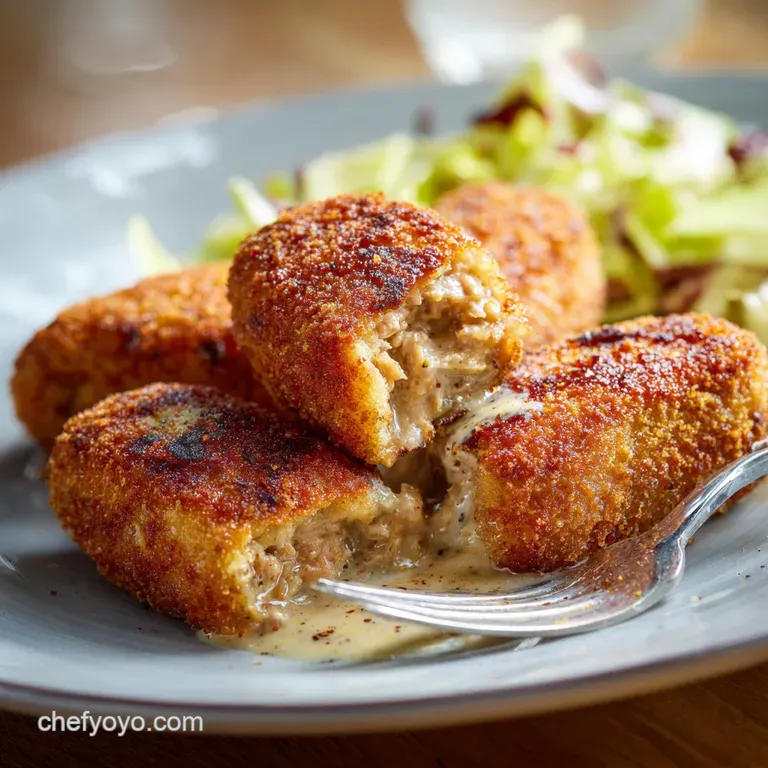
We are making Croquetas de Atún (Canned Tuna Croquettes), and these are not the dry, flat tuna patties of your youth. These are creamy, dreamy, sophisticated nibbles with a shatteringly crisp shell. We're going straight to restaurant quality here.
Why Canned Tuna Works Best for Croquettes
The beauty of canned tuna (and why it’s perfect for these specific Canned Tuna Croquettes ) is that it’s already cooked, super flaky, and boasts a powerful, concentrated flavor that stands up beautifully to the richness of the béchamel base.
If you try to use fresh tuna, you have to pre and cook it, and honestly, the texture often ends up too dry or too solid. What we want is that soft, almost disintegrated texture, and the stuff in the can delivers it perfectly.
It's affordable, it’s always in the pantry (my rule: never less than three cans on hand), and it transforms into the most magnificent little snack. It's the ultimate easy tuna recipe.
The Spanish Influence: Mastering the Masa (Béchamel Dough)
The secret to a real croquette isn't the filling; it's the masa , the creamy, thick béchamel dough that holds everything together. This is where most home cooks stumble, because they make a béchamel suitable for lasagne. Nope. We need a béchamel that is ridiculously stiff.
It must be so thick it’s practically a paste, capable of holding its shape when it slides out of the pan.
The crucial warning: If your béchamel is loose, your croquettes will melt into a greasy mess the second they hit the hot oil. Cook the roux (flour and butter) with the milk far longer than you think you should. It needs to hold its own weight.
I once failed spectacularly by rushing this step, scraping a semi and liquid mixture into the fridge only to find it was still too soft to roll hours later. It was tragic. Learn from my patience deficiency. Stir, stir, stir until it clings to the spoon and looks almost like mashed potatoes.
Sophistication in a Bite: Texture and Flavor Contrast
These small details are what separate a good croquette from a brilliant one. When you bite into one of these tuna croquettes, you want a specific experience. First, that beautiful, audible crackle from the Panko breadcrumbs.
Second, the immediate melt of the incredibly creamy béchamel filling, loaded with savoury tuna and a little pop of fresh lemon zest and chives. It’s all about contrast. The outside is hot, crisp, and golden. The inside is velvety and luxurious. It's sophisticated comfort food.
Securing Your Supplies: Essential Ingredients for Perfect Croquettes
This recipe relies on basic pantry items, which is another reason why it’s a winner. If you keep butter, flour, milk, and tuna on hand, you’re halfway there already.
Choosing the Right Tuna: Oil and Packed vs. Water and Packed
Okay, I have an opinion here, and it’s strong. While you can use water and packed tuna, the flavor profile is usually a bit duller. I prefer high and quality tuna packed in olive oil. It adds an extra layer of richness to the final croquette.
However, regardless of which canned tuna you pick, you must drain it ruthlessly. Use a fine and mesh sieve and press down on that tuna like you mean it. Any residual oil or water is poison to the béchamel dough’s structure.
Pantry List: Beyond the Béchael Base
Don't skimp on the little things here. A small addition of nutmeg, freshly grated if you have it (it makes a huge difference!), works magic with the dairy. And for the crunchiest shell, Panko breadcrumbs are non and negotiable. Standard breadcrumbs just don't offer the same airy, light crispness.
Equipment Check: Tools for Mixing and Frying
You don’t need a fancy deep fryer (though if you have one, use it). A heavy and bottomed Dutch oven or saucepan works just fine. The one piece of kit I absolutely insist upon is a thermometer. You simply cannot eyeball frying oil temperature accurately enough.
If your oil is too cool (below 325°F or 160°C), your canned tuna croquettes will soak up the grease and taste heavy. If it’s too hot (above 375°F or 190°C), the outside will burn before the filling is fully heated through.
Related Recipes Worth Trying
- Savory Canned Bean Baked Beans Quick Smoky Pub Grub Recipe — Master these Savory Canned Bean Baked Beans in under 75 mins Learn how to make Doctored Canned Baked Beans with bacon molasses and Worcestershire for a...
- The Ultimate Hack RestaurantStyle Canned Refried Beans in 15 Minutes — Stop serving flat beans Learn how to turn canned refried beans into restaurant style luxury Achieve rich smoky ultracreamy RestaurantStyle Canned Refried...
- Proper Creamy Tuna Noodle Casserole No Cans From Scratch — The ultimate creamy Tuna Noodle Casserole without soup Ditch the cans for our luscious scratchmade Mornay sauce Velvety rich and topped with a crispy Panko...
Step and by-Step Guide to Crafting Creamy Canned Tuna Croquettes
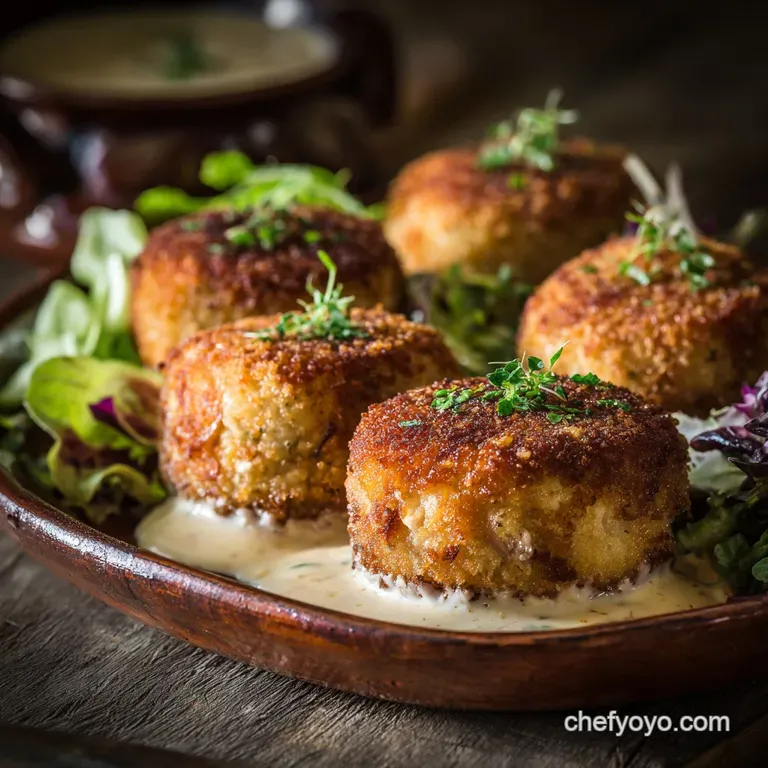
We’re breaking this down into three critical stages: building the creamy core, making it manageable, and giving it that killer crunch.
Frying Methods for a Flawless Golden Shell
Building the Velvety Filling: Sautéing the Aromatics
Before the flour even hits the butter, you need flavor. Melt your butter, add your finely minced shallots (or onion), and cook them low and slow until they are completely translucent. This takes about four minutes. You aren't aiming for colour; you're aiming for softness and sweetness.
Once you add the flour, cook that roux for another minute or two, stirring constantly, just to ensure you cook out that raw flour taste. That simple step is crucial for depth of flavor.
Setting the Dough: The Critical Cooling Phase
This is the hardest part for the impatient chef (like me). Once you've added your drained tuna, lemon, and chives to the stiff béchamel, scrape it out onto a plate or shallow baking dish. Why flatten it? To maximise the surface area, speeding up the cooling.
Press plastic wrap right down onto the surface of the dough. This prevents a rubbery skin from forming.
But what about the sogginess? It needs to chill until it’s rock hard. You should be able to press it with your finger and not leave a major dent. This usually means two hours minimum, but four hours, or even overnight, is better.
Uniform Shaping: Techniques for Perfect Ovals
You want these to look beautiful, right? Use a small spoon or a mini ice cream scoop to portion the cold dough. Roll it quickly between your palms into a log shape (about 2 inches long). Don't overwork the dough; your hands will warm it up, making it sticky.
If you have trouble, lightly dust your hands with a tiny bit of flour, but that usually means your dough wasn't cooked long enough in the first place.
The Triple Coat: Achieving the Ultimate Crunch
The triple coat (flour, egg wash, Panko) is the armour that protects the creamy interior. It also gives us that amazing, loud crunch. Dip thoroughly, but shake off any excess before moving to the next stage. Excess flour makes the egg slide off. Excess egg makes the Panko heavy and clumpy.
Once coated, give them that crucial final 30 minute rest in the fridge. This ensures the egg sets the Panko, preventing those devastating blow and outs during frying.
Deep Frying Safety and Temperature Control
Heat your oil to a steady 350°F (175°C). Always lower the croquettes gently into the oil using a slotted spoon, away from you. Never, ever overcrowd the pan. If you put too many cold croquettes into the hot oil, the temperature plunges, and you end up with greasy, heavy things.
Fry in batches of four or five, turning them gently until they are a deep, uniform golden brown (about 3– 4 minutes total). Drain immediately on a wire rack not paper towels laid flat. This allows air to circulate, keeping the bottom side crisp.
Air Fryer and Oven Baked Alternatives
Need a lighter option? Totally doable. You won’t get the exact same glorious deep and fried crunch, but you’ll get close. This works great for making tuna croquettes in the air fryer or oven.
- Air Fryer Method (For Canned Tuna Patties Air Fryer Style): Preheat the air fryer to 400°F (200°C). Spray the coated croquettes liberally with oil spray (or brush with a little olive oil). Cook for 10– 12 minutes, flipping halfway through, until beautifully golden.
- Oven Baked Method: Place oiled croquettes on a baking sheet lined with parchment. Bake at 400°F (200°C) for 15– 20 minutes, turning halfway, until golden and crispy. These methods turn them into excellent healthy canned tuna patties.
Troubleshooting and Expert Serving Suggestions
Expanding the Recipe: Flavor Variations and Customizations
Once you nail the classic Canned Tuna Croquettes recipe easy style, you can totally play around. If you want a Mediterranean vibe, add finely chopped olives and sun and dried tomatoes. If you love spice, incorporate a pinch of cayenne and smoked paprika into the béchamel.
- Cheese Please: Swap out the chives for a tablespoon of sharp grated Gruyère or Manchego cheese, mixed in at the end.
- Indian and Inspired: Add a teaspoon of mild curry powder to the flour when making the roux. Serve with a dollop of cooling yogurt.
- Use Up That Can: This basic canned tuna can recipe structure works for almost any canned protein, like salmon or even shredded chicken.
Serving Pairings: Dipping Sauces and Garnishes
A croquette needs a zingy dipping sauce to cut through the richness. My go and to is a homemade lemon aioli (easy peasy: good quality mayo, minced garlic, lemon juice, salt). You could also serve them with:
- A punchy saffron and infused mayo.
- A spicy, smoky romesco sauce.
- A simple side of fresh rocket (arugula) dressed lightly in a sharp vinaigrette.
Handling Soft Dough: Fixes for a Sticky Mixture
If, despite my warnings, your dough is too sticky to roll after chilling (it happens, maybe your milk was too warm or you rushed the cooking), here’s the fix:
- Melt 1 more tablespoon of butter in a clean pan.
- Add 1 tablespoon of flour and cook for 30 seconds.
- Add the soft dough back into this new, thick roux.
- Stir vigorously over medium heat for 2– 3 minutes until it tightens up completely.
- Re and chill. Don't worry, you rescued it!
Maximizing Shelf Life: Freezing Instructions for Future Snacking
These are brilliant to make in bulk. Once you've gone through the triple and coat process (flour, egg, Panko), place the shaped, uncooked croquettes on a baking sheet and freeze them solid (about two hours). Once solid, transfer them to a freezer and safe bag or airtight container. They keep well for up to 3 months.
Do not thaw before cooking. Fry them straight from frozen, adding an extra 1– 2 minutes to the cooking time to ensure the center is heated through.
Make It Ahead: Preparing Canned Tuna Croquettes for Entertaining
This is the ultimate make and ahead party food. You can prepare the dough up to three days in advance and keep it chilled. Shape and coat them the morning of your event, keep them chilled, and then just fry (or air fry) them off in batches when your guests arrive. Easy entertaining, minimal stress.
Nutritional Breakdown: Calories and Protein Content
If you're tracking macros, these make great protein snacks (hello, canned tuna patties healthy). While deep frying adds fat, using the air fryer keeps them lean.
- High in Protein: Canned tuna gives us a massive protein boost.
- Fats: These come primarily from the butter in the béchamel and the frying oil (less if air frying).
- Carbs: Mostly from the flour in the béchamel and the Panko coating.

Recipe FAQs
My béchamel is too sloppy it’s more soup than dough! What went wrong with my Canned Tuna Croquettes?
This is usually down to two things: not draining the tuna ruthlessly, or not cooking the roux long enough. You must cook the dough until it pulls away from the pan as one cohesive, solid mass; if still too soft, mix a spoonful of cornflour with cold milk and cook for another minute.
I keep getting blow outs when frying, or they turn out terribly greasy. Any tips to stop that frightful mess?
Blow outs typically happen if the dough wasn't fully chilled or if the coating wasn't secure; ensure you perform the crucial double chill (before shaping and after breading). Greasiness means your oil temperature was too low, so keep it steady at 350°F (175°C) and don't overcrowd the pan.
Can I make the mixture and prep these ahead of time for a party, like a proper Brit planning a picnic?
Absolutely; these are brilliant for batch cooking! You can prepare the mixture (the masa) up to two days ahead, or shape and bread the finished croquettes and freeze them, frying directly from frozen (adding 1 2 minutes to the cook time).
Should I use tuna packed in oil or brine for the best flavour in these Canned Tuna Croquettes?
Tuna packed in oil (like quality olive oil) generally offers a richer flavour and better texture, but either works, provided you drain the fish mercilessly before adding it to the béchamel. If using brine packed tuna, ensure you season the dough robustly to compensate for the lack of rich fats.
I’m trying to cut down on frying. Can I bake or air-fry these instead of deep frying?
Yes, baking or air-frying works a treat if you prefer less fuss, though you won't get the same deep, crunchy crust. Lightly brush the coated croquettes with oil and cook them at 400°F (200°C) for 15 20 minutes, turning halfway, until they achieve a pleasing golden hue.
Crispy Canned Tuna Croquettes Recipe
Ingredients:
Instructions:
Nutrition Facts:
| Calories | 129 kcal |
|---|---|
| Protein | 6.0 g |
| Fat | 8.0 g |
| Carbs | 8.0 g |
