The Best Dutch Apple Pie Recipe: No Soggy Bottom!
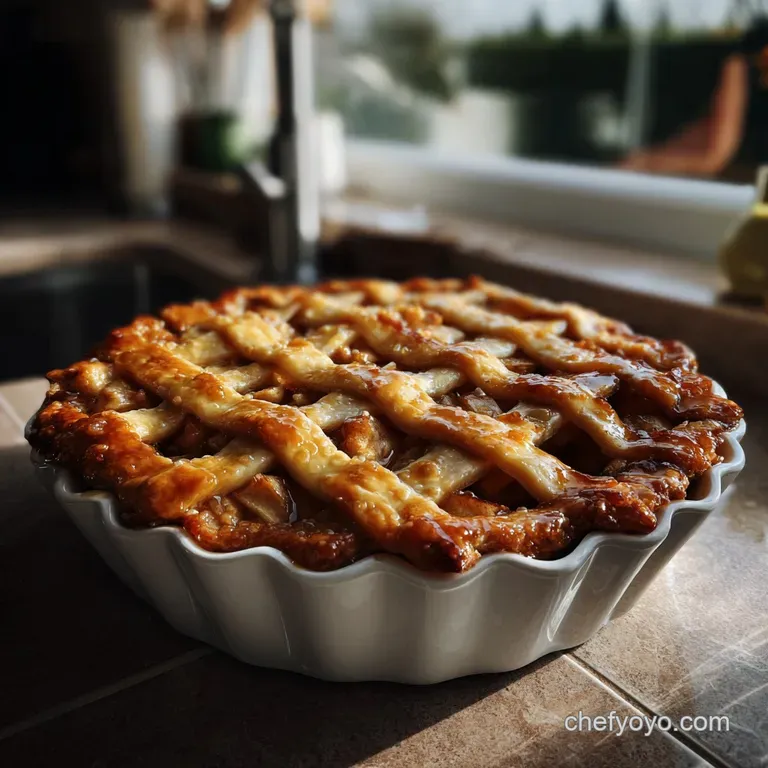
- Effort/Time:45 minutes prep, 1 hour bake
- Flavor Hook: Warm cinnamon-spiked tartness with a salty-sweet oat finish
- Perfect for: Holiday-centered gatherings or Make-Ahead Sunday desserts
- The Ultimate Deep-Dish Dutch Apple Pie Recipe
- Why This Homemade Dutch Apple Pie Recipe Works
- Essential Ingredients and Recommended Substitutions
- Step-by-Step Instructions for This Dutch Apple Pie Recipe
- Pro Tips and Mistakes to Avoid
- Storage, Reheating, and Freezing Guidelines
- Serving Suggestions for the Best Experience
- Recipe FAQs
- 📝 Recipe Card
The Ultimate Deep Dish Dutch Apple Pie Recipe
Why This Homemade Dutch Apple Pie Recipe Works
The aroma of cinnamon sugar hitting a hot oven is the ultimate kitchen siren song. Most bakers struggle with a "soup" of apple juice at the bottom of the dish, but this dutch apple pie recipe relies on maceration and starch thickening to lock that syrup onto the fruit.
You won't find a sad, watery slice here; instead, you get a structurally sound wedge that stands tall on the plate.
I remember my first attempt at a dutch apple pie recipe—it was a literal puddle. I didn't understand that apples release nearly 30% of their weight in liquid when heated.
This version uses a precise ratio of 2 tablespoons of King Arthur All-Purpose Flour in the filling to create a velvety gel that binds the 1kg of tart apples together.
The secret lies in the temperature delta between the ice-cold Kerrygold butter and the preheated Lodge Pie Plate. By keeping the fats solid until they hit the heat, we create steam pockets that ensure the crust shatters rather than slumps.
This dutch apple pie recipe is the result of years of testing how to balance the high moisture of fresh fruit with the delicate physics of a buttery shortcrust.
Why This Homemade Dutch Apple Pie Recipe Works
Starch Gelatinization: The 2 tablespoons of flour in the filling absorb apple juices at 175°F, turning thin liquid into a thick, clingy glaze.
Pectin Retention: Using tart apples like Granny Smith ensures the fruit holds its shape because their higher acidity prevents the pectin cell walls from collapsing during the 1 hour bake.
Fat Insulation: Mixing the oats and flour with cold butter for the topping creates a moisture barrier, preventing the fruit's steam from softening the crumble.
Steam Leavened Flakiness: Large chunks of cold butter in the base crust vaporize instantly in the oven, lifting the flour layers into distinct, crispy sheets.
Defining the Classic Dutch Apple Texture
A true dutch apple pie recipe is defined by the contrast between the tender, yielding fruit and the aggressive crunch of the topping. Unlike a traditional double crust pie, which can feel heavy or doughy, the streusel allows steam to escape freely.
This creates a concentrated apple flavor that isn't diluted by trapped moisture, making every bite of this apple pie recipe punchier.
The texture of the fruit should be "al dente" meaning it offers a slight resistance to the tooth rather than being a mushy sauce. By slicing the apples exactly 1/4 inch thick, we ensure they soften through to the core while maintaining their structural integrity.
This architectural approach is what separates a masterclass dutch apple pie recipe from a standard cafeteria version.
The Science of Balancing Sweet and Tart Flavors
We use a 0.5 cup of granulated sugar and 0.25 cup of light brown sugar in the filling to hit two different notes. The granulated sugar provides a clean sweetness that lets the apple's natural malic acid shine.
Meanwhile, the brown sugar introduces molasses, which adds a deep, caramel like complexity that pairs with the 1 teaspoon of ground cinnamon.
This balance is critical in a dutch apple pie recipe because excess sugar can actually draw too much water out of the fruit too fast. By using 1 tablespoon of lemon juice, we lower the pH of the filling.
This acidity doesn't just brighten the flavor; it also reinforces the pectin, ensuring the apples don't turn into applesauce under the heat.
How Streusel Compares to Traditional Pie Crust
Streusel is a different beast than pastry because it lacks a developed gluten network. In the base crust, we want some gluten to hold the shape, but in the topping of this dutch apple pie recipe, we want short, crumbly textures.
The 0.5 cup of old-fashioned rolled oats provides a mechanical break in the flour, preventing the topping from becoming a solid, hard sheet.
When the 0.5 cup of cold, cubed butter melts into the 100g of light brown sugar, it creates a "toffee" effect on the surface of this apple pie recipe. This provides a sensory "snap" that a top pastry crust simply cannot achieve.
It is the high ratio of fat to flour in the topping that produces that coveted "melt-in-your mouth" sensation.
Creating the Signature Deep Dish Apple Layer
This dutch apple pie recipe calls for 7 cups (1kg) of apples, which might seem like an impossible mountain when raw. However, as the fruit cooks, it loses volume. Stacking the slices tightly in a concentric circle minimizes air pockets, ensuring that when the pie settles, you don't end up with a huge gap between the fruit and the topping.
I’ve found that a deep dish approach is the only way to do this dutch apple pie recipe justice. Using a 9 inch Lodge Cast Iron Pie Pan helps distribute heat more evenly than glass, which is vital when you have such a dense mass of fruit to cook through.
It’s the difference between a soggy center and a perfectly caramelized base.
Essential Ingredients and Recommended Substitutions
| Original Ingredient | Substitute | Why It Works |
|---|---|---|
| Kerrygold Unsalted Butter (0.5 cup) | Miyoko’s Vegan Butter | High fat content (80%+) maintains the flaky lamination. |
| King Arthur AP Flour (1.5 cups) | Cup4Cup gluten-free Flour | Contains xanthan gum which mimics the protein structure needed for the base. |
| Light Brown Sugar (0.5 cup) | Coconut Sugar | Similar hygroscopic properties but adds a toasted, nutty depth. |
| old-fashioned Oats (0.5 cup) | Chopped Pecans | Provides the same structural "crunch" but with more healthy fats. Note: Denser result. |
Selecting the Best Apple Varieties for Baking
For a world class dutch apple pie recipe, you need a high acid apple. Granny Smith is the gold standard because its high pectin content and low pH (around 3.0) keep it firm.
If you want a more complex flavor, I suggest mixing them with Honeycrisp, which adds a honey like sweetness and a "shatter" texture even after baking.
Avoid "eating" apples like Red Delicious or Gala in this apple pie recipe. These varieties have a weak cellular structure that collapses into a grainy puree when exposed to prolonged heat.
A 1kg batch of the wrong apples will ruin the structural integrity of your dutch apple pie recipe, leaving you with a collapsed center.
Pantry Essentials for the Cinnamon Streusel Topping
The 45g of old-fashioned rolled oats are the unsung hero of the dutch apple pie recipe. They act as little sponges, soaking up any rogue steam while providing a rustic, chewy contrast to the 125g of all-purpose flour.
Make sure you use "old-fashioned" and not "instant" oats; instant oats are pre-steamed and will turn to mush in the oven.
I always use Diamond Crystal Fine Sea Salt (0.25 teaspoon) in my topping. The fine grain ensures even distribution, which is vital because salt is the only thing that keeps the 100g of brown sugar from tasting cloyingly sweet.
It bridges the gap between the butter and the spices, making this dutch apple pie recipe taste professionally balanced.
Buttery Pie Crust Components
The base of this dutch apple pie recipe requires 113g of ice-cold unsalted butter. By "ice-cold," I mean it should be just short of frozen. When you cut this into the 190g of flour, you are essentially "plating" the flour with fat.
This prevents water from over hydrating the flour, which would lead to a tough, rubbery crust.
The 4 tablespoons of ice water must be added one tablespoon at a time. The goal is to reach a "shaggy" state where the dough just barely holds together when squeezed. In this dutch apple pie recipe, less hydration means more flakiness.
Over mixing at this stage is the #1 reason for pie failure handle the dough as little as possible to keep the fats from melting.
Adjusting for gluten-free or Vegan Diets
If you need a gluten-free dutch apple pie recipe, focus on the topping first. You can swap the 1 cup of flour for almond flour, but be aware that almond flour burns faster. You'll need to tent the pie with foil for the last 20 minutes of baking.
The fat content is higher in almond flour, so your crumble will be more "velvety" than "crunchy."
For a vegan apple pie recipe, cold coconut oil (the solid kind) works for the streusel but can be tricky for the base crust. I recommend a high-quality plant based butter stick.
This ensures you still get that 1 hour bake time without the fats breaking down prematurely and making the bottom of your dutch apple pie recipe greasy.
step-by-step Instructions for This Dutch Apple Pie Recipe
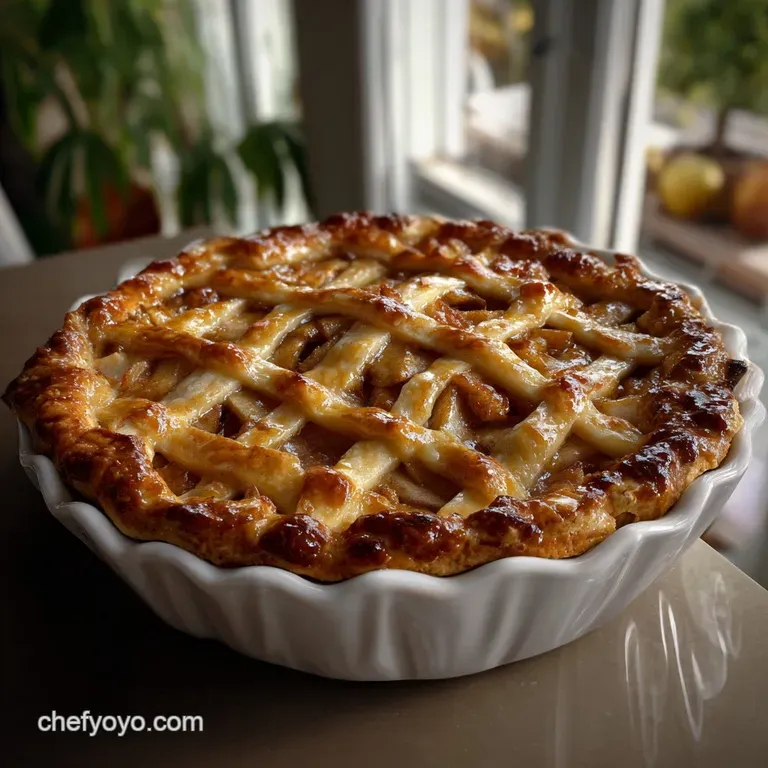
Preparing and Chilling the Flaky Bottom Crust
- Whisk 1.5 cups (190g) flour, 0.5 tsp salt, and 1 tbsp sugar in a Pyrex bowl.Note: Dry blending ensures the seasoning is evenly distributed before fats are introduced.
- Cut in 0.5 cup (113g) cold cubed butter using a pastry blender.Note: You want pea-sized lumps of fat to create steam vents during baking.
- Drizzle in 4 tbsp ice water gradually while tossing with a fork.Note: Hydration activates the gluten; stop as soon as it clumps to avoid toughness.
- Form into a disk, wrap in plastic, and chill for at least 30 minutes. Note: Chilling relaxes the gluten and re-solidifies the butter for maximum "shatter".
Macerating the Spiced Apple Filling
- Peel, core, and slice 1kg of tart apples into 1/4 inch crescents.Note: Uniform thickness ensures every slice finishes cooking at the same moment.
- Toss apples with 1 tbsp lemon juice immediately in a large bowl.Note: The acidity halts enzymatic browning and preserves the fruit's vibrant color.
- Fold in 0.5 cup granulated sugar, 0.25 cup brown sugar, 2 tbsp flour, and spices.Note: The sugar draws out moisture, which the flour then converts into a thick syrup.
- Let the mixture sit for 15 minutes while you prepare the topping. Note: Pre-releasing the juices prevents "gaposis" between the fruit and the crust.
Cutting the Butter into Your Streusel Crumble
- Combine 1 cup flour, 45g oats, 100g brown sugar, cinnamon, and salt.Note: Oats provide surface area for the butter to cling to, creating large clumps.
- Work 0.5 cup (113g) cold butter into the mix with your fingertips.Note: Hand mixing allows you to feel the texture, ensuring you don't over process into a paste.
- Squeeze small handfuls together to create varied "clump" sizes.Note: Irregular sizes create a more interesting sensory experience and better crunch.
- Refrigerate the crumble until you are ready to assemble the pie.Note: Keeping the topping cold prevents it from melting into the fruit during the bake.
Assembling and Baking to Golden Perfection
- Roll out the chilled dough and fit it into a 9 inch Lodge Pie Plate.Note: Trim and crimp the edges to provide a sturdy "wall" for the heavy filling.
- Pile the 1kg of apple filling into the crust, mounding it in the center.Note: The fruit will shrink; a high mound prevents a flat looking finished pie.
- Distribute the chilled streusel topping evenly over the entire surface.Note: Ensure no apples are exposed, as the topping acts as an insulator.
- Bake at 400°F for 20 minutes, then drop to 375°F for 40 minutes. Note: The initial blast of heat sets the bottom crust, preventing the dreaded soggy bottom.
- Cool for 2 hours before slicing to allow the starch to fully set. Note: Slicing too early will cause the velvety syrup to run out, leaving a dry pie.
Pro Tips and Mistakes to Avoid
Chef's Note: If the edges of your dutch apple pie recipe are browning too fast, don't just lower the heat. Use a "pie shield" or a simple strip of aluminum foil to cover only the outer crust. This allows the dense 1kg of apples in the center to continue reach a safe 175°F internal temperature without burning the perimeter.
How to Prevent a Soggy Bottom Pie Crust
The biggest mistake people make with this dutch apple pie recipe is putting a cold pie onto a middle rack. To fix this, place a heavy duty baking sheet on the lowest rack during preheating.
When you slide your pie onto that screaming hot sheet, the conduction heat immediately starts searing the bottom crust. This creates a waterproof barrier before the apple juices have a chance to soak in.
Also, don't skip the 2 tablespoons of flour in the filling. While it's tempting to want "pure fruit," the flour is what captures the 40.2g of sugar and fruit liquid. This creates a "jammy" layer right above the crust that protects it. If you’ve mastered the savory side with something like my Chicken and Noodles Recipe: Velvety Sauce in 45 Mins, you already know the power of a good roux like thickener!
Achieving Large, Crunchy Streusel Clumps
For the best dutch apple pie recipe, you want boulders, not sand. The trick is to "over mix" the topping just a tiny bit with your hands. Squeeze the mixture until it forms a solid ball, then break it apart into 1/2 inch pieces.
This ensures that the 113g of butter is fully integrated with the 45g of oats.
If your topping is too fine, it will sink into the gaps between the apples. By creating these larger clumps, you're building a "roof" over the pie. The oats will toast, and the brown sugar will undergo the Maillard reaction, giving you a deep, nutty flavor that defines this apple pie recipe.
| Problem | Why It Happens | The Fix | Pro Protocol |
|---|---|---|---|
| Liquid "Soup" | Apples didn't macerate or insufficient flour. | Let filling sit 15 mins; use exactly 2 tbsp flour. | Use a digital scale for the 15g of flour to be exact. |
| Burnt Topping | High sugar content + too high rack position. | Move to lower third of oven; tent with foil. | Use a Laser thermometer to ensure oven is actually 375°F. |
| Tough Crust | Over working the dough (gluten development). | Use "pulse" method; keep butter visible in chunks. | Chill all tools (bowl, fork) in the freezer for 10 mins. |
Common Myths
Myth: You must use 5 6 different types of apples for a good dutch apple pie recipe. Truth: While a mix adds complexity, a 100% Granny Smith pie is structurally superior and provides a more consistent tart-to-sweet ratio.
Myth: Peeling apples is optional. Truth: In a 1 hour bake, apple skins become tough and "papery." For the "velvety" texture this apple pie recipe demands, peeling is mandatory.
Storage, Reheating, and Freezing Guidelines
Storing Leftovers to Maintain Crispness
Do not wrap a warm dutch apple pie recipe in plastic wrap. The residual steam will turn your crispy streusel into a soggy sponge in minutes. Instead, let the pie cool completely on a wire rack for at least 3 hours.
Once cool, cover it loosely with foil and store it at room temperature for up to 2 days.
If you need to keep it longer, move it to the fridge. The sugar and acidity act as natural preservatives, but the fridge will eventually draw moisture into the crust. For the best experience, I recommend eating this dutch apple pie recipe within 48 hours of baking.
It's so good, it rarely lasts that long anyway!
Instructions for Freezing and make-ahead Baking
You can freeze this apple pie recipe either before or after baking. To freeze unbaked, assemble the pie but don't add the topping. Freeze the filling filled crust and the topping in separate airtight bags.
When ready, add the topping and bake from frozen, adding about 20 minutes to the total time.
If freezing a fully baked dutch apple pie recipe, wrap it in two layers of plastic wrap and one layer of heavy duty foil. It will stay fresh for up to 3 months. To serve, thaw it overnight in the fridge. The crust might lose some "shatter," but a quick stint in a hot oven will bring it back to life.
Reheating for the "Just Baked" Experience
Never use a microwave for this dutch apple pie recipe. The microwave excites water molecules, which will turn the crust rubbery. Instead, use a 350°F oven for 10 15 minutes. This re-melts the butter in the streusel and recrisps the base. If you're serving this as part of a larger meal, perhaps after a main course with How to Make Brown Gravy: Glossy, No-Dripping Recipe, just pop the pie in as you sit down to eat.
Serving Suggestions for the Best Experience
The Classic À La Mode Serving Style
A slice of this dutch apple pie recipe is practically begging for a scoop of high-quality vanilla bean ice cream. The heat from the 1 hour bake creates a temperature contrast with the frozen cream that is the hallmark of a masterclass dessert.
As the ice cream melts, it mingles with the cinnamon spiced apple syrup, creating a self saucing masterpiece.
Optional Garnishes: Caramel Drizzle and Whipped Cream
If you want to go over the top, a drizzle of salted caramel over the oat topping adds a "glassy" finish. The salt in the caramel pulls out the hidden notes of the 1kg of tart apples.
Alternatively, a dollop of unsweetened whipped cream can help cut through the 40.2g of sugar per serving, making the best dutch apple pie recipe feel lighter on the palate.
Ultimately, this dutch apple pie recipe is about the harmony of simple, high-quality ingredients. Whether you’re making this apple pie recipe for a holiday or just a Tuesday treat, the combination of flaky pastry, jammy fruit, and crunchy oats is a timeless win.
This dutch apple pie recipe has been a staple in my kitchen since I figured out the secret to that crispy bottom now it's yours to master.
Recipe FAQs
How do I prevent a soggy bottom crust?
Baking initially at 425°F eliminates moisture migration. High initial heat flashes off steam trapped between the base dough and the wet filling. This sets the starches quickly before they absorb excess liquid.
- Use a glass or ceramic pie dish
- Blind bake for 15 minutes
- Ensure apples are tossed in pectin stabilizer
Should I use Granny Smith apples exclusively?
No. A blend provides superior texture and flavor balance. Granny Smiths offer necessary tartness, but softer apples like Honeycrisp prevent the filling from becoming overly firm. This variety mimics the complexity in our Butter Cookie Recipe: The Best Homemade Crumbly Biscuits.
Is the oat crumble topping necessary?
Yes. It adds crucial textural contrast.
What spice combination yields the warmest flavor?
A 3:2:1 ratio of Cinnamon, Nutmeg, and Allspice. These volatile aromatics synergize best when bloomed briefly in melted butter before incorporation. This technique maximizes flavor extraction, similar to how we bloom spices in our Garlic Butter Recipe: The Ultimate Classic Herb Infused Butter.
Can I use instant oats instead of rolled oats?
Myth: Instant oats work identically to old-fashioned rolled oats. Reality: Instant oats are pre-cooked and pulverized, resulting in a sandy, overly soft topping that dissolves into the filling. Rolled oats retain structural integrity, providing the required crunch.
How long does the finished pie keep refrigerated?
Four days when stored airtight. Moisture migration accelerates softening after the second day; refrigeration slows enzymatic degradation of the crust structure.
Can I use a standard 9 inch pie plate instead of a deep dish?
A standard pan requires reduced filling volume. Deep dish demands 25% more apple mass for structural integrity; using a standard pan risks overflow and uneven baking. Consider a reduction of about 250g apples if size constraints apply.
Crispy Dutch Apple Pie Recipe
Ingredients:
Instructions:
Nutrition Facts:
| Calories | 502 kcal |
|---|---|
| Protein | 4.5 g |
| Fat | 20.7 g |
| Carbs | 75.8 g |
| Fiber | 2.7 g |
| Sugar | 40.2 g |
| Sodium | 200 mg |
