The Sunday Roast Cheat Crispy Garlic Herb Baked Chicken Thighs
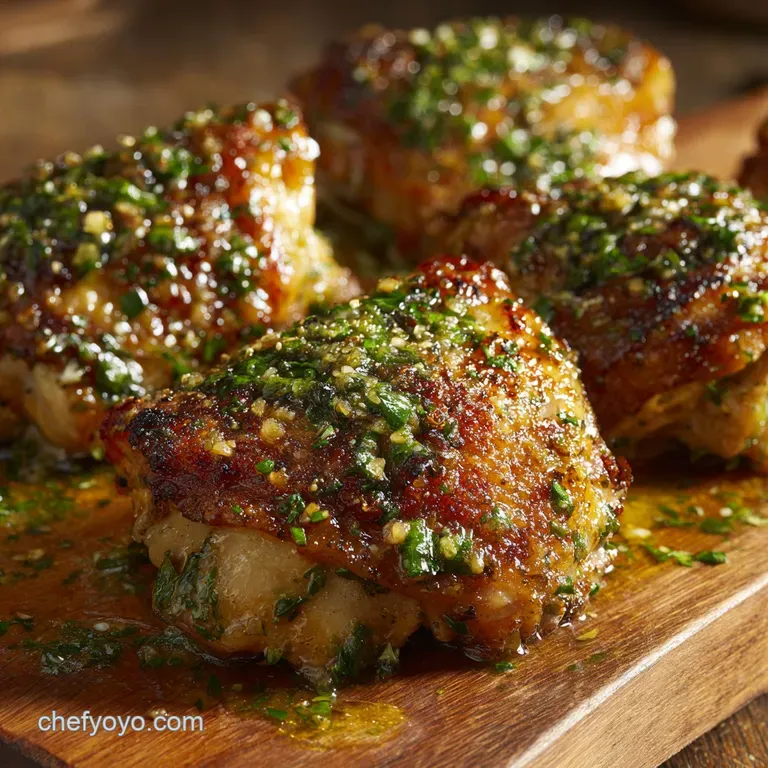
- Maximizing Flavor: Why Chicken Thighs Reign Supreme
- Achieving the Holy Grail: High Heat Secrets for Crispy Skin
- Gathering Your Arsenal: Pantry Staples and Essential Poultry Prep
- Essential Equipment for Flawlessly Crispy Results
- The 5-Minute Prep Routine: Rubbing and Resting the Meat
- Oven Science: Temperature Zones and Monitoring Internal Doneness
- Troubleshooting Common Issues with Oven Baked Chicken Thighs
- Creative Variations and Serving Suggestions
- Handling Leftovers: Storage and Reheating Techniques
- Recipe FAQs
- 📝 Recipe Card
Maximizing Flavor: Why Chicken Thighs Reign Supreme
When designing the ultimate centerpiece for a fuss free meal, the chicken thigh is simply unbeatable. Unlike the often temperamental breast, this darker cut of poultry boasts a higher fat content and rich connective tissue, translating directly into superior flavor and unparalleled resilience.
Mastering a Baked Chicken Thighs recipe means embracing a cut that is nearly impossible to ruin, even under high heat. While other meats require diligent monitoring, the robust structure of the thigh ensures that you achieve truly Juicy Baked Chicken every time, making it the perfect foundation for bold rubs and simple cooking methods.
It’s the ultimate secret weapon for the home cook looking to achieve 'roast chicken' flavor with weeknight effort.
Achieving the Holy Grail: High Heat Secrets for Crispy Skin
The goal of perfectly baked chicken thighs in oven is twofold: melt-in-your mouth interior tenderness and a shatteringly crisp exterior. We achieve this critical contrast by employing a high initial temperature.
By starting the oven at a scorching 425°F (220°C), we shock the skin, rendering the fat quickly and efficiently. This intense heat quickly dries out the surface moisture the enemy of crispness and begins the Maillard reaction, yielding that deep, golden brown color we crave.
Following this initial blast, we reduce the temperature to 375°F (190°C) to allow the meat to cook gently through to final doneness without burning the carefully applied herb crust.
Escaping Dry Chicken Syndrome (The Thigh Advantage)
The inherent structure of the chicken thigh is your greatest asset in the quest for succulence. The presence of intramuscular fat means the meat remains moist even when cooked past the standard 165°F (74°C) safety threshold required for breast meat.
In fact, thighs are at their most tender and buttery when cooked to an internal temperature of 175°F (80°C). This slightly higher thermal sweet spot allows the collagen and connective tissues to fully break down, resulting in a texture that is far more yielding and luxurious than any dry breast could ever offer.
This forgiveness makes cooking baked chicken thighs bone in a fundamentally stress free experience.
The Mediterranean Marinade: Building the Essential Herb Crust
Our signature flavor profile hinges on a simple, yet potent, Mediterranean inspired dry rub. This blend features staples like garlic powder, oregano, thyme, and a crucial dash of smoked paprika.
The combination of these dried herbs creates a robust, aromatic crust that encapsulates the juices during the high heat cooking process. Unlike fresh herbs, dried herbs are less prone to scorching under intense oven temperatures, ensuring the complex flavors penetrate the skin and render fat efficiently.
The paprika adds not only a subtle, smoky depth but also contributes significantly to the final, appetizingly deep color of the finished dish.
Debunking Myths About Perfectly Baked Chicken Thighs
One persistent myth is that chicken should always be cooked to 165°F (74°C). While this is the universally accepted safe temperature for poultry, sticking strictly to this number often means you are pulling thighs out before they reach their peak tender texture.
As mentioned, the higher collagen content in thighs benefits immensely from reaching 175°F (80°C). Another common mistake is skipping the rest time. Even five minutes allows the internal juices, which have been pushed to the center of the thigh during cooking, to redistribute throughout the meat, maximizing tenderness and moisture upon serving.
Gathering Your Arsenal: Pantry Staples and Essential Poultry Prep
Successful Baked Chicken Thighs require very few specialty ingredients, relying instead on high-quality pantry staples. You’ll need eight bone-in, skin-on thighs, a good quality Extra Virgin Olive Oil to bind the rub, and a mix of kosher salt, pepper, garlic powder, dried oregano, dried thyme, and smoked paprika.
Crucially, before any seasoning is applied, preparation must involve thoroughly patting the chicken skin dry using paper towels. This step cannot be overstated, as removing surface moisture is the absolute prerequisite for achieving crispy skin. Moisture will steam the skin instead of allowing it to crisp.
Essential Equipment for Flawlessly Crispy Results
The right tools simplify high heat baking dramatically. While you need a standard large rimmed baking sheet, the true secret weapon is a wire cooling rack placed directly inside the sheet pan. This elevation is absolutely vital.
It ensures that air circulates completely around the entire thigh, preventing the bottom side from sitting in rendered fat and becoming soggy. On top of that,, an instant read digital meat thermometer is non-negotiable for accuracy, guaranteeing that you pull your baked chicken thighs at precisely the moment they hit the perfect internal temperature of 175°F (80°C).
Salt and Acid: The Crucial Steps Before Seasoning
Salt, specifically kosher salt due to its crystal structure and purity, is the most important component of the rub. Not only does it enhance flavor, but when applied early, it helps draw out remaining moisture from the skin, aiding the crisping process.
We bind this salt and-spice mixture to the dry skin using a light drizzle of olive oil. The oil serves as a thin layer of fat, promoting even browning and helping the herbs adhere uniformly across the surface before the thighs go into the oven.
Identifying the Ideal Cut (Bone-In vs. Boneless/Skinless)
For this specific recipe aiming for maximum flavor and crispness, the baked chicken thighs bone in and skin-on variation is highly recommended. The bone helps regulate the internal temperature, leading to a slower, more even cook, and the skin provides the fat necessary for that irresistible crackle.
However, if speed is paramount, you can use baked chicken thighs boneless skinless . Just remember that the cooking time will be drastically reduced to approximately 20– 25 minutes, requiring even more vigilant temperature monitoring (targeting 165°F / 74°C).
The Power Duo: Garlic Powder vs. Fresh Minced Garlic
While fresh minced garlic offers intense aromatic flavor, it is unsuitable for a dry rub that undergoes sustained high heat baking. Fresh garlic will inevitably burn and turn bitter at 425°F (220°C).
Garlic powder, conversely, offers concentrated flavor without the moisture or tendency to scorch, making it the superior choice for building a crisp, dry herb crust suitable for high temperature roasting.
Related Recipes Worth Trying
- Sheet Pan Chicken Fajitas Maximum Flavour Zero Faff Weeknight Dinner — Get sizzling smoky Sheet Pan Chicken Fajitas with minimal effort This onesheet recipe is perfect for lean easy dinners and is ready in under 40 minutes...
- The Best Smoky Citrus Chicken Marinade for Fajitas Ready in 30 Mins — Ditch the seasoning packets This easy Chicken Marinade for Fajitas uses fresh citrus and smoked paprika for maximum flavour and tender chicken breast strips...
- The Best Crispy Orange Chicken Recipe Better Than Takeaway — Right lets crack on This foolproof Orange Chicken recipe delivers genuinely Crispy orange chicken coated in a sticky vibrant fresh citrus sauce Say goodbye...
The 5-Minute Prep Routine: Rubbing and Resting the Meat
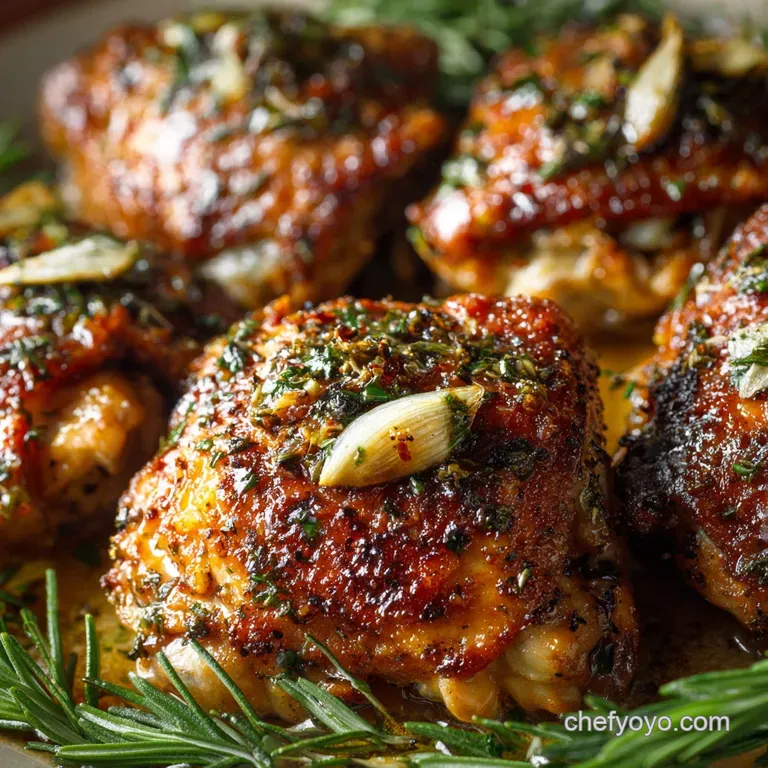
Once the thighs are thoroughly patted dry, the preparation is incredibly swift. Drizzle them lightly with olive oil, ensuring a thin, even coating. Then, liberally apply the mixed herb rub to all surfaces.
For an advanced layer of flavor, lift the edge of the skin on a few thighs and place a small pinch of the dry rub directly onto the meat underneath; this ensures the seasoning penetrates beyond the fat layer.
After seasoning, the baked chicken thighs recipe calls for an optional, but highly recommended, 30-minute chilling period, uncovered in the refrigerator. This brief rest further evaporates surface moisture, guaranteeing an exceptionally crisp final result.
Oven Science: Temperature Zones and Monitoring Internal Doneness
The cooking process is a two-part harmony designed to prioritize crispness first and juiciness second. We start the baked chicken thighs at 400 (or 425°F, as per the recipe context) for the first 25 minutes to maximize fat rendering and surface crisping.
We then dial the temperature back to 375°F (190°C) for the remaining 10– 20 minutes. This creates a more moderate environment for the interior to finish cooking without risking a burnt exterior, guaranteeing that the final internal temperature reaches 175°F (80°C) for peak tenderness.
Preparing the Baking Surface for Zero Stick Skin
As previously established, the wire rack sits on top of a standard rimmed baking sheet. This setup prevents the chicken skin from sticking to the pan surface and ensures air flow. The rimmed sheet pan is essential to catch the rendered fat and spices that drip off during the high heat cooking phase, keeping your oven clean and preventing smoke.
Applying the Dry Rub: Ensuring Even Distribution and Coverage
When applying the rub, don't be shy; ensure a generous and even coating. If you notice any bald spots, gently press the seasoning into the skin. Remember the chef’s trick: seasoning the meat under the skin is the only way to ensure the meat itself tastes as flavorful as the crust, avoiding a bland interior.
The Critical Final 10: Broiling for Maximum Golden Crispness
While our two-stage temperature bake (425°F then 375°F) usually achieves perfect crispness, if your thighs are cooked through (175°F) but lack that deep mahogany finish, the broil function is your friend.
Place the rack 6 8 inches from the broiler element and switch to high broil for the final 2– 3 minutes. Watch them very closely, as the skin can go from golden to burnt in seconds, but this quick burst guarantees maximum golden crispness.
Troubleshooting Common Issues with Oven Baked Chicken Thighs
The most frequent complaint when making oven baked chicken thighs is soggy skin. This nearly always traces back to insufficient initial drying or neglecting the wire rack.
If your skin is still rubbery, return the thighs to the oven at 400°F (200°C) for an extra five minutes, checking for internal temperature compliance. Another issue is uneven cooking; this occurs when thighs are too crowded on the pan, blocking necessary air circulation.
Ensure generous space between each piece to promote equal heat exposure.
Creative Variations and Serving Suggestions
The versatility of the baked chicken thigh allows for easy flavor adjustments. For a refreshing twist, try the Lemon Rosemary variation, swapping the oregano and thyme for fresh rosemary and lemon zest, perhaps adding a splash of white wine to the pan for moisture.
If you prefer a richer meal, serving your baked chicken thighs and potatoes simultaneously on the same sheet pan is a wonderful option, though ensure the potatoes are cut small and tossed in oil before the chicken goes in, as they require longer cooking time.
Handling Leftovers: Storage and Reheating Techniques
Leftover Baked Chicken Thighs store beautifully in an airtight container in the refrigerator for up to four days. When reheating, avoid the microwave, which will turn the delicate crispness into a rubbery texture.
The best method is to reheat the thighs on a wire rack in a toaster oven or standard oven at 350°F (175°C) for 10– 15 minutes, allowing the skin to re-crisp gently.
Making It Sticky: Adding a Sweet Glaze Mid-Cook
If you prefer a sweeter, more savory experience, skip the herb rub and transition to a sticky Asian glaze. A mixture of soy sauce, honey, ginger paste, and sesame oil should be prepared separately.
Once the thighs are about 10 minutes from being fully cooked (at the 375°F phase), brush the glaze liberally over the skin and continue baking. The high sugar content will caramelize quickly, yielding a glossy, sweet finish.
Adjusting Cook Times for Skinless or Boneless Thighs
Using baked chicken thighs boneless skinless requires a significant adjustment to the timeline. Without the thermal regulation of the bone and the protective layer of the skin, these cuts cook very quickly.
Expect a total bake time of just 20– 25 minutes at 400°F (200°C). Remember to aim for the standard 165°F (74°C) internal temperature for this leaner cut to maintain moisture.
Nutritional Breakdown and Meal Planning Compatibility
A serving of two bone-in, skin-on thighs is nutrient dense, offering approximately 450 calories and a substantial 40 grams of protein, making this recipe an excellent foundation for low-carb or high protein meal planning.
The high fat content provides lasting satiety, and because the preparation is so straightforward, it integrates perfectly into weekly batch cooking routines.
Pairing Perfection: Sides That Complement Garlic & Herb Flavours
The robust garlic and herb flavor profile of these baked chicken thighs pairs exceptionally well with rich, traditional British comfort fare. Consider serving them alongside creamy Colcannon (mashed potatoes mixed with cabbage or kale) or genuinely crisp roast potatoes.
For a lighter touch, a simple green salad with a sharp vinaigrette cuts through the richness beautifully. To complete the experience, a crisp, unoaked Sauvignon Blanc or a medium bodied English Pale Ale provides the ideal beverage complement.

Recipe FAQs
Why isn't my chicken skin crispy? It's still a bit rubbery!
Ah, the dreaded soggy bottom! The absolute enemy of crispy skin is moisture. The best solution is making sure you vigorously pat the thighs dry with paper towels before seasoning. Crucially, you must use a wire rack so air can circulate underneath the chicken, preventing the skin from stewing in its own fat on the sheet pan.
How do I know when my Baked Chicken Thighs are properly done? What internal temperature should I be aiming for?
For bone-in chicken thighs, you should aim for a higher internal temperature than breast meat. Use an instant read thermometer inserted into the thickest part (avoiding the bone) and pull them out when they reach 175°F (80°C).
This higher temperature breaks down the connective tissue, which is why thighs become wonderfully juicy and tender, not dry, like breast meat would be.
I've got some leftovers how should I store and reheat these?
Leftovers are brilliant! Store any extra thighs in an airtight container in the fridge, where they will keep safely for 3 to 4 days. If you want to retain that gorgeous crispiness when reheating, the oven is your best bet: bake them uncovered at 350°F (175°C) for about 10 15 minutes until piping hot.
If speed is critical, the microwave works, but brace yourself for less crispy skin.
Can I use boneless, skinless chicken breasts or skinless thighs instead of bone-in?
You certainly can, but you'll need to drastically reduce the cooking time to avoid tough, dry meat. Boneless, skinless thighs will take roughly 20 25 minutes, and breasts even less, requiring you to aim for the standard 165°F (74°C) internal temperature.
Just bear in mind that the resulting dish won't have the rich flavour or glorious crispness that the bone and skin provide.
What are the best classic sides to go with this Sunday Roast cheat?
To truly honour the "Sunday Roast Cheat" title, you can't go wrong with proper roast potatoes (ideally done in duck fat!) and a selection of seasonal greens, like broccoli or green beans, dressed with a knob of butter. Don't forget a simple pan gravy or a spoonful of cranberry sauce if you’re feeling festive.
Mashed potato is also a cracking choice for soaking up those herby pan juices.
Crispy Garlic Herb Baked Chicken Thighs

Ingredients:
Instructions:
Nutrition Facts:
| Calories | 1254 kcal |
|---|---|
| Protein | 15.5 g |
| Fat | 7.6 g |
| Carbs | 82.5 g |
| Fiber | 37.6 g |
| Sodium | 269 mg |
