Béarnaise Sauce: Silky, Tangy Steakhouse Classic
- Mastering the Classic: Why Béarnaise Isn't as Hard as You Think
- Essential Components for Authentic Béarnaise
- The Science of Emulsion: Why This Recipe Holds Together
- The Ultimate Guide: Making Béarnaise Sauce Step-by-Step
- Troubleshooting and Pro Chef Secrets
- Handling Your Sauce: Warming, Storage, and Safety
- Perfect Pairings for Your Finished Sauce
- Recipe FAQs
- 📝 Recipe Card
Mastering the Classic: Why Béarnaise Isn't as Hard as You Think
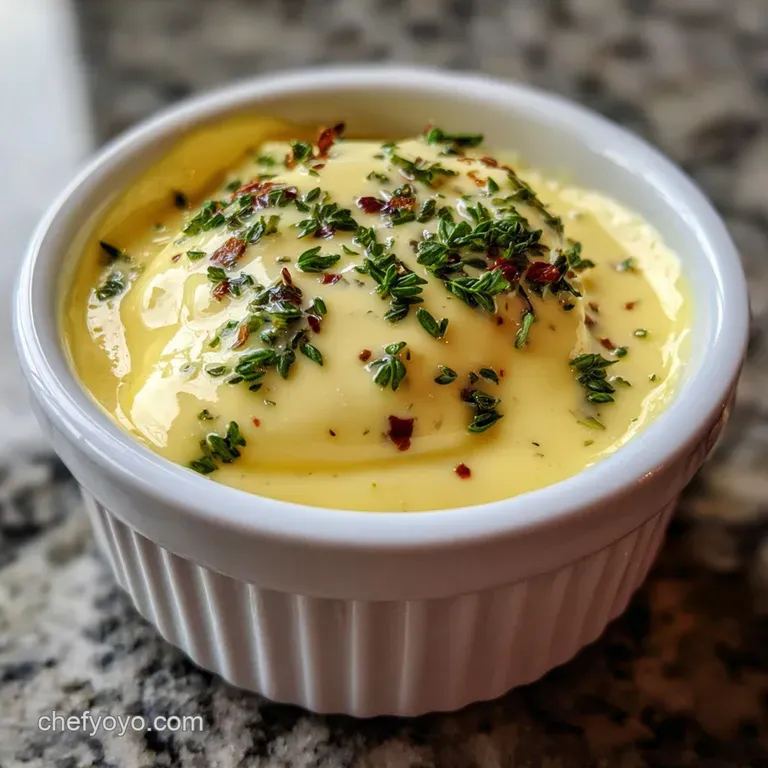
When you nail a perfect Béarnaise Sauce , the texture should be velvety, nearly pudding like, and the kitchen should smell intensely of fresh tarragon and sweet shallots.
It’s that sophisticated, slightly tangy richness that instantly elevates the mood, transforming a simple piece of roasted anything into a restaurant worthy platter. People think it’s this crazy, high falutin’ French nightmare, but I promise you, making this sauce is more about paying attention than having specialized skills.
We all have those moments when we need a showstopper, and while it requires delicate handling, this Béarnaise Sauce recipe is genuinely fast. It utilizes ingredients you probably already have, minus the fresh tarragon, which is non-negotiable here.
Forget those powdered envelope mixes; the homemade version tastes so bright and fresh it's completely worth the ten minutes of whisking.
So let’s crack the code on this culinary superstar. We’re going to walk through the pitfalls, the precise timings, and all the little tricks I learned through trial and error mostly error, trust me.
If you’re ready to stop relying on jarred sauces forever, then let's make the best homemade Béarnaise Sauce of your life.
Defining the French Mother Sauce Lineage
If Hollandaise is the friendly, creamy workhorse of breakfast, then Béarnaise Sauce is its much more complex and glamorous cousin. They share the same foundation: an egg yolk and fat emulsion stabilized by acid and heat.
The crucial difference is the acid base; Hollandaise uses lemon juice, but Béarnaise uses a highly concentrated reduction of vinegar, wine, shallots, and tarragon. This reduction process gives Béarnaise its signature depth, making it richer and much more aromatic.
Deconstructing the Signature Flavor Profile
The flavor of true Béarnaise is driven by the trifecta of fresh tarragon, sharp vinegar, and creamy, clarified butter. It shouldn’t taste solely like butter, nor should it taste heavily of raw egg.
The richness of the fat is perfectly cut by the concentrated acidity and that intoxicating anise like note from the tarragon. When you achieve the right balance, the Béarnaise Sauce melts beautifully over whatever it touches, but never feels heavy on the palate.
The Key to Success: Temperature Control
Here is the only hurdle: scrambling the yolks. You must understand that the egg yolks are meant to thicken (coagulate), not cook (scramble). I once tried to rush the tempering process, whisking the yolks right over high heat, and ended up with sweet, vinegar laced scrambled eggs.
Learn from my mistake! The process requires gentle, consistent heat from the steam, which is why the bain marie method is mandatory for any classic Béarnaise Sauce recipe. Keep the heat low and keep whisking!
Essential Components for Authentic Béarnaise
Making a stellar Béarnaise Sauce starts with understanding why each ingredient matters. This isn't the time for half measures or old ingredients lurking in the pantry.
| Ingredient | Role | Why It Matters | Substitution Options |
|---|---|---|---|
| Clarified Butter | Fat & Richness | Must be pure fat; milk solids cause separation. | Ghee (Easiest cheat!) |
| Egg Yolks | Stabilizer (Lecithin) | Must be fresh and large; they bind the water and fat. | None! Essential component. |
| White Wine Vinegar | Acid | Sets the crucial tangy foundation. | Tarragon Vinegar or Apple Cider Vinegar. |
| Fresh Tarragon | Aromatic Flavor | Delivers the defining anise notes. | No true sub, but chervil/parsley mixed can fake the green look. |
The Science of Emulsion: Why This Recipe Holds Together
The goal of this classic Béarnaise Sauce is to create a stable emulsion, meaning we are forcing water based ingredients (yolks, vinegar) and oil-based ingredients (butterfat) to stay together, instead of separating. The egg yolks are the molecular glue that makes this miracle possible.
Infusion Base: Shallots, Tarragon, and Vinegar Reduction
The initial reduction is the most overlooked step, but it’s critical. Reducing the vinegar and wine concentrates the flavors into a powerful, punchy syrup. This strong acidic base is what effectively "cooks" the egg yolks slightly and helps them hold onto the massive volume of butter we are about to add.
Cook it down until only about two tablespoons of potent liquid remain your kitchen should smell gloriously sharp and herbal.
Clarified vs. Ghee: Choosing Your Butter Fat
You absolutely need pure butterfat to make a smooth Béarnaise Sauce easy. When you melt whole butter, the water sinks to the bottom, and the milk solids (which cause scorching and breaking) float to the top. Clarifying butter removes these two elements, leaving behind pure liquid gold.
If you hate skimming and pouring, just buy ghee. It’s clarified butter already and dramatically simplifies the prep phase.
Ingredient Quality: Making Every Component Count
You can’t hide inferior ingredients in a sauce this simple. If you use dried tarragon, you might as well throw the whole batch out now. If possible, use high-quality, pasture raised egg yolks; they are richer in color and higher in lecithin, which means they are better stabilizers.
The Role of Egg Yolk as the Stabilizer
The lecithin in the egg yolk acts as an emulsifier, wrapping around both the fat and the water molecules, forcing them to integrate into a smooth, thick whole. When whisking the yolks over the heat, you are gently denaturing the proteins, preparing them for the heavy task of holding a mountain of butter in place.
Understanding the Double Boiler Method
The bain marie is the gentle heat bath that prevents scrambling. You want the water in the saucepan to be simmering, not boiling fiercely, and the bottom of your mixing bowl must not touch the water. If it touches, the direct heat will scramble the yolks immediately.
The goal is to heat the egg mixture just enough that it thickens and doubles in volume the steam does all the hard work for you.
The Ultimate Guide: Making Béarnaise Sauce step-by-step
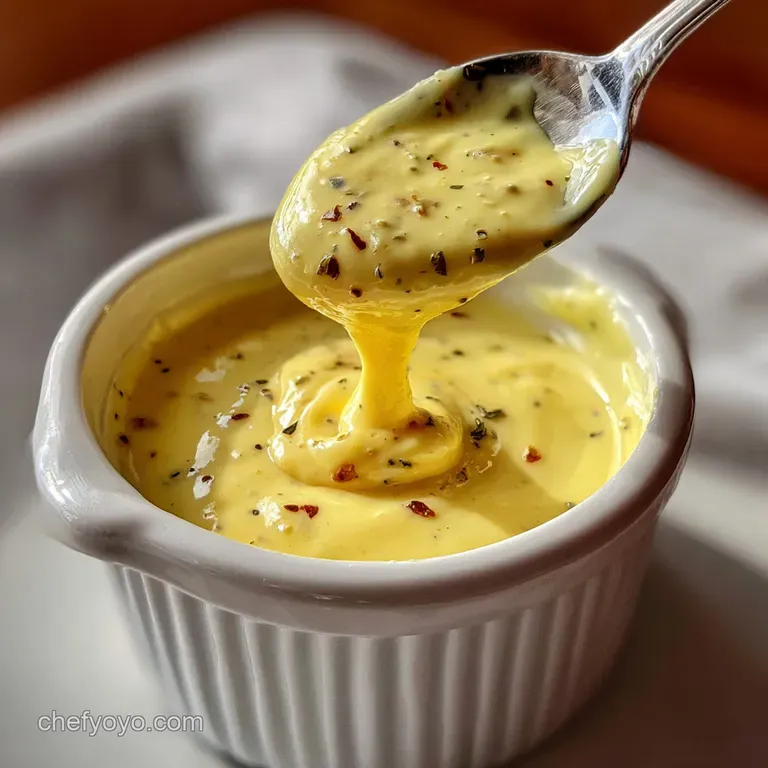
This is the process for how to make Béarnaise Sauce without fear. Whisking is your workout for the day!
Preparing the Aromatic Reduction (Part 1: The Flavor Foundation)
Combine the shallots, cracked pepper, tarragon stems, white wine, and vinegar in the smallest saucepan you own. Bring it to a rolling boil and then drop the heat slightly to maintain a steady, rapid simmer. Cook until the liquid has reduced by at least 75%, leaving you with a sticky, intensely flavoured essence.
Strain this liquid immediately into your heatproof bowl. You’ve now established the soul of your classic Béarnaise Sauce recipe .
Whisking the Yolk Base (Creating the Sabayon)
Add the three egg yolks to the strained reduction. Set the bowl over your bain marie (remember, don't let the bowl touch the water!). Now, whisk like your life depends on it. You cannot stop.
The mixture will initially be thin, but after 3– 5 minutes, it will thicken dramatically, change color to a pale yellow, and should fall off the whisk in a thick, slow ribbon. This ribbon stage means the yolks are ready.
Chef's Note: If you see steam starting to cook the sides of the bowl, lift the bowl entirely off the heat for five seconds while continuing to whisk furiously. Then return it to the steam. This prevents overheating.
Slowly Incorporating the Warm Fat (The Crucial Emulsification Stage)
Remove the bowl from the heat and set it on a damp cloth to keep it steady. Now, grab that warm clarified butter. This is the moment of truth. Start by adding the butter drop by drop while whisking constantly. Yes, drop by drop, like you’re doing molecular gastronomy.
Once you’ve added about a quarter of the fat and the sauce is noticeably thicker and glossier, you can increase the flow to a thin, steady stream. If you rush this step, the emulsion will break, and you'll have a oily mess.
Keep that wrist action constant until all the fat is incorporated into the rich, smooth, perfect Béarnaise Sauce .
Finishing and Seasoning the Sauce
Once everything is thick and glossy, stir in the finely chopped fresh tarragon leaves and the optional chervil. This adds a beautiful final aroma and freshness. Finish with salt and that tiny pinch of cayenne. Taste it. Does it sing? Is it tangy enough to cut the richness?
Adjust the seasoning immediately before serving.
Troubleshooting and Pro Chef Secrets
Saving a Broken Béarnaise (Bringing it Back from the Brink)
Oh, the dreaded break. It happens to everyone. If your sauce separates and looks like a grainy, oily puddle, don't panic! Grab a separate clean bowl and whisk one new, clean egg yolk with about a teaspoon of cold water.
Then, while whisking this new yolk base vigorously, slowly drizzle the broken Béarnaise Sauce into the fresh yolk, a tablespoon at a time. The new emulsifier (the fresh yolk) will usually re-bind the broken sauce beautifully.
Adjusting Consistency: Too Thick or Too Thin?
If your sauce is too thick (sometimes happens if you over reduce the vinegar base), whisk in a teaspoon of very warm water, one drop at a time, until the desired pourable consistency is reached.
If the sauce is too thin, return it briefly to the bain marie and whisk aggressively for 30 seconds to further cook and tighten the egg proteins.
The Proper Whisking Technique for Maximum Volume
The secret to a voluminous, airy sauce lies in how you whisk. Don't just swirl in a circle. Use a fast, aggressive figure eight or back and forth motion that incorporates air rapidly.
This is what helps the yolks increase in volume and makes the final classic Béarnaise Sauce so incredibly light and rich simultaneously.
Handling Your Sauce: Warming, Storage, and Safety
Maintaining Serving Temperature (The Bain Marie Trick)
The perfect serving temperature for Béarnaise Sauce for steak is warm, but never hot you want it slightly cooler than bathwater. If it gets too hot, the emulsion breaks. If it gets cold, it solidifies.
The best method is to leave it in the mixing bowl and set that bowl on a separate saucepan containing lukewarm water, completely off the heat.
Shelf Life and Freezing Limitations
This is the sad truth: Béarnaise does not keep. Because it's a volatile emulsion based on butterfat, and because the eggs are only lightly cooked, it needs to be made and served immediately. Do not attempt to freeze it. The water and fat will separate into a sad, irreparable mess upon thawing.
Refrigeration and Food Safety Guidance
While you might technically be able to store leftover Béarnaise Sauce in the fridge for a day, the texture will be solid and waxy. Reheating it successfully is extremely challenging; the solidified butter separates easily, almost always resulting in a broken sauce.
For safety and quality, aim to use the entire batch within 3 hours of making it.
Perfect Pairings for Your Finished Sauce
This sauce is famous for its affinity with grilled red meat, but its versatility is often overlooked. If you’ve mastered this batch, try it beyond the obvious.
It’s phenomenal over delicate white fish like cod or halibut. We also love it poured over roasted artichokes or simple roasted new potatoes for an unexpectedly luxurious side dish. It’s even fantastic in place of plain mayonnaise on a rich breakfast sandwich; I sometimes use it instead of the ‘boss sauce’ when making my favorite Breakfast BLT Egg Sandwich Recipe: The Ultimate Boss Sauce Upgrade . And you could even drizzle a tiny bit over savory elements of your next Tomato Gnocchi Recipe: Pillowy Dumplings in Brown Butter Sage Sauce for an added richness.
See? It wasn't scary at all. It took focus, yes, but now you have the skills to whip up this decadent classic whenever the craving hits. Go ahead and show off that incredible, silky, bright green best Béarnaise Sauce —you earned it.
Recipe FAQs
Why did my Béarnaise sauce "break" or curdle, and how do I fix it?
Breaking, or separating, usually happens due to excessive heat, causing the egg yolks to scramble, or adding the melted butter too quickly. To repair it, whisk one fresh egg yolk with a teaspoon of cold water in a clean bowl over a low heat.
Then, slowly drizzle the broken sauce, drop by drop, into this new yolk mixture while whisking vigorously until the emulsion reforms.
Can I store Béarnaise sauce, and how should I reheat it safely?
Béarnaise is an emulsion best consumed immediately, as storing an egg-based sauce is challenging and carries food safety risks. If absolutely necessary, you may keep it tightly covered in the refrigerator for no more than 12 hours, but it will lose its light texture.
Never microwave it; try reheating very gently over a warm (not hot) bain marie while whisking constantly, but expect the quality to degrade substantially.
How important is the initial vinegar and herb reduction, and can I skip it?
The reduction is critical and should not be skipped, as it performs two major functions: concentrating the savory aromatics and providing the acidic medium. The acid is necessary to stabilize the emulsion, helping the egg proteins bind and hold the substantial amount of fat during whisking.
Aim to reduce the liquid down to just 1 2 tablespoons for maximum flavor and stability.
I dislike tarragon. Can I substitute it, or what defines the Béarnaise flavor?
Tarragon is the hallmark herb of classic Béarnaise, lending its distinctive anise like quality that separates it from Hollandaise. If you must substitute, the traditional alternative is chervil, which offers a slightly milder, more subtle note, though the sauce will taste different.
Using only parsley or chives results in a completely different compound sauce, not true Béarnaise.
Why is my finished Béarnaise sauce grainy or gritty instead of smooth?
Graininess occurs when the egg yolks have cooked slightly too much before the butter was fully incorporated, or if milk solids in the butter were overheated. To prevent this, ensure you are lifting the bowl off the heat source frequently while whisking the yolks to control the temperature.
Using clarified butter (ghee) is another excellent method, as removing the milk solids yields a much smoother final product.
Can I use clarified butter instead of melted whole butter for this sauce?
Yes, absolutely; many professional chefs prefer clarified butter precisely because it yields a more stable and luxurious emulsion. By removing the milk solids and excess water present in whole butter, you reduce the risk of breaking and achieve a sauce with a purer, richer butter flavor.
Always ensure the clarified butter is hot when adding it slowly to the egg yolks.
Can I use a blender or food processor to make Béarnaise quickly?
While the traditional method involves constant hand whisking over a double boiler, a blender can be used for a fast version, though it requires extra care. Blend the reduction and yolks, then stream in the hot, melted butter very slowly while the motor is running to properly emulsify the sauce.
Be aware that the friction of the blades can quickly overheat the eggs, so ensure the butter is not scalding hot.
Easy Bearnaise Sauce Recipe
Ingredients:
Instructions:
Nutrition Facts:
| Calories | 537 kcal |
|---|---|
| Protein | 6.4 g |
| Fat | 54.5 g |
| Carbs | 5.3 g |
