Charcuterie and Cheese Board: the Chefs Guide to Mastering the Grand Tour
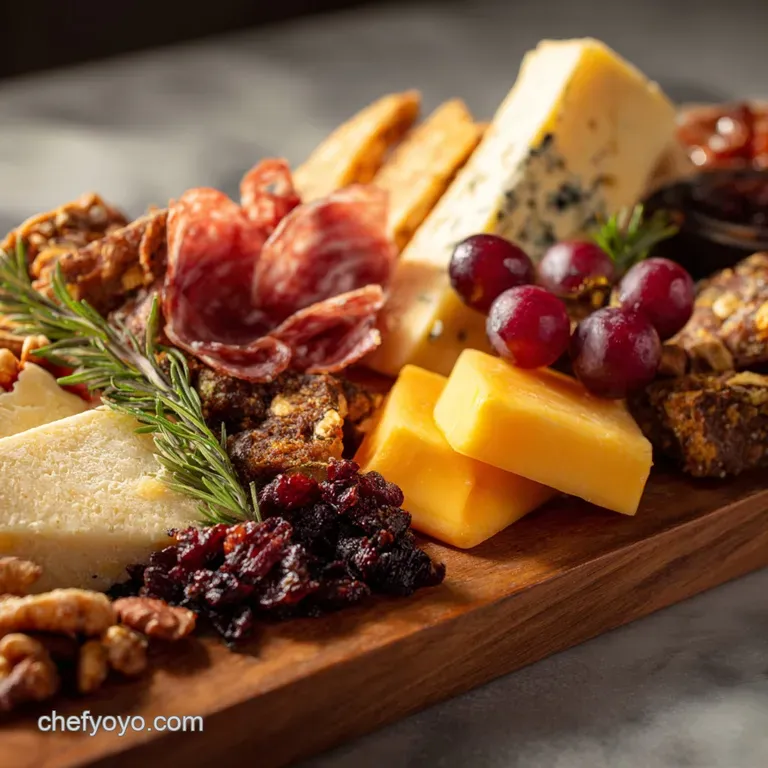
- The Chef’s Grand Tour: Designing the Ultimate Charcuterie and Cheese Board
- Culinary Science: The Textural and Flavor Harmony of the Board
- Curating Your Components: The Essential Shopping List
- From Pantry to Platter: Building Your Charcuterie and Cheese Board
- Elevating the Experience: Expert Techniques and Troubleshooting
- Post-Party Preservation: Managing Leftovers and Prep Ahead
- Pairing Perfection: Beverages and Secondary Charcuterie and Cheese Board Ideas
- Recipe FAQs
- 📝 Recipe Card
The Chef’s Grand Tour: Designing the Ultimate Charcuterie and Cheese Board
The moment that enormous wooden plank hits the table, laden with salty meats and gleaming honey, is pure magic. Forget the scent of freshly baked bread for a minute; the aroma of aged cheddar mingling with smoky soppressata is just intoxicating. The best part?
It looks ridiculously complicated, but it's really the easiest appetizer in the world.
This charcuterie and cheese board is my absolute lifeline when hosting a group. It takes maybe twenty minutes of active assembly, requires zero oven time, and makes you look like a catering genius. When I'm too busy to whip up something detailed, like those amazing Chicken and Broccoli Noodle Casserole: Cheesy, Creamy, No-Cans Recipe dinner recipes, the board is my perfect pivot. It is budget friendly if you shop smart, and everyone always gathers around it.
We aren't just dumping a few crackers and some grocery store Swiss onto a plate today; we are building a strategic, gorgeous, colorful cheese and meat board . I'll walk you through my foolproof 'Rule of Three' system and teach you how to achieve that highly coveted, overflowing abundance.
Let's crack on and master this gorgeous centerpiece!
Culinary Science: The Textural and Flavor Harmony of the Board
Beyond the Nibbles: Defining the Quintessential Board Experience
I used to think a great board was just about buying the most expensive stuff, but I was so wrong. The ultimate charcuterie and cheese board is actually about balance it’s a carefully choreographed dance for your palate.
You’re aiming for sensory overload in the best possible way. We want sweet, we want salty, we want sour, and most importantly, we want crunch.
The 'Rule of Three': Balancing Flavor Profiles (Salty, Sweet, Acidic)
The 'Rule of Three' is non-negotiable for a professional looking and satisfying meat cheese and fruit charcuterie board . You must include at least one item from each key flavor group: the savory fat (cured meats, fatty cheeses), the sweetness (honey, fruit preserves, dried fruit), and the acidity (pickles, olives, grainy mustards).
If you miss the acid, the whole thing tastes heavy and flat.
Difficulty: Why This Elegant Centerpiece is Truly Easy
This is easily an "Easy" skill level recipe because the hard work the curing, the aging, the preserving has already been done for you. Your job is purely assembly and placement.
It’s all about creating visual appeal and ensuring proximity; for instance, putting the salty prosciutto right next to the tart cornichons so guests get the hint. You are the architect, not the baker!
The Maillard Reaction Magic: Cured Meats and Aged Cheeses
Okay, there's no actual heat based Maillard here, but the principle of depth holds true for the charcuterie board meats and cheeses . Cured meats like aged salami and prosciutto develop those deep, complex savory notes (umami) through time and salt.
When you pair that aged, intensely savory flavour with a milky, creamy element like Brie, that's when the magic happens. It’s a primal flavor combination that just works every time.
Strategic Acid: Using Pickles and Fruits as Palate Cleansers
This is where many beginner DIY easy charcuterie board recipes fail; they forget the necessary counterpoint. Think of cornichons, those little tiny pickles, or marinated olives as the taste bud reset button.
After a fatty mouthful of creamy cheese and rich salami, you need a bright, tart burst of acid to cleanse the palate. This prepares you perfectly for the next delicious bite.
Contrasting Crunch: Integrating Nuts and Crackers for Mouthfeel
Texture is just as important as flavor, trust me. You need the satisfying snap of a water cracker, the crunch of a Marcona almond, or the crisp edge of a sliced baguette. Without crunch, you’ve just got a pile of soft, chewy food.
Always mix your vehicles —a nutty multi grain cracker, a light water biscuit, and maybe even a few salty pretzels.
Chef’s Note: Never, ever slice your cheeses paper thin. You want the visual weight and textural heft of a proper chunk of cheese. A board should look generous, not stingy.
Curating Your Components: The Essential Shopping List
I follow a strict ratio: three cheeses, three meats, three vehicles, and three types of accoutrements. It keeps shopping straightforward and ensures balance. Don't go overboard, just make sure your selections contrast well.
The Cheese Course: Hard, Soft, and Blue Selections
Always offer variety. I go for one hard cheese that I can cube easily, one soft cheese that oozes delightfully, and one pungent, assorted cheeses on a board blue selection.
| Component | Example | Substitution |
|---|---|---|
| Hard | Aged Cheddar (sharp) | Gouda (nutty) or Parmesan (salty/crumbly) |
| Soft/Creamy | Triple Cream Brie | Goat Cheese Log (chevre) or Boursin (herbaceous) |
| Blue/Pungent | Gorgonzola | Stilton or a firm Roquefort |
Cured Meats Masterclass: Choosing Prosciutto, Salami, and Pâté
This is the charcuterie part, and it should include different textures. We need delicate saltiness, firm spice, and maybe something spreadable if you're feeling ambitious.
| Component | Example | Substitution |
|---|---|---|
| Delicate/Salty | Prosciutto di Parma | Jamón Serrano or thinly sliced Speck |
| Spicy/Firm | Soppressata (sliced) | Hard Salami or Spanish Chorizo |
| Soft/Herby | Saucisson Sec | Pâté (if using, serve in a separate ramekin) |
The Accoutrements: Mustards, Olives, and Honey Varieties
These little pots of flavor are crucial for the full sensory experience. I usually choose one sweet, one acidic, and one sharp item to fill my little bowls. Use the best raw honey you can find; it’s perfect drizzled over blue cheese.
- Fig Jam (Substitute: Cherry Preserve or Apple Butter)
- Marinated Olives (Substitute: Giardiniera or Pickled Cocktail Onions)
- Runny Honey (Substitute: Maple Syrup or Agave)
Gluten and Grain: Selecting the Perfect Vehicles (Baguettes, Crackers)
You need sturdy items that can stand up to a smear of cheese and a heavy slice of meat. Don’t just buy one box of crackers! Get a few varieties for visual and textural interest.
- Water Biscuits (Substitute: Mini toasts or neutral pita chips)
- Multi Grain Crackers (Substitute: Rosemary or Fig-infused crackers)
- Thinly Sliced Baguette (Substitute: Grissini or breadsticks)
From Pantry to Platter: Building Your Charcuterie and Cheese Board
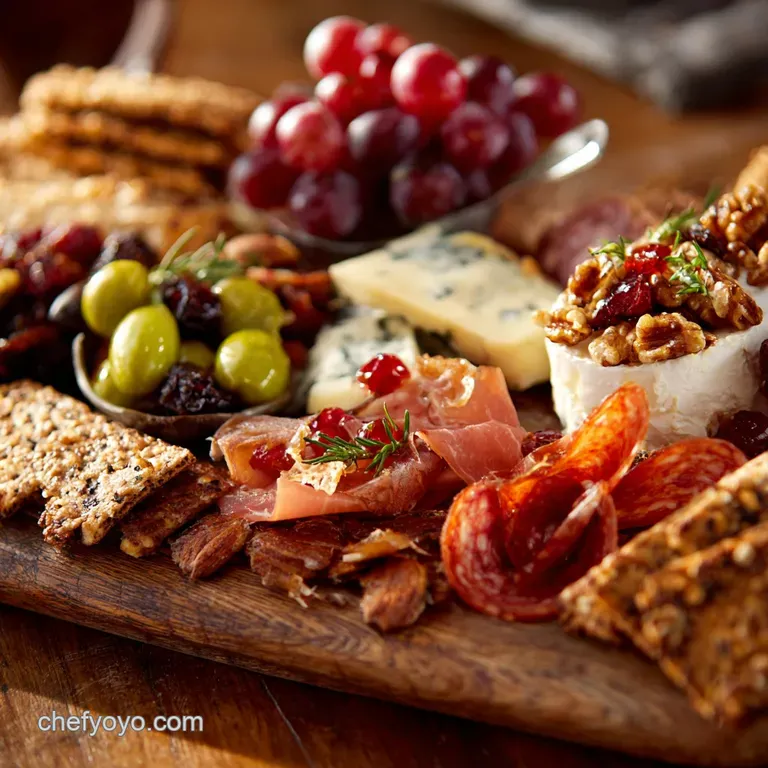
This is where we go from ingredient list to work of art. Remember, the goal is abundance you want people to wonder if they can even find the wood underneath.
Pre-Step Prep: Slicing, Folding, and Temperature Considerations
First things first: take the cheeses out! They need 30 minutes at room temperature to temper and release their full flavour potential. This step is non-negotiable. While you wait, thinly slice your hard cheese (Aged Cheddar, Manchego) into triangles or easy-to-grab planks.
I like to fold my meats; folding salami halves into quarters creates beautiful little "flowers" or stacking them into a "salami river" for visual impact.
Anchoring the Board: Strategic Placement of Cheeses and Bowls
You must place your biggest, bulkiest items first. These are the anchors. Place the three types of cheese, keeping the pungent blue away from the delicate Brie to avoid cross contamination of flavor. Then, nestle your small ramekins (for olives, honey, and jam) around the cheeses.
Once the anchors are set, everything else flows around them.
The River of Meats: Designing the Flow and Folds
Arrange your meats next. Create a flowing line or "river" of folded salami, weaving it around a bowl or a cheese wedge. Place the delicate items, like Prosciutto, either rolled individually or gathered in loose, messy bunches.
Hang a few slices artfully over the edge of the board; this is key to the abundant, maximalist look.
Filling the Gaps: Final Placement of Fruits, Nuts, and Herbs
Now for the fun part: filling every last inch of space. Slice up some fresh seasonal fruit (like figs or crisp apples, see my recipe for Autumn Apple and Pear Salad: Easy Bonfire Crunch with Maple Vinaigrette for fruit ideas!) and scatter grapes in small clusters throughout the open spaces. Sprinkle the nuts (Marcona almonds are elite) in the tight spaces between bowls and crackers. Finally, fan your crackers and bread around the perimeter for easy grazing.
Elevating the Experience: Expert Techniques and Troubleshooting
Avoiding the Sweat: Keeping Cheeses Cool and Fresh
Cheeses are happiest at room temperature, but if you're hosting a marathon party (more than two hours), certain soft cheeses (like Brie) can start to look sad and sweaty. If it’s a long event, keep a small reserve of soft cheese in the fridge and swap it out halfway through.
Alternatively, place your board in a slightly cooler spot, away from direct sunlight.
Knife Etiquette: Assigning Utensils for Soft and Hard Items
Nobody wants the blue cheese knife cutting their gentle Gouda. Provide at least one knife per cheese type, especially if you have a blue. Small spreaders are best for soft items, and a hard, sturdy knife or cleaver works for those aged, crumbly selections.
It’s the little details that count in charcuterie and cheese board accessories .
Presentation Faux Pas: How to Avoid a Cramped or Messy Board
The biggest mistake? Stacking everything straight up. This looks like a deli platter, not a charcuterie board. You want density, not height. Use a larger board than you think you need, and remember the "River" technique for meat flow.
If your board looks too sparse, just add more fruit and nuts until every gap is filled it instantly looks more sophisticated.
Post Party Preservation: Managing Leftovers and Prep Ahead
Wrapping Cheeses: Maintaining Humidity and Preventing Drying
Once the party is over, ditch the plastic wrap immediately! Cheese needs to breathe. Wrap individual pieces tightly in parchment paper or specialized cheese paper, then place them in a loosely sealed plastic container in the fridge. This protects the cheese while allowing necessary airflow.
Storing Cured Meats: Best Practices for Longevity
Cured meats last much longer than fresh meats, obviously, but they dry out quickly once sliced. Store leftover cured meats (Prosciutto, Salami) tightly wrapped in plastic wrap or an airtight container. They should last 3 5 days in the refrigerator, but they taste best within the first two.
Prep Ahead: Can I Build the Board Early?
You can absolutely prep your bowls of olives, jams, and cornichons up to a day in advance. You can also slice hard cheeses. Do NOT place the meats or soft cheeses on the board until 1 hour before serving. The condensation will ruin the crackers and the appearance of the meats.
Pairing Perfection: Beverages and Secondary Charcuterie and Cheese Board Ideas
Wine, Beer, and Spirits: Matching Tannins to Textures
Choosing a drink is easier than you think. The rule is to match the intensity. High fat, salty cured meats love high acid to cut through the richness. Try a crisp, dry sparkling wine (like Cava or Prosecco) or a tangy Sauvignon Blanc.
If you prefer red, stick to something lighter, like a Beaujolais, which won't overpower the delicate flavors of your cheese.
Secondary Charcuterie and Cheese Board Ideas
If you want a more substantial accompaniment to your meat cheese and nut board , consider offering something warm on the side. Grazing is great, but sometimes guests want something comforting. A small bowl of warm soup is fantastic contrast, like a deeply savory French Onion or maybe my quick Spaghetti and Meatball Soup: Easy Weeknight Comfort Food Recipe . This elevates the whole experience from appetizers to a proper, relaxed meal.
Recipe FAQs
How far in advance can I prepare the board, and how should I store leftovers?
Ideally, you should assemble the board no more than two hours before serving. For preparation ahead of time, slice the meats and cheeses and wrap them tightly, storing them separately in the refrigerator overnight.
Leftovers should be broken down immediately; wrap meats and cheeses separately in parchment paper and then plastic wrap to prevent them from drying out, discarding any highly perishable items left out for over two hours.
Can I make this board entirely vegetarian or vegan?
Absolutely. Replace cured meats with robust alternatives like sun-dried tomato spread, marinated artichoke hearts, or smoked carrots which mimic the texture of lox.
For cheese, substitute traditional dairy with high-quality nut-based vegan cheeses (cashew or almond) and incorporate dairy-free pâtés or flavorful dips like hummus and baba ghanoush.
My cheese feels too hard and tasteless. What did I do wrong?
Cheese flavor is highly temperature dependent; cold temperatures suppress the aromatic compounds that define the taste.
Ensure that all semi soft and hard cheeses are removed from refrigeration and allowed to sit at room temperature for 30 to 60 minutes before serving, which allows them to "breathe" and reach their optimal texture and flavor profile.
What is the "Rule of Three" mentioned for strategic pairing?
The culinary "Rule of Three" suggests you should offer variety by choosing three distinct items within each major category (cheeses, meats, accompaniments).
For example, choose three cheeses (one hard, one soft, one blue) and three types of meat (salami, prosciutto, pâté) to ensure a balanced and interesting sensory experience for your guests.
How should I fold or arrange the cured meats like prosciutto and salami for the best presentation?
Presentation is vital for charcuterie; cured meats should look inviting and be easy to serve.
Fold thin, pliable meats like prosciutto into loose "ruffles" or "roses," and stack salami slices in overlapping waves or small, tight mounds to add visual height and texture variation to the board.
How long can a charcuterie board safely sit out at room temperature?
Adhering to food safety guidelines (the "Two-Hour Rule"), the board should not remain at room temperature for more than two hours in total.
If the ambient temperature is very warm (above 90°F), that window shortens to only one hour before perishable items must be refrigerated or discarded.
My crackers and bread get soggy quickly. How can I prevent this?
Sogginess occurs when dry starches absorb moisture from adjacent wet ingredients.
Always place crackers and sliced bread on a designated, dry area of the board, using small ramekins or bowls to separate them from pickled items, jams, or highly oily marinated vegetables.
Easy Charcuterie And Cheese Board Recipe
Ingredients:
Instructions:
Nutrition Facts:
| Calories | 240 kcal |
|---|---|
| Protein | 10.0 g |
| Fat | 16.0 g |
| Carbs | 15.0 g |
