Miso Salmon: the Perfect Umami Glazed Recipe
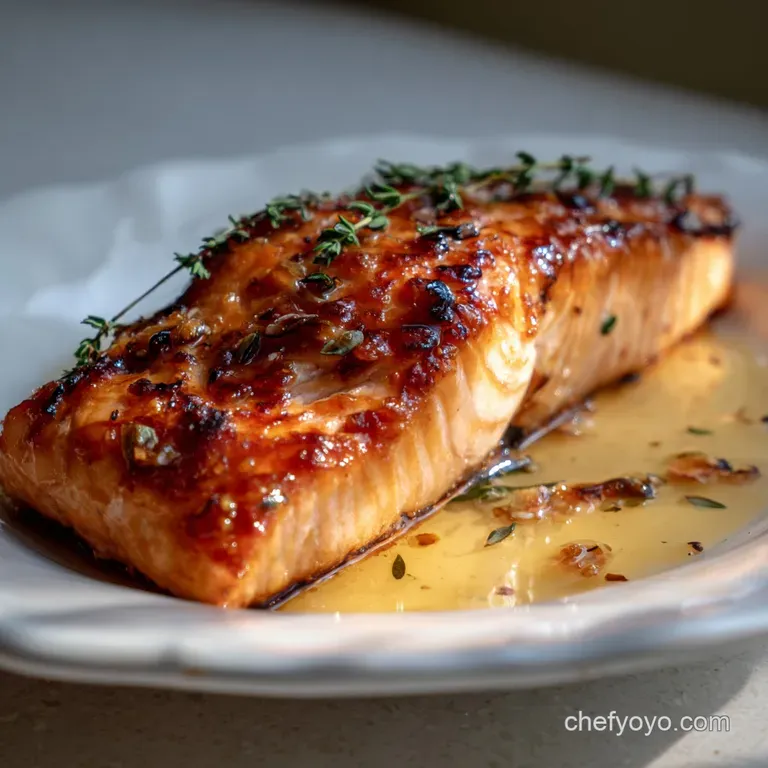
- Mastering Umami: An Overview of Your Perfect Miso-Glazed Salmon
- The Alchemy of Flavour: Why This Glazed Salmon Recipe Is Foolproof
- The Essential Pantry: Ingredients for Authentic Miso Salmon and Smart Swaps
- From Marinade to Plate: Step-by-Step Guide to Cooking Miso Salmon
- Troubleshooting the Glaze: Pro Tips for Restaurant-Quality Results
- Storage Solutions: How to Keep Leftover Glazed Salmon Fresh
- The Perfect Accompaniments: What to Serve Alongside Your Umami Salmon
- Recipe FAQs
- 📝 Recipe Card
Mastering Umami: An Overview of Your Perfect Miso Glazed Salmon
That deep, rich aroma. The first bite of perfect Miso Salmon is frankly shocking. It’s sweet, savoury, and impossibly complex, delivering exactly what you want when you crave high end restaurant flavour right at home.
I promise you, mastering this Miso Salmon is far easier than you think, making it a stellar addition to your weeknight rotation.
Forget complicated, time consuming weeknight meals, because this approach to Miso Salmon is a total lifesaver. You literally spend 10 minutes prepping the silky glaze, and the oven does all the heavy lifting.
It's fast, foolproof, and infinitely cheaper than ordering that famous black cod (or this incredible Miso Salmon ) from a fancy spot.
I’ve tested this Miso Salmon recipe hundreds of times to nail the technique, specifically avoiding dry fish and that dreaded burnt glaze. So grab your white miso paste and let’s crack on; we are about to make the absolute best, glossy, intensely flavourful Miso Salmon you’ve ever tasted.
The Alchemy of Flavour: Why This Glazed Salmon Recipe Is Foolproof
We are chasing that magnificent balance: moist, fatty salmon and a sticky, caramelized crust. This isn't just a simple baked fish dish; this is the marriage of texture and the powerful fifth taste umami.
When you make this Miso Salmon , you’re engaging in a bit of culinary magic, transforming four basic pantry ingredients into pure gold.
The Science of the Miso Marinade
Miso is the secret weapon for this glorious Miso Salmon marinade. It’s a fermented soybean paste, meaning it’s packed with naturally occurring enzymes.
When applied to the salmon, these enzymes gently tenderise the surface of the fish, allowing the deep, savory umami flavours to penetrate just enough without turning the texture into mush. The result is a beautifully seasoned interior and a surface ready for a perfect caramelization.
Atlantic Salmon vs. Sockeye: Choosing Your Fillet
The best choice for our ultimate Miso Salmon is definitely Atlantic salmon, or King Salmon if you can swing it. These varieties are higher in fat, which keeps the fish incredibly moist and forgiving during the baking process.
Sockeye is leaner and tastes great, but if you slightly overcook it, it turns dry much faster. Since we want a foolproof Miso Salmon , stick with the fattier cuts, about 1 inch thick.
Preparing the Glaze: Achieving the Ideal Consistency
The key to a high ranking Miso Salmon glaze is ensuring the paste is smooth and thick, like a heavy pancake batter. If your miso paste is chunky or dry, whisk in a tiny splash of water or mirin until it’s perfectly spreadable.
This ensures the marinade sticks to the salmon fillets rather than sliding off into the baking tray.
Balancing Sweetness and Salt: The Role of Mirin
Mirin, a sweet Japanese rice wine, is crucial here. It’s not just about flavour; it provides the sugar content necessary for that gorgeous, deep mahogany colour when the Miso Salmon hits the broiler. Mirin also contains alcohol, which helps the glaze spread evenly.
If you skip it, you miss out on both the traditional flavour depth and that signature glossy sheen.
Preventing Dryness: The Short Marinade Trick
Miso is salty, really salty. I once left my first attempt at Miso Salmon in the marinade for 24 hours, thinking more time equalled more flavour. Big mistake! The fish cured, turning tough and overly salty.
For the perfect texture, aim for a minimum of 30 minutes, or an ideal sweet spot of 2 hours. This gives the flavour enough time to meld without curing the delicate salmon flesh.
Perfect Caramelization Without Burning
The last thing you want is burnt sugar ruining your perfectly baked Miso Salmon . The solution is simple: reserve a little bit of the glaze before it touches the raw fish.
You bake the fish most of the way through, then brush on that reserved, fresh miso glaze right before a quick blast under the broiler. This gives you a high gloss, deeply caramelized crust without any bitterness.
The Essential Pantry: Ingredients for Authentic Miso Salmon and Smart Swaps
Making phenomenal Miso Salmon requires just a handful of ingredients, most of which last forever in your pantry. The quality of your miso and fish really shines through in this simple preparation.
| Ingredient | Role | Smart Substitution |
|---|---|---|
| White Miso Paste | Umami, salt base | Awase (Mixed) Miso, but reduce soy sauce by half. |
| Mirin | Sweet glaze, traditional flavour | Dry sherry or sake + 1 tsp sugar. |
| Maple Syrup/Honey | Caramelization agent | Brown sugar (ensure it dissolves fully). |
| Low-Sodium Soy Sauce | Depth, seasoning | Tamari (for gluten-free Miso Salmon ). |
Decoding Miso Paste: White (Shiro) vs. Red (Aka)
When preparing this Miso Salmon , always reach for White Miso (Shiro). It is fermented for a shorter time, giving it a sweeter, milder, and slightly fruity flavour.
Red Miso (Aka) is intense and salty, great for robust soups, but it can easily overwhelm the subtle flavour of the salmon and make your Miso Salmon too strong. Stick to the light stuff for this glaze!
Alternative Sweeteners for the Glaze
I use maple syrup because it’s neutral, liquid, and handles heat well, leading to a beautiful caramel colour on the Miso Salmon glaze. If you only have honey, that works perfectly, too, giving it a slightly floral note.
If using brown sugar, make sure to vigorously whisk it into the liquids until there is absolutely no graininess left before applying the marinade.
Selecting and Preparing Your Salmon Fillets (Skin-on vs. Skin off)
I highly recommend skin-on fillets for the best Miso Salmon experience. The skin acts as a natural barrier, protecting the delicate flesh from the intense heat of the baking tray and helping to lock in the moisture.
Just pat the entire fillet dry, then coat the flesh side heavily with the miso marinade and leave the skin mostly bare. If you prefer a full flavour crust all around, use skin off fillets, but be careful not to overcook them!
Key Japanese Staples You Will Need
Beyond the miso and mirin, a little toasted sesame oil is essential for the nutty depth it adds to the finished Miso Salmon . The final dusting of sesame seeds and fresh scallions isn’t just decorative; they provide a much needed fresh contrast to the rich, baked glaze.
From Marinade to Plate: step-by-step Guide to Cooking Miso Salmon
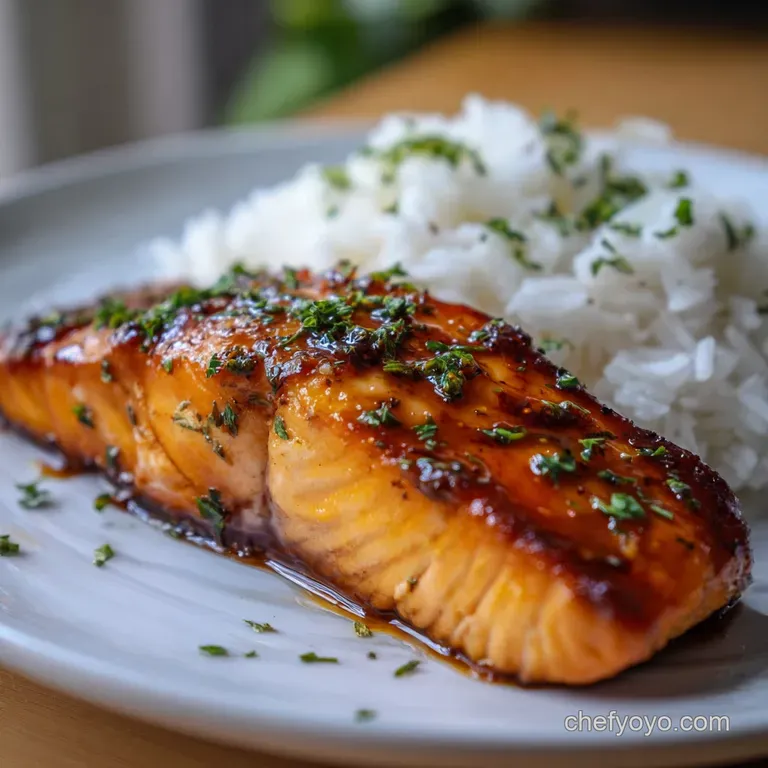
This is the fastest path to perfect, professional level Miso Salmon at home. The baking method ensures even heat, but the broil is where the magic happens.
Mixing the Glaze: Ratios and Marination Time
Whisk all the marinade ingredients together in a small bowl until they are completely smooth and shiny. That’s the miso, mirin, maple syrup, soy sauce, ginger, garlic, and sesame oil. Crucially, reserve about one teaspoon of the fresh, uncontaminated glaze in a tiny separate bowl.
Then, fully coat the salmon. Marinate for at least 30 minutes, or up to 2 hours for deep flavour in your Miso Salmon .
Oven Baking Method for Maximum Moisture
Preheat your oven to 400°F (200°C). Always line your baking tray with parchment paper trust me, miso glaze is sticky, and this makes clean-up a dream. Place the marinated Miso Salmon fillets on the tray, making sure they have some breathing room.
Bake for 10 to 12 minutes. You'll know it's ready for the next step when the edges are opaque and the marinade looks set. This is the heart of the best miso salmon recipe oven method.
Quick Broiling Technique for a Deep Sear
Switch your oven to the broiler (high heat setting). Pull the tray out, brush the reserved fresh glaze onto the top of each fillet, and return the tray to the oven. Watch this stage like a hawk!
The glaze will bubble and caramelize quickly, needing only 1 to 3 minutes to achieve that beautiful deep brown colour. If you look away, you risk burning your gorgeous Miso Salmon .
The Internal Temperature Test for Perfect Doneness
If you only buy one kitchen gadget this year, make it an instant read thermometer. Salmon is done when it reaches 140 145°F (60 63°C). Pull your Miso Salmon out as soon as it hits 140°F; the residual heat will carry it to perfect internal temperature during the resting phase, ensuring the fish is flaky and unbelievably moist.
Troubleshooting the Glaze: Pro Tips for Restaurant Quality Results
Avoiding the Most Common Glazing Pitfalls
My biggest early mistake when learning how to make Miso Salmon was putting the fish straight under the broiler for the entire cook time. The sugar content in the mirin and syrup burns long before the fish is cooked through. Always bake first, then broil for the final minute or two.
Also, make sure your fish is patted completely dry before marinating; wet fish steams and prevents a good crust from forming.
Using a Torch for Extra Caramelization (Advanced Tip)
Want that professional look on your Miso Salmon without risking the broiler? If you have a culinary torch (the kind used for crème brûlée), pull the fish out of the oven when it's just done (140°F).
Quickly torch the surface of the glaze until it's bubbly and deeply coloured. This gives you precise control over the caramelization, making your Miso Salmon truly stunning.
Adjusting the Miso Strength for Palate Preference
If you find your Miso Salmon marinade too salty, next time try substituting a teaspoon of the miso paste with Greek yogurt or sour cream. It slightly cuts the salt while adding a lovely creamy mouthfeel that still cooks off nicely. Alternatively, cut the soy sauce out entirely.
Storage Solutions: How to Keep Leftover Glazed Salmon Fresh
Optimal Refrigeration: Cooling and Container Choice
Leftover Miso Salmon makes incredible next day lunches! Let the fish cool completely to room temperature before transferring it to an airtight container. The container should be shallow to minimize moisture accumulation, preventing the fish from becoming soggy.
It keeps perfectly in the fridge for 3 days.
Reheating Miso Salmon Without Drying It Out
Reheating fish is always a gamble, but you want to avoid the microwave for your delicate Miso Salmon . The best method is in a low oven (300°F/150°C) for 8– 10 minutes, covered loosely with foil.
If you’re feeling impatient, the air fryer works wonders, too, reheating the miso salmon air fryer style at 350°F (175°C) for just 3– 4 minutes until warmed through.
Can You Freeze Miso Salmon? (Preparation for freezing)
Yes, you can freeze this particular Miso Salmon recipe! Flash freeze the individual baked fillets on a tray until solid, then wrap them tightly in plastic wrap and store them in a freezer safe bag. It maintains quality for about one month.
Thaw overnight in the refrigerator before gently reheating using the low oven method.
The Perfect Accompaniments: What to Serve Alongside Your Umami Salmon
The richness of the Miso Salmon begs for something fresh and slightly acidic to cut through the glaze. Steamed jasmine rice is a classic companion. I often pair it with simple, quickly sautéed bok choy or asparagus, seasoned with a squeeze of lemon and maybe a dash of sesame oil. For something a little lighter, this also fits beautifully into a healthy Healthy Recipes: One-Pan Mediterranean Salmon Ready in 35 Minutes style bowl, served over crisp greens.
If you’re looking to round out your salmon repertoire, you might also be interested in my tips for achieving Grilled Salmon with Crispy Skin: Lemon Dill Recipe — totally different flavours, but the same focus on perfect texture.
This classic Miso Salmon is more than just dinner; it’s proof that world class flavour is achievable in your everyday kitchen. Honestly, once you nail this simple Miso Salmon recipe, you’ll never look at baked fish the same way again. Happy cooking!
Recipe FAQs
How do I prevent my Miso Salmon from drying out during cooking?
Salmon dries quickly when overcooked, so using a meat thermometer to target an internal temperature of 145°F (63°C) is key. You can also cover the salmon loosely with foil halfway through baking, which traps moisture and ensures the fish remains flaky and succulent.
Can I use red (Aka) miso instead of white (Shiro) miso for the glaze?
Yes, but be mindful of the flavour difference, as red miso is saltier and has a much stronger, deeper fermented profile. If substituting, start with slightly less red miso and increase the amount of honey or sugar to help balance the greater intensity of the salt and umami.
Why does my miso glaze burn before the salmon is fully cooked?
Miso glazes are high in natural sugars, causing them to caramelize and potentially burn quickly under direct heat. To prevent this, avoid using the broiler until the last 2-3 minutes, or place the salmon on a lower rack setting during the main bake time.
How long should I marinate the salmon for the best flavour?
For this glaze, 30 minutes to 2 hours is generally sufficient for the salmon to absorb the complex umami flavour. While longer marinating (up to 24 hours) is possible, miso's salt content can begin to "cure" the fish, sometimes resulting in a slightly firmer texture.
Can I grill or pan-sear the Miso Salmon instead of baking it?
Absolutely; grilling or searing provides an excellent crispy texture and quick cooking time. When using these methods, ensure you blot any excess marinade off the fillet before cooking to prevent the highly sugary glaze from charring instantly on the hot surface.
How should I store leftover Miso Salmon, and can I freeze it?
Store cooked leftovers in an airtight container in the refrigerator for up to 3 days, reheating gently to maintain moisture. Freezing cooked salmon is generally not recommended as the thawing process significantly degrades the delicate quality and texture of the fish.
I don't have sake or mirin. What can I use as a substitute in the glaze?
Mirin primarily provides sweetness and gloss, which can be substituted with a pinch of sugar mixed with water or rice vinegar. If you are replacing the sake, a small splash of dry white wine or dry sherry works well to provide aromatic depth.
Effortless Glazed Miso Salmon
Ingredients:
Instructions:
Nutrition Facts:
| Calories | 397 kcal |
|---|---|
| Protein | 40.9 g |
| Fat | 16.4 g |
| Carbs | 17.1 g |
