Italian Turkey Meatballs: Nonnas Recipe for Extra-Moist, Tender Results
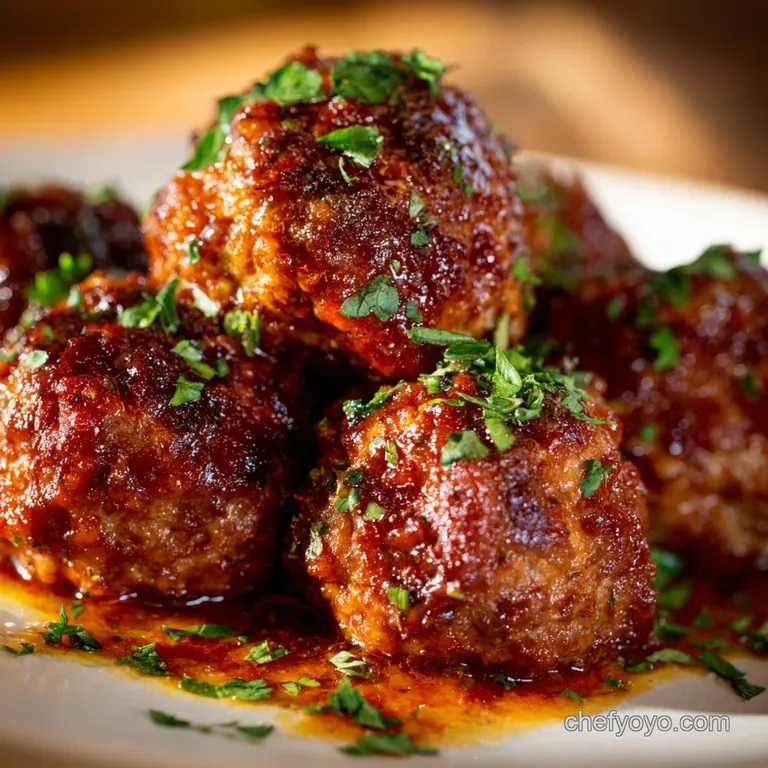
- Nonna’s Secret: Extra-Moist Italian Turkey Meatballs Recipe Overview
- The Science of Moisture: Why These Italian Turkey Meatballs Stay Tender
- Essential Ingredients for Your Lean Machine Italian Turkey Meatballs
- How to Make Italian Turkey Meatballs: The Step-by-Step Method
- Expert Tips for Rolling, Cooking, and Troubleshooting
- Practical Guide to Storing and Freezing Meatballs
- The Ultimate Pairings: What to Serve with Turkey Meatballs
- Recipe FAQs
- 📝 Recipe Card
Nonna’s Secret: Extra Moist Italian Turkey Meatballs Recipe Overview
When that smell hits you garlic frying gently in olive oil, mingling with fresh basil and oregano you know you're in for a good dinner. That deep, comforting aroma is the true signal that dinner is served, and tonight, we are making the juiciest Italian Turkey Meatballs you have ever tasted.
The texture is key here; they should practically melt away in the sauce.
Everyone loves a good meatball, but who has time for a three hour simmer on a Tuesday? Not me, friend. This recipe is a genuine weeknight lifesaver because it uses lean ground turkey, which cooks fast but still delivers that incredible, rich Italian flavour we crave.
Plus, using turkey is lighter on the wallet and the waistline, which is always a bonus.
Forget everything you’ve heard about dry turkey meatballs. We're incorporating Nonna’s real secret weapons to keep them unbelievably tender, ensuring they absorb all that gorgeous, simple marinara sauce. Ready to skip the toughness and embrace the true polpette perfection?
Let's crack on with this amazing Italian Turkey Meatballs recipe.
The Science of Moisture: Why These Italian Turkey Meatballs Stay Tender
The Challenge: Making Turkey Meatballs Juicy and Tender
The biggest hurdle with using ground turkey is simple: it’s lean. Lean meat has less fat to render during cooking, meaning moisture often evaporates quickly, leaving you with dry, sad little balls. We must introduce internal moisture and fat back into the mixture.
That's the secret to making this Turkey Meatball Recipe work.
Key Flavour Profiles of Authentic Italian Polpette
True Italian meatballs ( polpette ) rely heavily on fresh herbs and good quality Parmesan cheese, not just the meat itself. We use flat leaf parsley and dried oregano to provide that deep, herbaceous base that defines Italian cuisine.
This layering of flavour means you never miss the richness of fattier meats.
Why You Should Ditch the Beef for Lean Turkey Today
Ground turkey is a fantastic, healthier alternative that absorbs flavour beautifully. Since turkey has a milder taste than beef, it really allows the ricotta, Parmesan, and fresh herbs to shine through. You get a lighter texture and a clean, bright flavour that pairs perfectly with a bright tomato sauce.
The Role of Ricotta in Preventing Dryness
This is the big game changer. Whole milk ricotta cheese is pure moisture insurance for these Italian Turkey Meatballs. It introduces necessary fat and creaminess directly into the meat mixture without making it feel heavy.
The ricotta melts slightly as the meatballs simmer, keeping the entire structure incredibly tender.
Creating the Perfect Panade: Milk and Breadcrumb Binder
A panade is a binder made from breadcrumbs and liquid, and it is crucial for a light, springy texture. Our simple panade uses panko breadcrumbs soaked in whole milk and mixed with ricotta and egg. This wet binder swells up, preventing the meat proteins from tightening too much when heated.
Layering Herbaceous Flavour: Parsley, Oregano, and Basil
While we use dried oregano in the meat mixture for depth, always finish the sauce and the plate with fresh herbs. Fresh parsley and basil added at the very end give that punchy, vibrant flavour that makes the whole dish sing. Don't skimp on the fresh stuff!
Essential Ingredients for Your Lean Machine Italian Turkey Meatballs
We are aiming for balance here: high-quality ingredients handled gently. Measuring everything out before you start the mise en place —will make the assembly phase much smoother.
high-quality Turkey and Fresh Cheese Selection
Aim for 93% lean ground turkey; anything leaner (like 99%) might challenge even the ricotta’s moisturizing powers. When it comes to the cheese, always grate your own Parmesan from a block; the pre-shredded stuff often contains anti caking agents that compromise texture.
Breadcrumbs and the Importance of Whole Milk
We use Panko because its structure provides a light lift, but whatever you use, ensure the liquid is whole milk. That tiny bit of extra fat in the whole milk helps carry flavour through the panade and prevents the meatballs from tasting watery.
Ingredient Swaps and Allergy Notes
| Ingredient | Substitute (Viable Swaps) | Allergy Note |
|---|---|---|
| Ground Turkey | Ground chicken or a 50/50 blend with mild Italian sausage. | |
| Panko Breadcrumbs | gluten-free panko or finely crushed salted crackers. | Use GF breadcrumbs for a gluten-free dish. |
| Whole Milk Ricotta | Full fat cream cheese (softened) or soaked mascarpone. | For dairy-free, try blended soaked cashews, but texture changes dramatically. |
| Parmesan Cheese | Grated Pecorino Romano (stronger flavour) or nutritional yeast. | Use nutritional yeast for a non-dairy option. |
| Oregano/Basil | Use equal parts Italian seasoning blend. |
Preparing Fresh Herbs vs. Using Dried Spices
For the freshest flavour, use flat leaf Italian parsley, finely chopped. While dried oregano works well inside the meat mixture, stick to dried basil in the sauce, as its flavour holds up better during the long simmer.
If you use fresh basil in the sauce, add it only in the last 5 minutes of cooking.
How to Make Italian Turkey Meatballs: The step-by-step Method
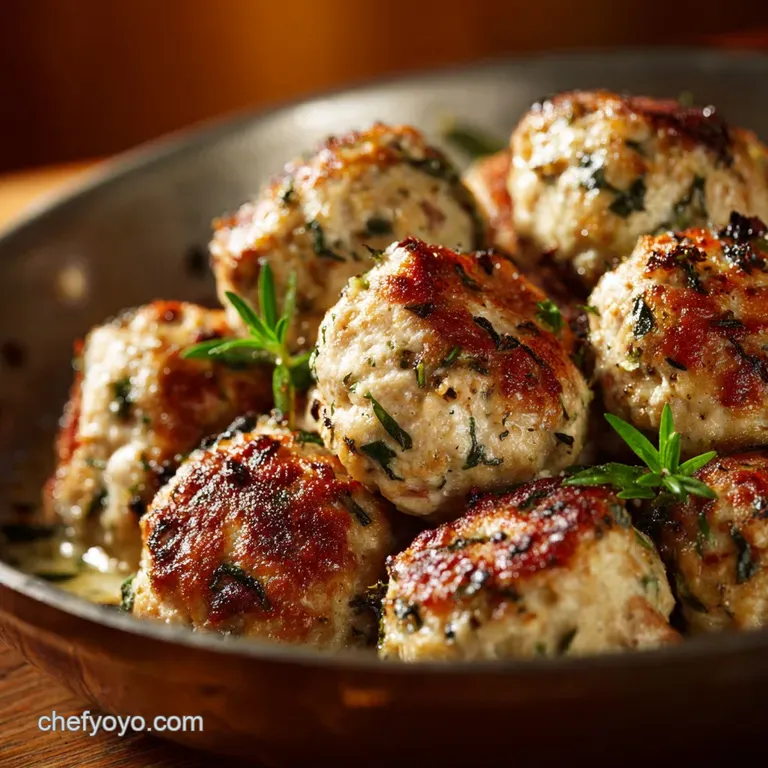
Preparing the Panade and Aromatics
First, we need to bloom our aromatics and soften them up. Sauté the minced onion or shallot with a pinch of salt until totally translucent (about 5 minutes), then add the garlic for the last minute.
Let this mixture cool completely; adding hot onion to raw turkey is a rookie error that starts cooking the meat early. Next, mix the cooled aromatics, ricotta, panko, egg, and herbs in your bowl and let it sit for five minutes.
The Gentle Art of Combining Ingredients (Avoid Overmixing!)
Add the ground turkey and Parmesan to your panade mixture. Now, here is where my younger self always failed: you must mix gently . Use a rubber spatula or your hands, folding and pressing the mixture just until everything is combined and no dry spots remain.
If you keep mixing beyond that point, the proteins seize up, resulting in tough, dense, flavourless meatballs.
Achieving Uniform Size for Even Cooking
Consistency is king for cooking success. I highly recommend using a small 1.5 inch ice cream scoop to portion the meat mixture accurately. Once scooped, roll them lightly between your palms to form a smooth sphere. This ensures all your Italian Turkey Meatballs finish cooking at the exact same time.
Baking vs. Pan-Searing: Choosing Your Cooking Method
While you can make these Italian Turkey Meatballs baked in the oven at 400°F (200°C), searing them first is my absolute favourite approach. Searing builds deep, rich flavour (the Maillard reaction) and forms a fantastic crust that helps the meatball hold its shape during simmering. We sear for colour, then finish them slowly in the sauce. For a slow cooker approach, try my guide on Crockpot Meatballs: The Best Juicy Slow Cooker Recipe for Supper .
Chef's Note: Searing in a large Dutch oven and then immediately adding the sauce allows you to capture every tiny flavour scrap left in the pan those little bits are liquid gold.
Expert Tips for Rolling, Cooking, and Troubleshooting
The #1 Mistake: Do Not Skip the Chill Time
You simply must chill the meatball mixture for at least 30 minutes, or even an hour. Chilling allows the binder to fully set, the fat to firm up, and the flavours to meld beautifully.
This step guarantees that your perfectly formed Italian Turkey Meatballs won't fall apart when they hit the hot oil or the simmering sauce.
Checking the Internal Temperature for Safety and Juiciness
Turkey must reach 165°F (74°C) to be safe. Since we are finishing these by simmering them in the sauce, you should see steam escaping the center when you cut one open, or use an instant read thermometer.
Do not overcook them past 165° F, or even the ricotta won’t save them from drying out.
Practical Guide to Storing and Freezing Meatballs
Refrigerating Cooked and Uncooked Meatballs
Uncooked turkey meatballs can be stored, tightly covered, in the fridge for up to 24 hours. Cooked meatballs stored completely submerged in their marinara sauce will last beautifully for 3 to 4 days. The sauce acts as a protective barrier, keeping them moist.
Flash Freezing for Long Term Storage
These Italian Turkey Meatballs are perfect for batch cooking! To freeze uncooked meatballs, arrange them in a single layer on a parchment lined tray and freeze until solid (this is called "flash freezing"). Once solid, transfer them to a freezer bag or airtight container. They keep well for up to 3 months.
Best Methods for Reheating Without Drying Out
If they are frozen raw, thaw them overnight in the fridge and cook them as normal. If they were frozen cooked in the sauce, the easiest method is to thaw them in the fridge and then gently warm them on the stovetop over low heat until they are bubbling hot throughout.
Avoid the microwave if possible, as it tends to create hot spots that dry out the meat.
The Ultimate Pairings: What to Serve with Turkey Meatballs
Pairing with Traditional Marinara and Pasta
The classic pairing is unbeatable! Serve these fantastic, juicy meatballs over a generous portion of good quality spaghetti, linguine, or even creamy polenta. If you are looking for that ultimate presentation, check out my recipe for Spaghetti and Meatballs: Proper Slow Simmered Italian Classic for tips on the perfect al dente finish.
Serving Suggestions:
- Make it a Meal Prep Winner: Serve them over zucchini noodles or sautéed spinach for a fantastic low-carb meal.
- Meatball Subs: Stuff them into a crusty baguette with melted provolone or mozzarella cheese for a proper sandwich.
- Giant Meatballs: Want something more substantial? Try scaling up the recipe and serving them as a main course, similar to my Giant Turkey Meatball Parmesan: Colossal, Moist, Low Carb Dinner .
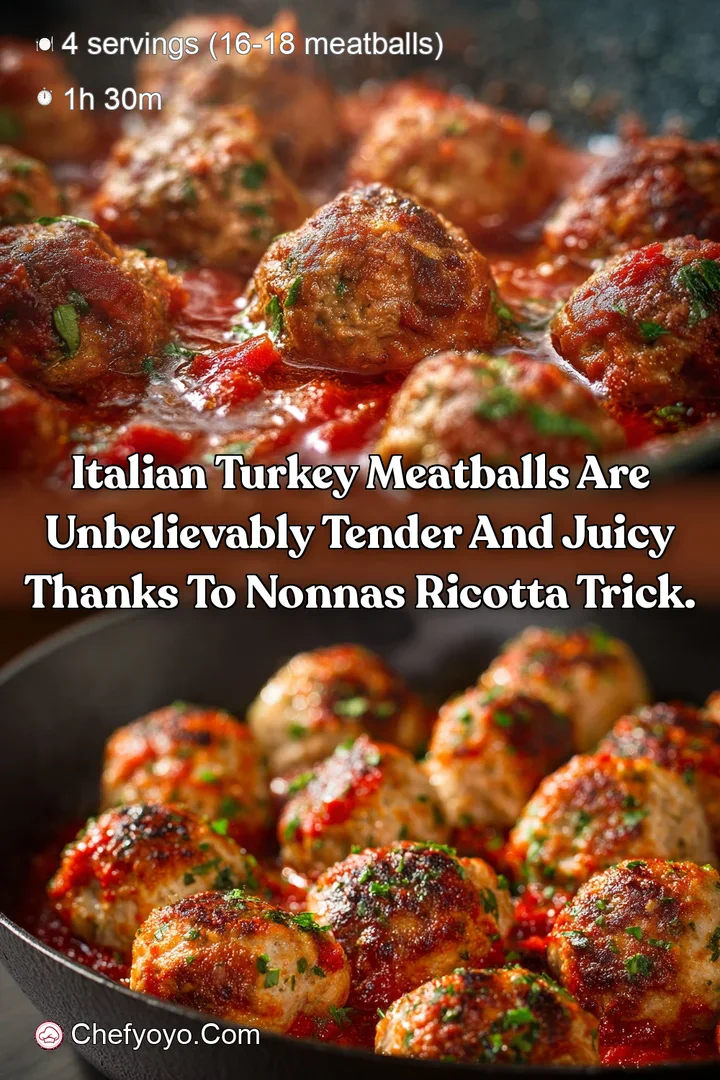
Recipe FAQs
Why are my Italian Turkey Meatballs dry and crumbly?
Turkey is naturally very lean, so the secret to moisture lies in the added fat and binder. Ensure you incorporate the ricotta cheese and the milk soaked breadcrumbs (the panade) fully, as these components trap moisture during cooking.
Also, be careful not to overwork the mixture, as excessive mixing develops the proteins, leading to a tough, dry texture.
Can I freeze these turkey meatballs, and should I cook them first?
Yes, these meatballs freeze exceptionally well, whether cooked or uncooked. To freeze raw, place them on a parchment lined tray and flash freeze until solid before transferring them to a freezer bag or container.
Cooked meatballs can be frozen directly in their marinara sauce; just be sure to thaw and reheat slowly to prevent the sauce from separating.
I don't have ricotta cheese. What is a suitable substitute for maintaining moisture?
Ricotta is crucial for the tender texture in this lean turkey recipe, but there are alternatives. You can substitute it with an equal amount of full fat mascarpone or fine curd cottage cheese that has been thoroughly blended smooth.
Avoid using cream cheese, as it is too dense and will alter the overall structure of the meatball.
My meatballs are falling apart in the sauce. What did I do wrong?
Meatballs often crumble if the mixture is too wet or if they are moved too aggressively during the initial simmer. Ensure you squeeze most of the excess liquid out of the breadcrumbs before adding them to the meat mixture.
Additionally, let the meatballs gently simmer, rather than vigorously boil, for the first 15 minutes so they can set fully.
Can I bake or air-fry these instead of cooking them in sauce?
Absolutely, baking or air-frying is a great way to develop a golden brown crust before simmering. To bake, place the balls on a wire rack at 400°F (200°C) for 15 to 20 minutes, or air-fry them at 375°F (190°C) for about 12 minutes.
Finish the cooking process by transferring them to the simmering marinara sauce for the final 30 minutes to absorb flavour.
How can I adjust the recipe to add a spicy, Calabrian kick?
To introduce heat, incorporate finely minced Calabrian chili paste or a half teaspoon of red pepper flakes directly into the raw meat mixture. For a milder, smoky heat that permeates the dish, simmer a small, whole dried chili pepper (like a peperoncino) within the marinara sauce, removing it before serving.
Can I use a different type of ground meat, like beef or pork?
Yes, you can substitute the turkey with ground beef (80/20 mix) or a beef/pork blend, but you may need to adjust the binding ingredients. Since fattier meats provide natural moisture, consider slightly reducing the amount of ricotta or milk in the recipe.
The increased fat content will naturally keep the meatballs tender and prevent drying.
Extra Moist Italian Turkey Meatballs Recipe
Ingredients:
Instructions:
Nutrition Facts:
| Calories | 664 kcal |
|---|---|
| Protein | 36.4 g |
| Fat | 38.1 g |
| Carbs | 41.3 g |
