Skillet Chicken Cacciatore Our Favorite 60Minute Onepan Meal
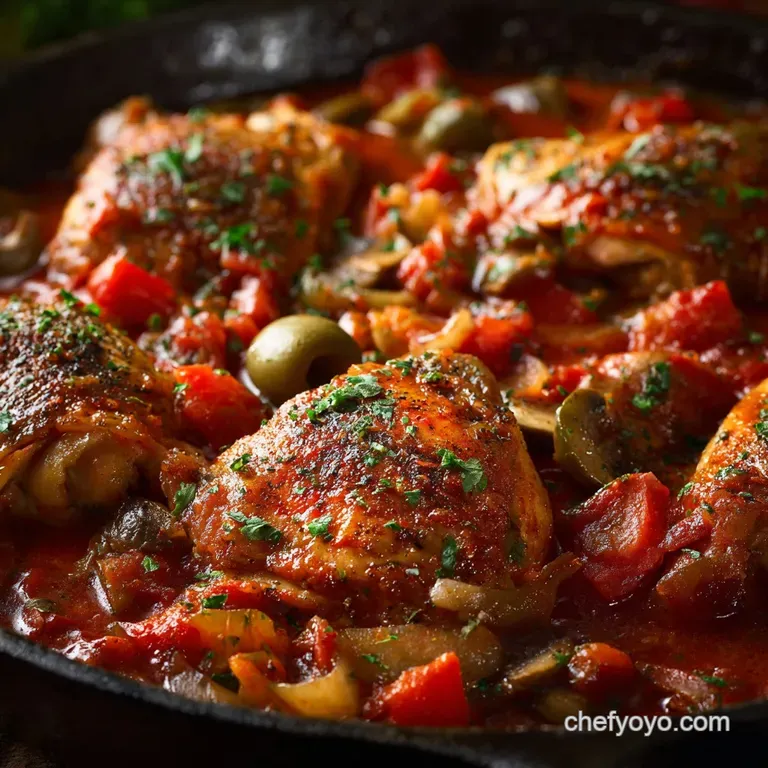
- Mastering Skillet Chicken Cacciatore: Italian Flavor, Weeknight Speed
- Building the Base: Essential Components for Authentic Cacciatore
- Cooking Through the Stages: Directions for the Best Skillet Chicken Cacciatore
- Expert Tips, Pairings, and Storage Solutions for Your Skillet Chicken Cacciatore
- Recipe FAQs
- 📝 Recipe Card
Mastering Skillet Chicken Cacciatore: Italian Flavor, Weeknight Speed
Okay, let's talk about Cacciatore. I know what you’re thinking: isn't that a big, sprawling, all and day stew? Traditionally, yes. But I’m here to tell you that you can achieve that same deep, gorgeous Italian flavour the kind that makes your kitchen smell like a Tuscan farmhouse in one pan, in about an hour.
Seriously. This easy skillet chicken cacciatore recipe has saved my weeknights more times than I can count.
Forget complicated steps or endless chopping. We are building massive flavour in layers, and we are using one, mighty, heavy and bottomed pan to do it all. This isn't just about speed; it's about concentrating those flavours where they count. It’s brilliant.
The Rustic History of the Hunter’s Stew
The name Cacciatore literally means "hunter’s style." When I first heard that, I imagined some rugged Italian dude dragging a pheasant through the woods. The reality is that this dish is inherently rustic, designed to use whatever ingredients were available to the hunter (or the cook) at the end of the day often peppers, onions, wild mushrooms, and a glug of local wine.
It’s inherently a resourceful, slow and simmered peasant dish.
My biggest breakthrough? Realizing the original versions didn't rely on twenty fancy ingredients. They just relied on time and letting simple flavours cook down until they become complex. If you stick with the classic trio onions, peppers, and tomatoes you cannot go wrong.
Don’t overthink it, okay?
Max Flavor, Minimal Cleanup: The One and Pan Promise
The entire ethos of this recipe is the one and pan promise. When you make skillet chicken cacciatore, you aren't just saving yourself dishes (which, let’s be honest, is reason enough). You are intentionally creating flavour bombs that contribute directly to the sauce.
When you sear the chicken, you leave behind something cooks call fond (the browned, sticky bits). That fond is pure magic. When you pour in the wine later (the deglazing step), those bits dissolve and become the bedrock of your rich tomato sauce.
If you used two pans, you'd miss out on 50% of the authentic depth this stew needs. That’s why this fast skillet chicken cacciatore method works so well.
Building the Base: Essential Components for Authentic Cacciatore
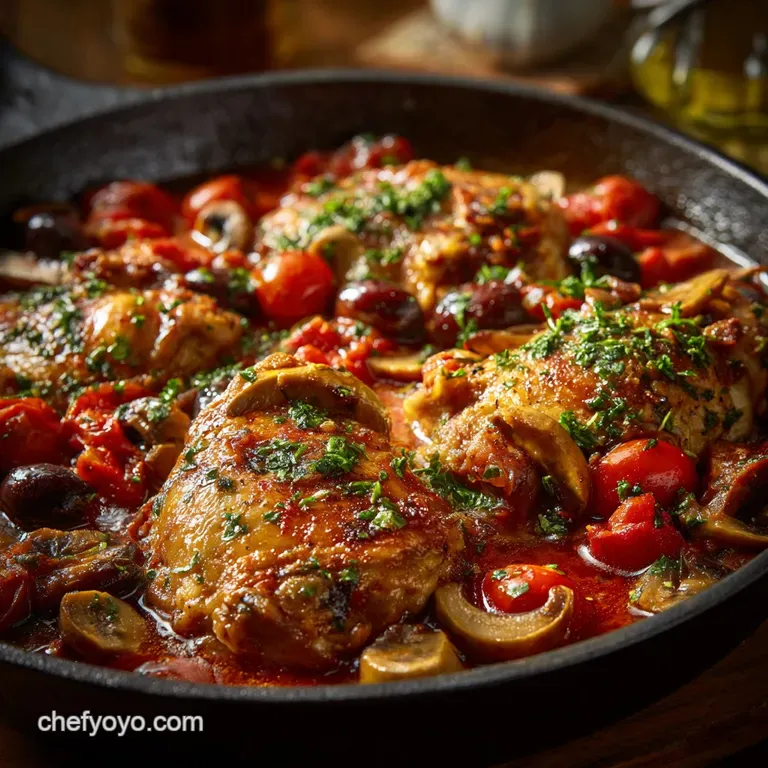
Selecting the Best Chicken Cuts for Searing and Simmering
If you want the best results, you must use chicken thighs. Period.
I know some folks insist on boneless chicken breast for a supposedly healthier chicken cacciatore, but breasts dry out too quickly during the long simmer time needed for the sauce to fully develop. Thighs, whether you opt for boneless or bone and in thighs, are fatty, rich, and stay incredibly tender.
They practically fall apart after 20 minutes in that sauce, which is exactly what we want.
If you use bone and in, skin and on thighs, the skin fat adds even more richness to the pan right at the start. Just make sure to trim off any really excessive, floppy fat bits before searing.
Stocking the Pantry: Tomatoes, Peppers, and Herb Must and Haves
For a dish this simple, ingredient quality is a big deal. The crushed tomatoes are the main character here, so please, splurge on a decent brand. The difference between watery, acidic, generic crushed tomatoes and imported Italian ones is monumental. Trust me on this.
What about the herbs? I stick to dried oregano and just a small hint of dried rosemary. Rosemary can be bossy, so use it sparingly. I learned that the hard way when I made a batch that tasted like I’d tossed a Christmas tree into the pot (oops).
Crucial Tip: Don't forget the mushrooms! They add an earthy, meaty texture that traditional Cacciatore demands. Cremini or button mushrooms work perfectly.
Required Gear: Choosing the Right Skillet for Heat Retention
The "skillet" part of the name isn't just a suggestion; it’s a requirement for success. You need a pan that holds and distributes heat evenly, especially when searing meat.
My go and to is a 12 inch cast iron skillet. It gets ripping hot and stays that way. If you don't have cast iron, a good quality stainless steel skillet with a heavy bottom or a wide Dutch oven works just as well. Just make sure the pan is deep enough to hold all the simmering liquid (about 3 inches high).
This pan chicken cacciatore needs room to breathe!
Related Recipes Worth Trying
- Creamy Green Chile Chicken Taquitos Crispy Baked or AirFried — Creamy Green Chile Chicken Taquitos are the ultimate comfort snack Loaded with succulent chicken and cream cheese this easy creamy taquitos recipe delivers...
- Air Fryer Popcorn Chicken UltraCrispy KFC Style Crunch at Home — This Air Fryer Popcorn Chicken recipe delivers ultracrispy juicy bitesized chicken perfect for an Easy Dinner Learn the cornstarch secret for that...
- General cooking recipes Foolproof LemonHerb Traybake Chicken — General cooking recipes should always be this easy Master this foolproof singletray lemonherb chicken and veggies Perfect for quick recipes or simple...
Cooking Through the Stages: Directions for the Best Skillet Chicken Cacciatore
Phase One: Achieving the Perfect Golden Sear on Your Chicken
This is where all the flavour starts. Pat your chicken thighs bone dry . If the skin or meat is damp, it steams, and you will not get that beautiful golden crust.
Heat your oil until it shimmers. Then, lay the chicken in the hot oil. And here is the key to life: leave it alone. Don't touch it for 3 or 4 minutes. You want a deep golden and brown sear.
If you crowd the pan (another rookie mistake I made hundreds of times), the temperature drops, and you just get sad, grey chicken. If you have four big thighs, sear them two at a time. It takes longer, but the payoff is worth it.
Phase Two: Deglazing and Sautéing the Aromatics
Once the chicken is seared and resting on a plate, reduce the heat. Add your onions and peppers. They will immediately start scraping up some of that beautiful fond left behind by the chicken. Cook them until they soften completely (8- 10 minutes). They should be nearly jammy, not crunchy.
Next, the garlic and tomato paste go in. Cook the paste for one minute. This step is non and negotiable! Cooking the tomato paste eliminates that metallic, raw taste and makes the final sauce richer and deeper in colour.
Now, pour in your red wine (or stock). Grab your wooden spoon and scrape vigorously. Look at that gorgeous, sticky brown stuff melting into the liquid. You are literally unlocking flavour right there.
Phase Three: The Low and Slow Simmer for Ultimate Tenderness
Once the wine has reduced slightly, add the crushed tomatoes, stock, and herbs. Give it a good stir. Don’t forget to add a pinch of sugar if your tomatoes seem particularly acidic (I usually do, just to balance things out).
Nestle the seared chicken back into the sauce. Make sure they are mostly submerged. Cover the pan loosely, turn the heat right down, and let the magic happen for 20 to 25 minutes.
If you’re using chicken cacciatore recipe with bone and in thighs , you might need 30 minutes. You’ll know it’s ready when the meat is incredibly tender and almost falling apart.
Finishing Touches: Adjusting Consistency and Final Seasoning
Before serving, remove that bay leaf it’s done its job. Now, taste it. This is your chance to shine. Tomato sauces absorb a ton of salt, so don't be shy about adding a final generous pinch of kosher salt and pepper until the flavours really pop.
If your sauce seems too runny (maybe your stock wasn't reduced enough), just lift the chicken out onto a plate and let the sauce simmer vigorously, uncovered, for about five minutes. It will thicken right up. Garnish with heaps of fresh parsley. Job’s a good ‘un.
Expert Tips, Pairings, and Storage Solutions for Your Skillet Chicken Cacciatore
The Best Accompaniments: What to Serve Alongside Cacciatore
Because the skillet chicken cacciatore is so rustic and saucy, you need a starch that can handle being smothered. You need a sponge.
- Creamy Polenta: This is my absolute favourite pairing. The cornmeal soaks up every drop of the tomato gravy, and the creamy texture is heaven against the hearty chicken.
- Crusty Bread: Grab a good loaf of sourdough or baguette. It’s mandatory for mopping up the plate (known as fare la scarpetta in Italian literally, "making the little shoe").
- Egg Noodles: If you like pasta, wide egg noodles are traditional and catch the chunky sauce beautifully.
- Simple Greens: If you want to keep the meal light, serve a quick side of sautéed kale or spinach dressed with lemon.
Customizing Your Skillet Cacciatore: Easy Variations and Swaps
This basic skillet chicken cacciatore recipe is just a jumping and off point. Feel free to play around! Here are a few easy ways to make it yours:
| Variation Idea | How to Implement |
|---|---|
| Spicy Cacciatore | Add 1/2 tsp of red pepper flakes with the dried herbs. |
| Briny & Bright | Stir in 1/2 cup of pitted Kalamata olives and 1 Tbsp of capers during the last 10 minutes. |
| Herb Swaps | Try fresh thyme or majoram instead of rosemary. |
| Vegetable Boost | Add carrots, fennel, or zucchini along with the onions and peppers. |
Optimal Refrigeration and Freezing Techniques
Cacciatore is one of those meals that tastes even better the next day (the flavours really meld when they sit). Store leftovers in an airtight container in the fridge for up to four days.
If you’re meal prepping, this freezes beautifully. Let the dish cool completely, then transfer it to freezer and safe containers (I use glass Pyrex). It keeps well for up to three months. When reheating, it’s best to thaw it overnight in the fridge and warm it gently on the stovetop.
If it seems dry, just add a splash of chicken stock while warming it through. That's your easy weeknight dinner plan, sorted.

Recipe FAQs
I'm trying to be healthy can I use chicken breast in this Skillet Chicken Cacciatore recipe instead of thighs?
Yes, you certainly can swap them, but be careful of timing! Chicken breast cooks much quicker than thighs, so reduce the simmer time to just 12 15 minutes and check the internal temperature (165°F/74°C) promptly to prevent them from drying out and becoming chewy.
This makes quite a lot! Does Chicken Cacciatore freeze well, or is it better to just refrigerate leftovers?
Absolutely this is a brilliant dish to batch cook and freeze. Store cooled portions in an airtight container for up to 3 days in the fridge, or tuck them away in the freezer for up to three months; the rich tomato sauce holds up wonderfully upon reheating.
My sauce tastes a bit thin and acidic after simmering. How can I quickly sort that out?
If the sauce is too thin, take the chicken out and let the sauce simmer vigorously, uncovered, for 5-10 minutes to reduce it down; if it tastes too acidic, stir in the optional half teaspoon of sugar or a tiny pinch of baking soda to balance the tomato flavour.
What’s the best thing to serve with the Skillet Chicken Cacciatore besides standard pasta?
The classic Italian choice is creamy, cheesy polenta or soft mashed potatoes, but honestly, the most crucial accompaniment is a rustic, crusty loaf of sourdough for the scarpetta that essential mop-up job for the glorious sauce!
I don't cook with alcohol. What should I use instead of red wine for deglazing?
No bother! Simply substitute the wine with equal parts chicken stock and add a tablespoon of balsamic vinegar right after scraping up the brown bits (fond); this non-alcoholic swap provides similar depth and acidity.
Fast Skillet Chicken Cacciatore Recipe
Ingredients:
Instructions:
Nutrition Facts:
| Calories | 500 kcal |
|---|---|
| Fat | 22.5 g |
| Fiber | 6 g |
