Christmas Main Dishes: Jolly Good Festive Ham with Clementine Clove Glaze
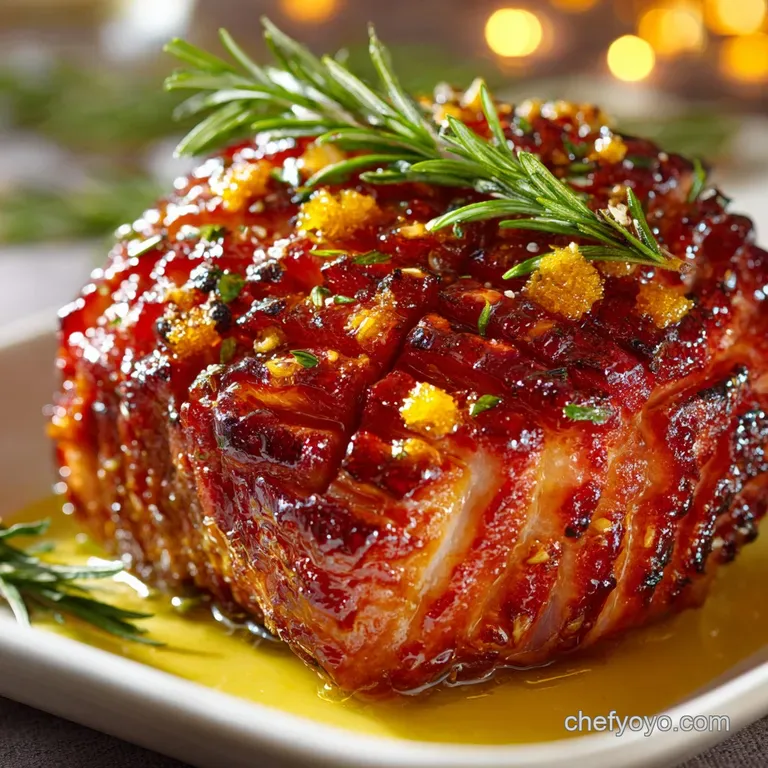
- The Ultimate Christmas Main Dishes Centerpiece: Ham Made Easy
- The Culinary Science: Flavor Optimization for Your Christmas Ham
- Essential Ingredients for the Jolly Good Festive Ham
- Preparing and Glazing the Best Christmas Main Dishes Ham
- Handling Leftovers: Storage and Freezing for Maximum Freshness
- Completing the Festive Spread: Serving Ideas for This Christmas Main Dishes
- Recipe FAQs
- 📝 Recipe Card
The Ultimate Christmas Main Dishes Centerpiece: Ham Made Easy
Forget the stress this year. The moment that sweet, spicy steam hits your nose that beautiful mix of clementine and clove you know Christmas dinner is going to be epic. This glazed ham is pure holiday magic captured in a glossy, sticky coating.
The aroma alone will convince everyone that you are a culinary genius.
This ham recipe is a true lifesaver for the big day, proving why Christmas Main Dishes don't need to be intimidating. It's mostly hands off since we're using a pre-cooked joint, which dramatically cuts down on active cooking time.
Less worrying about dry poultry means more time for prosecco and catching up with family, right? Plus, the glorious leftovers are the actual MVP for Boxing Day sandwiches.
I’ve learned all the tricks to get that perfect crackling caramel glaze without burning it to a crisp. We’re aiming for glossy, juicy, and utterly magnificent; a show stopping Christmas Dinner Main Dish Idea that requires surprisingly little effort.
Let's crack on and make this the star of your festive table.
The Culinary Science: Flavor Optimization for Your Christmas Ham
Moving Beyond Turkey: Why Ham is the Festive King
Turkey is traditional, sure, but ham is far more forgiving and delivers richer flavors. A properly prepared glazed ham offers a fantastic balance of salty, savory, and sweet. Because the joint is already cured, we are essentially just warming it through and adding layers of complexity to the fat cap.
This makes it an incredibly reliable choice when cooking Christmas Main Dishes For A Crowd.
A Feast for the Senses: The Aroma of Clove and Citrus
The flavor profile here is deeply traditional and warming. We use whole cloves, both for visual effect and for their powerful, penetrating spice. Pairing that potent warmth with the bright, sharp notes of clementine juice cuts through the richness of the pork perfectly.
It’s what makes this ham feel truly festive.
Achieving the Perfect, Crackling Caramel Glaze
The goal is a thick, jewel toned crust that shatters slightly when you slice it. The key is heat control and consistency. We use a combination of brown sugar and marmalade, and that pectin in the marmalade is the secret weapon.
It helps the glaze adhere and thicken beautifully on the surface of the fat, minimizing runoff while maximizing caramelization.
The Magic of Slow Roasting: Ensuring Optimal Succulence
We start the ham low and slow, wrapped in foil, to gently raise the internal temperature without evaporating the moisture. This is critical for succulence. Since the ham is already cooked, we are simply using a slow roast to melt the fat slightly and prepare it for the over high heat glaze treatment.
We only crank up the heat right at the end to set the crust.
Balancing Sweet and Spice: The Clementine and Clove Synergy
The glaze is intentionally punchy. The brown sugar provides depth, the cider vinegar provides essential acidity, and the clementine brings the sharp fruitiness. Trust me, without the vinegar, it would just taste sticky and flat. That little bit of sourness is what makes the sweet notes sing.
Pre-scoring Technique: Maximizing Glaze Penetration
Why do we bother scoring the fat cap into diamonds? Two reasons. First, it looks amazing when studded with cloves, making it the perfect Christmas Dinner Main Dish Ideas centerpiece. Second, those deep cuts allow the rich, syrupy glaze to seep down into the fat layer as it melts.
This ensures flavor isn't just sitting on top it permeates the entire crust.
Essential Ingredients for the Jolly Good Festive Ham
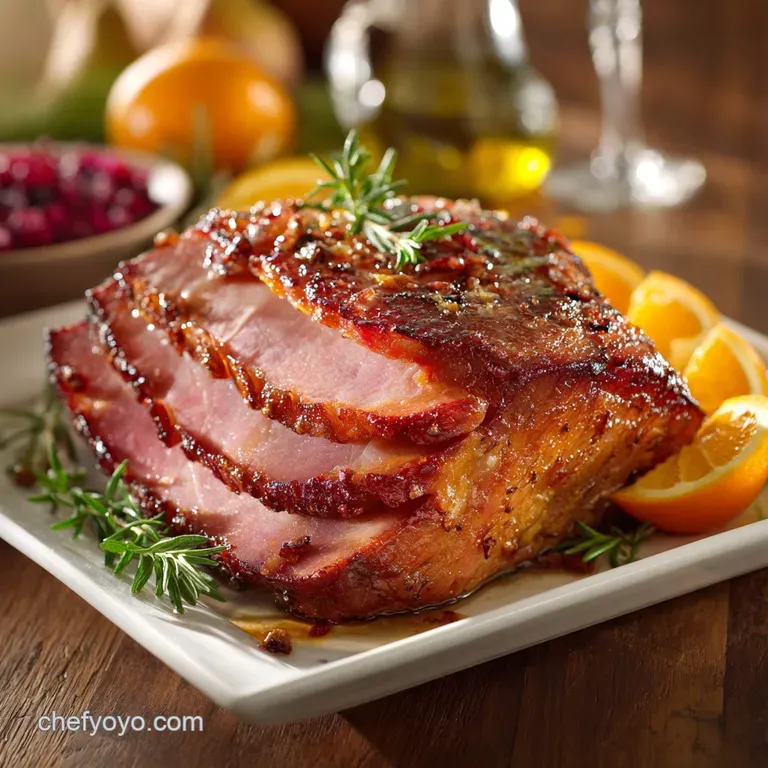
We are sticking to simple, powerful ingredients here. You want quality, especially with the marmalade it makes a difference!
Selecting Your Joint: Bone-In vs. Boneless Ham Guide
I always prefer a bone-in ham joint for Christmas Dinner Recipes Main Meat. The bone insulates the meat and imparts extra flavor, resulting in a juicier final product. However, if you are nervous about carving, a boneless joint works great.
Make sure you buy pre-cooked and cured ham , not raw ham, or you'll need significantly more cooking time and different preparation.
Sourcing the Best Clementine Juice and Zest
Freshly squeezed juice is non-negotiable here. Bottled juice lacks the brightness and essential oils found in the fresh fruit. I usually zest an extra clementine right into the glaze mixture for an added burst of citrus power.
Alternatives: Swapping Brown Sugar for Maple Syrup in the Glaze
| Ingredient | Amount (Original) | Viable Substitution | Why it works |
|---|---|---|---|
| Pre-Cooked Ham | 3 kg Joint | Shoulder of Pork (Requires longer cook time) | Swap sweetness for savoriness, adjust glaze. |
| Clementine Juice | 1/2 cup | Orange Juice + 1 tbsp Lemon Juice | Mimics the higher acidity of clementine. |
| Light Brown Sugar | 1 cup | 1 cup Pure Maple Syrup | Adds moisture and a deep, earthy sweetness. |
| Apple Cider Vinegar | 4 tbsp | White Wine Vinegar | Provides the necessary acidic balance to cut the sugar. |
Preparing and Glazing the Best Christmas Main Dishes Ham
Preparation Stage: Scoring the Fat Cap and Studding with Clove
This is the most hands-on part, so take your time. After removing the thick, leather like rind, you should be left with about half an inch of white fat. Use a very sharp paring knife to score this fat layer in diagonal lines, about an inch apart, then repeat in the opposite direction to create perfect diamonds.
Do not cut into the meat! Now, stud a whole clove into the center of every diamond. It looks so festive.
Crafting the Vibrant Clementine Glaze
In a small pot, whisk together the brown sugar, clementine juice, marmalade, vinegar, cinnamon, ground cloves, and salt. Bring this to a simmer over medium heat. Let it bubble gently for about 8 minutes.
You are looking for a syrupy reduction it needs to coat the back of your spoon nicely. This step can be done up to three days ahead and stored in the fridge!
The Two-Stage Roasting Process: Low and Slow Start
Get the ham in the oven, tented loosely with foil, at the low temperature (160°C/325°F). This initial roast ( 90 minutes for a 3kg ham) is just about thorough warming.
Make sure you pour that cider or water into the base of the roasting pan to keep the ambient heat moist and prevent drippings from scorching.
Applying the Glaze: Achieving the Golden Caramel Crust
After 90 minutes, remove the foil and crank the heat to 200°C (400°F). Now we glaze! Brush on the first third of the glaze generously. Return the ham to the oven and repeat this process every 15 minutes, using the remaining glaze in two more applications.
This builds up layers of flavour and colour.
Mistake Proofing: Preventing the Glaze from Burning
Here’s where I messed up my first few hams: I let the sugar glaze burn during the final stage. The high heat sets the sugar quickly, and it can go from glossy golden to black charcoal in five minutes flat. Keep a close eye on it during the last 30 minutes.
If the top begins to look too dark, simply tear off a small piece of foil and gently lay it over the affected area to shield it from the direct heat.
Chef's Note: Use an instant read meat thermometer. The internal temperature of a perfectly warmed ham should hit 60°C (140°F). Don't guess; accuracy saves dinner.
The Rest is Crucial: Slicing Technique for Juiciness
Please, please, do not slice into this magnificent Christmas Main Dish straight out of the oven! I once rushed this step and watched all the beautiful juices run onto the cutting board a true tragedy.
Transfer the ham to a carving board, tent it loosely with foil, and let it rest for at least 20 minutes. Then, slice against the grain using a long, sharp carving knife.
Handling Leftovers: Storage and Freezing for Maximum Freshness
Safe Refrigeration: Storing Cooked Ham
Leftover glazed ham keeps incredibly well in the refrigerator. Cool it completely before wrapping it tightly in foil or placing it in an airtight container. It should last safely for 3 to 4 days. This makes it perfect for grabbing chunks to use in other holiday meals, or perhaps even in a cheesy, comforting dish alongside my Cheesy Pull Apart Christmas Bread: Ultimate Garlic Showstopper .
Freezing Glazed Ham: Best Practices for Long Term Storage
Does it freeze well? You bet. Carve the ham into individual slices or chunks, which is much easier than freezing the whole joint. Wrap the portions tightly in plastic wrap, then seal them inside a zip-top freezer bag, pushing out all the air. Frozen ham should maintain its quality for up to 3 months.
Reheating Slices Without Drying Out
Reheating slices can be tricky because ham dries out easily. The trick is moisture. Place slices in an oven safe dish with a splash of cider or broth at the bottom, then cover tightly with foil. Reheat slowly in a 150°C (300°F) oven until warmed through.
Alternatively, microwave small portions in short bursts, covered, with a tablespoon of liquid.
Completing the Festive Spread: Serving Ideas for This Christmas Main Dishes
Perfect Sides: Creamy Dauphinoise and Roasted Root Vegetables
This intensely flavored ham needs classic, comforting sides. A creamy potato dish, like Dauphinoise, provides richness, while roasted root vegetables offer grounding earthiness. You might even consider my fantastic Holiday Side Dishes: Show Stopping Maple Glazed Butternut Squash for a perfect pairing of sweet and savory.
Festive Accompaniments: Cranberry Sauce and Sharp Mustards
Balance is everything. The sweetness of the glaze requires a sharp, tangy accompaniment. Serve a homemade cranberry sauce one that’s slightly tart and a selection of strong mustards, like English or Dijon. These condiments cut through the richness beautifully.
Post Holiday Use: Creative Leftover Ham Recipes
Don't let a single scrap go to waste! Leftover glazed ham is culinary gold. Dice it up and throw it into a quiche, or chop it finely for delicious holiday themed canapés, perhaps alongside your pre-prepared Christmas Finger Foods: make-ahead Cranberry Brie Pinwheels . Another genius idea?
Ham and cheese croissants for a fantastic New Year's Day breakfast.

Recipe FAQs
Why did my ham turn out dry, even though I glazed it frequently?
Dryness is typically caused by overcooking or using too high a heat setting, causing moisture loss. Ensure you are cooking the ham low and slow, and always use a meat thermometer to pull the ham exactly at the correct internal temperature (140°F / 60°C for pre-cooked ham).
Should I score the ham fat before applying the Clementine & Clove glaze?
Yes, scoring the ham fat in a shallow diamond pattern is highly recommended. This allows the beautiful, sticky glaze to penetrate the fat layer, ensuring it adheres better and creates that desired caramelised crust.
I don't have clementines for the glaze. What citrus can I use instead?
The best and most balanced substitution is fresh orange juice, as it offers a similar sweet and acidic profile that complements the cloves perfectly. If using standard navel oranges, you might need to slightly reduce the amount of added brown sugar, as they can sometimes be sweeter than clementines.
My glaze is running off the ham and pooling in the roasting pan. How can I fix this?
The glaze is likely too thin or hasn't reduced enough. If your glaze is runny, simmer it longer on the stovetop until it lightly coats the back of a spoon, creating a more viscous, syrup like consistency before you apply it to the hot ham.
Can I prepare the glaze in advance?
Absolutely. The clementine and clove glaze can be made up to three days ahead of time and stored in an airtight container in the refrigerator. Reheat it gently on the stovetop before applying it to the ham, ensuring it’s liquid enough for basting.
How long can I safely store leftover glazed ham, and can I freeze it?
Leftover ham should be cooled quickly and stored airtight in the refrigerator for up to 3 to 4 days. For longer storage, slice the ham into manageable portions and freeze it; it will maintain quality for optimal flavor for about 1 to 2 months.
Does this recipe work best with a bone-in or boneless spiral ham?
While both work, a bone-in ham is preferable as the bone helps retain moisture and delivers superior flavor during the long slow roast. If you use a spiral cut ham, reduce the baking time significantly and baste much more frequently, as the pre-cut slices are prone to drying out quickly.
Festive Clementine Glazed Christmas Ham
Ingredients:
Instructions:
Nutrition Facts:
| Calories | 1973 kcal |
|---|---|
| Protein | 165.9 g |
| Fat | 105.7 g |
| Carbs | 78.0 g |
