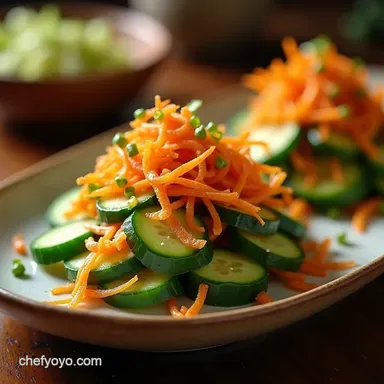
The No Fuss Fiery Crisp Korean Cucumber Salad Oi Muchim
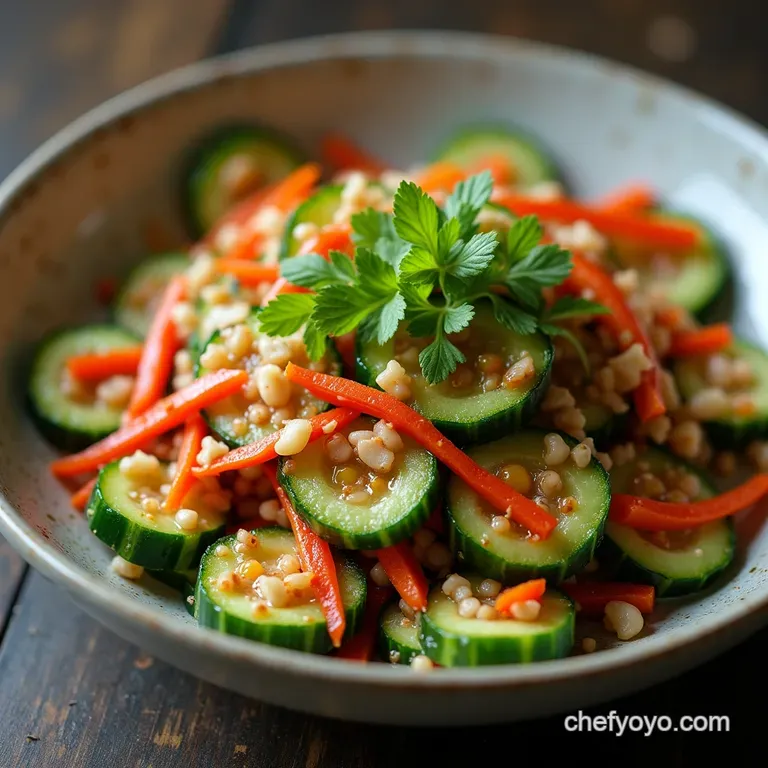
- Why This Quick Oi Muchim Is Your New Go-To Side Dish
- Understanding the Magic Behind Authentic Korean Cucumber Salad
- Assembling Your Essential Fiery Dressing Components
- The Crucial Step: Drawing Out Excess Water from Cucumbers
- Mastering the Quick Toss: Combining Flavor Components Perfectly
- Serving Suggestions: What Pairs Best with Spicy Korean Cucumber Salad
- Extending Freshness: Storing Leftovers Effectively
- Recipe FAQs
- 📝 Recipe Card
Why This Quick Oi Muchim Is Your New Go-To Side Dish
When the weather heats up, or when you’re serving up anything rich, fatty, or deeply savoury like juicy grilled pork belly or a hearty stew you need a palate cleanser that fights back with brightness and texture.
Enter the Korean Cucumber Salad , known affectionately in Korea as Oi Muchim . This isn't your grandmother's soggy cucumber salad drowned in heavy mayo; this is vibrant, assertive, and addictive.
It requires zero cooking, making it one of the fastest ways to introduce authentic Korean flavour complexity into your weekly meal rotation. It’s designed to be a delicious, punchy accompaniment, elevating simple meals into something truly memorable.
Understanding the Magic Behind Authentic Korean Cucumber Salad
The secret to truly exceptional Oi Muchim lies in technique, not complexity. Unlike many Western salads that rely on creamy bases, this Refreshing Cucumber Salad succeeds because of the textural contrast achieved before the dressing even hits the vegetable.
It’s about maximising crunch while ensuring the dressing clings perfectly to every slice.
The Perfect Zesty Antidote to Rich Meals
Think about the flavour profile of many popular Korean staples: rich, fermented, often oily, and deeply satisfying. This Korean Side Dish Recipe provides the essential high note needed to balance that richness.
The vinegar cuts through fat, the coolness of the cucumber soothes the palate, and the spice provides a warming finish that keeps you coming back for the next bite. It’s the ideal counterpoint, ensuring that your main dish feels lighter and more balanced overall.
A Flavor Profile: Sweet, Spicy, Tangy, and Umami
What stops this from being just another cucumber pickle is the dynamic interplay of its seasoning. We aim for a harmony that hits all the major flavour points. You get the deep, fermented saltiness from the soy sauce (umami), the sharp, clean lift from the rice vinegar (tangy), a gentle roundness from the sugar (sweet), and that signature warm heat from the chilli flakes (spicy).
Achieving this balance is what transforms a simple vegetable into a star accompaniment.
What Makes This Preparation Uniquely Refreshing
The freshness stems directly from how the cucumbers are treated. By briefly salting them, we extract water without compromising the cellular structure, leading to a crispness that lasts much longer than if you just tossed raw cucumbers with dressing immediately.
This preparation ensures that every mouthful offers an intense, snappy texture coupled with a bright, herbaceous dressing dominated by toasted sesame notes. It truly earns its reputation as a Quick Cucumber Salad .
Assembling Your Essential Fiery Dressing Components
The dressing is where the vibrant personality of this Spicy Cucumber Salad truly shines. While the process is quick, the components must be high quality and measured correctly to achieve that signature flavour.
Selecting the Ideal Cucumbers for Maximum Crunch
For the best results in this Easy Asian Cucumber Salad , aim for Persian or Kirby cucumbers. These varieties have fewer seeds and thicker skins, meaning they hold up exceptionally well to the salting process and retain their beautiful snap.
If you use standard English cucumbers, you might find them slightly more watery, so be diligent in the draining step later. The goal is a cucumber that snaps, not bends, when you bite into it.
Must Have Pantry Staples for the Marinade Base
The core of the dressing relies on a few non-negotiables. You’ll need good quality, low-sodium soy sauce for depth without excessive saltiness. Crucially, use rice vinegar —not apple cider or distilled white vinegar as its milder, slightly sweet acidity is essential for the Korean profile.
A touch of granulated white sugar dissolves easily and balances the tang effectively.
The Role of Gochugaru: Choosing Your Spice Level
The defining characteristic of this Gochujang Cucumber Salad (though we use the flakes, not the paste, for a cleaner texture) is gochugaru , or Korean chilli flakes. These flakes are different from standard crushed red pepper; they are smoky, slightly sweet, and vibrant red.
I recommend starting with two tablespoons. If you prefer less heat, reduce it slightly, but remember that gochugaru adds colour and flavour depth beyond mere capsaicin heat.
Required Kitchen Tools for Optimal Salting and Mixing
You don't need specialized equipment here, which contributes to this being such an accessible recipe. A large, non-reactive mixing bowl is vital for tossing the cucumbers with the salt and later with the dressing. A sharp knife ensures clean, even slices (about 1/8 inch thick), which is necessary for uniform salting.
Finally, a small whisk or fork is perfect for quickly emulsifying the dressing components before they meet the vegetable.
Related Recipes Worth Trying
- Butternut Squash and Pomegranate Salad with Maple Vinaigrette — This Roasted Butternut Squash and Pomegranate Salad is a flavour bomb Perfect as a Vegetarian Thanksgiving Dish or simple weeknight side Get the foolproof...
- Best Potato Salad Recipe Tangy Herbaceous Side Dish — Ditch the grey mush This easy potato salad recipe ensures flavour in every bite by dressing warm potatoes first Perfect for barbecues Get the full recipe
- The Ultimate TikTok Raw Carrot Salad Recipe 15 Mins — Looking for the viral TikTok Raw Carrot Salad This recipe nails the crunchy texture and tangy dressing An easy raw carrot salad recipe perfect for lunch
The Crucial Step: Drawing Out Excess Water from Cucumbers
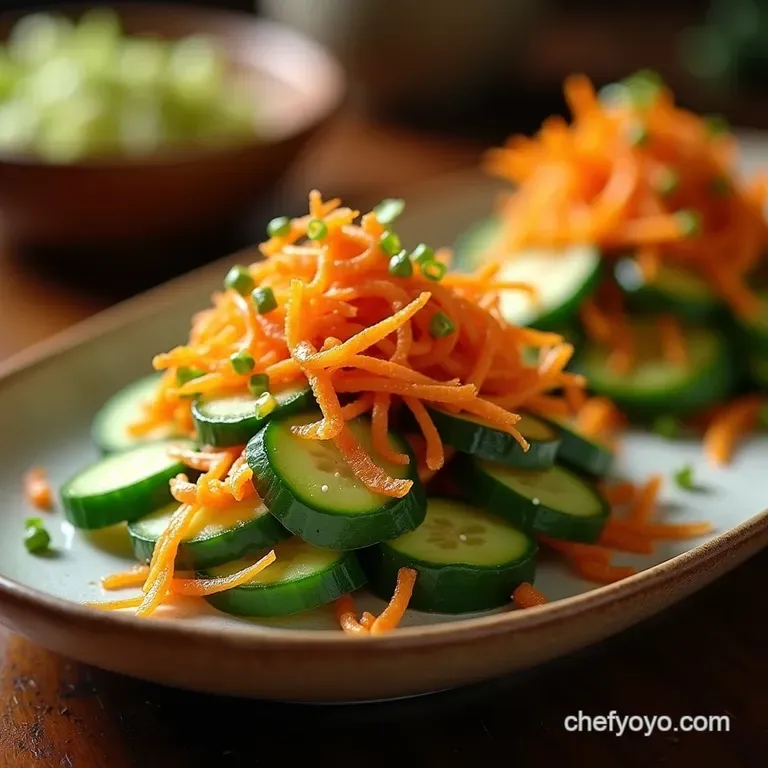
This technique is the most important part of achieving a non-soggy result. After slicing about 1 lb (450g) of cucumbers thinly, they are tossed immediately with about one teaspoon of coarse sea salt. This process, known as maceration, uses osmosis to draw excess moisture out of the cucumber cells.
Let them sit for 30 to 45 minutes. You will visibly see water pooling at the bottom of the bowl.
Mastering the Quick Toss: Combining Flavor Components Perfectly
Once the cucumbers have sweated out their water, the next steps involve rinsing, draining, and then marrying the drained vegetable with the vibrant seasoning.
Precise Salting Times for Texture Control
Do not rinse the cucumbers before the 30-minute mark, or you’ll undo the osmotic work. Once rested, you must rinse them briefly under cold running water to wash off the surface salt, and then, critically, squeeze them.
Use your hands to firmly press the cucumbers against the side of a colander or squeeze them gently in a clean tea towel to remove every drop of remaining water. This squeezing ensures your final Korean Cucumber Salad Ingredients result in a crisp, chewy texture rather than a watery mess.
Building the Sauce: Layering the Acids and Aromatics
While the cucumbers are resting, it’s time to build the dressing. Whisk together 3 tablespoons of rice vinegar, 1 tablespoon of soy sauce, 1 tablespoon of sugar, and 2 minced cloves of garlic.
Once those are integrated, stir in your 2 tablespoons of gochugaru and the 1 tablespoon of toasted sesame oil. Finally, fold in 2 thinly sliced scallions reserving a few for garnish for fresh oniony sharpness.
Immediate Serving vs. Flavor Development: Timing Your Meal
After coating the dry cucumbers thoroughly with the dressing, the final decision is timing. While you can eat this Oi Muchim Recipe immediately, I strongly advise a brief resting period.
Transfer the dressed salad to the refrigerator for a minimum of 15 minutes. This chilling time allows the cucumbers to absorb the flavours without becoming limp. The goal is to serve it cool, crunchy, and deeply seasoned, not lukewarm and freshly mixed.
Serving Suggestions: What Pairs Best with Spicy Korean Cucumber Salad
This dish excels when paired with hearty, comforting fare. It serves beautifully alongside Korean BBQ, providing necessary acidity to cut through marinated meats. It's also a fantastic component in a banchan spread, pairing well with rice and simpler protein dishes like steamed fish or tofu.
For an even more layered meal, try mixing leftover salad perhaps with some extra cooked noodles to create a fast, spicy noodle salad.
Extending Freshness: Storing Leftovers Effectively
While best eaten the day it’s made, this Refreshing Cucumber Salad holds up reasonably well for 2 3 days in an airtight container in the refrigerator. Remember that over time, the cucumber will continue to soften as it releases more moisture into the dressing.
For optimal texture, try to consume within 48 hours.
Creative Twists: Optional Add-ins for Flavor Variation
To keep things interesting, consider adding a few optional ingredients during the final toss. A splash of lime juice brightens the acidity beautifully, especially in summer. Some cooks enjoy adding a teaspoon of finely grated fresh ginger for an extra layer of pungent warmth, or mixing in a few toasted peanuts for added nutty texture against the soft crunch of the cucumber.
Nutritional Snapshot: A Light yet Satisfying Side
One of the great benefits of this recipe is its light nutritional profile. At roughly 100 calories per serving, it’s packed with flavour derived largely from herbs and spices, using only a small amount of healthy fat from sesame oil.
It’s a low-carb, vegan friendly side that delivers significant taste impact without weighing down your meal plan.
Troubleshooting Common Oi Muchim Mistakes
The most frequent pitfall is sogginess, which stems from inadequate draining after salting. If your salad is too salty, don’t panic; try rinsing the dressed salad lightly under cold water and squeezing again very gently, then perhaps adding a touch more sugar or vinegar to compensate for the diluted flavour.
If the dressing seems too thick, add half a teaspoon of water or a tiny splash more rice vinegar to loosen it up until it coats the slices nicely.
Recipe FAQs
Why is my Korean Cucumber Salad soggy instead of crunchy?
Ah, that's a common pitfall, but easily fixed! The key to that brilliant crunch is properly drawing out the water after salting. After letting the cucumbers rest, you must rinse them well and then squeeze out as much liquid as humanly possible think wringing out a wet sponge after a good scrub.
If you skip this, the dressing just sits in a watery puddle.
Can I make this Korean Cucumber Salad ahead of time, or does it need to be served immediately?
Ideally, you want to serve this within a few hours of making it, certainly on the same day. While the initial salting and marinating need time, the longer it sits, the more moisture the salt will continue to draw out, making the cucumbers less snappy.
If you must prep ahead, store the dressing and the squeezed cucumbers separately and combine them about 30 minutes before serving.
What is Gochugaru, and can I use something else if I can’t find it in my local shop?
Gochugaru is Korean chilli flakes, and it’s vital for the authentic flavour and vibrant colour of this salad. They are less sharp and fruitier than standard cayenne pepper. If you’re truly stuck, use a mix of sweet paprika for the colour and a very small pinch of high-quality chilli powder for the heat, but be warned, the true fiery sweet depth won't quite be there!
How spicy will this salad be, and how can I adjust the heat level?
The recipe as written gives a medium, satisfying kick nothing too fierce, much like a good neighbourhood pub quiz. If you prefer it milder, simply reduce the amount of Gochugaru by half a tablespoon at a time.
For true fire breathing enthusiasts, add an extra teaspoon of flakes or a dash of gochujang (chilli paste) to the dressing.
I’m trying to keep the calories down; is there a way to reduce the sugar in this spicy cucumber salad?
Absolutely! The sugar is there to balance the vinegar and salt, but you don't need a mountain of it. You can safely reduce the sugar by a third without ruining the flavour balance.
Taste it before adding the final bit you’ll find the natural sweetness of the cucumbers and the tang of the rice vinegar might mean you don't miss that extra spoonful at all!
Fiery Korean Cucumber Salad