Fig Caramelized Onion and Goat Cheese Pizza: the Ultimate Sweet Savoury Bake
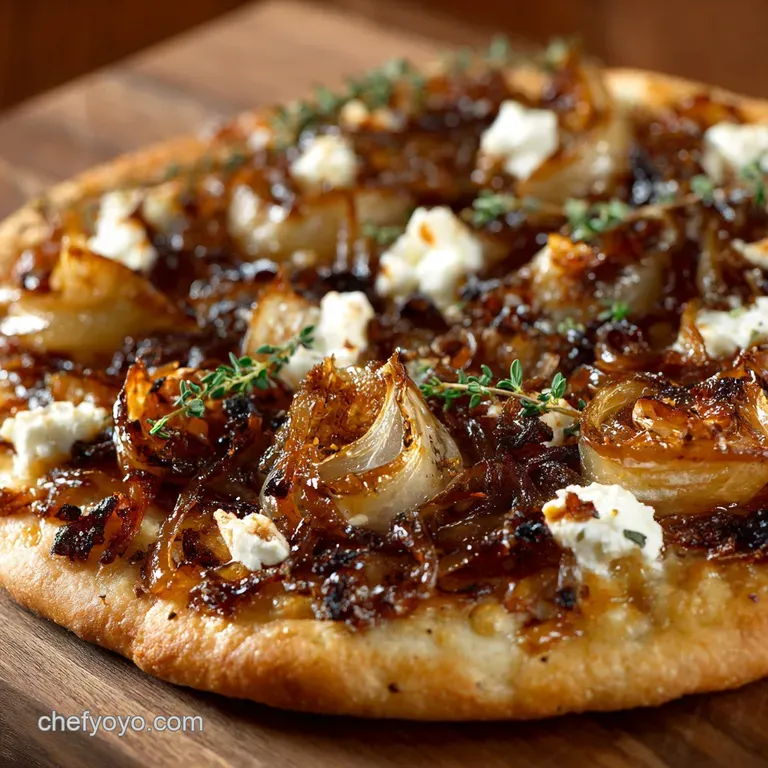
- The Fig Caramelized Onion and Goat Cheese Pizza Phenomenon: A Culinary Overview
- Mastering the Contrast: The Flavor Science Behind This Pizza
- Essential Components for Your Artisan Fig Pizza
- Baking Your Ultimate Fig Caramelized Onion and Goat Cheese Pizza
- Troubleshooting and Pro Tips for a Perfect Bake
- Storing and Reheating Fig Caramelized Onion Pizza Safely
- Elevated Pairings: What to Serve Alongside Your Pizza
- Recipe FAQs
- 📝 Recipe Card
The Fig Caramelized Onion and Goat Cheese Pizza Phenomenon: A Culinary Overview
When this pizza hits the oven, the resulting aroma is pure magic. You get the deep, buttery sweetness from those slow cooked onions mixing with the warm, earthy scent of melting goat cheese, all kissed by rosemary.
It’s savory, it’s sweet, and it’s the kind of complex scent that makes everyone drop what they are doing and gather in the kitchen.
This pizza is the ultimate deception, frankly. It looks incredibly gourmet, like something you’d pay $25 for in a fancy trattoria, but the assembly is ridiculously fast. It’s my go-to recipe for when I want maximum impact with minimum fuss, transforming a standard Friday night into an elegant feast.
It also scales perfectly for entertaining.
Skip the greasy pepperoni tonight. We are diving deep into a truly adult pizza experience, balancing sticky sweetness, deep savory notes, and the perfect punch of tang. Trust me, every minute you spend slowly cooking those onions is worth the glorious flavor reward.
Mastering the Contrast: The Flavor Science Behind This Pizza
The Allure of Sweet and Savoury Balance
This recipe works because it avoids the typical clash of sweet and savory toppings that often happens when people just dump pineapple on a pie. Here, the sweetness is complex; it comes from the Maillard reaction in the onions, not just raw sugar.
This provides an incredible depth, which is instantly balanced by the creamy, salty bite of the goat cheese.
Prep Time vs. Cook Time: Setting Expectations
The physical preparation time is truly minimal maybe 15 minutes of slicing and stretching. However, do not rush the onions. The recipe calls for 45 minutes of slow, low cooking, and this is where 90% of the flavor is built.
That low and slow dedication is non-negotiable for success; it’s a meditative act of cooking.
Why Skip the Traditional Tomato Base?
A tomato base, particularly a wet one, would simply compete with the subtle, deep flavors we’re building here. Tomatoes introduce too much moisture and acidity, leading to a soggy crust and muddling the sophisticated onion flavor. We use a simple brush of olive oil instead.
The Maillard Reaction in Caramelizing Onions
This process is why your house smells so amazing, by the way. By cooking the onions over low heat for a long time, their natural sugars caramelize, and the amino acids react, creating hundreds of new flavor compounds.
This yields that rich, jam-like consistency and deep brown color that simply can't be achieved by cooking them quickly.
Tang vs. Sweet: How Goat Cheese and Fig Interact
The fresh figs and caramelized onions provide the sweet, sticky base. Goat cheese, typically tangy and earthy, cuts through that richness beautifully. This high contrast approach sweet on one end, acidic and salty on the other keeps your palate engaged and prevents the pizza from feeling overly heavy or cloying.
Texture Play: Creamy Cheese Meets Crisp Crust
Texture is just as important as flavor. We achieve a light, airy, and shatteringly crisp crust by using a super hot oven and baking stone. That crispy base provides the perfect counterpoint to the creamy, melted goat cheese and the softer, tender figs.
Essential Components for Your Artisan Fig Pizza
Sourcing the Perfect Cheeses (Goat Cheese Focus)
Goat cheese is the star here, providing necessary salt and tang. You want a quality goat cheese log (chèvre). Choose one that is fresh and slightly crumbly; stay away from overly processed soft tubs.
I sometimes sprinkle a tiny bit of pre-shredded low-moisture mozzarella underneath the other toppings, just to help the base set up quickly, but the flavor must come from the chèvre.
Choosing the Right Figs (Fresh vs. Dried Options)
Fresh figs are magnificent if you can find them Black Mission figs offer deep, slightly berry notes, while Calimyrna figs are sweeter and nuttier. Look for figs that yield slightly to pressure but aren't squishy.
If fresh figs aren't in season, you can easily use fig jam or preserves instead; just spread it very lightly so you don't introduce too much moisture.
Ingredient Swaps and Allergy Alternatives
Flexibility is key in my kitchen. Nobody has time to run to the store for one item!
| If You Don't Have... | Use This Instead... | Why It Works |
|---|---|---|
| Goat Cheese | Crumbled Feta or Gorgonzola | Feta is equally salty and tangy; Gorgonzola adds pungent creaminess. |
| Fresh Figs | Fig Jam or Apricot Preserves | Provides the necessary sticky sweetness. Spread sparingly. |
| Yellow Onions | Vidalia or Walla Walla (Sweet Onions) | These will caramelize slightly faster due to higher sugar content. |
| Balsamic Glaze | Honey or Maple Syrup | Essential for the final sweet and viscous drizzle. |
Chef’s Note: If you want a fun textural crunch, try scattering some lightly toasted nuts. The concept is similar to balancing sweet and salty, much like my recipe for Candied Cashews: Perfectly Crisp Sweet Sweet Salty Glazed Nuts — but here, keep it simple with pine nuts.
Homemade Dough vs. store-bought Shortcuts
Listen, I love making dough from scratch, but sometimes life happens. A good quality, pre-made dough from your local grocery store or bakery works perfectly fine. The critical step is ensuring the dough is at room temperature for at least an hour before you try to stretch it.
Cold dough fights back aggressively.
Baking Your Ultimate Fig Caramelized Onion and Goat Cheese Pizza
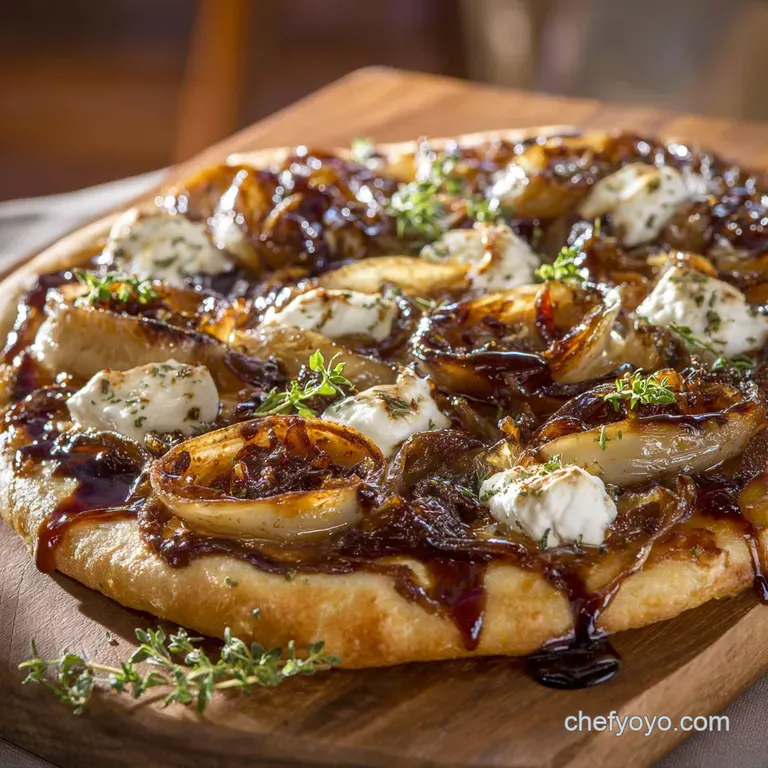
Phase 1: The Art of Slow Cooking the Onions
This part takes patience, dear friend. Heat the oil and butter in a heavy pan over medium low heat. Add your thinly sliced onions, salt, and thyme, stirring until coated. Then, walk away (mostly). Keep the heat low and cook for 40– 45 minutes, stirring every five to seven minutes.
They should shrink dramatically and turn a deep, dark mahogany brown. They must be cool before they touch the dough; warm toppings equal a soggy crust later.
Phase 2: Stretching the Dough and Layering the Base
Preheat your oven with the pizza stone inside to the highest setting you can manage (500°F/260°C is ideal) for a full 30 minutes. Once the stone is screaming hot, stretch your room temp dough gently into your desired shape. Brush the dough lightly with olive oil right up to the edges.
Phase 3: Assembly and Achieving the Golden Crust
Spread the cooled caramelized onions evenly over the base, leaving a one-inch border. Next, scatter the optional mozzarella, followed by the goat cheese crumbles. Arrange your fig quarters evenly and sprinkle with fresh rosemary. Slide the pizza quickly onto the preheated stone or steel.
Baking usually takes 10 to 12 minutes. Watch for a deeply puffed, golden crust and bubbling cheese.
The Post Bake Finishing Touches
Pull the pizza out immediately once done. This is the moment for the Balsamic Glaze . Drizzle it artfully over the hot pizza don't be shy. A final pinch of flaky sea salt elevates the entire dish, ensuring that every bite hits all the flavor notes.
Let it cool for two minutes before slicing.
Troubleshooting and Pro Tips for a Perfect Bake
Why Are My Onions Not Caramelizing Properly? (The Heat Myth)
If your onions are cooking fast, they are burning, not caramelizing. Caramelizing happens slowly, converting starch to sugar. If they brown in less than 20 minutes, they will taste bitter and lack that deep, complex sweetness.
Keep the heat low, and if they start sticking, add a tablespoon of water, not more oil.
Preventing a Soggy Pizza Base
There are two major culprits for sogginess. First, the pizza stone wasn't hot enough. Give it a full 30 minutes in that 500°F oven. Second, the toppings were wet or hot.
Always cool your caramelized onions completely, and don't overload the pizza; less is genuinely more here.
Achieving Restaurant Quality Dough Edges
Use a thin film of olive oil on the edges of the crust just before baking. This helps the crust expand, blister beautifully, and brown intensely, providing that satisfying, chewy outer ring.
Storing and Reheating Fig Caramelized Onion Pizza Safely
Short Term Refrigeration Techniques
Leftovers are delightful! Store the pizza in an airtight container or wrapped tightly in aluminum foil in the refrigerator. It is best consumed within 3 days.
Freezing Unbaked vs. Baked Pizza
I highly recommend freezing the caramelized onions separately instead of freezing the whole pizza. If you must freeze baked slices, wrap them individually in plastic wrap, then foil, and freeze for up to one month.
Do not attempt to freeze unbaked pizza dough with wet toppings; it will ruin the crust structure.
The Best Way to Reheat Leftovers
Microwaving is a crime against pizza. To restore that gorgeous crispness, use a toaster oven or standard oven set to 350°F (175°C). Place the slices directly on the rack (or a pizza stone, if you have one small enough) and heat for 8 to 10 minutes until the cheese is bubbling and the bottom is firm again.
Elevated Pairings: What to Serve Alongside Your Pizza
Because this Fig Caramelized Onion and Goat Cheese Pizza is so rich, you need something bright and fresh to serve alongside it. A simple, peppery salad of arugula dressed lightly with lemon juice and a good olive oil is all you need. The bitterness of the greens cuts through the sweetness perfectly.
This pizza also makes a wonderful centerpiece for a casual meal, perhaps paired with something fresh and simple like Bruschetta with Tomato and Basil: The Essential Classic Italian Antipasto while your guests wait for the main event. It keeps the whole meal feeling Italian inspired and light.
Recipe FAQs
Why does it take so long to caramelize the onions, and can I speed up the process?
True caramelization requires patience; the slow breakdown of sugars in the onions needs low heat over 35-45 minutes to achieve that deep, complex sweetness. Rushing the process by using high heat will result in burnt, bitter onions rather than perfectly softened, sweet ones.
If you are extremely time constrained, you can add a tiny pinch of baking soda, which slightly raises the pH and accelerates the browning reaction.
Fresh figs are not available right now. What is the best substitution?
The best substitution for fresh figs is high-quality dried figs (like Black Mission figs) that have been gently simmered in a small amount of balsamic vinegar or red wine until plump and soft.
Alternatively, a high-quality, thick fig jam or fig paste works excellently when spread lightly over the base before the caramelized onions are applied. Avoid overly sweet substitutions like dates, as they can overwhelm the other delicate flavours.
My pizza crust always gets soggy under the toppings. How can I prevent this?
Soggy crust usually happens because of excessive moisture from the toppings or poor heat transfer to the base. Ensure your caramelized onions are cooled completely and well drained of any residual liquid before assembling the pizza.
You can also par-bake the dough for 5-7 minutes before adding the toppings; this creates a slight crust barrier against moisture.
I am not a fan of the strong tang of goat cheese. What is a milder cheese substitution?
For a similar creamy texture with a significantly milder flavour, try using soft Boursin cheese, or substitute with ricotta mixed with a touch of honey and lemon zest. If you want a tangy, salty crumb without the specific "goaty" flavour, high-quality crumbled feta cheese is also an excellent choice that pairs well with the figs and onions.
You could also opt for a delicate, fresh mozzarella (fior di latte) if you prefer a less sharp flavour profile.
Can I prepare any components of this pizza ahead of time?
Yes, the caramelized onions are the most time consuming step and can be made up to three days in advance; store them covered tightly in the refrigerator. Ensure the onions come completely back to room temperature before assembling the pizza, as cold toppings can interfere with the dough's rise.
You can also freeze the finished caramelized onions for up to two months in an airtight container.
What is the best way to store and reheat leftover slices?
Store leftover pizza tightly wrapped or in an airtight container in the refrigerator for up to three days. To reheat, avoid the microwave, which turns the crust rubbery; instead, place slices on a baking sheet at 350°F (175°C) until the crust is crisp, usually 8-10 minutes.
For maximum crispiness, heat slices quickly in a dry, hot skillet on the stovetop until the bottom is golden.
Fig Caramelized Onion Goat Cheese Pizza
Ingredients:
Instructions:
Nutrition Facts:
| Calories | 605 kcal |
|---|---|
| Protein | 26.6 g |
| Fat | 29.9 g |
| Carbs | 65.4 g |
