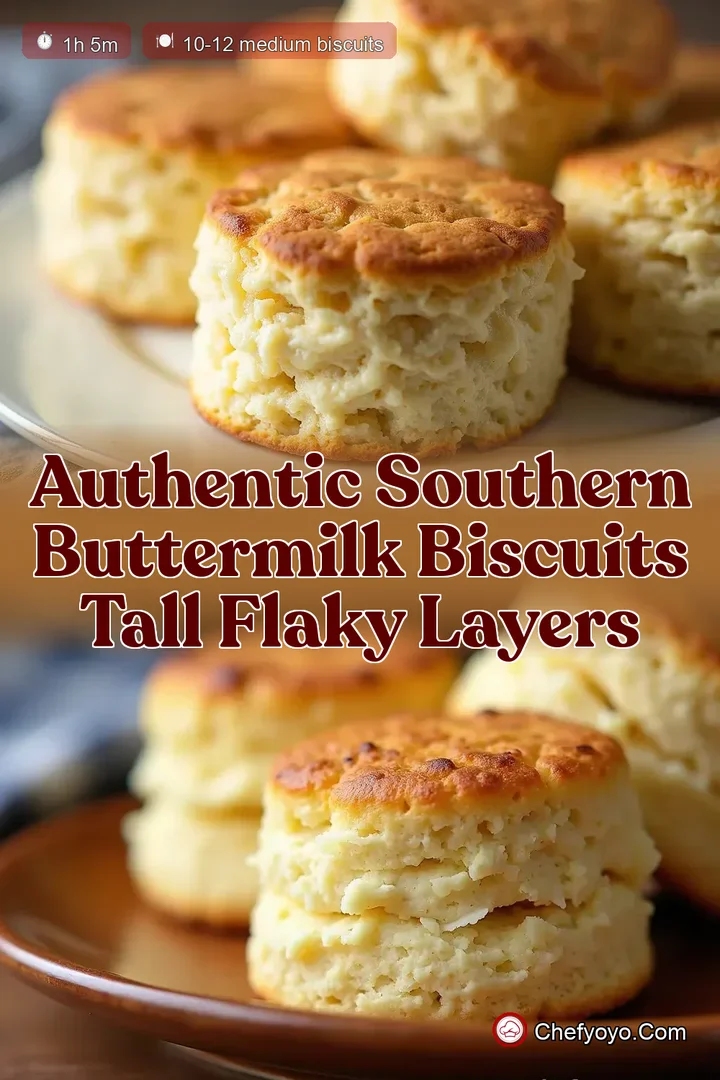
The True Grit Biscuit Authentic Southern Buttermilk Biscuits
- Achieving Flaky Perfection: Why This Recipe Reigns Supreme
- The Soul of Southern Cooking: Introducing Our Signature Buttermilk Biscuits
- The Essential Arsenal: What You Need for Perfect Southern Buttermilk Biscuits
- The Step-by-Step Journey to Biscuit Heaven
- Mastering the Fold: Technique for Layer Separation
- Troubleshooting Common Biscuit Pitfalls
- Elevating Your Experience: Variations and Serving Suggestions
- Recipe FAQs
- 📝 Recipe Card
Achieving Flaky Perfection: Why This Recipe Reigns Supreme
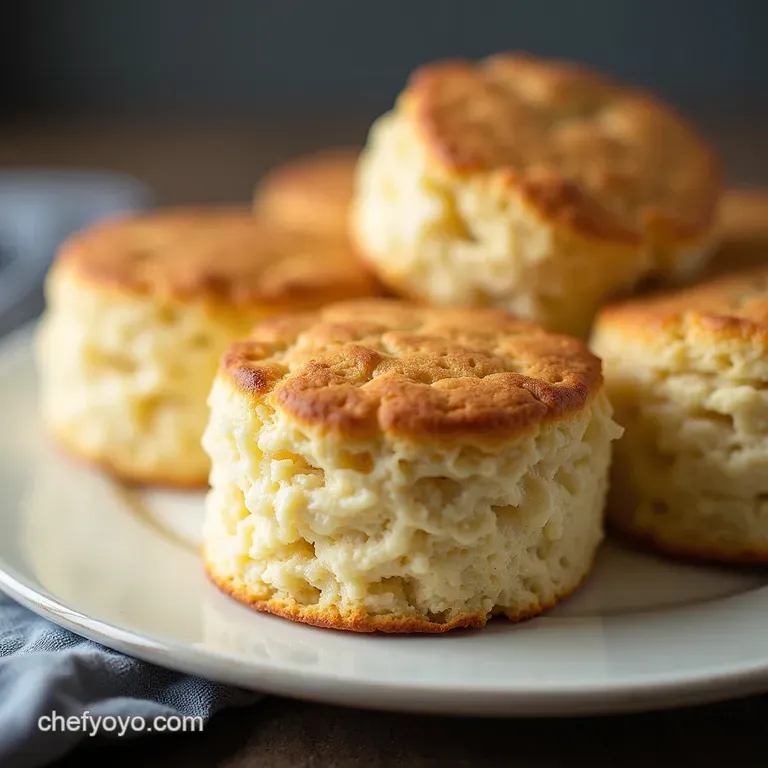
There is a distinct difference between a good biscuit and a truly transcendent one. The latter, the kind that demands attention at the breakfast table, is characterised by height, a tender crumb, and distinct, shatteringly thin layers.
Achieving this texture is less about exotic ingredients and more about absolute dedication to temperature control and minimal handling. This recipe focuses intently on those two factors, ensuring that when you bite into one of these Flaky Buttermilk Biscuits , you get that satisfying pull apart experience, delivering the authentic texture of the South.
Forget dense, dry imitations; we are aiming for airy perfection every time you bake Southern Buttermilk Biscuits .
The Soul of Southern Cooking: Introducing Our Signature Buttermilk Biscuits
Homemade Buttermilk Biscuits are the culinary bedrock of the American South. They are simple in concept flour, fat, liquid, leavener yet profound in their execution.
They bridge the gap between a light pastry and a substantial bread, serving as the ideal vehicle for everything from savory sausage gravy to the sweetest strawberry jam. This specific Buttermilk Biscuits Recipe is designed to harness the natural acidity of real buttermilk, which reacts powerfully with the baking soda to create lift and that signature subtle tang that sets them apart from standard quick breads.
Ditching the Doughy Disappointments: Our Secret to Tall Biscuits
The height of a well made biscuit is non-negotiable. We achieve impressive vertical rise through two primary methods: using exceptionally cold fat and employing the lamination technique.
By keeping the butter frozen and incorporating it minimally, we ensure that when the dough hits the hot oven, the trapped pockets of ice-cold butter rapidly vaporize. This steam forces the layers apart, creating those dramatic, towering layers.
On top of that,, we aim for a final thickness of at least ¾ to 1 inch before cutting, giving the dough plenty of room to ascend skyward.
What Makes This Approach Unmistakably Southern
The distinctly Southern nature of this method lies in the commitment to using full fat, real buttermilk and often leaning on Southern Buttermilk Biscuits with self rising flour (though we balance that power with baking soda here for maximum control).
It’s an appreciation for richness the fat content in the butter and the tang in the dairy are celebrated, not minimized. This results in a sturdier, yet incredibly tender, final product, perfectly suited for accompanying robust dishes like Southern Buttermilk Biscuits and Gravy .
A Vow of Melt-in-Your Mouth Magic
The reward for respecting the dough temperature and the folding technique is that glorious mouthfeel. When done correctly, these Southern Buttermilk Biscuits from scratch dissolve almost instantly on the palate.
This textural illusion is created by the ultra thin layers of butter encapsulated within the dough structure, preventing a heavy, uniform crumb structure from forming. It's a delicate balance that transforms humble ingredients into something truly magical.
The Essential Arsenal: What You Need for Perfect Southern Buttermilk Biscuits
Baking is inherently a partnership between the baker and their tools. While the ingredient list for Southern Buttermilk Biscuits is short, the quality and preparation of those components are everything.
Understanding the role each element plays ensures your success before you even mix the first ingredient.
Precision Pantry: Sourcing Your Baking Staples
For this recipe, you will rely on 2 ½ cups of all-purpose flour (spooned and leveled), 1 tablespoon of fresh baking powder, ½ teaspoon of baking soda to interact with the buttermilk, and 1 teaspoon of fine sea salt to enhance the flavour profile. The core liquid is 1 cup of ice-cold, full fat buttermilk.
Crucially, you need 8 tablespoons (one stick) of unsalted butter, which must be treated with the utmost respect regarding temperature.
Chilled Components: The Non-Negotiable Temperature Rules
This is perhaps the most vital section for achieving success with Homemade Buttermilk Biscuits . The butter must be frozen solid —not just refrigerator cold, but truly frozen before being grated or cut into very small, uniform pieces.
Your buttermilk, likewise, should be as cold as possible, perhaps even containing a few tiny ice crystals. Warm butter melts too quickly into the flour, lubricating the starch and resulting in a dense, pastry like texture rather than a flaky biscuit.
The Right Flour Foundation for Ultimate Flakiness
While some recipes suggest Southern Buttermilk Biscuits with self rising flour , we opt for the control gained by using standard all-purpose flour combined with measured baking powder and baking soda. This allows us to regulate the salt and leavening precisely.
Ensure your flour is properly aerated by spooning it lightly into your measuring cup and leveling it off; scooping directly from the bag compacts the flour, leading to too much dry ingredient and tougher results.
Essential Utensils: Tools That Make the Process Easier
A large mixing bowl is necessary to handle the ingredients without compressing them. A pastry blender or, even better for frozen butter, a box grater, is essential for incorporating the fat. For shaping, a sharp, straight sided biscuit cutter (2 to 2 ½ inches is ideal) is crucial.
Remember the golden rule: press straight down never twist the cutter to preserve the delicate layers you are working hard to create.
Related Recipes Worth Trying
- The Best Buttermilk Strawberry Shortcake Recipe Fluffy Biscuits — Ditch the sponge cake for this incredibly tender buttery biscuit Strawberry Shortcake Recipe Learn the secret to light flaky layers Jump in to bake
- Fluffy Herb Cottage Cheese Biscuits Light Tangy Ready in a Dash — Ditch the dry scones These Savory Cottage Cheese Biscuits are unbelievably moist tangy and packed with fresh herbs Perfect for brunch ideas
- Light Fluffy Cottage Cheese and Herb Biscuits Recipe — Discover how cottage cheese makes these savory biscuits unbelievably moist Perfect for healthy sides for dinner or easy meals with biscuits Get the recipe
The step-by-step Journey to Biscuit Heaven
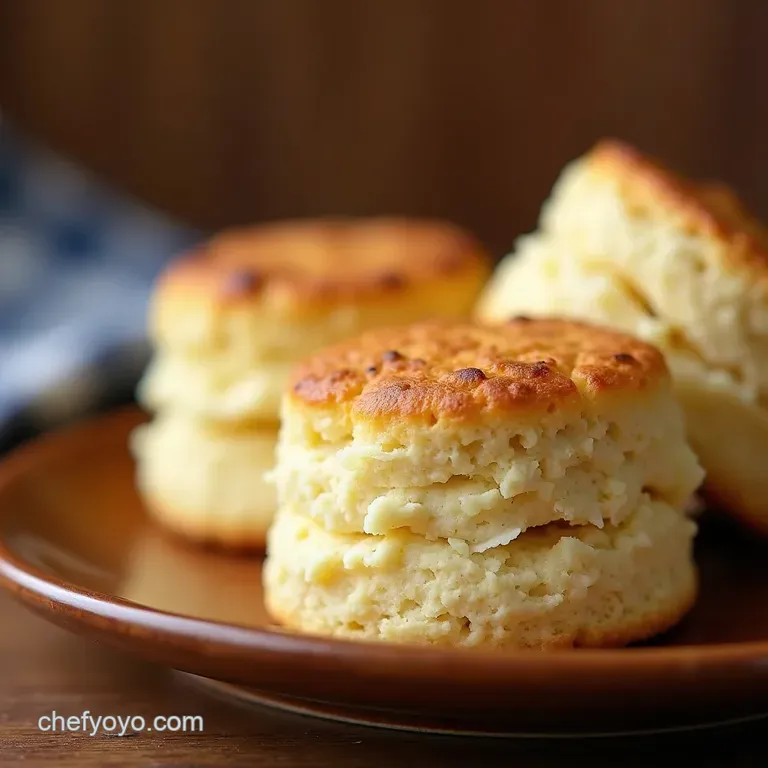
The creation of these delicious Biscuits From Scratch moves through distinct phases: combining the dry ingredients, cutting in the cold fat, integrating the liquid, chilling, folding for lamination, and finally, baking. Each step requires a conscious effort toward gentleness and speed.
First, whisk together your dry components thoroughly in the large bowl. Next, incorporate the frozen butter. Whether you grate it or cut it in with a pastry blender, the goal is to achieve a mixture resembling coarse meal flecked with visible, pea-sized chunks of butter.
Then, introduce the ice-cold buttermilk all at once. Use a fork to mix only until a shaggy, barely held-together dough forms. If you see dry streaks, keep mixing briefly, but stop the second the dough begins to coalesce.
Mastering the Fold: Technique for Layer Separation
This process of folding, or lamination, is what separates good biscuits from truly Flaky Buttermilk Biscuits . After combining the dough, turn it onto a lightly floured surface. Pat it into a rough rectangle and cover it for a mandatory 30-minute rest in the refrigerator.
This chill solidifies the butter again, which is critical before shaping.
Mixing: When to Stop Stirring for Tender Dough
The mantra here is: Do Not Overmix . Overworking the dough activates gluten development in the flour. Gluten provides strength, which is great for bread but terrible for tender biscuits.
Stop mixing when the buttermilk is just distributed and the dough looks rustic and slightly messy it should not look smooth or elastic.
The Critical Chill: Resting the Biscuit Dough
The 30-minute chilling period is non-negotiable for successful Southern Buttermilk Biscuits . This rest period allows the flour to hydrate slightly and, more importantly, ensures the butter returns to a rock hard, frigid state.
If the butter is soft, the steam required for lift will escape sideways instead of forcing the layers upward.
Cutting and Baking for Maximum Rise
After chilling, gently roll the dough to about ¾ inch thickness. Perform two sets of letter folds (folding the dough into thirds like a letter, then turning it 90 degrees and repeating the roll and fold). This builds layers upon layers. Roll the dough one final time to ¾ to 1 inch thickness.
Cut the biscuits using firm, straight downward pressure. If you are seeking softer sides, place them touching on the baking sheet; this forces them to rise vertically.
The Golden Glaze Finish: Achieving a Buttery Crown
Before baking, brush the tops lightly with a touch of extra buttermilk for a slightly browner finish, though this step is optional. Bake at a hot 425° F ( 220° C) for 12 to 15 minutes.
The moment they emerge, brush the tops immediately with 2 tablespoons of melted, slightly salted butter. This not only adds incredible flavour but also imparts that classic, desirable sheen to the crowns of your Homemade Buttermilk Biscuits .
Troubleshooting Common Biscuit Pitfalls
If your biscuits turn out flat, the primary culprits are warm butter or twisting the cutter. Warm butter melts before baking, and twisting seals the edges, inhibiting the vertical push necessary for lift. If your biscuits are tough, you have overworked the dough; next time, mix minimally.
If they are pale, your oven temperature may be too low, or you skipped the final buttermilk brush. Addressing these key points will drastically improve your next attempt at Southern Buttermilk Biscuits .
Elevating Your Experience: Variations and Serving Suggestions
While the classic recipe is sublime, these foundations are perfect for creative adaptation. You can enhance the flavour profile by substituting a small portion of the flour with finely ground cornmeal for a slightly rustic texture, or by folding in shredded cheese and herbs as detailed in the supplemental section.
Storing Leftover Delights for Next Day Enjoyment
These Southern Buttermilk Biscuits are truly best eaten fresh from the oven, but if you have extras, store them in an airtight container at room temperature for up to two days.
To revive them, wrap them loosely in foil and reheat them in a 350° F oven for about 8 minutes until warm throughout. They will regain much of their softness.
Tips for Baking the Best Flaky Biscuits Every Single Time
Always use metal, sharp cutters rather than dull plastic ones, as they cut cleanly through the fat layers. Work quickly during the folding and cutting stages to keep the components cold. Finally, ensure your baking powder is fresh; it’s the primary engine for lift in the dough.
Pairing Suggestions: Gravy, Jams, and Spreads That Complement
The ultimate pairing remains rich, peppery sausage gravy, making for unforgettable Southern Buttermilk Biscuits and Gravy . However, they shine equally bright when served simply with good quality salted butter and homemade apple butter or blackberry jam.
For a supper setting, use them to mop up the juices from fried chicken or pot roast.
Nutritional Snapshot of These Irresistible Southern Buttermilk Biscuits
As these are rich, satisfying baked goods utilizing a substantial amount of butter, they are best considered an indulgence. Nutritionally, they offer substantial energy content driven primarily by the carbohydrates from the flour and the fat content from the butter, balanced by the protein from the dairy.
Enjoy them knowing that every delicious, flaky layer is a testament to time honoured Southern baking tradition.
Recipe FAQs
Why are my Southern Buttermilk Biscuits coming out tough instead of flaky?
This is usually down to overworking the dough or not keeping the butter cold enough the cardinal sin of biscuit making! When you handle the dough too much, you develop the gluten, which leads to that tough, bread like texture instead of layers.
Make sure your butter is frozen and you are only mixing until the dough just comes together before chilling.
I don't have buttermilk; can I substitute it for my Southern Buttermilk Biscuits?
Absolutely, don't let that stop your biscuit dreams! You can easily make a substitute right now: measure 1 cup of whole milk, remove one tablespoon of the milk, and replace that volume with white vinegar or fresh lemon juice.
Let it sit for five minutes until it curdles slightly that acidity mimics buttermilk perfectly for the chemical reaction needed.
Why is it so important not to twist the biscuit cutter when cutting out the dough?
Twisting the cutter seals the edges of the dough, essentially gluing the layers together before they even hit the oven. This prevents the steam from lifting the layers vertically, meaning you get squat, dense biscuits instead of towering beauties.
You need to press the cutter straight down firmly and then lift straight up.
How should I store leftover biscuits so they don't go stale overnight?
For best results, store uneaten biscuits loosely wrapped in foil or a cloth napkin at room temperature for up to two days; avoid airtight plastic containers, which can steam them and make them soggy.
To revive them, spritz lightly with water and reheat in a 350°F oven for about 5 7 minutes until they are piping hot again they’ll taste almost fresh baked!
What’s the trick to getting those beautiful, tall, flaky layers?
It’s all in the lamination process and keeping things frigid! After your initial mix, the key is the folding technique: roll the dough out, fold it into thirds like a letter, turn it 90 degrees, and repeat this process a couple of times.
This layering builds the structure, and the cold butter melts in the oven, creating those gorgeous steam pockets that push the layers apart.
Flaky Buttermilk Biscuits
Ingredients:
Instructions:
Nutrition Facts:
| Calories | 265 kcal |
|---|---|
| Protein | 1.3 g |
| Fat | 9.5 g |
| Carbs | 21.7 g |
| Fiber | 0.5 g |
| Sodium | 7017 mg |
