The Perfect Crumb Fluffy Buttermilk Blueberry Scones
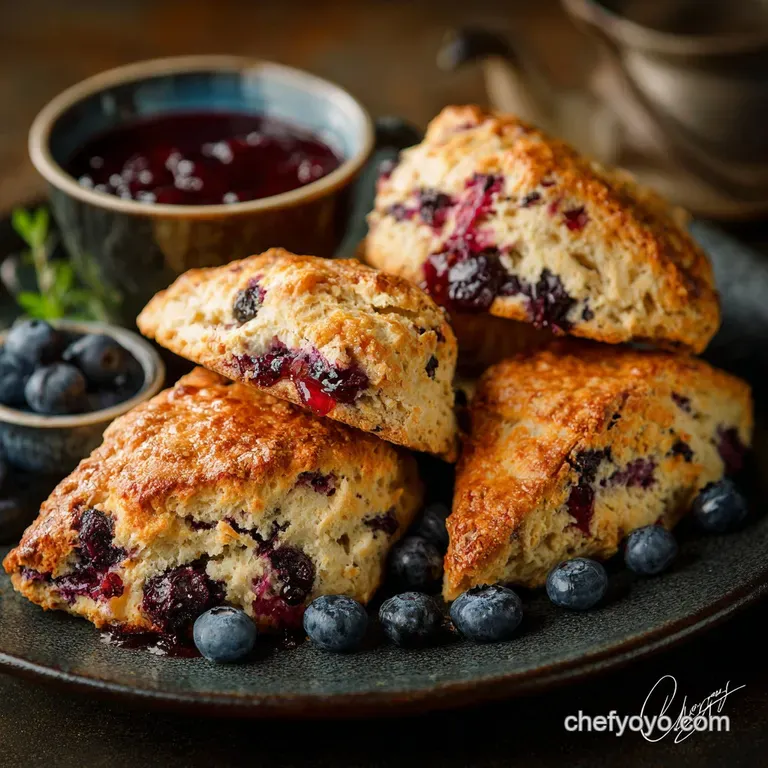
Mastering the Scone: Achieving the Tall, Fluffy Crumb
The distinction between a mediocre bakery item and a spectacular homemade scone rests entirely on technique, not complexity. If you are searching for the Best Easy Scone Recipe , you must commit to speed and temperature.
Our goal is a tall, craggy surface and a Super Moist Scones interior that is flaky, not dense. This foundation is crucial for any expert baker interested in How To Make A Scone that truly shines.
The perfect result hinges on three specific elements: the acid, the fat, and the touch.
The Buttermilk Difference: Tang and Tenderness
The core flavor and texture of these glorious Blueberry Scones relies heavily on one key ingredient: cold buttermilk. We use a generous half cup (120 ml) because the acidity in the buttermilk plays a critical role in two ways.
First, it reacts powerfully with the baking soda and powder our primary leavening agents to produce an instant, dramatic lift in the oven. Second, this acidity subtly tenderizes the gluten strands as they form, preventing the dough from becoming tough or chewy.
Using blueberry scones with buttermilk ensures a deep, rich flavor profile with a perfect, subtle tang that complements the sweet burst of the fruit.
Why Ice Cold Butter is Non-Negotiable
This is perhaps the most fundamental rule of scone making. To achieve that majestic rise, you must introduce ice-cold, cubed butter (one full stick, 113 grams) into the flour mixture. When these tiny, cold pockets of fat encounter the high heat of the oven, the moisture trapped within them immediately turns to steam.
This steam expands, pushing the layers of dough apart and creating the light, flaky, multilayered crumb we crave. If the butter melts before baking, this steaming process cannot occur, resulting in flat, dense scones. Keeping the fat pieces distinct and pea-sized is absolutely essential for maximum lift and texture.
The Secret to Non-Crumbly Blueberry Scones
Dry, crumbly scones are the result of either over flouring or inadequate binding. Our recipe ensures the right balance of dry goods (2 cups / 250g flour) to cold wet components (buttermilk and one large egg). The trick is to stop mixing the moment the dry flour streaks disappear.
The dough should look messy, sticky, and rugged what we call a "shaggy mass." If you attempt to smooth out or knead the dough until it’s perfectly uniform, you develop the gluten, making the finished scone tough and prone to crumbling upon eating, rather than breaking apart easily along flaky fault lines.
Gathering Your Baking Arsenal for Superior Blueberry Scones
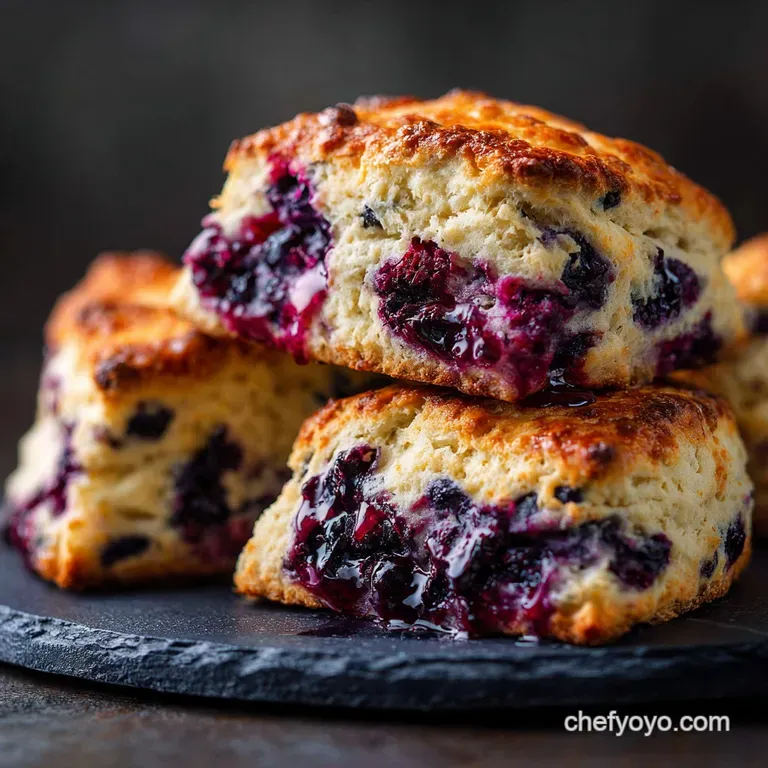
Preparation is half the battle when executing a truly exceptional blueberry scones recipe . Because the dough needs to be handled quickly while everything is cold, having your ingredients measured and your equipment ready is crucial to success.
Essential Dry Goods: Flour, Sugar, and Leavening Agents
The bulk of the dry mix consists of all-purpose flour (250 grams), combined with 1/4 cup (50g) of granulated sugar for sweetness. The lift comes from the powerful combination of a full tablespoon of baking powder and half a teaspoon of baking soda. This high ratio is necessary for a quick bread style item like a scone.
Always whisk these dry ingredients thoroughly, along with 1/2 tsp of fine sea salt, before incorporating any fat to ensure the leavening is evenly distributed throughout the dough.
Handling Fresh vs. Frozen Blueberries
We incorporate 3/4 cup (100g) of blueberries into this Quick And Easy Scones Recipe . If you are using fresh berries, ensure they are thoroughly dry after washing. If you opt for frozen blueberries, which is highly recommended by many professional bakers, do not thaw them .
Adding them directly from the freezer helps them maintain their shape during the delicate mixing process and reduces the risk of the dark color bleeding into the golden dough. However, be prepared to work quickly when folding them in, as their cold temperature will chill the dough further.
Recommended Tools for Effortless Dough Preparation
While you can technically make scones with just a bowl and your hands, a few tools drastically improve efficiency and results. A large mixing bowl is necessary for containing the dry ingredients.
To properly cut the cold butter into the flour, a pastry blender is ideal, though a box grater used to grate frozen butter also works exceptionally well for keeping the fat cold. Finally, the cutting tool matters: utilize a sharp edged, floured 2 to 2.5 inch round cutter to ensure clean, vertical cuts that facilitate maximum rise.
Related Recipes Worth Trying
- The Best Fluffy Cheese and Bacon Scones Recipe Warm Savoury Bake — Stop buying sad supermarket scones Master these Homemade Cheese and Bacon Scones for a fluffy salty snack perfect with your afternoon cuppa
- HighProtein Blueberry Cottage Cheese Muffins Recipe — Whip up the fluffiest Blueberry Cottage Cheese Muffins Theyre surprisingly easy and packed with moisture thanks to a secret ingredient Get the recipe here
- Easy Blueberry Cottage Cheese Mousse with Lemon Swirl — Whip up this surprisingly light highprotein Blueberry Cottage Cheese Mousse Its an easy nobake treat with a tangy lemon swirl Perfect for dessert
step-by-step Guide to Scone Assembly and Baking
This process moves quickly. Remember the temperature mantra: cold is good, fast is better. Before you begin the assembly, preheat your oven to 400°F (200°C) and line your baking sheet with parchment paper.
Incorporating the Butter: The Art of the Pea-Sized Crumb
Begin by adding the ice-cold, cubed butter directly into the combined dry ingredients. Using your preferred method pastry blender, fingertips, or grating rapidly work the butter into the flour. This process should take no more than two minutes.
Continue until the mixture looks sandy, but with many visible, distinct pieces of butter roughly the size of small peas or coarse breadcrumbs. The key is to handle the mixture as little as possible to prevent the warmth of your hands from melting the fat.
The "Shaggy Mass" Technique: Mixing Without Overworking
In a separate container, whisk together the cold buttermilk and the lightly beaten egg. Create a well in the center of the flour and butter mixture and pour the liquid in all at once. Use a wooden spoon or rubber spatula to fold the ingredients together gently. Avoid stirring or kneading.
Your aim is to mix until the wet and dry ingredients have just clumped together into a Quick And Easy Scones Recipe dough a sticky, Super Moist Scones "shaggy mass" that contains only damp clumps and no streaks of dry flour.
Immediately and gently fold in the blueberries.
How to Properly Cut and Shape the Scone Triangles
Lightly flour your work surface and turn the dough out. Pat the dough gently into a shape of your choosing, approximately 1 inch (2.5 cm) thick. Crucially, do not knead or roll the dough thinly. Dip your cutter in flour before each cut to prevent sticking.
Press the cutter straight down firmly, and lift it directly up. Never twist the cutter! Twisting seals the fragile, flaky edges of the dough, which prevents the scone from achieving its vertical, majestic rise.
Arrange the raw scones on the prepared baking sheet, then brush the tops with a little extra buttermilk or an egg wash for a rich, golden color. The prepared sheet then goes into the refrigerator or freezer for a mandatory 20-minute chill before baking.
Achieving the Golden Tops: Oven Temperature and Placement
The chilled dough is now ready for the oven. Bake the Blueberry Scones at 400°F (200°C) for 18 to 20 minutes. The high temperature ensures the butter steams rapidly and the leavening agents activate quickly.
Place the baking sheet on the center rack for even heat distribution. When done, the scones should be well risen, beautifully golden brown across the top, and sound hollow when tapped. Transfer them immediately to a wire rack to cool slightly before the final step.
Elevating Your Homemade Blueberry Scones Experience
A great scone is just the beginning. Perfecting the final details, knowing how to fix common mistakes, and understanding how to store your creations ensure a truly masterful result.
Troubleshooting Common Scone Baking Errors
If your scones have spread horizontally instead of rising vertically, the issue likely stems from warmth. Either the butter melted during mixing, or the dough was not chilled long enough prior to baking. Remember, temperature is the primary defense against spread.
If your baked scones are dense or too tough, you likely over mixed the dough, causing too much gluten development in the "shaggy mass" stage. When learning How To Make A Scone , always err on the side of under mixing.
Storage, Freezing, and Reheating Instructions
These Super Moist Scones are best enjoyed on the day they are baked, but they can be stored in an airtight container at room temperature for up to two days. For longer storage, freeze the unbaked dough.
Cut the shapes, place them on a tray, and freeze until solid, then transfer them to a freezer bag. Bake straight from frozen, adding approximately 5 minutes to the cooking time.
To reheat baked scones, wrap them loosely in foil and place them in a 300°F (150°C) oven for about ten minutes until warmed through.
Flavor Variations Beyond the Classic Buttermilk Recipe
While the core blueberry scones with buttermilk recipe is a classic, the foundation is highly adaptable. For a zesty twist, try adding the zest of one lemon to the dry ingredients lemon and blueberry are a stunning pairing.
Alternatively, for holiday baking, substitute the blueberries with rehydrated dried cranberries and add orange zest for a cranberry and orange scone. For savoury applications, omit the sugar and fold in grated sharp Cheddar and fresh chives.
Nutritional Snapshot: Understanding the Calories and Servings and Icing For Scones
This Quick And Easy Scones Recipe yields eight large, satisfying bakery style portions. Each scone, prior to any glaze or extra toppings like clotted cream, typically falls in the range of 310 to 340 calories, providing a good balance of carbohydrates and protein.
To provide the finishing touch, the final step involves preparing the delicate Icing For Scones . Simply whisk 1 cup (125g) of sifted powdered sugar with 2 to 3 tablespoons of milk or lemon juice until a thick, smooth, drizzling consistency is achieved.
Drizzle this glaze liberally over the warm scones for a professional, sweet finish.

Recipe FAQs
Why did my scones come out flat as a pancake and dense like a hockey puck?
Scones often fail to achieve that majestic rise due to overmixing or twisting the cutter. Overmixing develops gluten, which leads to a tough, bread like texture rather than a light crumb.
Crucially, ensure your butter and buttermilk are absolutely arctic cold, as cold fat melting rapidly in the oven creates the steam needed for a proper vertical lift we call this 'oven spring'.
I’ve baked too many! How should I store these delicious Blueberry Scones?
Once they are completely cool (don't glaze them if you plan to store them), keep your Blueberry Scones in an airtight container at room temperature for up to three days. For longer keeping, these freeze wonderfully!
Wrap them individually in cling film and foil, and freeze for up to three months; reheat quickly from frozen in a warm oven for that straight from-the-bakery taste.
Can I prep the dough tonight and bake them fresh in the morning for brunch?
Absolutely, this is a grand idea for saving time! Cut the scone shapes and arrange them on the prepared baking sheet as directed in Step 11. Wrap the entire tray tightly with cling film and pop it into the fridge overnight.
Bake them straight from the fridge (no need to thaw), adding an extra 2-3 minutes to the total baking time. This method actually helps the butter stay optimally cold, often resulting in a superior, higher rising scone.
I haven’t got buttermilk; can I just use regular milk instead?
Not having buttermilk is a common kitchen hurdle, but panic not! You need the acid from buttermilk to react with the baking soda and give you that wonderful lift. You can easily create a quick substitute by mixing one cup of regular whole milk with one tablespoon of lemon juice or white vinegar.
Let that mixture sit for five minutes until it thickens slightly into a passable 'soured milk' it does the trick beautifully for activating the leavening agents.
Can I use dried fruit or another mix-in instead of fresh blueberries?
Yes, swapping the fruit is a wonderful way to vary the recipe! If you use dried cranberries or sultanas, give them a quick soak in hot water for about ten minutes, then drain thoroughly before adding them to the dough.
If using chocolate chips or chunks, freezing them beforehand is advisable as this stops them from melting prematurely when they touch the dough.
Fluffy Buttermilk Blueberry Scones
Ingredients:
Instructions:
Nutrition Facts:
| Calories | 369 kcal |
|---|---|
| Protein | 2.8 g |
| Fat | 10.5 g |
| Carbs | 44.4 g |
| Fiber | 0.6 g |
| Sodium | 8438 mg |
