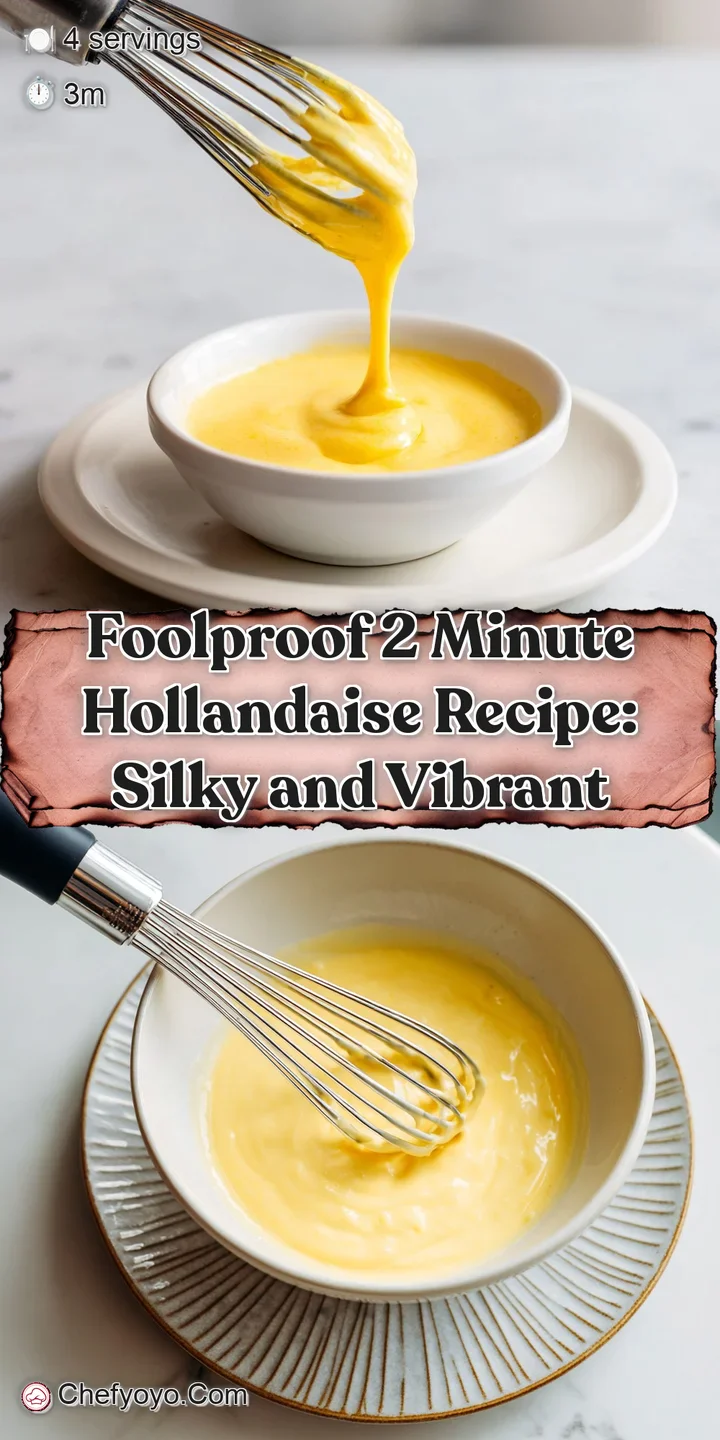
Foolproof 2 Minute Hollandaise Recipe
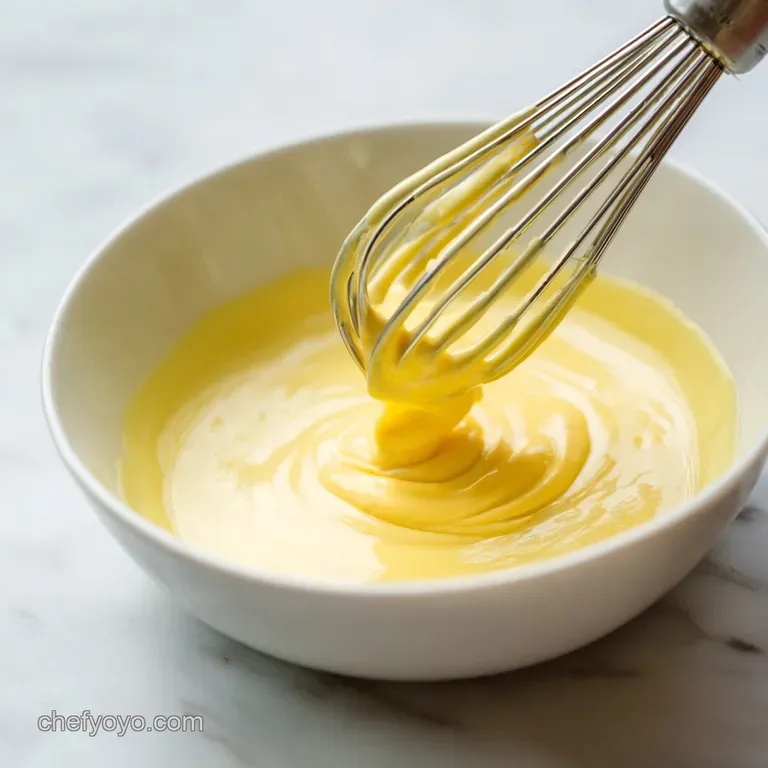
- Time: Active 2 minutes, Passive 1 minute, Total 3 minutes
- Flavor/Texture Hook: Silky, vibrant citrus finish
- Perfect for: Stress free weekend brunch or quick steak dinners
- Mastering the Foolproof 2 Minute Hollandaise Recipe
- The Physics of Flash Emulsion
- Hollandaise Breakdown and Stats
- Essential Components for Success
- Tools for the Perfect Blend
- Simple Steps for Silky Sauce
- Solving Common Texture Issues
- Simple Ways to Adapt Flavor
- Storing and Repurposing Leftovers
- Creative Serving and Pairing Ideas
- Recipe FAQs
- 📝 Recipe Card
Mastering the Foolproof 2 Minute Hollandaise Recipe
Remember the first time I tried making this sauce the "proper" way? I was hunched over a simmering pot, whisking until my forearm felt like lead, only for the whole thing to split into a greasy mess the second I reached for the salt. It was heartbreaking, truly.
I almost gave up on eggs Benedict forever because the stress of a curdled sauce just wasn't worth the reward.
But then I discovered the blender trick, and everything changed. This foolproof 2 minute hollandaise recipe creates a vibrant, golden blanket of sauce that is far more stable than the hand whisked version.
You get that incredible balance of rich, liquid gold butter and the sharp, bright zing of fresh lemon juice without the arm workout. It's a total win for anyone who loves a fancy breakfast but hates the kitchen drama.
We're going to use the heat from the butter itself to do the heavy lifting. By drizzling bubbling butter into a spinning vortex of egg yolks and lemon, we create an emulsion that is thick enough to coat a spoon but light enough to feel like silk.
It is innovative, fast, and honestly, a little bit addictive once you see how easy it is to pull off.
The Physics of Flash Emulsion
High Speed Shear: The blender blades break the butter into microscopic fat globules that are immediately coated by the egg yolk’s emulsifiers. This creates a stable bond much faster than manual whisking ever could, resulting in a sauce that doesn't break as easily.
Thermal Residual Cooking: The butter provides just enough heat to pasteurize the yolks and thicken the proteins without reaching the "scramble" point. This temperature control is the secret to a silky, pourable consistency every single time.
| Method | Time | Texture | Best For |
|---|---|---|---|
| Blender | 3 minutes | Silky and light | Quick home brunch |
| Stovetop | 15 minutes | Thick and heavy | Large restaurant batches |
| Immersion | 2 minutes | Very thick/airy | Single servings |
If you find yourself making this for a crowd, you might notice similarities in the emulsification process to our Homemade Hollandaise Sauce recipe, which focuses on keeping the sauce warm for long periods. The key is always managing that delicate balance between the fat and the liquid base.
Hollandaise Breakdown and Stats
| Ingredient | Science Role | Pro Secret |
|---|---|---|
| Egg Yolks | Primary Emulsifier | Use room temperature yolks to prevent the butter from seizing and cooling too fast. |
| Unsalted Butter | Fat Structure | Let it reach a full bubble before pouring to ensure it is hot enough to cook the yolks. |
| Lemon Juice | Protein Denaturant | Fresh juice provides the acidity needed to "tighten" the egg proteins for a better set. |
Using the right temperature for your ingredients makes all the difference in how the molecules interact. If the yolks are too cold, the butter won't incorporate properly, and you'll end up with a thin, oily soup instead of a velvety sauce.
Essential Components for Success
- 2 large egg yolks, room temperature Why this? They contain lecithin, which binds the butter and lemon together.
- 1 tablespoon freshly squeezed lemon juice Why this? Cuts through the heavy fat for a balanced flavor.
- 1 teaspoon Dijon mustard Why this? Acts as a secondary stabilizer for the emulsion.
- 1/4 teaspoon fine sea salt Why this? Sharpens all the other flavors in the sauce.
- 1 pinch cayenne pepper Why this? Adds a subtle, vibrant warmth without being spicy.
- 1/2 cup unsalted butter (115g) Why this? Provides the rich, creamy base of the sauce.
| Original Ingredient | Substitute | Why It Works |
|---|---|---|
| Lemon Juice | White Wine Vinegar | Provides similar acidity. Note: Flavor is more sharp and less fruity. |
| Dijon Mustard | Dry Mustard Powder | Offers the same stabilizing properties with a milder flavor profile. |
| Unsalted Butter | Ghee | Same fat content but higher smoke point. Note: Results in a much nuttier taste. |
Tools for the Perfect Blend
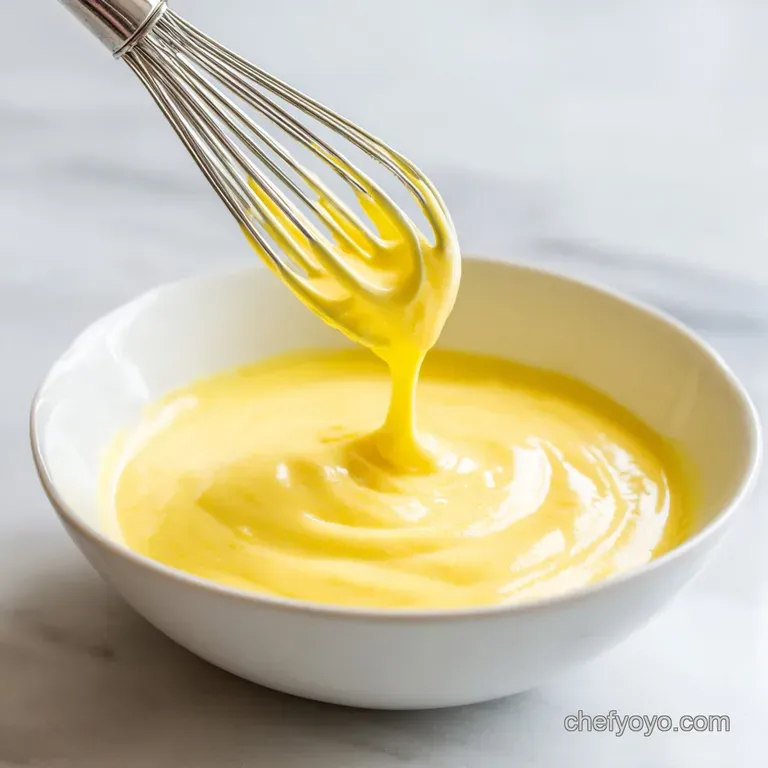
You don't need a professional kitchen, but a high speed blender or a narrow jar for an immersion blender is non negotiable here. A standard wide bottom blender might struggle with a small batch, so if you're only making enough for two, an immersion blender (like a Bamix or KitchenAid) inside a tall, narrow cup works even better.
The narrow container ensures the blades are fully submerged in the egg yolks before you start adding the butter. If there is too much air at the bottom, the emulsion won't catch, and you'll just have a mess.
Also, have a small saucepan or a microwave safe glass measuring cup ready for melting the butter until it is foaming and hot.
Simple Steps for Silky Sauce
- Place 2 large egg yolks into the blender jar. Note: Ensure they are at room temperature.
- Add 1 tablespoon lemon juice, 1 teaspoon Dijon, salt, and cayenne. Note: Mustard helps keep the sauce from splitting later.
- Pulse the blender for 5 seconds until the yolks are pale and frothy.
- Melt 115g unsalted butter in a small pan over medium high heat.
- Heat the butter until it is bubbling and foaming aggressively.
- Turn the blender on its lowest setting.
- Drizzle the hot butter in a very thin, slow stream. Note: Pouring too fast will break the emulsion.
- Continue blending for 20 seconds until the sauce is thick and velvety.
- Taste and add more lemon or salt if needed.
- Pour immediately into a warm vessel. until ready to serve.
Chef's Tip: If you are using an immersion blender, put all ingredients except the butter in a tall jar. Place the blender head at the very bottom, pour the hot butter on top, then pull the blender up slowly while running it. It creates a perfect sauce in about 15 seconds flat.
Solving Common Texture Issues
Fixing a Broken Sauce
If the sauce looks curdled or oily, it has "broken." This usually happens because the butter was added too quickly or it was too hot. It is annoying, but it's not the end of the world.
You can save it by starting with a fresh egg yolk and a teaspoon of warm water in a clean blender, then slowly drizzling the broken sauce back in as if it were the butter.
Fixing a Thin Sauce
Sometimes the sauce is just too runny. This happens if the butter wasn't hot enough to cook the yolks slightly, or if the eggs were very large. You can often fix this by blending in an extra tablespoon of very hot butter or by letting the sauce sit for a minute to thicken up naturally as it cools slightly.
| Problem | Root Cause | Solution |
|---|---|---|
| Sauce is oily | Butter added too fast | Whisk in 1 tsp hot water. |
| Sauce is thin | Butter wasn't hot enough | Blend in more hot butter. |
| Sauce has lumps | Eggs cooked too fast | Strain through a fine mesh. |
If you're dealing with a stubborn break, the technique is quite similar to what you'd find in a Foolproof Bearnaise Sauce Recipe, where temperature control is everything.
Common Mistakes Checklist - ✓ Pat the lemon dry before cutting to avoid rind oil bitterness. - ✓ Use a small saucepan for the butter to prevent too much evaporation. - ✓ Never skip the mustard; it’s the "glue" that keeps the sauce together.
- ✓ Ensure the blender is running before the first drop of butter hits the eggs. - ✓ Warm your serving bowl with hot water so the sauce doesn't seize on contact.
Simple Ways to Adapt Flavor
For a Zesty Kick
You can add a teaspoon of fresh orange zest or a splash of grapefruit juice instead of lemon. It creates a "Maltaise" sauce that is incredible over steamed asparagus or roasted salmon. The sweetness of the citrus balances the heavy butter in a way that feels very modern and fresh.
For a Spicy Fusion
Try whisking in a teaspoon of Sriracha or a pinch of smoked paprika at the very end. It gives the hollandaise a vibrant orange hue and a smoky depth that pairs perfectly with chorizo hash or avocado toast. It's a great way to move away from the traditional flavor profile without changing the core technique.
Storing and Repurposing Leftovers
Storage: Hollandaise is best eaten immediately, but you can keep it in the fridge for up to 2 days. Because it's mostly butter, it will turn solid when cold. Do not try to microwave it on high to reheat it, or it will turn back into a puddle of oil.
Reheating: Place the solid sauce in a glass bowl over a pot of steaming (not boiling) water. Whisk constantly as it softens. Alternatively, use the "Defrost" setting on your microwave in 10 second bursts, whisking in between, until it's just pourable.
Zero Waste: If you have leftover sauce that you don't want to reheat, use it as a base for a sandwich spread. It’s essentially a very fancy, buttery mayo. It also works wonders as a "finishing dollop" on top of a hot baked potato or stirred into warm pasta for a rich, lemony sauce.
Creative Serving and Pairing Ideas
The Classic Pairing
Of course, eggs Benedict is the gold standard. Toast a thick slice of sourdough, add a slice of Canadian bacon or smoked salmon, a perfectly poached egg, and then drench it in the sauce. The way the runny yolk mixes with the citrusy hollandaise is pure brunch magic.
The Steakhouse Finish
Try serving this over a seared filet mignon or a piece of grilled halibut. The richness of the sauce acts like a compound butter but with a more sophisticated texture. It’s also the ultimate dip for roasted artichokes pull the leaves through the sauce for a decadent snack that feels way more expensive than it actually is.
If you are looking for more quick meal ideas, this sauce is a great companion to a Sourdough Pesto Grilled Cheese recipe, especially if you dip the crusts into the leftover hollandaise. Trust me, it's a game changer for a lazy Sunday afternoon.
Recipe FAQs
Can I use cold egg yolks in this blender method?
No, room temperature is essential for success. Cold yolks are less receptive to emulsification and can cause the rapidly added hot butter to seize or curdle the sauce immediately.
How to prevent the sauce from splitting or breaking after blending?
Drizzle the melted butter in a very thin, slow, steady stream. The blender must be running on its lowest speed when the butter begins to enter the vortex to ensure a stable emulsion forms instantly.
How to save hollandaise sauce that has already broken?
Start with a fresh yolk and slowly drizzle the broken sauce back into it. Add one teaspoon of warm water to the new yolk first, then slowly stream the oily mixture in while blending on low speed.
Is it true that using the blender makes the sauce less stable than the whisked version?
No, this is a common misconception. The high speed shear in the blender creates finer, more uniform fat droplets, often resulting in a more stable emulsion than hand whisking if done correctly.
How to reheat leftover hollandaise sauce without it turning oily?
Reheat gently over simmering water while whisking constantly. Do not use direct high heat, as the temperature spike will instantly break the delicate fat and protein bonds.
What temperature should the melted butter be before adding it to the yolks?
The butter must be hot, actively bubbling, and foaming aggressively. This residual heat is what gently cooks and thickens the egg yolks, setting the sauce’s structure perfectly.
How to make this sauce dairy-free if I can't use butter?
Substitute the butter with an equal amount of high-quality vegan butter alternative that melts cleanly. If you enjoyed mastering the mechanics of stable emulsification here, see how the same principle works in our Horseradish Cream Sauce recipe, which relies on stabilizing acid and fat.
Foolproof 2 Minute Hollandaise
Ingredients:
Instructions:
Nutrition Facts:
| Calories | 233 kcal |
|---|---|
| Protein | 1.7 g |
| Fat | 25.3 g |
| Carbs | 0.6 g |
| Fiber | 0.1 g |
| Sugar | 0.1 g |
| Sodium | 163 mg |
