The Perfect Poach Companion Foolproof Homemade Hollandaise Sauce
- Demystifying the Mother Sauce: Why This Hollandaise Sauce Recipe Works
- The Alchemy of Emulsion: A Sunshine-Yellow Culinary Triumph
- Gathering Your Emulsifying Arsenal: Precision Ingredients List
- The Whisking Dance: Mastering the Gentle Heat Technique
- Achieving Peak Thickness: The Crucial Butter Drizzle Phase
- Troubleshooting Your Sauce: Rescue Missions for Common Issues
- Creative Twists: Flavor Infusions Beyond the Classic
- Recipe FAQs
- 📝 Recipe Card
Demystifying the Mother Sauce: Why This Hollandaise Sauce Recipe Works
Hollandaise! This is one of those culinary cornerstones that strikes fear into the hearts of home cooks, often relegated to fancy restaurant menus or intimidating cooking shows. But I’m here to tell you that this classic emulsion, one of the five essential 'Mother Sauces' of French cuisine, is surprisingly straightforward when you understand the science.
This recipe for Homemade Hollandaise Sauce cuts through the myths of complexity. By employing the traditional double boiler method, we gain crucial control over the temperature, which is the absolute key to stability.
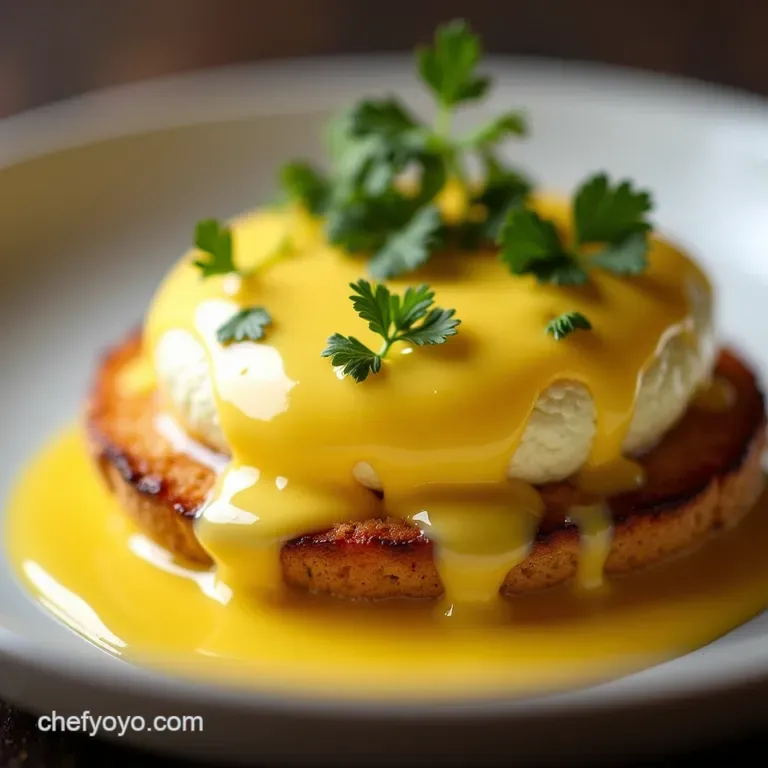
We are aiming for that luscious, rich, sunshine yellow sauce that coats the back of a spoon perfectly a vibrant partner to eggs, fish, or delicate spring vegetables. Forget those grainy, broken messes; we are mastering the technique for a reliably glossy, stable emulsion every single time.
The Alchemy of Emulsion: A Sunshine Yellow Culinary Triumph
What makes Hollandaise Sauce so special is its chemistry: it’s a stable emulsion of fat (butter) suspended perfectly within a water based medium (egg yolks and lemon juice). The magic lies in the lecithin found in the yolks acting as the emulsifier.
When whisked properly over gentle heat, the proteins in the yolks surround the tiny droplets of melted butter, keeping them suspended indefinitely, resulting in that signature creamy texture.
This particular Hollandaise Sauce Recipe focuses on slow integration to ensure maximum stability, yielding the Best Hollandaise Sauce you’ll likely ever make at home.
Shedding the 'Faff' Myth: Your Easiest Guide Yet
Many believe the only way to achieve this sauce is via a high speed blender, but while a Hollandaise Sauce Blender Recipe certainly exists and can be quick, it often sacrifices the nuance of texture. For a truly superior result, the gentle, rhythmic whisking over steam provides superior control.
This method, utilizing a bain marie (double boiler), cooks the yolks just enough to thicken them without scrambling them. It demands attention for about 10 to 15 minutes, but the required focus is less on complex technique and more on consistent motion a dance between heat and whisk making this a surprisingly Simple Hollandaise Sauce approach once you get into the rhythm.
Elevating Breakfast and Beyond: What to Pair It With
While the ultimate test of this Easy Hollandaise Sauce is undoubtedly Eggs Benedict atop perfectly toasted English muffins with ham or bacon, its application extends far beyond breakfast.
Imagine drizzling this tangy sauce over steamed asparagus spears, a simple grilled salmon fillet, or even spooned over artichoke hearts. Its richness balances bright, fresh flavours beautifully. It transforms humble ingredients into a luxurious meal with minimal effort.
Understanding the Essential Components of True Hollandaise
The elegance of Classic Hollandaise Sauce lies in its brevity. We rely on quality over quantity. The core requires just three main elements: egg yolks for structure, butter for richness, and an acid (lemon juice or vinegar) to cut through the richness and help stabilize the proteins.
A tiny pinch of cayenne pepper is traditional, not for heat, but for enhancing the overall depth of flavour without tasting spicy. The entire dish hinges on the freshness and quality of these foundational Hollandaise Sauce Ingredients .
Gathering Your Emulsifying Arsenal: Precision Ingredients List
To create approximately one cup of sauce, perfect for four to six servings, we must assemble our components with care. We will rely on three fresh egg yolks, ideally at room temperature, which aids in achieving that voluminous base.
For the fat element, we need about eight tablespoons (one stick) of high-quality unsalted butter, cut into small chunks for even melting. For brightness and structure, secure one tablespoon of freshly squeezed lemon juice, alongside a teaspoon of water or dry white wine to assist the initial whisking stage.
Finally, season with a pinch of fine sea salt and that vital dash of cayenne pepper.
The Golden Trio: Quality Checks for Yolks, Butter, and Acid
Since there are so few components, quality is paramount. Ensure your egg yolks are separated cleanly; any trace of white can interfere with the emulsion process. Use good unsalted butter; its flavour will be front and center.
Crucially, the acid must be fresh lemon juice, providing a clean, sharp counterpoint to the fat.
Precision Measurement: Setting Up Your Ingredient Stations
Before the heat goes on, have everything measured and staged. This preparation is vital because once you start whisking the yolks, you cannot stop. Have your melted butter ready to go, warm but not scorching hot, positioned right next to your bowl.
This staging ensures you can transition seamlessly from building the sabayon base to the slow drizzle of butter.
Why Clarified Butter Isn't Strictly Necessary Here
While some purists insist on using clarified butter (ghee) to avoid introducing water content, for this more robust, Hollandaise Sauce Easy method, whole melted butter works beautifully.
The small amount of water already present in the butter, combined with the small amount of liquid added to the yolks, actually aids in building a slightly more resilient emulsion that is less prone to breaking when held warm.
Related Recipes Worth Trying
- Easy Homemade Hollandaise Sauce The Foolproof Blender Recipe — Ditch the double boiler Learn how to make a stable Simple Hollandaise Sauce in under 10 minutes using an immersion blender Perfect for Eggs Benedict
- Easy Baked Ziti with Rich Meat Sauce in Under an Hour — Tired of bland bakes Nail this Easy Baked Ziti with Rich Meat Saucecreamy ricotta layers and bubbling mozzarella make this Hearty Baked Ziti a weeknight dream
- Classic Meatloaf with Marinara Sauce Moist Flavorful Recipe — Upgrade your weeknight meal with this moist Classic Meatloaf with Marinara Sauce Forget ketchupthis traditional recipe uses a bright homemade tomato sauce...
The Whisking Dance: Mastering the Gentle Heat Technique

The actual cooking happens not over direct flame, but over steam. Set up your double boiler: heat about an inch of water in the saucepan until it is simmering gently we want consistent steam, not aggressive, rolling bubbles that could splash into your sauce base.
Place your heatproof bowl over the top; confirm the water never touches the bottom of the bowl. Into this, whisk your yolks, lemon juice, wine/water, salt, and cayenne.
Achieving Peak Thickness: The Crucial Butter Drizzle Phase
Creating the Sabayon Base: Warming the Egg Yolks Safely
Whisking continuously over the gentle heat is non-negotiable. You are incorporating air while slowly raising the temperature of the yolks. Continue this vigorous action until the mixture thickens significantly.
You know you’ve hit the correct stage the ribbon stage —when you lift the whisk and the mixture falls back into the bowl in a thick, opaque ribbon that sits on the surface momentarily before melting back in. This slow cooking ensures the yolks are safe and ready to bind the fat.
The Slow Drip: Incorporating Hot Butter Drop by Drop
This is the defining moment for any Easy Hollandaise Sauce . Once the base is thick, immediately remove the bowl from the heat source but keep whisking. Begin introducing the warm melted butter and I mean slowly .
Start with just a few drops, whisking vigorously until each drop is completely absorbed and the sauce looks homogenous again. Only then should you increase the flow to a thin, steady stream. If you rush this step, the sauce will immediately separate.
The entire butter incorporation process should take several patient minutes.
Seasoning for Zing: The Final Touch of Lemon or Vinegar
Once all the butter is beautifully incorporated and you have a thick, glossy sauce, it’s time to taste. The flavour should be rich yet vibrant. Adjust with more fine sea salt if necessary, and add a tiny squeeze of fresh lemon juice if it feels a little flat.
This final adjustment brightens the Hollandaise Sauce beautifully, making it sing on the palate.
Troubleshooting Your Sauce: Rescue Missions for Common Issues
Despite the best intentions, sometimes the sauce decides to split this is known as breaking.
Mending a Split: Reviving Broken Hollandaise Sauce Like a Pro
If your sauce looks oily, grainy, or separated, do not panic; this is fixable! The key to saving a broken emulsion is to introduce a fresh emulsifier. In a clean, dry bowl, combine one fresh egg yolk with a teaspoon of water or lemon juice.
Place this over the warm double boiler and whisk until it begins to thicken slightly. Then, take the broken sauce and whisk it very slowly back into this new, fresh yolk base, drop by drop, exactly as you would introduce the butter.
This refreshed yolk base will grab the separated fat and rebuild your Homemade Hollandaise Sauce Recipe .
The Fridge Factor: Optimal Shelf Life for Homemade Sauce
Because this sauce is heavily reliant on fresh egg yolks, its shelf life is short. It is absolutely best enjoyed within an hour of making it. While it can be stored in the refrigerator for up to 24 hours, the texture will firm up considerably.
When reheating, use the gentlest possible heat a tiny amount of warm water in a bowl placed over a very low heat source, whisking gently to loosen the fats again. Never microwave it, as the rapid heating will certainly cause it to break.
Beyond Eggs Benedict: Unexpected Ways to Use This Sauce
While it’s the king of brunch, don’t limit yourself! Try using this sauce over oven-roasted root vegetables like parsnips or carrots instead of heavy cream sauces. It pairs wonderfully with simple grilled chicken breasts or even slathered on a grilled cheese sandwich for an unforgettably decadent lunch.
Creative Twists: Flavor Infusions Beyond the Classic
Once you have mastered the Hollandaise Sauce Blender Recipe technique, you can easily branch out into related sauces.
Béarnaise Style
The simplest and most famous derivative is Béarnaise. Instead of using only lemon juice for the acid, you create a quick reduction using shallots, tarragon sprigs, black peppercorns, and white wine vinegar. Strain this liquid and use it in place of the lemon juice when whisking your yolks.
This offers an herbaceous, slightly savory complexity.
Adding Herbaceous Notes
For a fresh, vibrant twist without changing the acid, try blending in finely chopped fresh herbs at the very end once the sauce is finished. Chives, parsley, or even a hint of dill work wonderfully, transforming it into a vibrant green sauce perfect for spring salmon.

Recipe FAQs
Why does my Hollandaise Sauce always split or curdle?
That dreaded splitting is usually down to temperature control it's the bane of every budding sauce maker! If the yolks get too hot, they scramble; if the butter is too cold or added too quickly, the emulsion breaks because the fat can't bind properly.
Remember to whisk constantly and add that melted butter in the thinnest possible stream, preferably while taking the bowl off the heat momentarily if things feel too hot.
How can I save a batch of broken Hollandaise Sauce?
Don't throw it away, love, it's fixable! The trick is to start fresh. Take a new egg yolk (room temperature is best) and whisk it gently over your warm water bath until it starts to thicken slightly.
Then, very slowly, drizzle the broken sauce into this new yolk, whisking like the wind until it comes back together into a smooth, glossy emulsion.
Can I make Hollandaise Sauce ahead of time? It’s for a brunch party.
Unfortunately, Hollandaise doesn't keep well at all, as it’s essentially a warm, uncooked egg yolk base. If you absolutely must prep, make the base (the thickened yolk mixture) and keep it warm, but do not add the butter until you are ready to serve.
Alternatively, you can hold the finished sauce in a thermos flask or a clean jar placed in a larger bowl of very warm (but not hot!) water for about an hour.
I don't have a double boiler, can I still make this Hollandaise?
You absolutely can, you just need to improvise a bain marie! Find a heatproof bowl that nests nicely over a saucepan containing about an inch of gently simmering water crucially, the bottom of the bowl must not touch the water.
This gentle steam is the secret to cooking the yolks without turning them into scrambled eggs, so don't let that water boil aggressively!
What's the secret to making the sauce really rich and vibrant?
The richness comes entirely from good quality butter, so use unsalted if you can, so you can control the seasoning yourself. For vibrancy, use freshly squeezed lemon juice bottled stuff is too dull.
Also, don't skip the tiny pinch of cayenne pepper; it doesn't make the sauce spicy, but it enhances all the other flavours, making the sauce taste brighter and more luxurious.
Foolproof Hollandaise Sauce

Ingredients:
Instructions:
Nutrition Facts:
| Calories | 2834 kcal |
|---|---|
| Protein | 28.6 g |
| Fat | 127.8 g |
| Carbs | 67.1 g |
| Fiber | 27.5 g |
| Sodium | 39346 mg |
