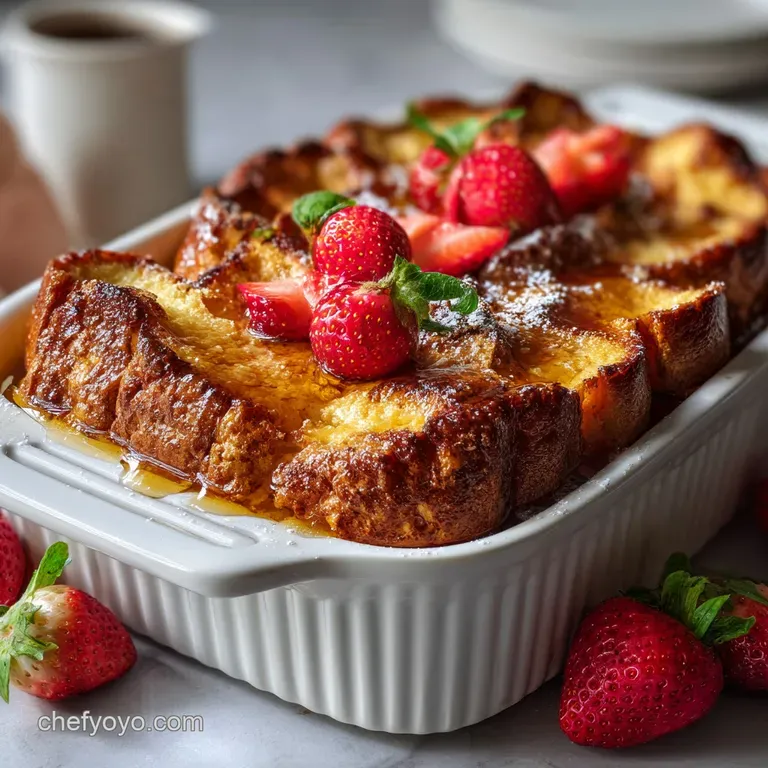
French Toast Casserole: Decadent Brioche Bake
- Time: Active 20 minutes, Passive 50 minutes, Total 1 hours 10 mins
- Flavor/Texture Hook: Silky custard center with a golden, shatter crisp pecan topping.
- Perfect for: Holiday mornings, high end brunch hosting, or weekend meal prep.
- The Best French Toast Casserole for Brunch
- Why This Custard Texture Works
- Critical Timing and Temperature Specs
- Quality Ingredients for Flavor Contrast
- Essential Tools for Perfect Results
- Mastering the Multi Step Assembly
- Pro Tips to Avoid Disasters
- Smart Substitutions and Flavor Variations
- Reliable Storage and Reheating Methods
- Elegant Side Dishes and Pairings
- Dispelling Common Kitchen Myths
- French Toast Casserole FAQs
- 📝 Recipe Card
The Best French Toast Casserole for Brunch
Imagine waking up to the aroma of warm cinnamon, toasted pecans, and a hint of bright lemon zest drifting through your home. There is something fundamentally comforting about the sound of a knife cutting through a shatter crisp topping into a velvety, custard soaked center.
It is the ultimate morning reward, and honestly, it is the only way I want to spend my Saturday mornings.
I used to think that a great French Toast Casserole was just about soaking bread in eggs and hoping for the best. I was wrong. My first attempt was a literal swamp of soggy white bread that lacked any structural integrity.
It was a mushy disappointment that taught me a very valuable lesson: the "how" matters just as much as the "what." This recipe is the result of those messy mistakes, refined into a contemporary fusion of textures.
We are talking about a dish that balances the rich, buttery indulgence of brioche with a bright, citrusy cream cheese "stuffing" that cuts right through the fat. Whether you are making this for a holiday crowd or just because you deserve a treat, this is the version that actually works.
Let’s get into why this specific method produces such a superior result.
Why This Custard Texture Works
- Starch Gelatinization: As the bread hydrates overnight, starch molecules swell and trap the custard, creating a structural gel that doesn't collapse or leak liquid during the bake.
- Fat Emulsification: Combining heavy cream with eight whole eggs and two extra yolks ensures a high fat ratio that yields a silky, melt in-the mouth crumb rather than a rubbery texture.
- The Maillard Reaction: The combination of brown sugar and pecans in the crumble undergoes complex browning at 175°C, providing a deep, toasted flavor contrast to the sweet interior.
- Acid Balance: Lemon zest in the filling provides a bright counter note, preventing the heavy dairy from feeling cloying on the palate.
| Method | Total Time | Texture Outcome | Best For |
|---|---|---|---|
| Fast Bake | 45 minutes | Lighter, bread forward, less custardy | Last minute cravings |
| Classic Soak | 12 hours | Velvety, rich, integrated flavors | Planning ahead, holidays |
| Slow Cooker | 4 hours | Soft, pudding like, no crisp top | Hands off meal prep |
Choosing the "Classic Soak" method allows the flavors of the vanilla bean paste and nutmeg to penetrate the very core of the brioche cubes. If you're looking for another comforting bake that benefits from a similar "set" time, you might enjoy the rich textures found in this How to Make recipe.
Critical Timing and Temperature Specs
| Component | Science Role | Pro Secret |
|---|---|---|
| Brioche | High fat structural base | Use day old bread to ensure maximum custard absorption without the bread disintegrating. |
| Egg Yolks | Emulsifier and fat source | Adding two extra yolks provides a richer, more velvety mouthfeel than using whole eggs alone. |
| Vanilla Paste | Aromatic depth | The flecks of real vanilla bean provide a more contemporary, visual appeal and intense flavor than extract. |
Understanding the components is the first step to mastering this dish. Using 1 lb of brioche ensures the pan is perfectly filled, while the 2 cups of whole milk and 1 cup of heavy cream provide the exact hydration ratio needed for a 9 servings yield.
Quality Ingredients for Flavor Contrast
- 1 lb day old brioche bread: Cut into 1 inch cubes. Why this? Brioche has a high egg/butter content, making it the most indulgent foundation.
- Substitute: Challah bread (similar density and richness).
- 4 tbsp unsalted butter: Melted for the base. Why this? Coats the pan and bread to prevent sticking while adding flavor.
- Substitute: Salted butter (just reduce the added sea salt slightly).
- 8 large eggs + 2 large egg yolks: Why this? The extra yolks create a custard that is significantly creamier.
- Substitute: 9 whole eggs if you're in a pinch, but it will be slightly firmer.
- 2 cups whole milk & 1 cup heavy cream: Why this? This specific ratio provides the perfect balance of moisture and richness.
- Substitute: 3 cups of half and half.
- 0.75 cup light brown sugar: Packed. Why this? Adds molasses notes that white sugar lacks.
- Substitute: Coconut sugar for a nuttier, less sweet profile.
- 1 tbsp vanilla bean paste: Why this? Provides intense flavor and beautiful black bean flecks.
- Substitute: 1 tbsp pure vanilla extract.
- 8 oz full fat cream cheese: Softened and cubed. Why this? Creates "pockets" of tangy contrast throughout the sweet bake.
- Substitute: Mascarpone for a milder, even creamier texture.
- 1 tsp lemon zest: Why this? The essential oils cut through the richness of the custard.
- Substitute: Orange zest for a warmer, citrus profile.
- 0.5 cup pecans: Chopped. Why this? Adds the necessary crunch to contrast the soft bread.
- Substitute: Walnuts or slivered almonds.
Chef's Tip: Freeze your butter for 10 minutes before cubing it for the crumble. This ensures it stays cold while you work it into the flour, leading to a much more flaky, pebbled texture that won't just melt into a puddle.
Essential Tools for Perfect Results
Having the right equipment makes the transition from prep to table seamless. You will need a 9x13 inch baking dish (glass or ceramic works best for even heat distribution), a large mixing bowl for the custard, and a medium bowl for the crumble.
A whisk is essential for emulsifying the eggs and cream until they are completely smooth.
I also recommend using a zester for that fresh lemon oil. If you are scaling this up for a massive brunch party, a stand mixer such as a KitchenAid can help whisk the large volume of eggs and milk quickly. For more tips on managing large scale comfort dishes, check out my advice on this French Dip Sandwiches recipe.
Mastering the Multi Step Assembly
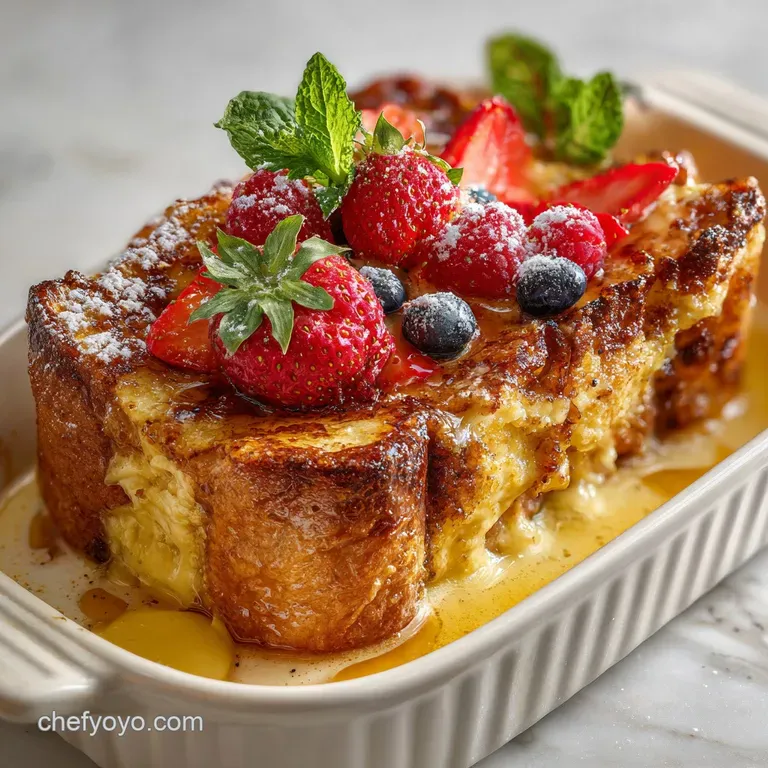
1. Preparing the Brioche Base
Start by cutting your 1 lb of brioche into uniform 1 inch cubes. If the bread feels too soft, spread the cubes on a baking sheet and pop them in a 150°C oven for 10 minutes until they feel dry to the touch.
Melt 4 tbsp of butter and pour it into the bottom of your baking dish, tilting it to coat the sides.
2. Creating the Zesty Filling
In a small bowl, mix your 8 oz of softened cream cheese with 0.25 cup powdered sugar and 1 tsp lemon zest. Don't over mix; you want it creamy but holding its shape. Drop small dollops of this mixture over the first layer of bread cubes in the pan.
3. Mixing the Velvety Custard
In your large bowl, whisk the 8 eggs and 2 yolks until pale. Slowly stream in 2 cups of whole milk and 1 cup of heavy cream. Add 0.75 cup brown sugar, 1 tbsp vanilla bean paste, 1 tsp cinnamon, 0.5 tsp nutmeg, and 0.5 tsp sea salt. Whisk vigorously until no streaks of egg remain.
4. The Overnight Hydration Period
Pour the custard evenly over the bread and cream cheese. Use the back of a spoon to gently press the bread down, ensuring every piece is submerged. Cover tightly with foil and refrigerate for at least 4 hours, or ideally overnight. This is the secret to that integrated, pudding like texture.
5. Making the Pecan Crumble
In a medium bowl, combine 0.5 cup flour, 0.5 cup brown sugar, and 1 tsp cinnamon. Use a pastry cutter or your fingers to work in 0.5 cup cold cubed butter until the mixture looks like coarse sand. Fold in 0.5 cup chopped pecans.
6. Adding Crumble and Baking
Preheat your oven to 175°C. Remove the casserole from the fridge and sprinkle the crumble over the top in an even layer. Bake for 45 to 50 minutes until the top is golden brown and the center has a slight, stable jiggle.
7. The Final Rest
Let the dish sit for 10 minutes before serving. This allows the custard to fully set so you get clean, beautiful slices rather than a collapsed mess on the plate.
Pro Tips to Avoid Disasters
Why Your Bake is Liquid
If you pull the casserole out and it's still swimming in milk, it usually means the oven temperature was too low or the bread wasn't dry enough to begin with.
| Problem | Root Cause | Solution |
|---|---|---|
| Soggy Center | Fresh bread used | Toast bread cubes in a low oven for 10 mins before assembly. |
| Burnt Topping | Sugar caramelized too fast | Tent the dish with foil halfway through the baking time. |
| Bland Flavor | Lack of salt/acid | Never skip the sea salt or the lemon zest; they balance the sugars. |
The most common mistake I see is people rushing the soak time. If you don't give it at least 4 hours, the custard just sits on the outside of the bread instead of soaking into the crumb.
✓ Always use day old bread or oven dried cubes to prevent mushiness. ✓ Whisk the eggs and dairy until completely homogenous to avoid "scrambled egg" bits. ✓ Keep the crumble butter cold until the very moment it hits the oven.
✓ Allow the casserole to rest for 10 minutes after baking to ensure a perfect set.
Smart Substitutions and Flavor Variations
If you are looking to change things up, this French Toast Casserole is incredibly versatile. You can easily adapt the flavor profile while keeping the core custard ratios the same. For instance, adding fresh berries or swapping the nuts can completely change the vibe of the dish.
| Premium Ingredient | Budget Alternative | Flavor Impact | Savings |
|---|---|---|---|
| Vanilla Bean Paste | Pure Vanilla Extract | Less visual "specks," same great aroma | Save $15-20 |
| Brioche Loaf | Thick cut White Bread | Less buttery, more structural | Save $4-6 |
| Pecans | Toasted Breadcrumbs | Loses the nuttiness, keeps the crunch | Save $5 |
If you want a different take on a classic French dish, you might be interested in the savory depths of this Classic French Onion recipe. It uses similar principles of slow building flavor and texture.
The Berry Burst Twist
Fold in 1.5 cups of fresh blueberries or raspberries between the layers of bread. The fruit will burst during baking, creating bright ribbons of tartness that pair perfectly with the lemon infused cream cheese.
gluten-free Bread Swaps
You can use a sturdy gluten-free brioche or white loaf. Just be aware that gluten-free bread often absorbs liquid differently; you may need to reduce the milk by about 10% to prevent it from becoming overly soft.
Reliable Storage and Reheating Methods
Storage: This casserole keeps beautifully in the fridge for up to 4 days. Keep it in an airtight container or tightly wrapped in the original baking dish to prevent it from absorbing other fridge odors.
Freezing: You can freeze the baked casserole for up to 2 months. Slice it into individual portions first, wrap each tightly in plastic wrap, and then place them in a freezer bag. To reheat from frozen, let it thaw in the fridge overnight.
Reheating: To maintain that shatter crisp top, reheat slices in a 175°C oven or toaster oven for 10 minutes. Avoid the microwave if possible, as it will turn that beautiful crumble topping soft and chewy.
Zero Waste: If you have leftover brioche scraps that didn't make it into the 1 lb measurement, toss them with a little melted butter and cinnamon sugar and bake them into "croutons" for a yogurt bowl later in the week.
Elegant Side Dishes and Pairings
To balance the richness of this French Toast Casserole, I love serving it alongside something salty or acidic. Crispy thick cut bacon or savory breakfast sausage provides the perfect "umami" counterpoint to the sweet brioche.
A simple fruit salad with a honey lime dressing also works wonders to refresh the palate between bites of the velvety custard. If you're hosting a full French inspired brunch, this dish sits beautifully on the table next to a Ratatouille Stew The recipe, which offers a savory, vegetable forward contrast.
Perfect Beverage Matches
- Coffee: A dark roast with chocolatey notes complements the cinnamon and nutmeg.
- Mimosas: The carbonation and acidity of orange juice and champagne cut through the heavy cream.
- Cold Brew: If you're serving this on a warm spring morning, the smoothness of cold brew is a contemporary pairing.
Dispelling Common Kitchen Myths
One common myth is that you must use expensive "artisan" bread for a good result. While brioche is my favorite, you can get a fantastic result with any thick cut, high starch bread as long as it is dry. The bread acts as a sponge; if the sponge is already full of water (fresh bread), it can't take in the custard.
Another misconception is that the "overnight" soak will make the bread soggy. In reality, the long soak allows the proteins and starches to bond, which actually helps the casserole hold its shape better during baking. It creates a cohesive structure rather than a pile of loose, wet bread.
Finally, searing the bread before baking doesn't "lock in" moisture. While it might add a bit of toasted flavor, the real magic happens during the hydration phase in the fridge. Trust the process, let it soak, and you'll be rewarded with the best breakfast of your life.

French Toast Casserole FAQs
What is a French toast casserole?
It's a baked breakfast dish. It takes the concept of traditional French toast, soaking bread in an egg custard, and bakes it in a casserole dish, often overnight, for a convenient and decadent meal.
Do you have to soak French toast casserole overnight?
Soaking overnight is highly recommended for best results. While a few hours will work, an overnight soak allows the bread to fully absorb the custard, creating a richer, more integrated texture rather than a collection of separate bread pieces.
How do you keep French toast casserole from being soggy?
Use day-old or toasted bread. Fresh bread contains too much moisture and will absorb the custard into a mush. Toasting the bread cubes slightly before assembly, or using bread that's at least a day old, is key to preventing sogginess.
What are common mistakes when making French toast casserole?
Using fresh bread, not soaking long enough, or not whisking the custard fully. Fresh bread leads to a soggy casserole, insufficient soaking results in uneven texture, and unwhisked custard can lead to streaks of cooked egg throughout.
Can I use different types of bread for French toast casserole?
Yes, but choose wisely. Sturdy, slightly dense breads like challah, brioche, or even thick cut white bread work best as they hold their shape and absorb the custard well. Avoid very soft, airy breads that can disintegrate.
How do I make my French toast casserole more flavorful?
Incorporate spices, extracts, and flavor enhancers. Add cinnamon, nutmeg, or cardamom to the custard, use vanilla bean paste for deeper flavor, and consider adding citrus zest or a touch of liqueur. For a great base, try using the same principles of flavor building as in our Classic Pumpernickel Bread Recipe: A Dark and Delicious Loaf.
Can French toast casserole be made ahead of time?
Absolutely, it's designed for make-ahead convenience. You can assemble the entire casserole, minus any topping you want to keep crisp, and refrigerate it overnight before baking. This actually improves the flavor and texture.
French Toast Casserole 2
Ingredients:
Instructions:
Nutrition Facts:
| Calories | 672 kcal |
|---|---|
| Protein | 13.8 g |
| Fat | 44.8 g |
| Carbs | 56.4 g |
| Fiber | 1.4 g |
| Sugar | 38.2 g |
| Sodium | 385 mg |
