New Years Eve Food Idea with Garlic Shrimp
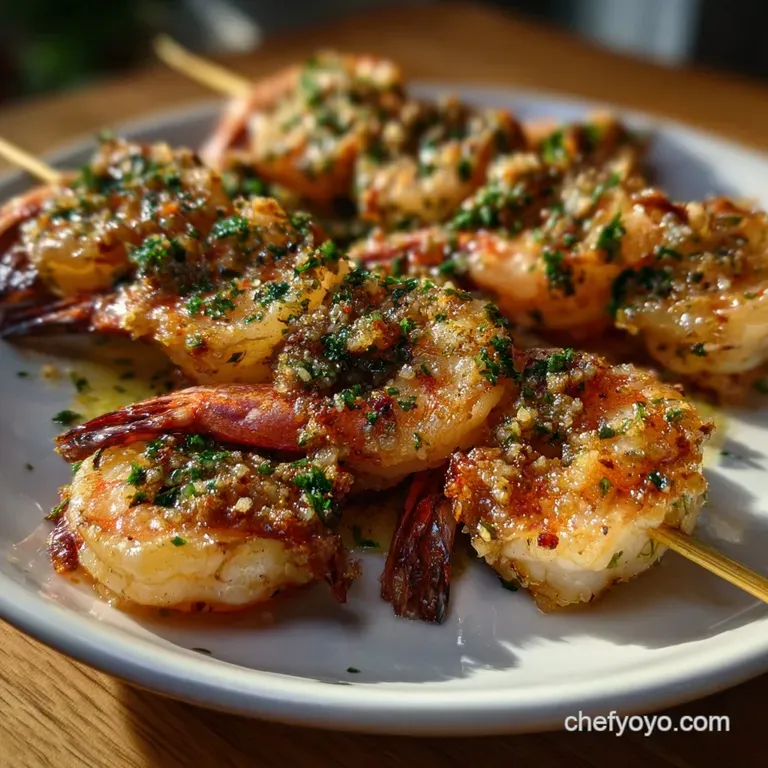
- Effort/Time: 21 minutes total / Minimal effort
- Flavor Hook: Nutty browned butter fused with aromatic garlic and citrus zest
- Perfect for: High-end holiday appetizers or elegant grab-and-go party skewers
- Engineering the Perfect New Years Eve Food Idea with Garlic Shrimp
- The Chemical Blueprint Behind Shattering Texture and Aroma
- The Essential Material Science of Your Culinary Arsenal
- High-Performance Tools for Precision Thermal Control
- Step-by-Step Architecture for Fusion Flavor Profiles
- Correcting Structural Failures in the Searing Phase
- Personalized Nutrient Modifications for Health-Conscious Guests
- ⚗️ The Math of Multiplication
- Debunking Kitchen Folklore
- Preserving Structural Integrity and Repurposing Byproducts
- Contemporary Plating Aesthetics for Festive Entertaining
- Probing Culinary Nuances: Expert Inquiries Answered
- Recipe FAQs
- 📝 Recipe Card
Engineering the Perfect New Years Eve Food Idea with Garlic Shrimp
Creating a memorable holiday spread requires dishes that balance intense flavor with rapid execution. This New Years Eve food idea with garlic shrimp utilizes professional techniques to ensure every bite offers a snapping texture and a deep, mahogany colored sear.
By focusing on the thermodynamics of the pan and the chemistry of the ingredients, we transform standard seafood into a contemporary fusion masterpiece that anchors your festive menu.
I have spent years perfecting the timing for holiday appetizers, and the secret lies in the preparation of the protein. Most home cooked shrimp end up rubbery or bland because they lack the structural integrity to withstand high heat. Here's a delicious New Year's Eve food idea starring garlic shrimp!
This specific approach ensures a velvety mouthfeel while maintaining a firm, snappy bite that pairs excellently with a crisp glass of sparkling wine.
When we consider the transition from the old year to the new, we want flavors that are bright, punchy, and sophisticated. This recipe moves away from heavy, cream laden sauces toward a clean, aromatic emulsion.
It’s about the sizzle of the pan and the fragrance of fresh herbs hitting hot fat a sensory experience that begins the moment your guests walk through the door.
The Chemical Blueprint Behind Shattering Texture and Aroma
Success in the kitchen is often a matter of managing molecular changes. For this dish, we focus on two primary scientific principles: alkaline surface modification and the Maillard reaction.
- Alkaline Brining: Baking soda raises the pH level on the shrimp's surface, which physically alters the protein structure to prevent overcurling and moisture loss.
- Maillard Acceleration: A higher pH environment speeds up the Maillard reaction, allowing the shrimp to develop a mahogany crust even during a brief 2 minute sear.
- Thermal Momentum: Using chilled grass fed butter at the end creates a stable emulsion because the cold fat molecules disperse slowly into the warm wine, preventing the sauce from breaking.
- Volatile Aromatics: Microplaning the garlic breaks more cell walls than mincing, releasing a higher concentration of allicin for a more potent, contemporary flavor profile.
The Essential Material Science of Your Culinary Arsenal
Selecting high-quality components is the first step toward a successful New Years Eve food idea with garlic shrimp. Each element plays a specific role in the dish's final physics and flavor profile.
| Ingredient | Chemical/Physical Role (Science) | The Pro Secret (Why This Matters) |
|---|---|---|
| Jumbo Shrimp | High surface-to-volume ratio for rapid protein denaturation | 16/20 count provides enough thermal mass to sear without overcooking the core |
| Baking Soda | Alters protein strands to retain intracellular moisture | Creates the signature "snap" found in high end Cantonese and fusion seafood |
| Grass fed Butter | Provides phospholipids for stable sauce emulsification | Higher fat content than standard butter ensures a richer, velvety finish |
| Dry White Wine | Acidity breaks down tough connective tissues and deglazes the pan | Acts as the aqueous base for the fat-in-water emulsion |
Selecting Your Protein Elements
We use 1 lb Jumbo Shrimp (16/20 count) because their size allows for a significant mahogany crust while the interior remains succulent. Why this? Larger shrimp have a lower surface area-to-volume ratio, preventing internal toughening during over high heat searing.
The Importance of Fat Sources
Using 1 tbsp Grass fed butter is non-negotiable for a professional finish. Why this? Grass fed varieties have a more complex fatty acid profile, contributing to a better emulsion and deeper golden color. For another flavorful addition to your holiday pantry, consider making a batch of Homemade Italian Seasoning recipe to use in your herb rotations.
High Performance Tools for Precision Thermal Control
To execute this New Years Eve food idea with garlic shrimp effectively, your equipment must be able to handle and distribute heat with absolute consistency.
- Lodge Cast Iron Skillet: The high thermal mass of cast iron prevents the temperature from dropping when the cold shrimp hit the pan. This ensures an immediate sizzle rather than a slow steam.
- Microplane Zester: Essential for the 6 cloves of garlic and 1 tbsp lemon zest. It creates a fine paste that integrates into the sauce instantly without leaving behind gritty, burnt chunks.
- Stainless Steel Locking Tongs: Provides the precision needed to flip each shrimp individually, ensuring even browning across the entire batch.
- Digital Instant Read Thermometer: While shrimp cook fast, checking for an internal temperature of 120°F (49°C) ensures they remain tender.
step-by-step Architecture for Fusion Flavor Profiles
Follow these steps with precision to ensure the chemistry of the dish works in your favor.
- Pat shrimp dry with paper towels until the surface is completely matte. Note: Surface moisture causes steaming instead of searing.
- Toss shrimp with 1/4 tsp baking soda and 1/2 tsp Diamond Crystal Kosher salt. Note: Alkaline environment triggers faster browning.
- Rest the mixture for 15 minutes in the refrigerator. Note: Allows the pH change to penetrate the outer protein layers.
- Heat 1 tbsp Extra virgin olive oil in a skillet until it shimmering and a faint wisp of smoke appears.
- Place shrimp in a single layer for 2 minutes until the bottom edges turn mahogany and the sizzle becomes rhythmic.
- Flip and cook for 1 minute until the shrimp are translucent in the center and the shape begins to C-curve.
- Add 6 cloves microplaned garlic and 1/2 tsp red chili flakes.
- Sauté for 30 seconds until the pungent aroma of raw garlic shifts to a sweet, nutty fragrance.
- Deglaze with 2 tbsp dry white wine until the liquid hisses and reduces by half.
- Whisk in 1 tbsp chilled grass fed butter until the sauce transforms into a velvety, opaque glaze.
- Remove from heat and toss with 1/4 cup Italian parsley and 1 tbsp lemon zest.
- Finish with 1 tsp fresh lemon juice until the aroma brightens and the colors pop.
Correcting Structural Failures in the Searing Phase
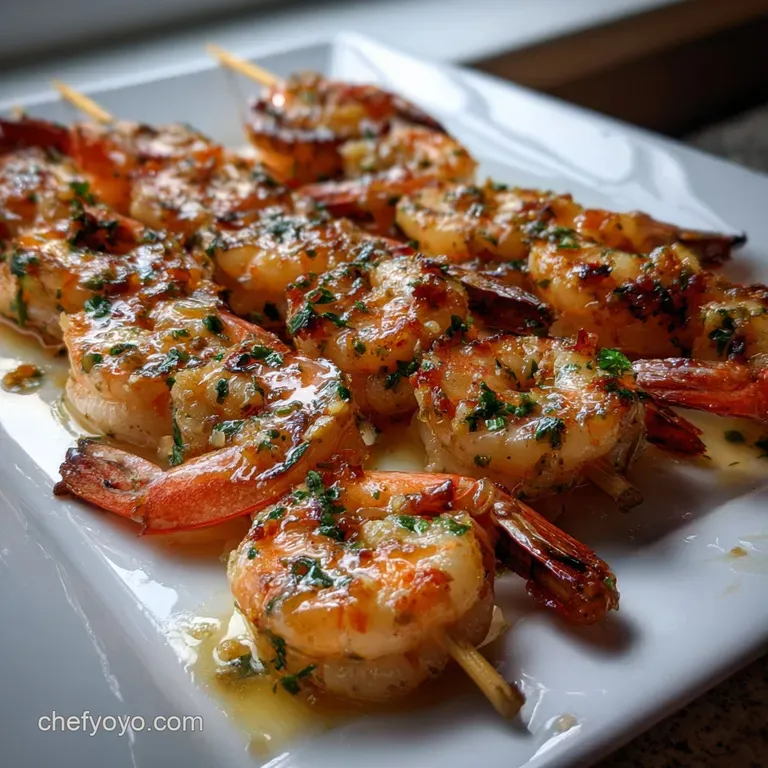
Even with the best New Years Eve food idea with garlic shrimp, technical errors can occur. Understanding the physics of the pan helps you pivot quickly.
Why Your Shrimp Lack a Crispy Crust
If the shrimp appear grey or pale, the pan temperature was likely too low or too many shrimp were added at once. This causes the internal juices to purge, dropping the surface temperature below the 300°F required for the Maillard reaction.
| Problem | Root Cause | The Fix | Pro Protocol |
|---|---|---|---|
| Rubbery Texture | Over denaturation of proteins (overcooking) | Pull shrimp at 120°F internal | Carry over heat will finish the cooking during resting |
| Bitter Aftertaste | Garlic scorched in the over high heat oil | Add garlic only in the final 60 seconds | Use a microplane to ensure the garlic melts into the sauce rather than frying |
| Broken Sauce | Fat separated from the wine base | Add cold butter off the heat | The "mounting" technique (monter au beurre) requires a gentle temperature drop |
Personalized Nutrient Modifications for Health Conscious Guests
This New Years Eve food idea with garlic shrimp is naturally low in carbohydrates, but specific adjustments can tailor it to various dietary needs without sacrificing the contemporary fusion aesthetic.
Enhancing Texture via Alkaline Brining
The use of baking soda is a professional secret for maintaining the "snap" in shrimp. If you are monitoring sodium intake, you can reduce the kosher salt by half, as the baking soda also contributes a subtle salty perception.
Opting for Heart Healthy Fats
While grass fed butter provides the best emulsion, you can substitute it for a high-quality avocado oil or a vegan butter alternative. If using a substitute, note that the sauce may not be as velvety due to the lack of milk solids, but the flavor will remain sharp and bright. If you're serving this alongside a main course, it works beautifully with a well prepared burger patty recipe for a surf and turf theme.
⚗️ The Math of Multiplication
When preparing this New Years Eve food idea with garlic shrimp for a large party, the physics of the pan changes dramatically.
- The Evaporation Paradox: If you double the recipe in the same skillet, the surface area for evaporation remains the same. Reduce the white wine by 15% to ensure the sauce doesn't become watery.
- Pan Crowding (Maillard Killer): Doubling the shrimp in one pan will drop the temperature too fast. Mandatory instruction: Sear the shrimp in batches of 1/2 lb to ensure a proper mahogany crust.
- Flavor Saturation: Scale spices (chili flakes and garlic) to 1.5x rather than 2x. Concentrated flavors can become overwhelming in large volumes.
- Thermal Mass: A double batch of cold shrimp carries significant "cold energy." Let the shrimp sit at room temperature for 10 minutes before cooking to bridge the temperature gap.
Debunking Kitchen Folklore
- Myth: You should wash shrimp before cooking.
- Truth: Washing increases surface moisture, which prevents searing and encourages steaming. Simply patting dry is safer and more effective for flavor.
- Myth: Keeping the tails on is just for looks.
- Truth: The chitin in the tails contains concentrated flavor molecules that infuse into the butter sauce during the final sauté, providing a deeper umami profile.
Preserving Structural Integrity and Repurposing Byproducts
Storage Protocols
- Fridge: 2 days in an airtight Glasslock container. The acidity from the lemon will continue to "cook" the shrimp slightly, so they are best eaten cold in a salad the next day.
- Freeze: Not recommended after cooking, as the delicate protein structure will become mealy upon thawing.
- Reheat: Sauté very briefly in a hot pan with a splash of water to re-emulsify the sauce. Avoid the microwave, which causes rapid protein contraction and rubbery texture.
Zero Waste Philosophy
- Shrimp Shells: Don't discard the shells if you peel them yourself. Transform: Simmer with aromatics for 30 minutes to create a concentrated seafood stock. Science: The shells are rich in glucosamine and minerals that add a silky mouthfeel to future soups.
- Lemon Peels: After zesting, use the remaining peels to infuse white vinegar for a natural kitchen cleaner.
- Parsley Stems: Finely mince the stems and add them to the pan at the same time as the garlic. Science: Stems contain more concentrated essential oils than the leaves, adding a punchier herbal note.
Contemporary Plating Aesthetics for Festive Entertaining
For a high end New Years Eve food idea with garlic shrimp, presentation should be as refined as the flavors.
- The Skewer Stack: Thread two shrimp onto a bamboo pick, sandwiching a fresh parsley leaf in between. Lean these against a central dipping bowl for a modern, architectural look.
- Individual Spoons: Place one shrimp in a white ceramic tasting spoon, drizzled with the emulsified butter sauce and topped with a single chili flake.
- The Gremolata Shower: Instead of mixing the zest and parsley in the pan, sprinkle them over the shrimp at the very last second in front of your guests. This releases a fresh burst of citrus oils right as the dish is served.
Probing Culinary Nuances: Expert Inquiries Answered
Fresh vs. Frozen: Which is better?
Frozen shrimp are often "fresher" than those at the fish counter because they are flash frozen at sea. Ensure they are fully thawed and patted dry to maintain the integrity of the sear.
Butter vs. Ghee: Which provides a higher smoke point?
Ghee has a higher smoke point (485°F) because the milk solids are removed. However, for this recipe, we use grass fed butter at the end of the process specifically for those milk solids, which help create the velvety emulsion. For more tips on timing and heat, see my guide on How to Cook recipe for perfectly snapped vegetables.
Tail-on vs. Tail off: Best for elegant plating?
Tail-on is preferred for a New Years Eve food idea with garlic shrimp. It provides a natural "handle" for guests to pick up the appetizer and protects the smallest part of the shrimp from overcooking.
Homemade vs. Pre-peeled: Worth the effort?
Peeling them yourself allows you to keep the tails on and gives you access to the shells for stock. Pre-peeled shrimp often have the tails removed, which can lead to a less sophisticated presentation and reduced flavor depth.
Recipe FAQs
What is the secret to making the shrimp consistently snappy?
Alkaline brining alters surface proteins, preventing excessive moisture loss during searing. Raising the pH slightly via baking soda protects the muscle fibers from aggressive denaturing, resulting in a tender yet firm texture.
- Use 1/4 tsp baking soda per pound
- Rest the shrimp for exactly 15 minutes
- Ensure the pan is smoking hot before adding protein
Can I make this sauce ahead of time?
No. The butter emulsion will break upon cooling or reheating. The sauce relies on the precise thermal momentum achieved when cold butter hits the hot wine/garlic mixture off the heat. Trying to reheat a broken emulsion often results in an oily, separated sauce.
Is it better to use salted or unsalted butter for the finish?
Unsalted butter for precision control. Salted brands vary widely in sodium content, making it impossible to calibrate the final seasoning, especially since shrimp are already lightly salted.
Unsalted butter allows you to perfectly balance the brightness of the lemon zest against the richness of the browned butter solids.
How long should the shrimp sear before flipping for the best color?
Exactly two minutes per side. This duration is necessary to accelerate the Maillard reaction on the alkaline treated surface. If you've mastered the sensory cues of searing protein here, you can apply the same high heat timing to achieve the perfect crust on meat.
Myth: I must use fresh shrimp purchased the same day.
Myth: USDA research shows that shrimp processed and flash frozen at sea locks in superior quality. Reality: Unless you are sourcing directly from a dock, properly frozen and thawed shrimp often have superior texture compared to unfrozen shrimp that have spent days in transit.
What is the best non-alcoholic substitute for the dry white wine?
Use high-quality white grape juice mixed with white wine vinegar. The wine provides both acidity and a specific volatile aromatic profile; substituting with plain water dilutes the final sauce significantly. For a similar sweet tart balance achieved through acidity, see how we manage the flavors in our Authentic Basil Pesto Your New Favourite Summer Sauce.
Troubleshooting: Why did my garlic burn instantly?
Garlic burned because it was added too early during the initial high heat sear. Garlic contains high levels of soluble sugars which scorch rapidly when exposed to temperatures above 325°F for too long. The goal is to gently bloom the aromatics in the fat after the protein has seized color.
- Use a microplane for maximum surface area release
- Add garlic only after the wine has deglazed the pan
- Ensure pan temperature drops slightly before adding garlic
Garlic Shrimp Nye Food Idea
Ingredients:
Instructions:
Nutrition Facts:
| Calories | 118 kcal |
|---|---|
| Protein | 15.4 g |
| Fat | 5.1 g |
| Carbs | 1.6 g |
| Fiber | 0.2 g |
| Sugar | 0.3 g |
| Sodium | 262 mg |
