Turkey Giblet Gravy Recipe with Velvety Finish

- Time: Active 10 minutes, Passive 45 minutes, Total 55 minutes
- Flavor/Texture Hook: Velvety, umami rich, and deeply savory
- Perfect for: Thanksgiving dinner or festive family roasts
- Achieve the Best Homemade Giblet Gravy Recipe
- Essential Details for Success
- Component Analysis for Savory Depth
- Ingredients for Deep Savory Depth
- Professional Kitchen Tools List
- Step by Step Cooking Guide
- Common Textural Fixes and Solutions
- Creative Variations and Adaptations
- Scaling the Batch Size
- Clarifying Common Preparation Misconceptions
- Keeping Leftovers Fresh and Safe
- Perfect Accompaniments for Dinner
- Precision Checkpoints
- Recipe FAQs
- 📝 Recipe Card
Can you smell that? It is the scent of the turkey neck hitting a hot Lodge Cast Iron Skillet, followed by the sharp, botanical hit of white wine deglazing the pan.
For years, I watched people toss those little paper bags of giblets directly into the trash, and honestly, it broke my heart every single time. Those odd bits are not scraps, they are the secret to a giblet gravy recipe that actually tastes like something.
We are moving past the days of watery, grey sauces that disappear into the mashed potatoes. We want a sauce that stands on its own, with enough body to coat the back of a spoon and enough soul to make your guests ask for the recipe before they even finish their first bite.
I remember the first time I got the roux just right, it smelled like toasted hazelnuts and victory.
Trust me on this, once you realize how much flavor is hidden in the gizzard and neck, you will never go back to the jarred stuff again. It is about patience and layering. We are going to build a foundation of flavor that makes the "bird" almost secondary. Let's crack on and turn those neglected bits into liquid gold.
Achieve the Best Homemade Giblet Gravy Recipe
Success with this giblet gravy recipe comes down to a few specific chemical reactions that happen in your pot. When we sear the giblets, we aren't just cooking them, we are initiating the Maillard reaction. This creates complex, savory compounds that simply don't exist in raw or boiled meat.
Collagen Conversion: Simmering the turkey neck for 45 minutes slowly breaks down tough connective tissue into gelatin. This provides a natural, lip smacking viscosity that flour alone cannot replicate.
Starch Gelatinization: As the AP flour in our roux hits the hot turkey drippings, the starch granules swell and burst. This creates a stable network that thickens the liquid into a velvety sauce without any grainy residue.
Emulsification Stability: The proteins in the giblet stock help bind the fat from the drippings with the water based stock. This prevents that unappealing oil slick from forming on top of your gravy boat.
Deglazing Action: Adding the dry white wine releases "fond" (the browned bits) from the pan. The acid in the wine also balances the heavy fats, brightening the overall flavor profile of the turkey giblet gravy.
Essential Details for Success
Creating a great sauce requires precision, especially when balancing fats and starches. If you want the best results, you need to understand how the fresh version stacks up against the shortcuts many people take.
| Feature | Fresh Giblet Stock | store-bought Shortcut | Outcome Trade off |
|---|---|---|---|
| Texture | Silky and rich from natural gelatin | Thin or overly "gelatinous" from thickeners | Fresh has better mouthfeel and "cling" |
| Flavor Depth | Layered with toasted meat and herbs | Predominantly salty and one note | Fresh allows for complex herb infusion |
| Aroma | Heady, roasted, and inviting | Vaguely metallic or overly yeasty | Fresh fills the house with a "holiday" scent |
Chef's Tip: Freeze your turkey drippings for 10 minutes before measuring. The fat will rise to the top and slightly firm up, making it easier to separate the liquid gold from the watery juices.
Component Analysis for Savory Depth
Every ingredient in this simple giblet gravy plays a structural or flavorful role. We aren't just tossing things in a pot; we are building a sauce.
| Ingredient | Science Role | Pro Secret |
|---|---|---|
| Turkey Neck | Primary source of collagen and bone marrow flavor | Sear it until it's dark brown for a darker gravy color |
| Turkey Drippings | Provides the essential fat for the roux | Use a fat separator to ensure you get the flavored oils |
| White Wine | Acidic catalyst for flavor release | Use a crisp Sauvignon Blanc to cut through the richness |
| All Purpose Flour | Structural thickening agent | Cook it with the fat until it smells like "baked pie crust" |
Ingredients for Deep Savory Depth
To make this giblet gravy recipe from scratch, you will need a few pantry staples and the star of the show: the giblet set.
- 1 set turkey giblets: Includes neck, heart, gizzard, and liver. Why this? Provides the base umami and essential gelatin for the sauce.
- 1 small yellow onion: Peeled and halved. Why this? Adds sweetness to balance the mineral notes of the organs.
- 1 stalk celery: Roughly chopped. Why this? Offers a clean, vegetal backbone to the stock.
- 1 bay leaf: Whole. Why this? Adds a subtle, floral background note that cuts through fat.
- 5 cups chicken or turkey stock: Low sodium preferred. Why this? The liquid medium that carries all the dissolved flavors.
- 4 whole black peppercorns: Whole. Why this? Provides a slow, gentle heat rather than a sharp bite.
- 0.5 cup turkey drippings: Fresh from the roasting pan. Why this? This is where the concentrated "turkey" flavor lives.
- 0.5 cup all purpose flour: Standard bleached or unbleached. Why this? The starch required to create a stable, thick roux.
- 0.25 cup dry white wine: Like Pinot Grigio. Why this? Acts as a solvent to lift browned bits off the pan.
- 1 tsp fresh thyme: Finely chopped. Why this? Adds an earthy, woodsy aroma that defines Thanksgiving.
- 0.5 tsp salt: To taste.
- 0.25 tsp black pepper: Freshly ground.
If you find yourself short on drippings, you can easily use unsalted butter as a substitute. It works beautifully because it has a similar fat content, though it adds a creamier, more "French" finish to the easy giblet gravy.
If you are out of white wine, a splash of apple cider vinegar (about 1 tablespoon) provides the necessary acidity, though the flavor will be punchier.
Professional Kitchen Tools List
You don't need a professional kitchen, but a few specific items make this homemade giblet gravy much easier to manage.
- Lodge Cast Iron Skillet: For searing the neck and gizzard to get that deep brown crust.
- 3 quart Saucepan: For simmering the giblet stock without too much evaporation.
- Fine Mesh Strainer: Essential for removing the peppercorns, bay leaf, and vegetable scraps.
- Whisk: A sturdy balloon whisk helps prevent any lumps from forming in the roux.
- Fat Separator: This tool is a game changer for measuring your 0.5 cup of drippings accurately.
step-by-step Cooking Guide
Let's get into the process. The first smell you should look for is the savory, slightly metallic aroma of the giblets hitting the hot pan.
Preparing the Infusion
- Sear the neck and gizzard. Place the turkey neck and gizzard into a dry saucepan over medium high heat. Note: Searing first creates the "fond" that colors the gravy.
- Add the liquids. Pour in the 5 cups of chicken stock and the 0.25 cup of white wine. Watch for the sizzle and the steam rising as the wine deglazes the pan.
- Aromatics inclusion. Drop in the onion halves, celery, bay leaf, and peppercorns.
- Simmer the stock. Bring to a boil, then reduce to a low simmer for 45 minutes. You will smell a deep, meaty aroma filling the kitchen.
- Cook the liver. In the last 10 minutes of simmering, add the turkey liver to the pot. Note: Adding it too early makes the stock bitter.
- Strain and chop. Remove the giblets. Strain the stock through a mesh sieve and set aside. Finely mince the heart, gizzard, and liver; discard the neck and vegetables.
Building the Gravy Base
- Create the roux. In a clean skillet, melt the 0.5 cup of turkey drippings. Whisk in the 0.5 cup of flour.
- Toast the flour. Cook the roux for 3-5 minutes until it turns a light mahogany color and smells like toasted nuts.
- Incorporate the stock. Slowly whisk in the reserved giblet stock, one ladle at a time. Note: Adding it slowly prevents the flour from clumping.
- Final simmer. Stir in the minced giblets, thyme, salt, and pepper. Simmer for 5 minutes until velvety and thick.
Much like the technique used in our Country Gravy Recipe, the key is the constant movement of the whisk during the liquid addition.
Common Textural Fixes and Solutions
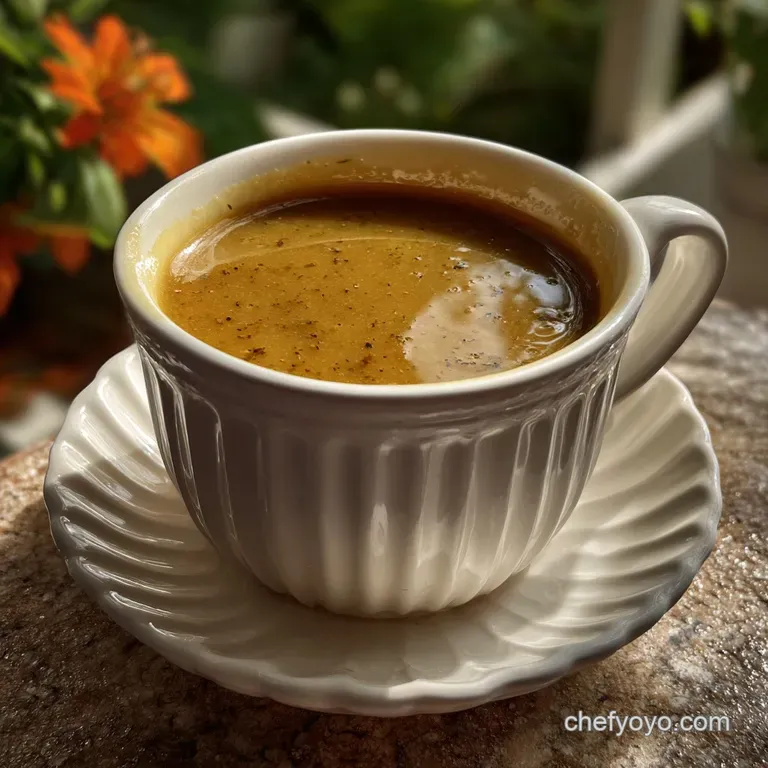
Even the most seasoned cooks hit a snag now and then. But what about the sogginess or the lumps? We'll get to that right now.
Banishing Lumpy Texture
Lumps happen when the liquid is added too fast or the roux is too cold. If you see small white beads of flour, don't panic. You can usually whisk them out vigorously over high heat. If they persist, the "cheat code" is using an immersion blender for 10 seconds.
It won't hurt the flavor, but it will save your reputation.
Balancing Overly Salty Drippings
Sometimes the turkey rub is very salty, which concentrates in the drippings. If your gravy tastes like a salt lick, do not add more salt. Instead, add a teaspoon of sugar or a splash more white wine. The sweetness or acidity will distract the palate from the saltiness.
| Problem | Cause | Fix |
|---|---|---|
| Greasy Film | Not enough flour for the amount of fat | Whisk in a "slurry" of 1 tsp cornstarch and water |
| Too Thin | Didn't simmer long enough to activate starch | Continue simmering uncovered for 5-10 minutes |
| Bitter Aftertaste | Liver was boiled for too long | Add a splash of heavy cream to mellow the minerals |
Creative Variations and Adaptations
If you want to put a contemporary spin on this traditional dish, there are plenty of ways to adapt.
- For a smoky depth: Replace half the turkey drippings with bacon fat. It adds a wonderful campfire aroma that pairs perfectly with smoked turkey.
- For a mushroom fusion: Sauté 1 cup of minced cremini mushrooms in the drippings before adding the flour. This creates an earthy, forest floor vibe.
- Achieving a gluten-free version: Use a high-quality 1 to-1 gluten-free flour blend. Note that these often brown faster than AP flour, so keep a close eye on your roux color.
If you're making a big feast, you might find that the fat content in your drippings varies, much like when preparing a burger patty recipe. Adjust your flour accordingly to keep the 1:1 ratio.
Scaling the Batch Size
Whether you are feeding a small group or the whole neighborhood, scaling is simple.
- To Double (2x): Use 1 cup drippings and 1 cup flour. For the stock, use 9 cups instead of 10 to keep the flavor concentrated. Increase spices by only 1.5x to avoid overpowering the sauce.
- To Halve (1/2): Reduce all ingredients by half. Since the liquid will evaporate faster in a small pan, keep a lid on the saucepan during the giblet simmer. Reduce total simmering time by about 10 minutes.
Clarifying Common Preparation Misconceptions
There are a lot of old wives' tales about how to make gravy. Let's set the record straight.
Myth: You must boil the giblets for hours to get flavor. Actually, boiling organs for too long can result in a rubbery texture and a bitter, metallic taste in the stock. 45 minutes is the "sweet spot" where the neck gives up its collagen without the liver becoming unpleasant.
Myth: Giblet gravy is always chunky. Not at all! Many people prefer a smooth sauce. You can simply use the giblets to flavor the stock and then discard them entirely. You still get all the nutritional and flavor benefits without the textural "bits."
Myth: Flour needs to be "cooked out" for 20 minutes. In a roux, the "raw" flour taste disappears as soon as the mixture starts to smell nutty and changes color. This usually takes 3 to 5 minutes.
Any longer and you're just making a darker roux (which is fine for flavor, but not necessary for "safety").
Keeping Leftovers Fresh and Safe
Proper storage ensures you can enjoy that "Day 2" turkey sandwich properly.
Storage: Keep your gravy in an airtight glass container in the fridge for up to 3 days. Because of the high protein content in the giblets, it will likely turn into a thick jelly when cold this is a sign of a perfect, gelatin rich sauce!
Freezing: This gravy freezes surprisingly well. Place it in a heavy duty freezer bag for up to 3 months. To reheat, thaw in the fridge overnight and whisk over low heat. You may need a splash of water or stock to loosen it back up.
Zero Waste: Don't throw away the turkey neck after simmering! Pick off the small bits of meat; they are incredibly tender and can be added back into the gravy or mixed into the turkey stuffing.
Perfect Accompaniments for Dinner
This gravy is the "glue" of the holiday plate. It brings together the dry meat, the fluffy potatoes, and the herb heavy stuffing.
- The Classic Pairing: Pour generously over roasted turkey and garlic mashed potatoes.
- The Modern Twist: Serve it alongside roasted root vegetables or even a savory bread pudding.
- The Leftover Hero: Use it as the base for a "Turkey Shepherd’s Pie" the next day.
I once made the mistake of not making enough of this. Seriously, don't even bother with a small batch. People will treat this gravy like a soup. If you're looking for a simpler version without the giblets for a quicker meal, you can always check out a basic How to Make recipe for a glossy finish. But for the holidays? The extra 45 minutes for the giblet infusion is worth every single second. Right then, let's get those drippings in the pan!
Precision Checkpoints
- Roux Color: Aim for a hex code close to #8B4513 (Saddle Brown) for the deepest flavor without burning.
- Stock Temperature: Ensure the stock is at least 165°F before adding it to the roux to prevent clumping.
- Giblet Size: Mince the organs to roughly 1/8 inch pieces to ensure even distribution in every spoonful.
If you want a thicker sauce, simmer for an extra 10 minutes. If you want a lighter sauce, use chicken fat (schmaltz) instead of turkey drippings. If you want a richer sauce, whisk in 1 tablespoon of cold unsalted butter right before serving.
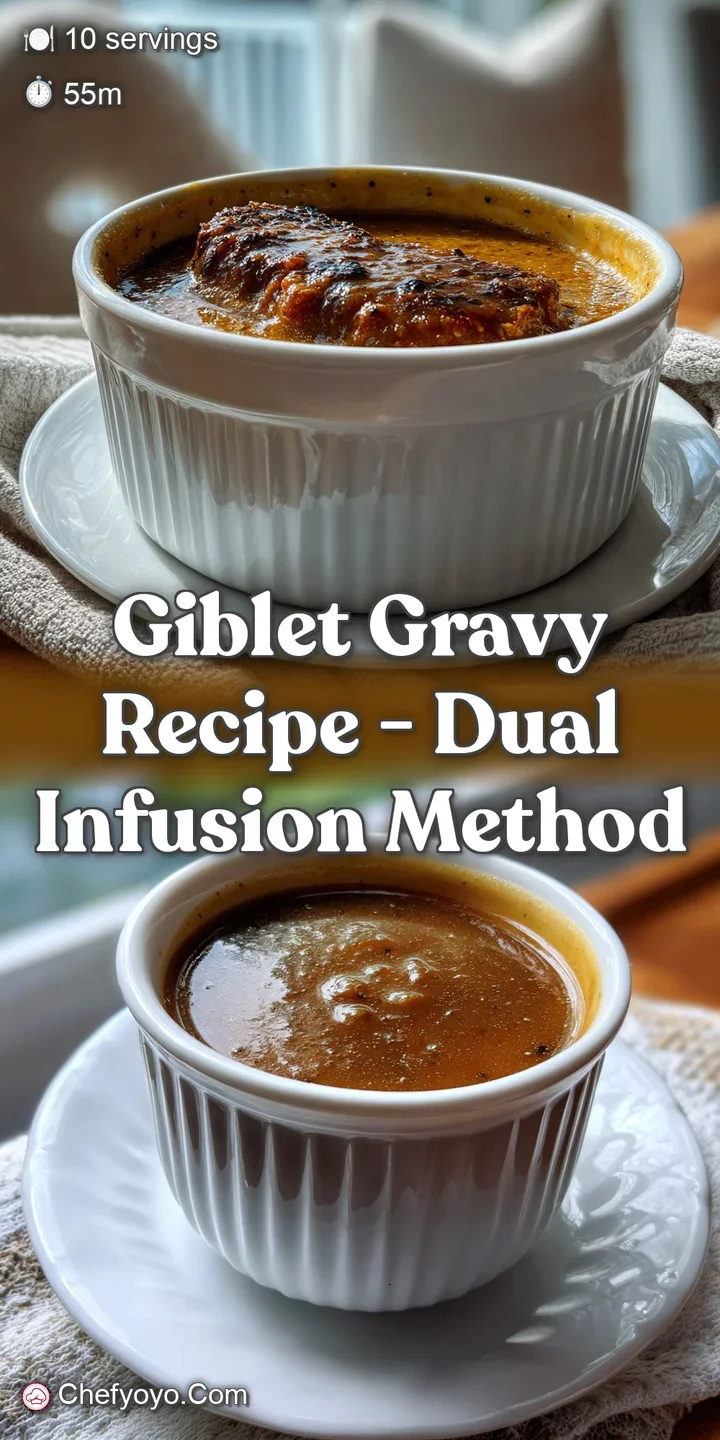
Recipe FAQs
What is the minimum simmering time required for the giblet stock?
Yes, 45 minutes is the ideal time. This duration allows the neck to release adequate collagen for body without causing the liver to break down and impart a bitter flavor to the stock.
Can I substitute the white wine used for deglazing?
Yes, you can substitute with an acid. If you are out of white wine, a tablespoon of apple cider vinegar will provide the necessary acidity to lift the fond from the pan, much like the acid balance we strike in our Greek Dressing: Authentic Homemade Vinaigrette Recipe.
How do I fix gravy that has a noticeable greasy film on top?
No, you should not just skim it. A greasy film usually indicates that the flour ratio was too low for the fat content in your drippings. The best fix is to whisk in a slurry made from cornstarch and water over heat until the emulsion stabilizes.
Is it acceptable to use store-bought stock instead of making a base?
Yes, but the flavor depth will suffer significantly. store-bought stock lacks the gelatin and marrow depth achieved by simmering the turkey neck; you will need to simmer it longer or enrich it with something like our Bone Broth: The Essential Liquid Gold Recipe for Depth.
What is the critical step to achieve a velvety, lump free texture?
No, the trick is slow incorporation. You must whisk in the reserved giblet stock one ladle at a time while constantly whisking the hot roux. This gentle introduction prevents the starch granules from clumping together instantly.
How long do I need to cook the flour and fat mixture (roux)?
No more than 5 minutes for this recipe. You are aiming for a light mahogany color that smells nutty, indicating the raw flour taste is cooked out. Cooking longer risks making the final gravy too dark or diminishing its thickening power.
Can I prepare the stock element of this recipe ahead of time?
Yes, the stock is excellent for make-ahead preparation. You can simmer and strain the giblet stock up to two days in advance and store it chilled, which makes final assembly on the day of serving much faster.
Giblet Gravy Recipe Silky Sauce
Ingredients:
Instructions:
Nutrition Facts:
| Calories | 154 kcal |
|---|---|
| Protein | 4.3 g |
| Fat | 11.2 g |
| Carbs | 5.1 g |
| Fiber | 0.2 g |
| Sugar | 0.6 g |
| Sodium | 420 mg |
