The Best Grill Grilled Salmon Recipe
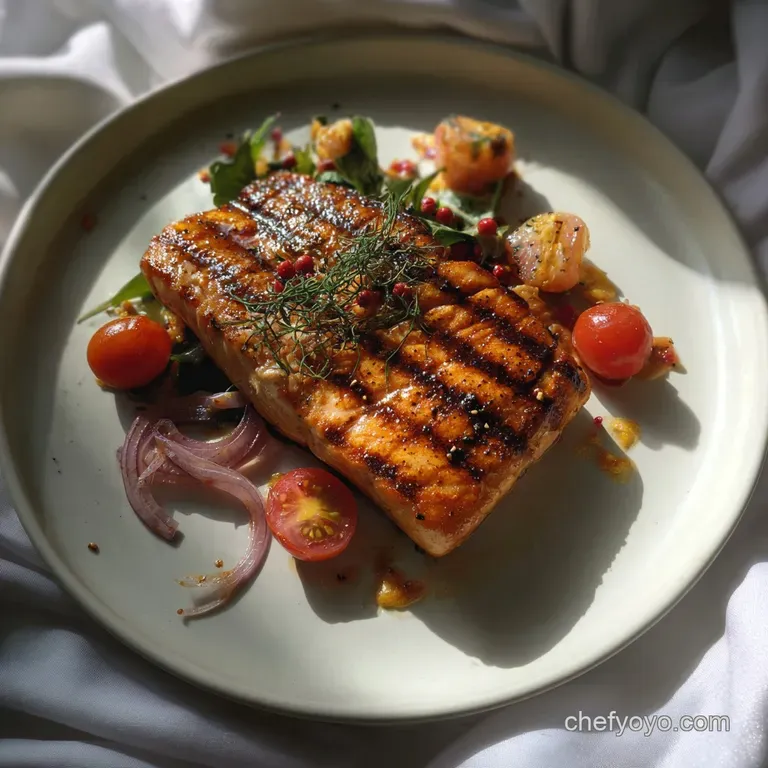
- Effort/Time: Low-effort, high-reward / 25 minutes
- Flavor Hook: Smoked-paprika-crusted exterior with a bright, dill-flecked finish
- Perfect for: Weeknight-warriors and backyard-hosting
- The Ultimate Masterclass: How to Grill Grilled Salmon Like a Pro
- The Science of Why it Works
- The Science Behind Your Ingredients
- Ingredients and Substitution Intelligence
- Step-by-Step Instructions for Grill Grilled Salmon
- Troubleshooting the Grill Grilled Salmon
- Common Myths About Grilling Fish
- Perfect Pairings and Variations
- Storage, Freezing, and Reheating
- Final Thoughts on This Recipe
- Recipe FAQs
- 📝 Recipe Card
The Ultimate Masterclass: How to Grill Grilled Salmon Like a Pro
Why You’ve Struggled with Grilled Salmon
We’ve all been there: the dreaded "fish-on-the-grate" heartbreak. You go to flip your beautiful fillet, and half the skin stays fused to the metal while the meat shreds into a sad, gray mess. Or maybe you've ended up with a piece of fish that looks great but tastes like dry sawdust once you hit the center.
I spent years scraping salmon off my Weber Spirit II before I realized that grill grilled salmon isn't about luck; it's about physics and fat. I once ruined a $60 side of King Salmon for a dinner party because I didn't understand thermal equilibrium it was a literal hot mess.
Now, I use a specific sequence of surface dehydration and oil-barrier techniques to ensure a clean release every single time.
Today, we’re fixing the "soggy skin" problem for good. We are going to harness the Maillard reaction to get that deep, savory crust that contrasts perfectly with the moist, fatty flakes of a center cut fillet. Let's get into the science of why this method actually works.
The Science of Why it Works
- Surface Dehydration: Salt draws moisture to the surface; patting it dry before oiling prevents steaming, allowing the Maillard reaction to occur immediately upon contact with the heat.
- Protein Denaturation: Applying heat causes the tightly coiled proteins in the salmon to unfold and rebond; stopping at 125°F-130°F ensures these bonds don't squeeze out all the internal moisture.
- Thermal Inertia: The skin acts as a heat shield, protecting the delicate flesh from direct flame while the subcutaneous fat renders and "fries" the skin from the inside out.
- Albumin Management: Slow and low cooking or overcooking forces white albumin protein to the surface; over high heat searing locks it within the muscle fibers.
The Science Behind Your Ingredients
The Science Behind Salmon Fillets
- What They Do
- Provides the structural base and healthy fats (Omega-3s) for the dish.
- The Chemistry
- Salmon contains high levels of astaxanthin and myoglobin, which react to heat by shifting from translucent orange to opaque pink as proteins denature.
- Why This Matters
- Using skin-on, center cut fillets ensures even thickness for uniform heat distribution and a built-in "insulation layer" during the grill grilled salmon process.
The Science Behind Smoked Paprika
- What It Does
- Acts as the primary flavor driver and color catalyst for the crust.
- The Chemistry
- Carotenoid pigments in the McCormick Smoked Paprika are oil-soluble, meaning they bloom and intensify when mixed with the olive oil.
- Why This Matters
- It creates a rich, "charred" appearance and deep wood smoke aroma without needing hours in a smoker.
The Science Behind Kosher Salt
- What It Does
- Seasons the meat deeply while altering the protein structure.
- The Chemistry
- Salt undergoes diffusion, moving into the fish to dissolve some of the protein filaments (myosin), which allows the meat to retain more water during cooking.
- Why This Matters
- Using Diamond Crystal Kosher Salt provides a larger grain size, giving you more control and preventing over salting compared to fine table salt.
Ingredients and Substitution Intelligence
To execute the perfect grill grilled salmon, you need precise measurements. We’re using 4 center cut salmon fillets (6 oz each), ensuring they are skin-on for maximum texture.
You'll need 2 tbsp of Bertolli Extra Virgin Olive Oil to create the fat barrier, and a dry rub consisting of 1 tsp kosher salt, 1/2 tsp coarse black pepper, 1 tsp smoked paprika, 1 tsp garlic powder, 1/2 tsp onion powder, and 1/4 tsp cayenne pepper for a subtle capsaicin kick.
For the finishing touch, we use 1 fresh lemon (sliced into wedges), 2 tbsp of finely chopped fresh dill, and 1 tbsp of Kerrygold Salted Butter to add a velvety mouthfeel.
| Original Ingredient | Substitute | Why It Works |
|---|---|---|
| Extra Virgin Olive Oil | Avocado Oil | Higher smoke point (520°F). Note: Neutral flavor but safer for ultra high heat |
| Smoked Paprika | Chipotle Powder | Adds similar smokiness but significantly more heat/spice |
| Fresh Dill | Fresh Tarragon | Provides a sophisticated anise/liquorice note that pairs well with fatty fish |
| Salted Butter | Ghee | 100% butterfat with a higher smoke point; adds a nutty, toasted flavor |
step-by-step Instructions for Grill Grilled Salmon
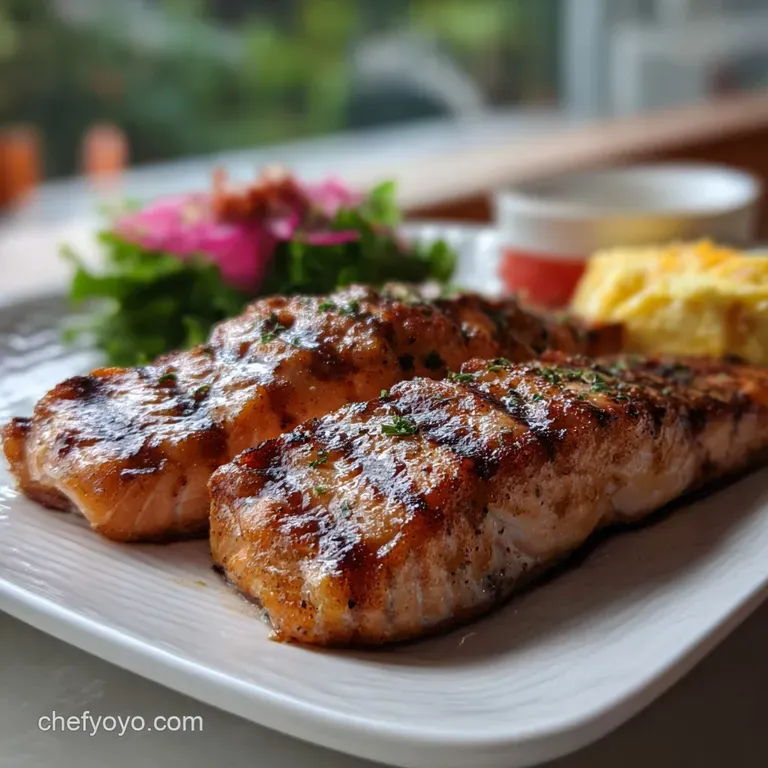
Prep the Salmon.Note: Patting the fish bone dry with paper towels is essential to prevent the "steam effect" which ruins crust formation. Ensure your 4 salmon fillets are at room temperature for 15 minutes.
This reduces the temperature gradient between the cold fish and the hot grill.
Whisk the Rub.Note: Mixing spices in oil (blooming) helps release fat-soluble flavor compounds before they hit the heat. In a small bowl, combine the McCormick Garlic Powder, onion powder, smoked paprika, salt, pepper, and cayenne with the 2 tbsp of olive oil to form a
thick paste.
Coat the Fillets.Note: A thick, even layer of oil-based rub acts as a physical barrier against the grill grates. Slather the paste over the flesh side of the salmon, ensuring every millimeter of the surface is covered. Don't forget the sides!
Fire up the Grill.Note: Preheating to 450°F ensures the "Leidenfrost effect," where the fish hovers on a cushion of vapor rather than sticking. Clean your grates with a wire brush and oil them lightly.
We want a direct heat setup for that classic grill grilled salmon sear.
The First Sear.Note: Place the fish flesh side down first to set the crust before the proteins become too fragile. Lay the fillets on the grill at a 45 degree angle to the grates. Close the lid and don't touch them for 3 to 4 minutes.
The Flip.Note: Using a Lodge Cast Iron Fish Spatula allows you to get under the crust without snapping the fillet. Carefully flip the salmon onto the skin side. If it resists, wait another 30 seconds; the fish will "tell" you when it's ready to release.
The Finish.Note: Carry over cooking will raise the internal temperature by 5°F after you remove it from the heat. Cook for another 4 to 5 minutes on the skin side until the internal temperature reaches 125°F on a
Thermapen One.
Rest and Garnish.Note: Resting allows the muscle fibers to relax and reabsorb juices, preventing a dry bite. Top each fillet with a tiny knob of salted butter, a sprinkle of fresh dill, and a squeeze of fresh lemon.
Chef's Tip: To get those "diamond" grill marks, rotate the fish 90 degrees halfway through the first 4 minute sear. Also, try freezing your butter for 10 minutes before grating it over the hot fish; it creates a more even, "snow like" melt.
Troubleshooting the Grill Grilled Salmon
| Problem | Root Cause | The Fix | Pro Protocol |
|---|---|---|---|
| Fish sticks to grate | Grates were cold or dirty | Clean grates and preheat to 450°F+ | Use a paper towel soaked in oil to "season" the grates 3 times before cooking |
| White "goo" on top | Overcooking (Albumin) | Remove fish at 125°F internal | Use an instant read thermometer; never "eyeball" fish doneness |
| Skin is soggy | Trapped moisture | Pat skin dry and grill skin side down last | Start flesh side down to render fat, then crisp the skin for the final 5 minutes |
Common Myths About Grilling Fish
Myth: You must flip salmon multiple times to cook it evenly. Truth: Flipping more than once increases the structural failure rate of the fish. One flip is all you need for a perfect grill grilled salmon result.
Myth: Marinades are better than dry rubs for grilling. Truth: Wet marinades often contain sugar or acid that can cause the fish to mush or burn. A dry-rub paste creates a superior "shatter" crust and better Maillard browning.
Myth: High heat dries out the fish. Truth: Low heat actually dries fish out by taking longer to cook, allowing more moisture to evaporate. High heat sears the exterior quickly, trapping the velvety juices inside.
Perfect Pairings and Variations
If you want to turn this into a full BBQ feast, this salmon pairs beautifully with my Grilled Vegetable Platter with Yogurt Mint Sauce: Easy BBQ Centrepiece. The acidity in the yogurt cuts through the fatty salmon perfectly.
If you prefer a more decadent, restaurant style finish, try drizzling over my Cream Sauce for Salmon My Simply Splendid Dill Recipe. The cream base complements the smoked paprika rub in a way that is absolutely world class.
For those who want a variation, you can swap the salmon for skirt steak using the same rub just check out my guide on How to Prepare Skirt Steak Grilled to Perfection with Chimichurri for timing differences.
Storage, Freezing, and Reheating
Storage: Store leftovers in an airtight glass container in the fridge for up to 3 days. The flavor actually deepens as the spices meld, but the skin will lose its "shatter" crunch.
Freezing: You can freeze cooked grilled salmon for up to 2 months. Wrap tightly in plastic wrap, then place in a heavy duty freezer bag. Note: Texture will be slightly softer upon thawing.
Reheating: Avoid the microwave! It turns salmon into rubber. Instead, place the fish in a cold oven, set it to 275°F, and heat for about 10 15 minutes until just warmed through. This "low and slow" approach preserves the protein structure.
Final Thoughts on This Recipe
Mastering grill grilled salmon is a gateway to outdoor cooking confidence. Once you stop fearing the stick and start trusting the science of a over high heat sear and a dry rub, you'll never go back to pan-frying.
The combination of smoked paprika, garlic, and that final hit of fresh dill creates a flavor profile that is both rustic and refined. This grill grilled salmon recipe is my absolute go-to for a healthy, impressive dinner that takes less than 30 minutes from fridge to table.
Let's get grilling!
Recipe FAQs
What internal temperature ensures perfectly cooked grilled salmon?
135°F (57°C) for medium rare results. Overcooking causes protein denaturation, leading to dry, flaky texture rather than velvety moisture. Pull the fish off the heat slightly before target temp for carryover cooking.
Should I grill salmon skin side up or skin side down first?
Skin side down initially for searing. Skin acts as an insulator, preventing the delicate flesh from sticking or tearing immediately upon hitting the hot grates. This technique creates the 'glass like shatter' mentioned.
Can I use a wet marinade instead of a dry rub for this method?
No, wet marinades invite flare ups. Excess surface moisture steams the fish and interferes with high heat caramelization necessary for crust development. Consider a baked alternative like the Miso Salmon Recipe: Effortless Umami Glaze Bake if moisture is required.
Myth: high-quality salmon doesn't need oiling before grilling.
Myth: high-quality salmon doesn't need oiling before grilling. Reality: Even quality fish adheres to clean grates without lubrication, especially during a high heat sear. A light coat of high smoke-point oil prevents protein bonding to metal lattices.
Is this technique better for fresh or frozen salmon fillets?
Fresh salmon offers superior texture control. Frozen salmon often retains excess water content, which requires longer initial drying time, compromising the dry rub's efficacy. For baked, moist results, see Creamy Tuscan Salmon with Spinach and: Perfect 30-Minute Meal.
What is the difference between skin-on and skinless grilling?
Skin-on provides structural integrity. The intact skin protects the underlying fat layer from direct heat exposure, making flipping easier and reducing moisture loss. Skinless fillets require more diligent oiling and gentler handling.
Why does my salmon skin tear when I try to lift it?
Sticking occurs due to insufficient grate heat. The protein strands in the skin must instantly coagulate upon contact with the hot metal to form a barrier layer; insufficient heat allows them to fuse with the grate surface.
- Ensure grill is preheated 15 minutes minimum
- Use oil brushed directly on the hot grates
- Wait until fish releases naturally (do not force)
Grill Grilled Salmon Perfection
Ingredients:
Instructions:
Nutrition Facts:
| Calories | 442 kcal |
|---|---|
| Protein | 34.8 g |
| Fat | 33.2 g |
| Carbs | 2.1 g |
| Fiber | 0.6 g |
| Sugar | 0.4 g |
| Sodium | 685 mg |
