Grilled Beef Tenderloin Recipes: High-Heat Sear
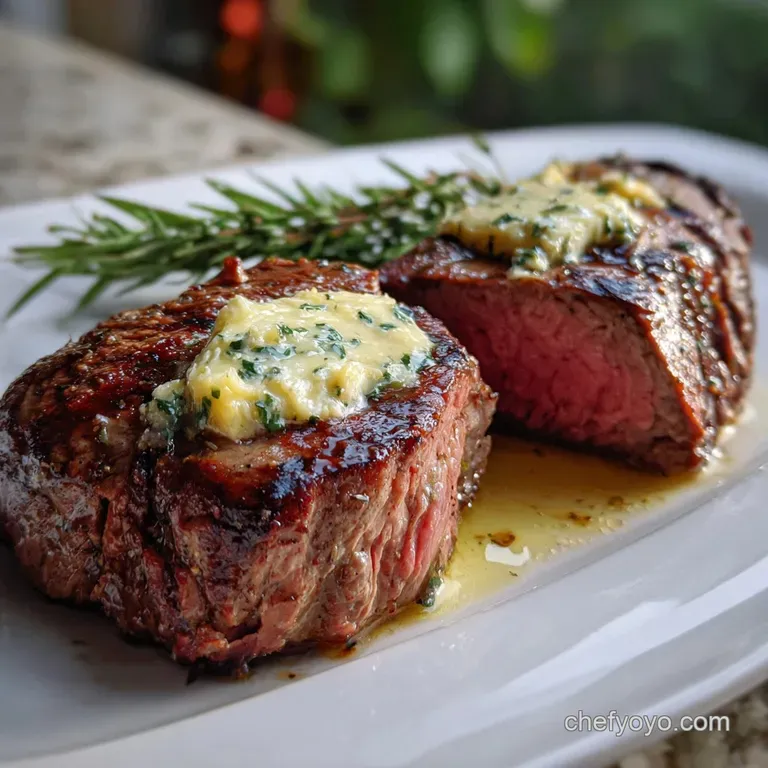
- Mastering the Grill: The Ultimate Guide to Grilled Beef Tenderloin Recipes
- The Science of Sear: Why High Heat Creates the Perfect Crust
- Essential Ingredients and Expert Substitutions
- Step-by-Step Guide to Grilling Beef Tenderloin to Perfection
- Expert Tips, Tricks, and Common Grilling Mistakes to Avoid
- Storage and Repurposing Leftovers
- Elevated Side Dishes and Serving Pairings
- Recipe FAQs
- 📝 Recipe Card
Mastering the Grill: The Ultimate Guide to Grilled Beef Tenderloin Recipes
Okay, friend, listen up. That unmistakable SSSSSSS sound when perfect steak hits the screaming hot grill? That’s the sound of success. If you’ve ever spent serious money on a beef tenderloin one of the most luxurious cuts only to dry it out on the BBQ, you know the unique sting of culinary failure.
It’s expensive, it’s lean, and it needs specific care.
But seriously, mastering Grilled Beef Tenderloin Recipes is easier than you think, provided you ditch the guessing games. Forget flabby, gray outsides and uneven doneness.
I’m going to teach you the steakhouse trick the two-zone fire that guarantees a velvety, edge-to-edge perfect medium rare every single time. We are making one of the best Tenderloin Recipes you will ever encounter.
This recipe uses minimal ingredients just salt, pepper, and smoke letting the quality of the meat shine, finished with a luscious, bright herb butter. Let’s get that grill fired up! This is the definitive guide to truly flawless Grilled Beef Tenderloin Recipes .
The Science of Sear: Why High Heat Creates the Perfect Crust
The Steakhouse Secret: Two-Zone Grilling Explained
The absolute non-negotiable key to mastering any of the best Grilled Beef Tenderloin Recipes is temperature control. Because the tenderloin (or filet) is so thick, if you cook it over direct heat the whole time, the outside will burn to charcoal before the center reaches medium rare. The trick?
The two-zone grilling method. You create one side that is screaming hot (for the sear) and one side that is off or low (for gentle, indirect finishing). This allows us to develop that beautiful, dark crust without incinerating the interior.
Anatomy of Tenderloin: Why it Deserves High Heat
Beef tenderloin is shockingly lean. It contains very little fat or connective tissue, which is why it’s so tender. But low-fat means it dries out fast . We use extreme heat initially to trigger the Maillard Reaction quickly.
Once that crust is set (the Seared Beef Tenderloin step), we pull it off the direct heat and let it finish cooking gently, like it’s in a warm oven. This keeps the juices locked inside.
The Role of Compound Butter in Finishing Steaks
Why compound butter, and why chilled? When you place that cold, herbal butter on the piping hot steak right after removing it from the grill, two things happen: First, the residual heat melts the butter into a gorgeous, savory sauce that runs over the meat.
Second, the fat mixes with the resting juices, forming an emulsion that essentially basts the steak, making it incredibly rich and moist. It’s critical.
Essential Ingredients and Expert Substitutions
We are keeping the seasoning simple here. When executing high-quality Grilled Beef Tenderloin Recipes , the cut should speak for itself. We prioritize high-quality salt and a generous amount of fresh pepper.
| Ingredient | Role in Recipe | Expert Swap/Notes |
|---|---|---|
| Beef Tenderloin (Whole or Filet) | The star. Best for texture. | Swap with Bone-in Ribeye or New York Strip, but expect a longer cook time. |
| Kosher Salt (Coarse) | Essential for dry brining and crust formation. | Use sea salt flakes, but avoid iodized table salt it’s too harsh. |
| High Smoke Point Oil | Prevents sticking on the sear and helps seasoning adhere. | Clarified Butter (Ghee) or Avocado Oil. Do NOT use olive oil it will burn. |
| Unsalted Butter (Softened) | Base for the finishing compound butter. | Good quality Margarine or a high-quality vegan butter substitute. |
| Rosemary & Thyme | Aromatics for the butter finish. | Swap with fresh Tarragon (classic French pairing) or Oregano for a Mediterranean twist. |
Choosing the Best Beef Tenderloin Cut
When selecting your cut, look for even thickness. If you buy a whole tenderloin, you'll need to trim off the 'chain' and tie the narrow 'tail' end back onto the main body to ensure even cooking. If you prefer a slow cooker version of a similar meat, I recommend skipping the grilling and checking out my Beef Broccoli Recipe: Velvet Tender Restaurant Style instead.
step-by-step Guide to Grilling Beef Tenderloin to Perfection
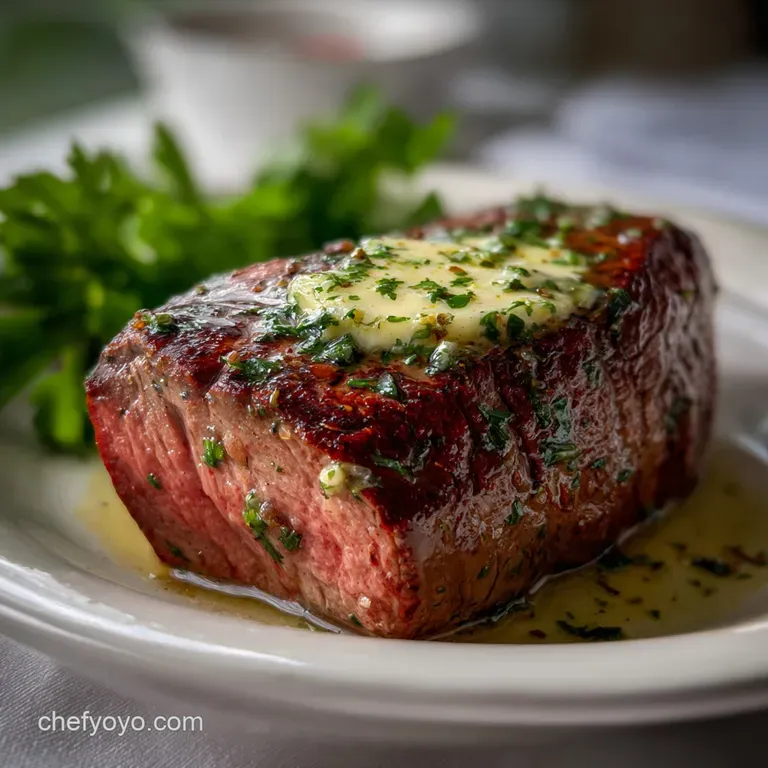
Preparation and Trimming: Getting the Fillet Ready
- Prep the Butter: About 1 hour before starting, combine your softened butter, minced garlic, rosemary, thyme, and sea salt. Roll it tightly into a log using parchment paper. Twist the ends like a candy wrapper and chill it rock hard while you prep the beef.
- Temper the Beef: Remove the tenderloin from the fridge 45 minutes to 1 hour before grilling. This is essential for even cooking! Pat it bone dry with paper towels. Seriously, dry meat = better sear.
- Season Aggressively: Lightly coat the entire tenderloin with your high smoke-point oil. Season heavily with salt and pepper it should look like you put too much on. The salt acts as a dry brine, drawing moisture out and then back in, helping form a deep flavor crust.
Executing the Two-Zone Grilling Technique
- Preheat the Grill: Set up your grill for two zones. For gas, turn one side to high (aiming for 550°F / 290°C) and leave the other side off. For charcoal, pile all the hot coals to one side.
- Sear, Sear, Sear: Place the tenderloin over the over high heat, direct zone. You should hear an immediate, aggressive sizzle. Sear for 2– 4 minutes per side. Rotate it frequently until you have a deep, mahogany brown crust on all surfaces. This is how we get the crusty exterior needed for great Grilled Beef Tenderloin Recipes .
Timing is Everything: Monitoring Temperatures During the Cook
- Move to Indirect Heat: Immediately move the Grilled Beef Tenderloin to the cool side of the grill. Close the lid to allow the heat to circulate. This is the finishing period.
- Monitor Temperature: Insert your instant read digital thermometer into the thickest part of the meat. Cook until the internal temperature reaches 5°F (3°C) below your desired final temperature (e.g., pull at 125°F/52°C for Medium Rare). This usually takes 10– 20 minutes, depending on the thickness.
The Critical Step: Resting Your Grilled Tenderloin
- Rest and Finish: Immediately transfer the cooked tenderloin to a cutting board. Place 2 3 slices of the chilled compound butter on top. Tent loosely with foil and allow to rest for a full 10– 15 minutes. This is critical the carryover cooking will raise the temperature to your target, and the muscle fibers relax and reabsorb the juices.
- Slice and Serve: Slice the tenderloin against the grain and drizzle any leftover melted herb butter and juices over the top. Serve immediately. Pair this perfect steak with my recipe for Red Potato Recipes: Ultimate Crispy Smashed Potatoes — it's a match made in heaven.
Expert Tips, Tricks, and Common Grilling Mistakes to Avoid
This is the most crucial part of perfecting Grilled Beef Tenderloin Recipes . Skip these notes at your peril!
| Mistake/Troubleshoot | Why It Happened (The Science) | The Fix |
|---|---|---|
| Dry, Overcooked Steak | You relied solely on timing, or you skipped the resting period. | Use a thermometer! Pull the steak 5°F before target. Always rest for 10- 15 minutes to allow for carryover cooking. |
| No Deep Brown Crust (Gray Meat) | The grill wasn't hot enough, or the meat was wet when it hit the grates. | Pat the beef dry aggressively . Preheat the grill for at least 20 minutes to achieve maximum searing temperature (550°F+). |
| Steak Cooked Unevenly (One side burned) | You didn't trim the narrow "tail" and tie it up, or you didn't rotate it on the indirect side. | Tie the thinner end of the tenderloin under itself with butcher’s twine so the roast is cylindrical and cooks uniformly. |
Doneness Temperature Guide
(Remember, remove the beef when it is 5°F below the target, as the temp will rise during resting.)
| Doneness | Target Temp (F) | Target Temp (C) | Texture |
|---|---|---|---|
| Rare | 125°F | 52°C | Very red, soft center. |
| Medium Rare (Recommended) | 135°F | 57°C | Deep pink, slightly springy. |
| Medium | 145°F | 63°C | Pale pink center, firm. |
Storage and Repurposing Leftovers
Safe Storage Instructions for Cooked Steak
If you miraculously have leftovers from your amazing Grilled Beef Tenderloin , cool the meat quickly (within 2 hours) and store it in an airtight container in the refrigerator. It will keep safely for 3 4 days.
Since this is one of the best Best Beef Dishes , you should try to enjoy it cold or barely reheated to preserve tenderness.
Freezing Raw vs. Cooked Tenderloin
- Raw: Tenderloin freezes beautifully. Wrap it tightly in plastic wrap, then aluminum foil, and store in a freezer bag. Use within 6 9 months. Thaw overnight in the refrigerator before tempering and grilling.
- Cooked: You can freeze leftover slices, but the texture will suffer slightly upon thawing. Slice it thin, place it in an airtight container with any sauce or pan juices, and use within 3 months.
Reheating Leftovers (Do NOT Microwave!)
To reheat the steak without turning it into shoe leather, the goal is low and slow. Place sliced leftover Seared Beef Tenderloin on a baking sheet, sprinkle with a few drops of beef broth or water, cover tightly with foil, and warm in a 250°F (120°C) oven for 10– 15 minutes until just warm (around 100°F/38°C).
If you want to avoid grilling entirely, check out my recipe for a Tenderloin Roast Recipes instead, which uses the oven.
Elevated Side Dishes and Serving Pairings
These Grilled Beef Steak Recipes are perfect for entertaining, and the rich flavor of the bbq beef tenderloin recipes requires equally strong side dishes.
Classic Sauces to Complement Grilled Beef Tenderloin
If you aren't using the herb butter, consider a classic. Peppercorn sauce (made with beef broth, cream, and green peppercorns) is traditional and outstanding. Alternatively, a sharp, acidic Chimichurri sauce cuts through the fat beautifully.
If you have some leftover pan drippings from the grill (unlikely with this lean cut, but possible!), whisking them with some wine and stock can create a quick, light Beef Tenderloin With Gravy .
Getting Grilled Beef Tenderloin Recipes right is about respect: respect for the cut, respect for the temperature, and respect for the sear. Follow these steps, trust your instant read thermometer, and you’ll achieve results better than any steakhouse, cementing this as one of your favorite Grilled Beef Fillet Recipes forever.
Recipe FAQs
What is the 'two-zone grilling technique' and why is it necessary for tenderloin?
Two-zone grilling involves placing coals or heat on one side of the grill and leaving the other side empty (indirect heat). This allows you to aggressively sear the steak over high heat initially for a perfect crust, and then move it to the indirect side to finish cooking gently.
This technique is crucial for thick, delicate cuts like tenderloin to ensure even cooking to medium rare without burning the exterior.
Should I trim the silver skin off the tenderloin before grilling?
Yes, absolutely. The silver skin is a thin layer of connective tissue that will not render or soften during the cooking process, resulting in a tough and chewy texture. Use a sharp, flexible knife to carefully slide underneath the membrane and remove it completely before seasoning the meat.
How do I achieve the perfect crisp, savory crust (the 'sear') described in the recipe?
A great crust, or Maillard reaction, requires two things: extremely high heat and a dry surface. Pat the tenderloin completely dry with paper towels before heavily seasoning, and ensure your grill grates are preheated to 600°F or higher.
Sear the meat directly over the hottest zone for 2-3 minutes per side without moving it.
How do I ensure I don't overcook the delicate beef tenderloin?
Since tenderloin is lean and cooks quickly, the most reliable method is using a digital meat thermometer. Target an internal temperature about 5-10 degrees lower than your desired final doneness, pulling the steak off the grill around 125°F for medium rare.
The temperature will continue to rise during the resting period.
How long must the grilled tenderloin rest before slicing?
The grilled beef tenderloin must rest for at least 10 to 15 minutes, tented loosely with foil. Resting allows the internal muscle fibers, which contracted from the heat, to relax and redistribute the savory internal juices throughout the meat.
Slicing immediately will cause all the accumulated moisture to run out, resulting in a dry steak.
Can I prepare the compound herb butter ahead of time?
Compound herb butter is excellent for preparing in advance, which allows the flavors to meld fully. You can mix the ingredients, roll the butter into a log using parchment paper, and refrigerate it for up to a week. Simply slice off thick medallions to place on the hot steak immediately after it comes off the grill.
What is the best way to store and reheat leftover grilled tenderloin?
Store any leftovers tightly wrapped in the refrigerator for 3-4 days. To gently reheat without drying the meat out, place the steak in an oven set very low (about 250°F or 120°C) until warmed through. Alternatively, slice the tenderloin thinly and enjoy it cold in sandwiches or salads.
Grilled Beef Tenderloin Steakhouse
Ingredients:
Instructions:
Nutrition Facts:
| Calories | 400 kcal |
|---|---|
| Protein | 35 g |
| Fat | 27 g |
| Carbs | 1 g |
| Fiber | 0 g |
