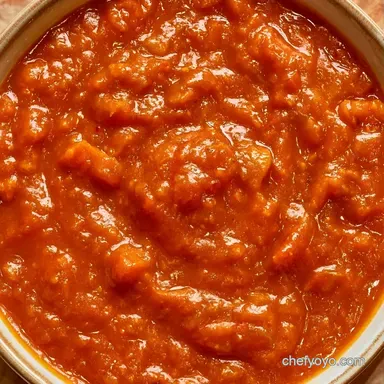
Habanero Jerk Sauce with Carrots
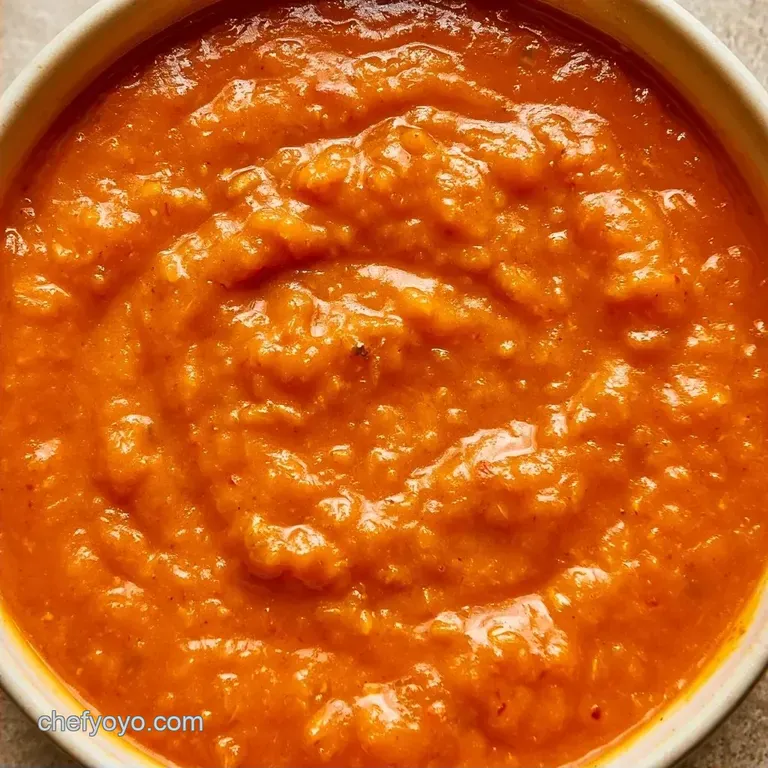
- Time: 10 min prep + 5 min stovetop
- Profile: Zesty, spicy, and dense
- Best for: Grilling nights, tacos, or punchy marinades
The fragrance of toasted allspice and sharp habaneros hitting a hot pan is enough to make your eyes prickle and your mouth water. It’s a scent that transports me to Caribbean street markets, where the air is heavy with smoke and the colors are almost surreal.
There is something about that specific blend of spice and sweetness that feels like a celebration on a plate.
My first try at a jerk sauce was essentially a chemical weapon. I used far too many peppers and a cheap white vinegar, which produced a liquid that seared my throat but offered no real flavor. It lacked depth and substance, essentially sliding off the chicken like water.
I realized then that heat without equilibrium is just pain.
That is why this recipe for Habanero Jerk Sauce works. We incorporate a bit of carrot for density and apple cider vinegar for a gentler, fruitier acidity. It changes the sauce from a thin wash into a bold, mahogany colored condiment that actually clings to the food.
Habanero Jerk Sauce Quick Facts
Right then, let's look at the logistics. This sauce comes together fast, but it tastes like it simmered for hours.
| Goal | What to change |
|---|---|
| Less Heat | Add 1 more oz of carrot |
| More Tang | Increase vinegar by 1 tbsp |
| Thicker Body | Strain less of the solids |
The total time is only 15 minutes, which is a steal for something this complex. Most of that is just getting the blender moving.
Why the Texture Works
The secret is chilling the dough wait, no, that's for cookies. For this sauce, the trick is all about the produce.
Carrot Pectin: Carrots contain natural pectins and sugars that act as a binder. This keeps the oil and vinegar from separating and gives the sauce a thick, clingy consistency.
Acidic Balance: Using apple cider vinegar instead of white distilled vinegar adds a subtle apple note. This rounds out the sharp edges of the habaneros.
Spice Fusion: Simmering the blended mix for 5 minutes allows the dry spices to hydrate and meld. This removes the "raw" taste of the cinnamon and thyme.
| Method | Time | Texture | Best For |
|---|---|---|---|
| Fast Blend | 15 mins | Slightly Grainy | Quick Dips |
| Classic Simmer | 20 mins | Smooth & Glossy | Glazing Meats |
What Goes In This Sauce
I prioritize using fresh ingredients. Try to find habaneros that are bright red or orange, as they typically offer a more intense flavor than the green variety.
The core of this Habanero Jerk Sauce is the balance between the pepper's heat and the earthy scent of allspice. Allspice is what creates that iconic Jamaican character; without it, the recipe is simply a hot pepper sauce.
- 3 oz habanero peppers, stems removed Why this? Delivers the characteristic fire and fruity heat. (Substitute: Scotch Bonnet peppers for more authenticity)
- 2 oz carrot, peeled and chopped Why this? Adds thickness and a touch of natural sweetness. (Substitute: Yellow bell pepper for less sweetness)
- 1/4 cup apple cider vinegar Why this? A mellow acid that offsets the spice. (Substitute: Rice vinegar for a milder tang)
- 1/2 cup water Why this? Adjusts the final consistency. (Substitute: Pineapple juice for a tropical twist)
- 3 cloves garlic, peeled Why this? Provides a bold, savory foundation. (Substitute: Garlic powder, 1 tsp)
- 1 tsp ground allspice Why this? The definitive jerk seasoning component. (Substitute: A mix of cinnamon and cloves)
- 1 tsp dried thyme Why this? Contributes a grounded, herbal quality. (Substitute: Dried oregano)
- 1/2 tsp ground cinnamon Why this? Adds aromatic warmth and complexity. (Substitute: Nutmeg)
- 1 tsp kosher salt Why this? Brightens and balances the overall taste. (Substitute: Sea salt)
- 1 tbsp brown sugar Why this? Softens the acidity and helps the sauce glaze. (Substitute: Honey or maple syrup)
Tools for the Job
While specialized equipment isn't necessary, a good blender is essential. Using a food processor may result in a coarser texture, which some people actually prefer.
- Powerful blender (such as a Vitamix or Ninja)
- Small saucepan
- Fine mesh strainer (optional)
- Rubber gloves (non-negotiable)
- Glass bottles for storage
Chef Note: Please wear the gloves. Habanero oils cling to your skin for hours; if you accidentally rub your eye after prepping these, you're in for a world of pain.
How to Make the Sauce
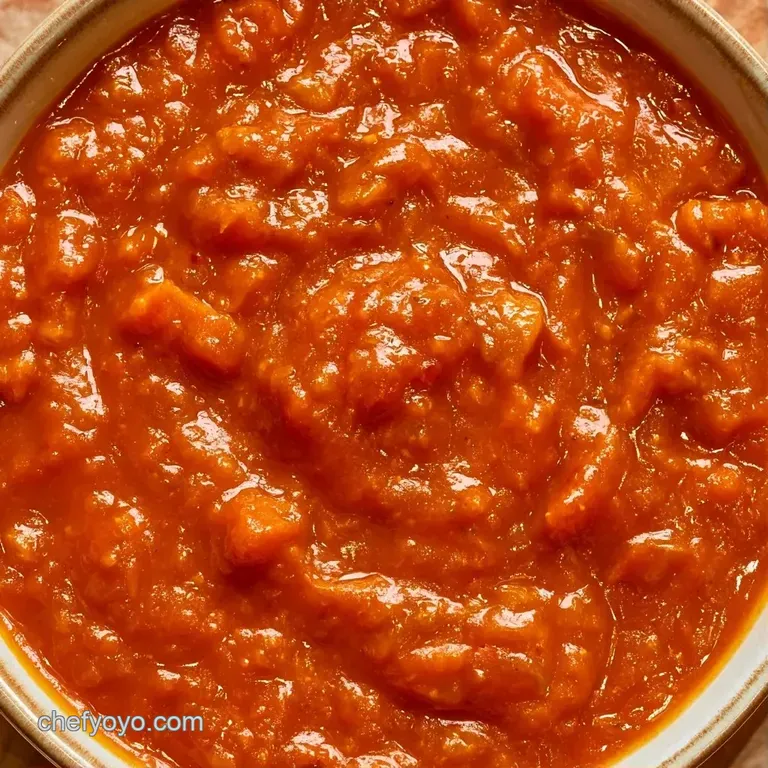
Let's start the preparation. While the process is simple, following the sequence is key to achieving a smooth finish.
- Put on rubber gloves. Place the habaneros, chopped carrots, garlic, apple cider vinegar, and water in a high speed blender.
- Blend on high for 60 seconds until the mixture is velvety and no large pepper chunks remain. Note: The carrots should be completely pulverized.
- Transfer the blended mixture to a small saucepan.
- Stir in the brown sugar, salt, cinnamon, thyme, and allspice.
- Bring the sauce to a gentle simmer over medium heat.
- Cook for 5 minutes, stirring every so often, until the sauce smells fragrant and the sugars are fully dissolved.
- Remove from heat immediately to prevent too much vinegar from evaporating.
- For a rustic texture, pour the sauce directly into bottles.
- For a silky consistency, pass the sauce through a fine mesh strainer into bottles, using a spoon to press the solids through.
Fixing Common Sauce Issues
Small mistakes can happen during the process. Usually, the solution is simply adjusting the balance of flavors.
For a Burn That's Too Intense
If the heat is overwhelming, avoid adding water, as it dilutes the flavor and results in a thin consistency. Instead, mix in another half inch of raw carrot or a teaspoon of honey. The added bulk and sweetness help counteract the capsaicin on your tongue.
To Fix a Separated Sauce
If you notice oil or water separating, it's likely the mixture wasn't blended long enough. Give it an additional 30 seconds in the blender before heating. If separation occurs in the pan, whisking vigorously while simmering should bring the emulsion back together.
When the Flavor is Too Flat
If the sauce tastes one-dimensional, it usually needs more acidity. Stir in a teaspoon of apple cider vinegar at the very end, after removing the pan from the heat. This brightens the spices and makes the Habanero Jerk Sauce truly pop.
Dealing with Too Much Cinnamon
Cinnamon is a potent spice. If you've added too much and the sauce tastes like a dessert, increase the amount of garlic and salt. These savory components will bring the cinnamon back into a supporting role.
Different Ways to Make It
After mastering the basic version, you can easily adjust the flavor profile. The type of heat you choose often depends on what you are pairing the sauce with.
If you prefer a deeper, smokier taste, try the Roasted Habanero Hot Sauce technique by charring the garlic and peppers before blending. This adds a campfire quality that pairs perfectly with grilled pork. For a faster, more intense result, the Grilled Habanero Hot Sauce method delivers a quick, flame kissed essence.
For a Tropical Twist
Substitute the water with mango puree or pineapple juice. This transforms the sauce into a sweet and-spicy glaze that tastes amazing on scallops or shrimp.
For a Keto Friendly Swap
Use a drop of liquid stevia or a pinch of monk fruit sweetener instead of brown sugar. Because the carrots offer some natural sweetness, the overall taste remains similar.
For a Milder Experience
Clear out the seeds and pith from the habaneros before blending, as that is where most of the heat resides. This allows you to preserve the pepper's fruity notes while reducing the sharp sting.
Saving and Reducing Waste
It's unlikely you'll use two cups of sauce all at once. Transfer the finished mixture into glass bottles or jars.
Refrigerate the sauce for as long as 3 weeks. Although the vinegar helps preserve it, the fresh carrots mean it has a limited shelf life. For longer storage, pour the sauce into ice cube molds; just drop a cube into your pan whenever you want a quick flavor boost.
To minimize waste, save the habanero stems. Store them in a freezer safe bag along with other vegetable trimmings to create a spicy stock later. If you have extra carrot peels, roast them with oil and salt for a fast, crunchy snack.
Serving Suggestions
The look of the dish is just as important as the taste. Habanero Jerk Sauce has a bold, orange brown hue, so you want to contrast that with bright, fresh colors.
I use a three color strategy to make the plate look vibrant. First, the deep orange of the sauce provides the base. Then, I add a bright green accent, like sliced scallions or fresh cilantro leaves.
Finally, a pop of white either crumbled cotija cheese or a dollop of sour cream cuts through the intensity and makes the colors stand out.
This sauce is a powerhouse for grilling. Use it as a marinade for chicken thighs or brush it on ribs during the last 10 minutes of cooking. It also makes a great dip for plantains or a spicy kick for a bowl of coconut rice.
The Trick Behind the Texture
I mentioned the carrots earlier, but let's dive into the "cling." Many commercial hot sauces are essentially spicy vinegar; they taste fine, but they slide right off your meal. By processing the solids (carrots and garlic) into the liquid, we create a suspension.
The pectin in the carrots binds with the vinegar and water to increase the viscosity. This ensures the sauce actually coats a piece of grilled chicken instead of pooling on the plate, making every bite much more satisfying.
Busting the Heat Myth
Some believe that boiling the sauce eliminates the spiciness. This is a misconception. Capsaicin, the molecule responsible for the heat, is incredibly stable. Simmering the mixture for 5 minutes doesn't extinguish the fire; it simply rounds out the raw "sting" and integrates the spices.
Another common belief is that authenticity requires fermentation. While fermenting adds a complex, funky layer, a vinegar based simmer like this offers a bright, tangy acidity that defines many Caribbean variations.
Now you have all the tools to bring some serious fire to your cooking. Just remember to wear gloves, watch the simmer, and feel free to add a bit more salt if the flavor needs a boost. Dig into your spicy creation!
Recipe FAQs
Is it true that red habaneros are always hotter than orange ones?
Actually, no. Both varieties provide similar heat levels and work perfectly in this recipe.
Tip: pick orange peppers if you want a more vibrant, Caribbean look.
How to reduce the heat in the finished sauce?
Add one more ounce of chopped carrot and simmer for a few minutes.
Tip: adding a bit more brown sugar also helps temper the sting of the peppers.
Why does my habanero sauce taste bitter after blending?
Over blending the garlic can release bitter compounds into the mix.
Tip: stick to the 60-second blend time to keep the flavor clean.
Can I use a different vinegar for the tang?
White vinegar works, but apple cider vinegar provides a fruitier profile similar to our mango habanero blend.
Tip: ensure the vinegar has a 5% acidity for proper shelf life.
Habanero Jerk Sauce